

Fatherhood in the 1970s looked vastly different from the more involved and emotionally expressive parenting style common today. Back then, dads often took a quieter, more observational role, guiding through example rather than constant instruction. Their influence came not from over-scheduling or micromanaging but from instilling values through everyday life. While some of their methods might feel outdated now, many of the principles they lived by helped raise resilient, capable children. These fatherly lessons, though rare in modern parenting circles, still hold power and relevance if we pause to remember them.
The Importance of Tough Love

Dads in the ’70s weren’t in the business of hand-holding. When life got hard, they didn’t rush in to smooth things over—they let their kids experience the sting of failure and the pride of getting back up. That kind of tough love may have felt harsh at times, but it was grounded in the belief that struggle built character. Instead of shielding their kids from consequences, they expected them to face them head-on. It wasn’t about being cold or distant—it was about preparing their children for a world that wouldn’t always be gentle.
Teaching Through Doing

There weren’t long family talks or parenting books on the coffee table—just moments shared over oil changes and lawn care. ’70s dads taught by including their kids in whatever they were doing. Fixing a leak, tuning up a bike, or building a doghouse became opportunities to bond and learn. Watching and doing was the norm; asking questions along the way was part of the process. These unspoken lessons created lifelong memories and skills that didn’t come from a screen or a classroom but from side-by-side experience.
Respect for Time and Effort

Showing up on time and working hard were non-negotiable values. ’70s dads believed that responsibility was earned, not given, and that your reputation was tied to how you carried yourself—especially when no one was looking. Kids were taught to take pride in the effort, even when the task was dull or difficult. You didn’t expect a gold star for doing the dishes or mowing the lawn—you did it because it needed to be done. This mentality nurtured grit, dependability, and a quiet kind of confidence.
Letting Kids Roam

Back then, children were given a level of freedom that would make most modern parents uneasy. Whether biking to a friend’s house miles away, walking to the store alone, or spending hours outside unsupervised, ’70s dads trusted their kids to figure things out. They valued independence over constant monitoring, believing that small risks led to bigger growth. Sure, kids made mistakes—but they also learned how to solve problems, take responsibility, and navigate the world without always needing a lifeline.
Practical Skills Over Perfection
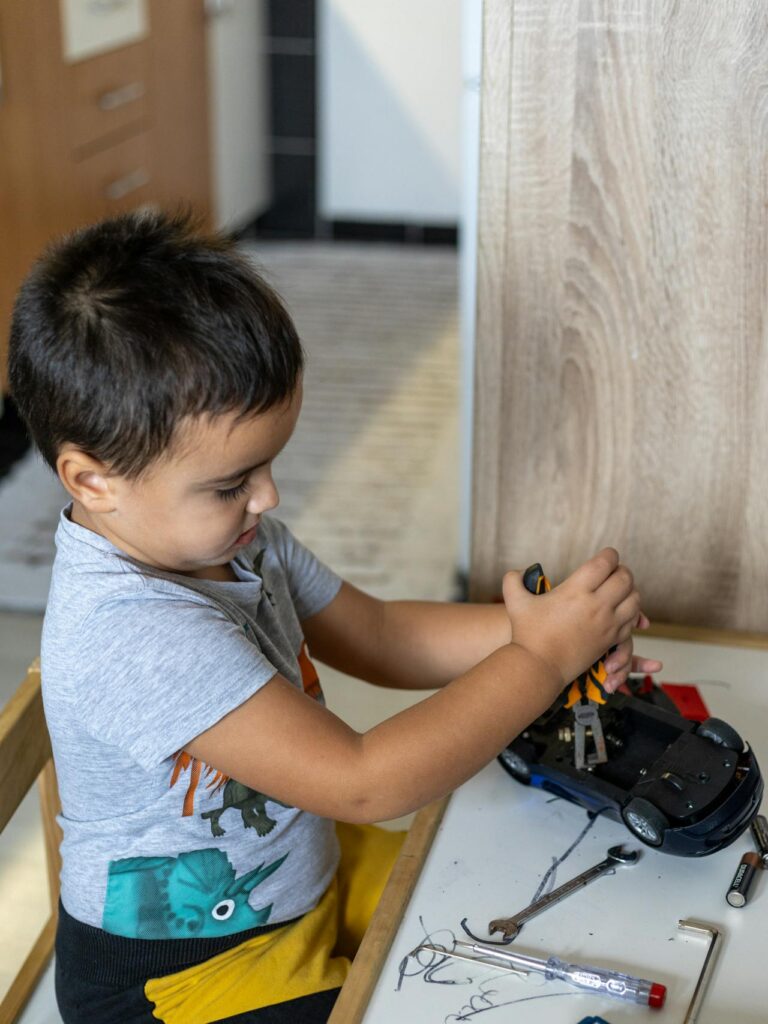
Being capable was more important than being polished. ’70s dads weren’t worried about perfect technique or social media-worthy results. If something needed fixing, they fixed it—even if it wasn’t pretty. They taught their kids to handle tools, cook a meal, change a tire, and problem-solve without always calling a professional. It was about knowing enough to get by and feel confident in your own abilities. Those practical lessons built real-world competence that outlasted fads and appearances.
Encouraging Independence Through Freedom
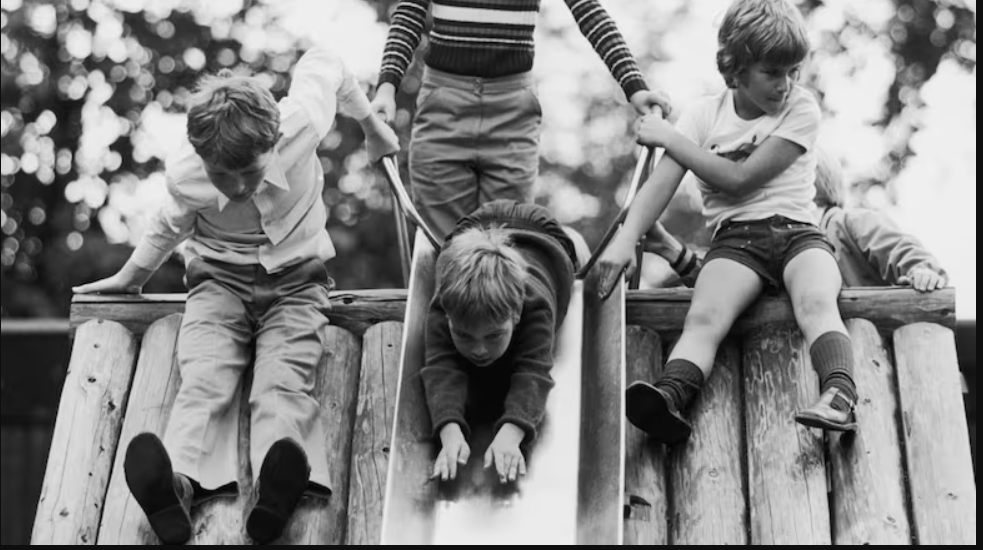
In the 1970s, children often experienced a level of freedom that seems rare today. Fathers trusted their kids to explore their neighborhoods, make decisions on their own, and learn from the consequences without constant supervision. This wasn’t neglect but a deliberate choice to build self-reliance and confidence. By giving children space to navigate the world, dads encouraged them to become resourceful and resilient, lessons that have stood the test of time.
Leading by Example, Not Just Words

Many fathers of that era believed their actions carried more weight than lectures or instructions. Instead of telling kids what to do, they showed it through their behavior—whether it was respect for others, handling challenges calmly, or demonstrating responsibility. This silent leadership taught children valuable lessons in integrity and perseverance, instilling a quiet strength that shaped their character far more deeply than words ever could.
Instilling a Strong Work Ethic

Work was a cornerstone of family life, and dads made sure their children understood its importance firsthand. Whether it was helping with chores, taking on part-time jobs, or observing their father’s dedication to his career, kids learned early that success requires effort and persistence. This strong work ethic wasn’t about instant rewards but about long-term commitment, a mindset that helped shape future ambitions and achievements.
Balancing Authority with Affection

Though ’70s dads often maintained a firm, no-nonsense demeanor, their love was always present—even if expressed differently than it is today. Affection came through acts of service, shared time, and quiet support rather than constant verbal praise. This balance of authority and warmth helped children feel secure and respected, teaching them that love can be steady and unspoken yet still deeply meaningful.
Creating Lasting Traditions and Rituals

Family rituals provided a sense of belonging and connection in the everyday lives of ’70s families. Whether it was weekend fishing trips, Sunday dinners, or holiday celebrations, fathers helped establish routines that bonded generations. These traditions became more than just events—they were a foundation for family identity, creating memories and values that children carried with them throughout their lives.