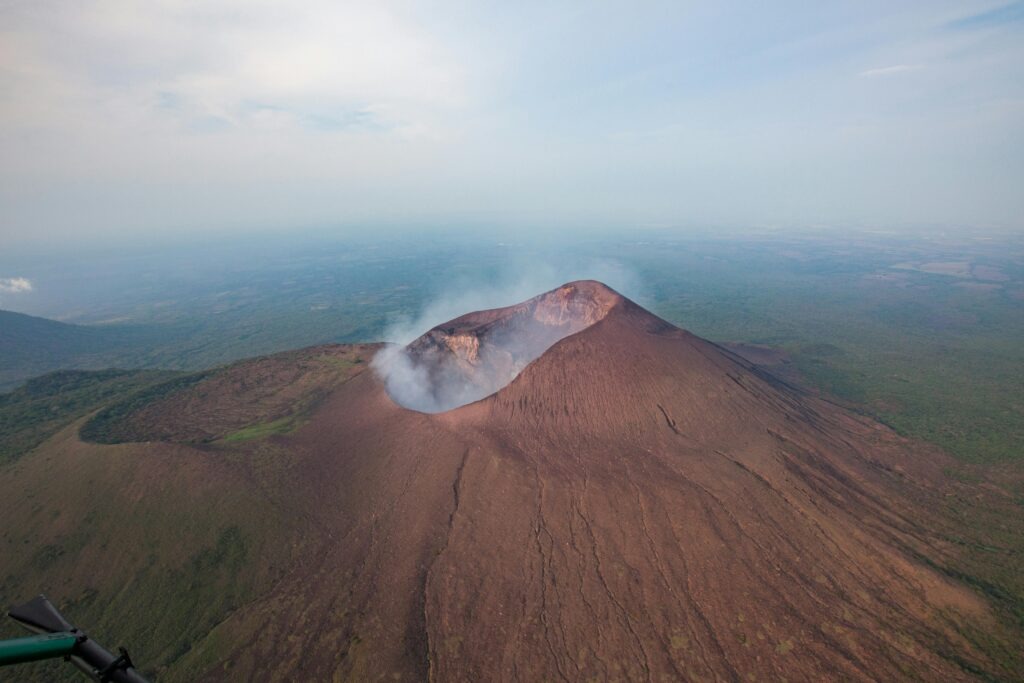
In 2026, a growing number of thrill-seeking travelers are flying across continents to witness active volcanic eruptions up close. Dubbed “volcano chasing,” the trend blends adventure tourism, social media spectacle, and raw geological fascination. Lava fountains and glowing craters have become the ultimate bucket-list backdrop. Yet behind the dramatic footage lies real danger. The obsession raises urgent questions about risk, responsibility, and why extreme proximity to nature’s power feels irresistible.
What Volcano Chasing Actually Means
In 2026, a growing number of thrill-seeking travelers are flying across continents to witness active volcanic eruptions up close. Dubbed “volcano chasing,” the trend blends adventure tourism, social media spectacle, and raw geological fascination. Lava fountains and glowing craters have become the ultimate bucket-list backdrop. Yet behind the dramatic footage lies real danger. The obsession raises urgent questions about risk, responsibility, and why extreme proximity to nature’s power feels irresistible.
The Social Media Effect
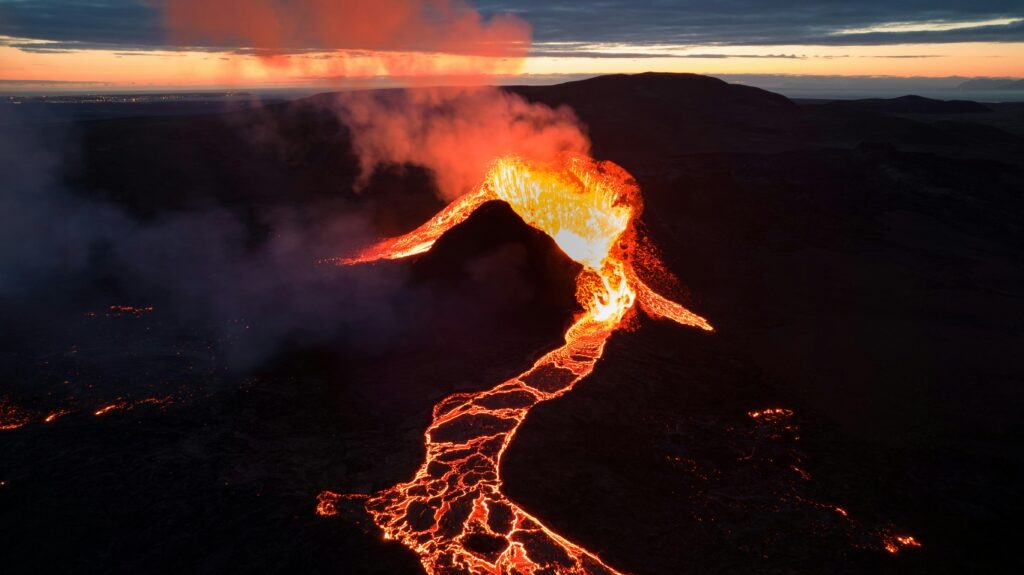
Few natural phenomena rival the visual drama of flowing lava at night. Images of glowing fissures spread rapidly online, fueling demand. Influencers and adventure creators amplify the spectacle, often emphasizing proximity over context. Viral clips can spark sudden travel spikes to fragile volcanic zones. The algorithm rewards intensity. The closer the lava, the stronger the engagement. Spectacle becomes currency in a crowded digital landscape. The pressure to capture something extraordinary can quietly push boundaries further. Carefully framed shots rarely show safety briefings, evacuation routes, or restricted zones.
The Real Risks
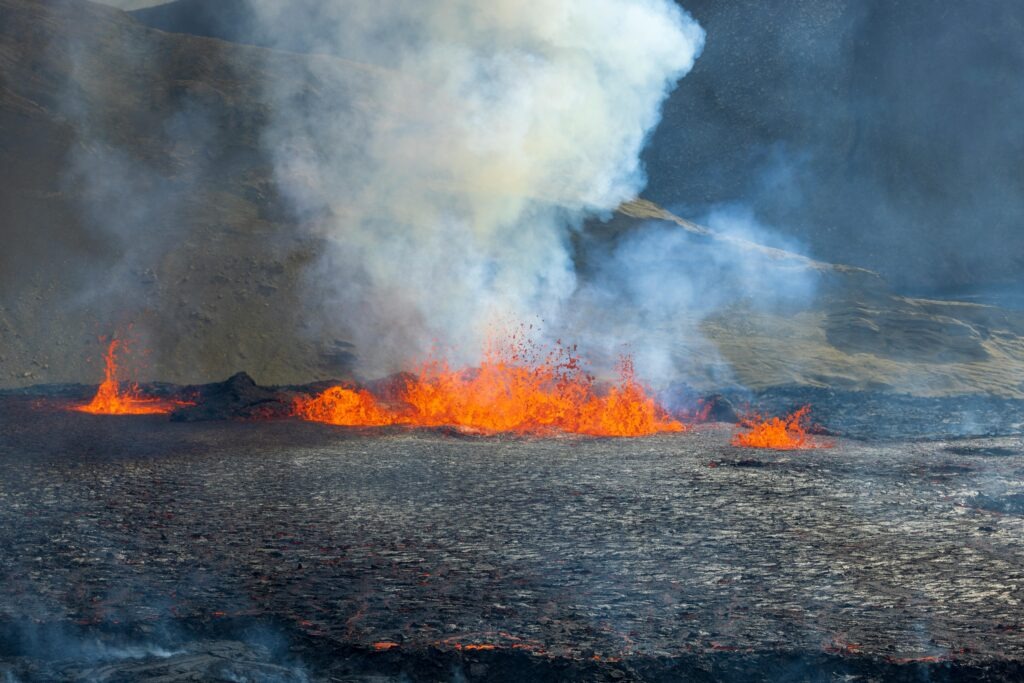
Volcanic environments are unstable by definition. Toxic gases, sudden explosions, ground collapse, and unpredictable lava flow shifts pose serious threats. Even experienced guides cannot eliminate all risk. Emergency services in remote regions can be limited. Conditions can change within minutes. The danger is not theoretical; it is inherent. Wind direction alone can turn a safe viewpoint hazardous. Protective gear reduces exposure but does not remove uncertainty. Fresh lava crust can appear solid while concealing extreme heat beneath. A single misstep can lead to severe injury in terrain that shifts without warning.
Why People Are Drawn to It
Psychologists point to awe and adrenaline. Witnessing active geological transformation offers a rare sense of immediacy. In a digital world saturated with simulations, molten earth feels undeniably real. Volcano chasing delivers both spectacle and existential perspective. Standing near an eruption compresses time and scale into one unforgettable moment. The experience feels raw, unscripted, and larger than human control. That intensity can be deeply compelling. It satisfies a desire to witness creation and destruction simultaneously. For some, it represents a confrontation with nature that feels grounding in an increasingly controlled world.
The Ethical Dilemma
Beyond personal safety, the trend impacts local communities. Sudden tourism surges strain infrastructure and emergency resources. Sensitive landscapes face erosion from increased foot traffic. Authorities must balance economic opportunity with environmental protection. Regulation struggles to keep pace with viral travel patterns. Local residents often bear the consequences of rescue operations. The line between adventure and irresponsibility can blur quickly. Sustainable management becomes increasingly urgent. Some regions have begun imposing stricter access rules to prevent irreversible ecological damage.
Will the Trend Last?
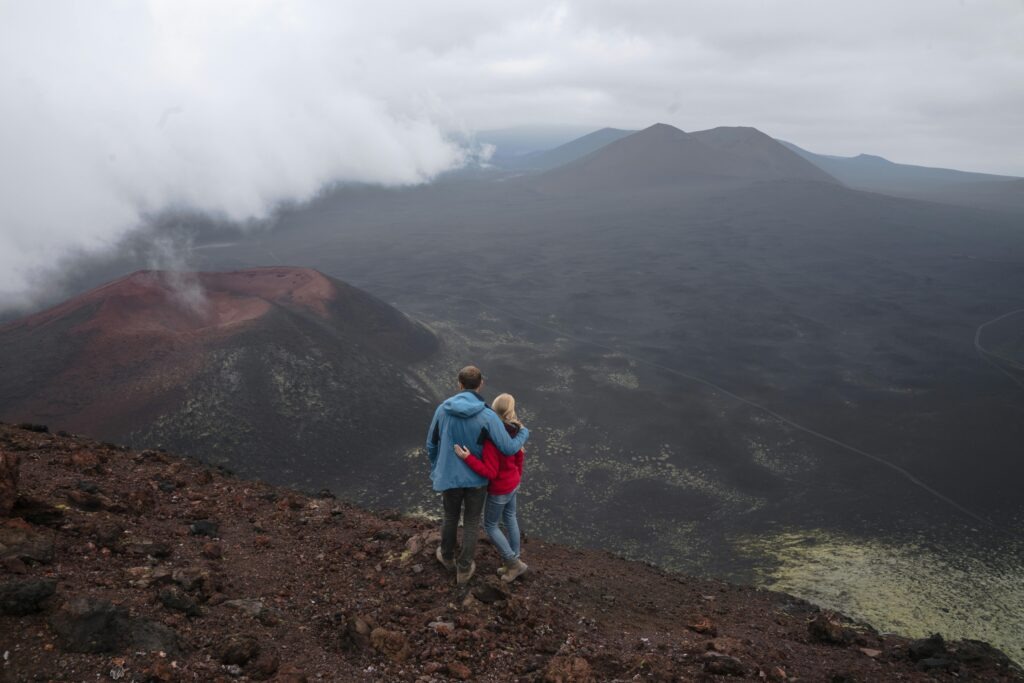
Extreme travel trends often cycle, but volcano chasing taps into something primal. As long as eruptions remain visible and accessible, curiosity will follow. The question is whether boundaries will tighten before a major incident forces change. In 2026, the glow of lava continues to pull travelers closer, even when experts advise distance. The fascination shows no immediate signs of cooling. Nature’s volatility remains both a warning and an attraction. The challenge ahead lies in balancing awe with accountability. Long-term sustainability may depend on stricter oversight and more responsible storytelling.