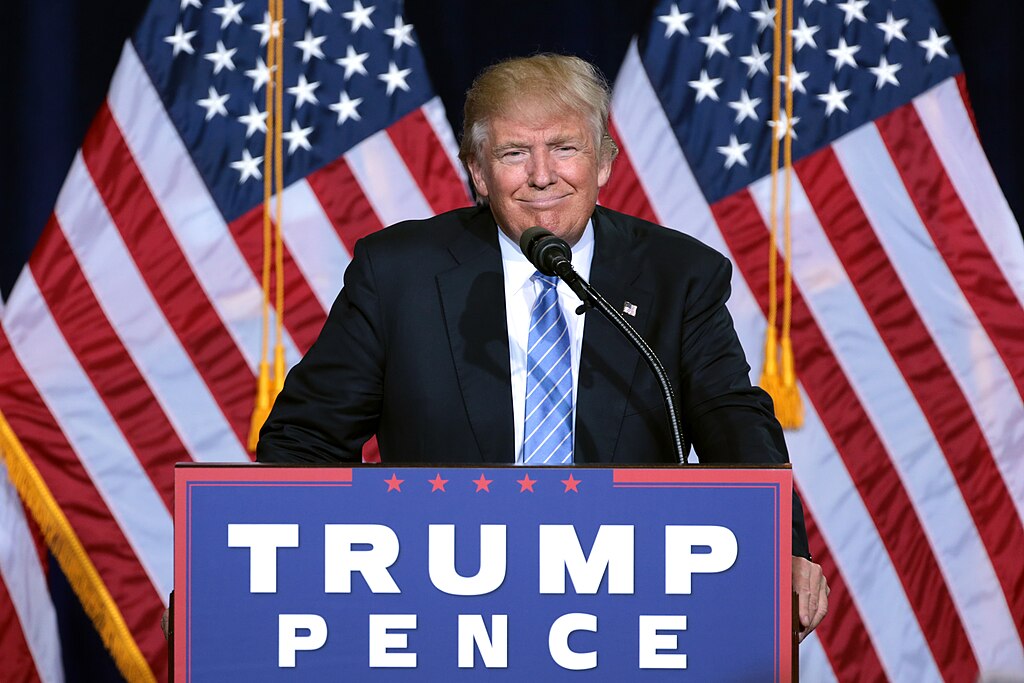
Recently, news circulated that a Venezuelan Nobel Peace Prize laureate publicly stated that they were giving or transferring their Nobel Peace Prize to former U.S. President Donald Trump. While the Nobel Peace Prize itself cannot officially be transferred under the rules of the Nobel Foundation, the symbolic gesture sparked discussion and confusion across media platforms and social networks. Many people began asking whether such a transfer is legally possible, what it actually means, and why someone would make such a statement. For parents, this moment presents an opportunity to explain how global awards work, why public gestures can generate debate, and how different people interpret recognition in different ways.
Lesson 1: Not All Awards Are Straightforward
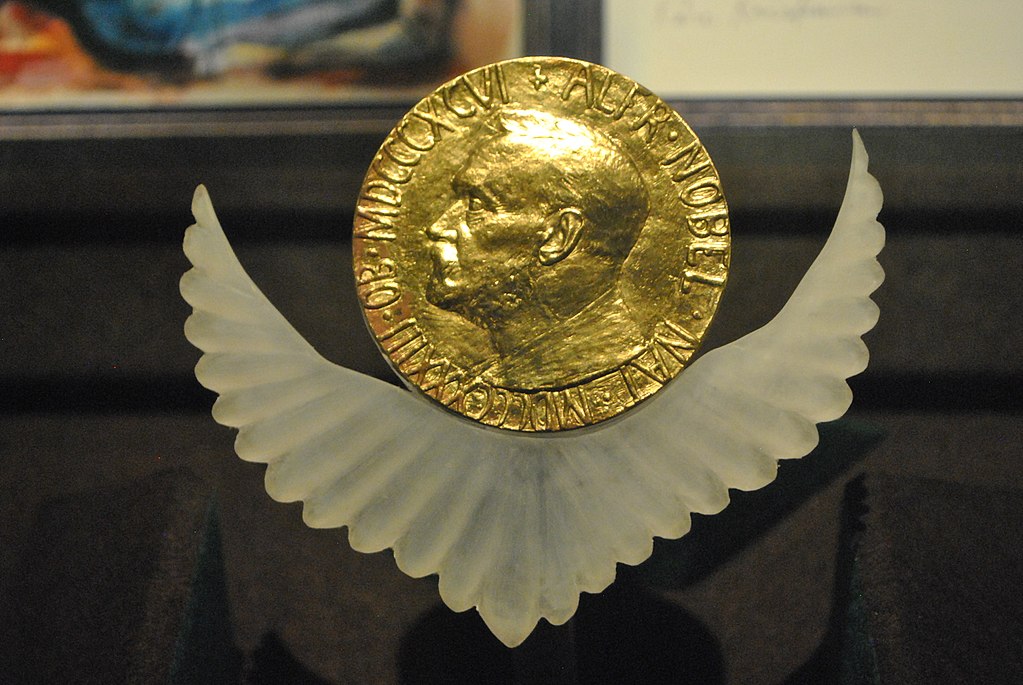
The Nobel Peace Prize follows a formal and highly regulated process. Each year, eligible nominators such as national leaders, university professors, and previous laureates submit names to the Norwegian Nobel Committee, which reviews nominations over several months before making a final decision. Once awarded, the prize legally belongs to the recipient and cannot be transferred, reassigned, or passed to someone else under Nobel Foundation rules. However, winners are free to make symbolic gestures, such as dedicating the prize to someone, donating the prize money, or making public statements about how they interpret their award. Parents can use this example to explain that while awards are governed by strict institutions and rules, public narratives around awards can sometimes blur the line between official processes and personal expression.
Lesson 2: People Can Have Different Opinions About Achievements

Situations like this show that recognition does not automatically create agreement, especially when it involves well-known public figures such as Donald Trump. Even when an award or public gesture exists, people interpret its meaning differently based on their values, priorities, and understanding of impact. Some focus on intentions or symbolic meaning, while others focus on outcomes, consequences, or standards of merit. This helps children understand that achievements, particularly in politics and leadership, are rarely evaluated in a single, universal way. Parents can use this to teach that disagreement about recognition is normal and that learning to listen to different perspectives is an important part of understanding complex issues.
Lesson 3: Critical Thinking and Questioning

Events like this provide a useful opportunity to teach children how to think critically about information rather than accepting headlines at face value. Children can be encouraged to ask simple but important questions such as who made the decision, what authority they have, whether the action is official or symbolic, and how the process actually works. In the case of high-profile figures like Donald Trump, this is especially important because media coverage can mix facts, opinions, and interpretations. Parents can use this to help children understand that critical thinking means checking sources, understanding systems, and separating personal gestures from formal rules, which are essential skills for interpreting news in general.
Lesson 4: Discussing Current Events Safely

High-profile news involving public figures can easily become emotionally charged, especially when political opinions are involved. Parents can use situations like this to model calm, fact-based conversations that focus on explaining what happened rather than debating whether it was good or bad. This means sticking to verified information, avoiding strong emotional language, and encouraging children to ask questions without feeling pressured to form opinions. By keeping discussions neutral and respectful, parents help children develop healthy habits around consuming news, learning how to stay informed without becoming overwhelmed, polarized, or confused by conflicting narratives.