

Retirement sounds like the finish line where every day finally belongs to you. But when the calendar suddenly goes blank, all that freedom can feel surprisingly complicated. This gallery explores five common ways too much free time can backfire in retirement—and why a little structure can make these years far more satisfying.
1. Too Much Downtime Can Hurt Mental Health

A packed schedule is not always fun, but it does keep the mind engaged. When retirement brings long stretches of inactivity, boredom can quietly turn into loneliness, anxiety, or low mood. Free time is only enjoyable when it feels connected to something you care about.
Many retirees are surprised by how mentally draining too little stimulation can be. The loss of professional identity, daily problem-solving, and casual social contact can leave a real gap. Even people who were desperate to retire sometimes miss the sense of usefulness work once provided.
That is why hobbies, learning, volunteering, and regular social plans are not just pleasant extras. They can be essential for emotional well-being.
2. Relationships Can Get Strained

More time at home sounds like it should automatically be good for relationships. In reality, constant togetherness can create friction, especially when both partners are adjusting to new routines, new roles, and very different ideas about how retirement should look.
One person may want travel and activity, while the other wants quiet and rest. Small habits that never mattered before can suddenly feel magnified when you are sharing every breakfast, errand, and afternoon. Even adult children may feel pressure if a retired parent starts leaning on them for companionship.
Healthy retirement often depends on balance. Together time matters, but so do independence, personal interests, and room to miss each other a little.
3. Spending Can Creep Up Fast

When you have more open hours to fill, it becomes very easy to spend money filling them. Lunch outings, spontaneous trips, online shopping, home projects, and entertainment can start to look like harmless ways to stay busy. Over time, though, those little costs can pile up.
This is one of retirement’s quiet surprises. You may no longer be commuting or buying work clothes, but having endless leisure can create its own expensive habits. A random Tuesday can suddenly include brunch, a round of golf, and a few impulse purchases that did not seem like a big deal.
Without a plan, too much free time can pressure your budget just as much as boredom can pressure your mood.
4. Physical Activity Can Slip Without Routine

Work used to create movement without you thinking much about it. Walking to the car, climbing stairs, running errands on a lunch break, or simply keeping a schedule all added up. In retirement, that natural activity can fall away faster than people expect.
Too much unstructured time often means more sitting, more television, and more telling yourself you will exercise later. Later has a funny way of never arriving. According to health experts, regular movement is one of the biggest predictors of staying independent and energetic as the years go on.
The answer is not training like an athlete. It is building simple habits that give your days momentum, from morning walks to fitness classes to active hobbies you actually enjoy.
5. Days Can Start to Feel Aimless
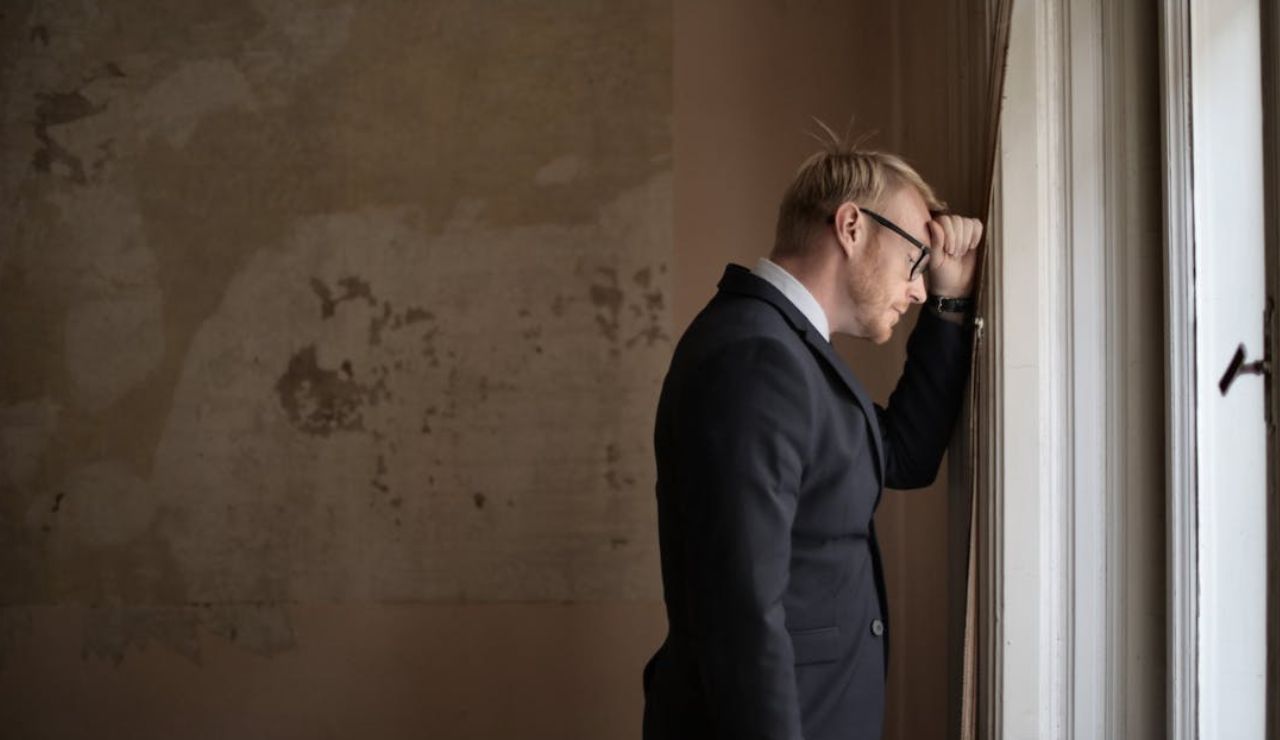
For years, work gave your days a built-in shape. There was a reason to get up, somewhere to be, and people expecting you to show up. Once that structure disappears, even the luxury of free time can start to feel oddly empty.
Without some rhythm, one day can blur into the next. Mornings stretch, afternoons drift, and suddenly the week feels like it vanished without much meaning. That can leave retirees feeling restless, unmotivated, or vaguely disappointed by a phase of life that was supposed to feel rewarding.
The problem usually is not retirement itself. It is the lack of a framework that helps time feel purposeful, memorable, and satisfying.