A large-scale war would change home life through disruption more than drama. For most civilians, the visible impact would be shortages, higher prices, transport problems, and uncertainty around daily routines. People would still cook, work, clean, and care for family members, but with less flexibility than usual.
That pressure would make ordinary decisions more practical. Buying food, using fuel, charging devices, and planning travel could require more thought than they do in stable periods.
The result would be a home centered on reliability. Comfort would still matter, but safety, storage, and routine would matter more than convenience.
Location Would Matter More Than Home Size
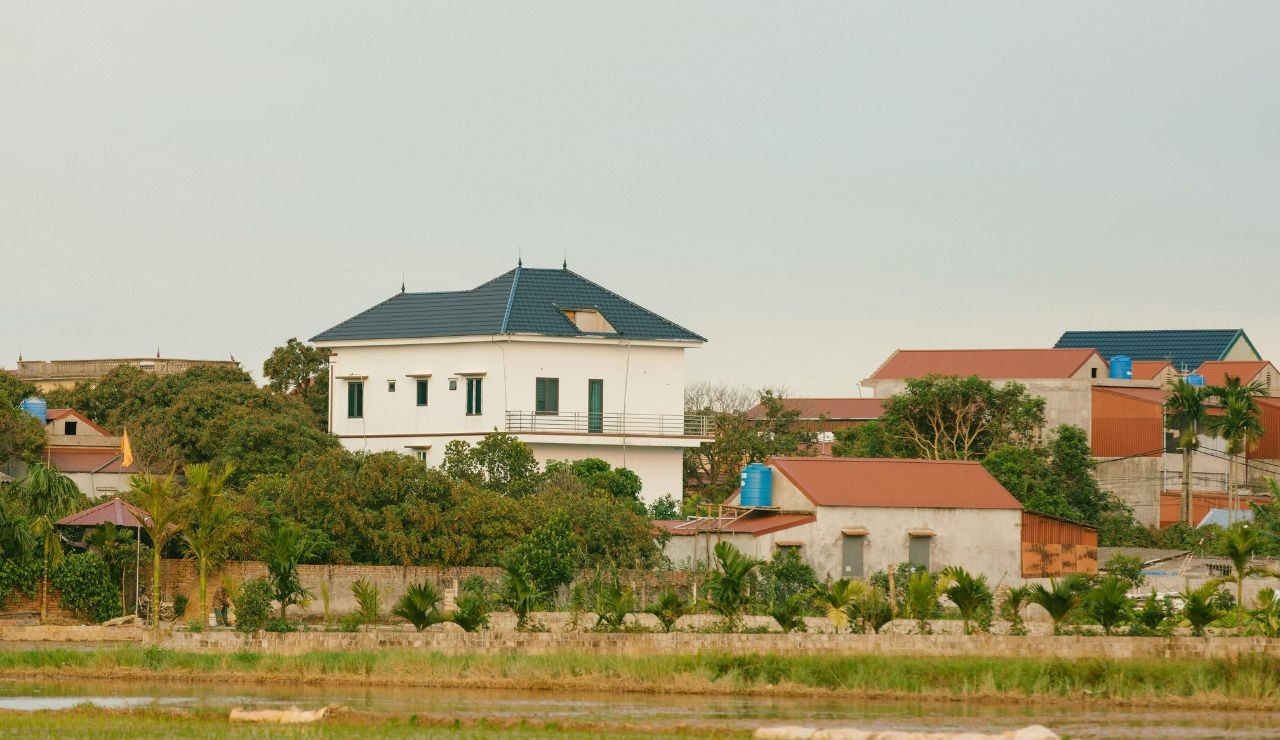
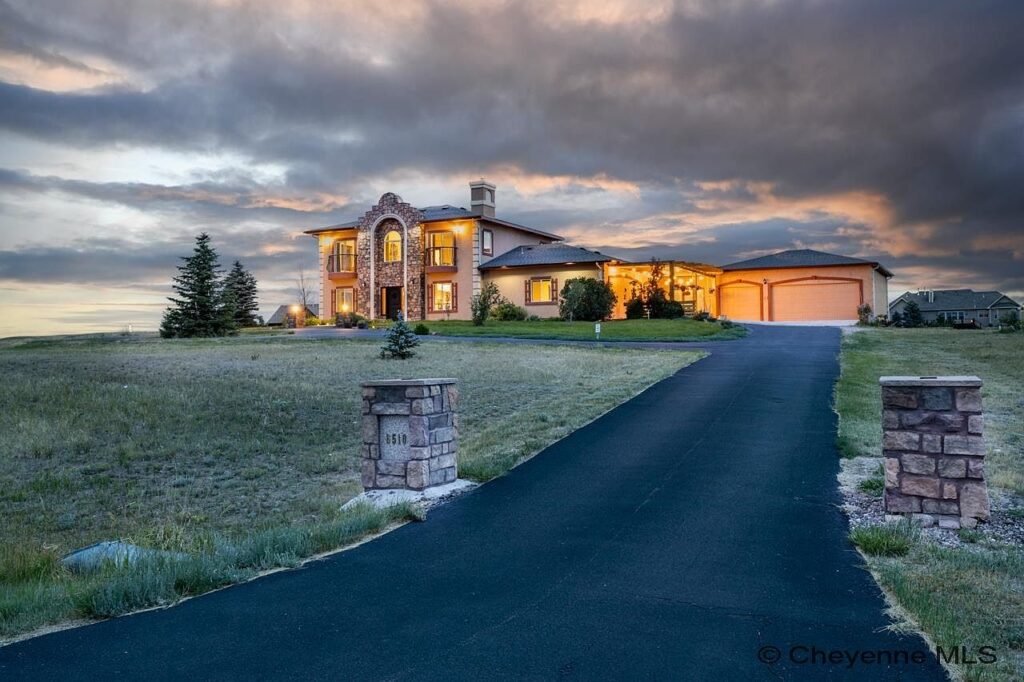
In a major conflict, location could matter more than appearance. A useful home would ideally be away from military bases, key transport hubs, large industrial sites, and very dense urban centers, where disruption or risk could be greater. Distance would not remove all danger, but it could reduce pressure on daily life.
A practical property would also need access to water, durable construction, and enough indoor space to store basic supplies without creating disorder.
In that situation, the best home would not be the most stylish one. It would be the one that offers steadier conditions when outside systems become less dependable.
Shelter Would Need Basic Protective Features
Most homes are built for comfort, not emergency protection. If war created risks from blasts, fallout, or long periods indoors, households would need safer internal areas, such as basements, reinforced rooms, or sheltered spaces with fewer exposed windows and more secure storage.
The aim would not be to turn every house into a bunker. It would be to create safer zones for sleeping, waiting, and managing essential supplies during unstable conditions.
Simple protective features could make a major difference. A home with stronger shelter options would be easier to manage than one designed only around openness and style.
Homes Would Need To Work More Independently
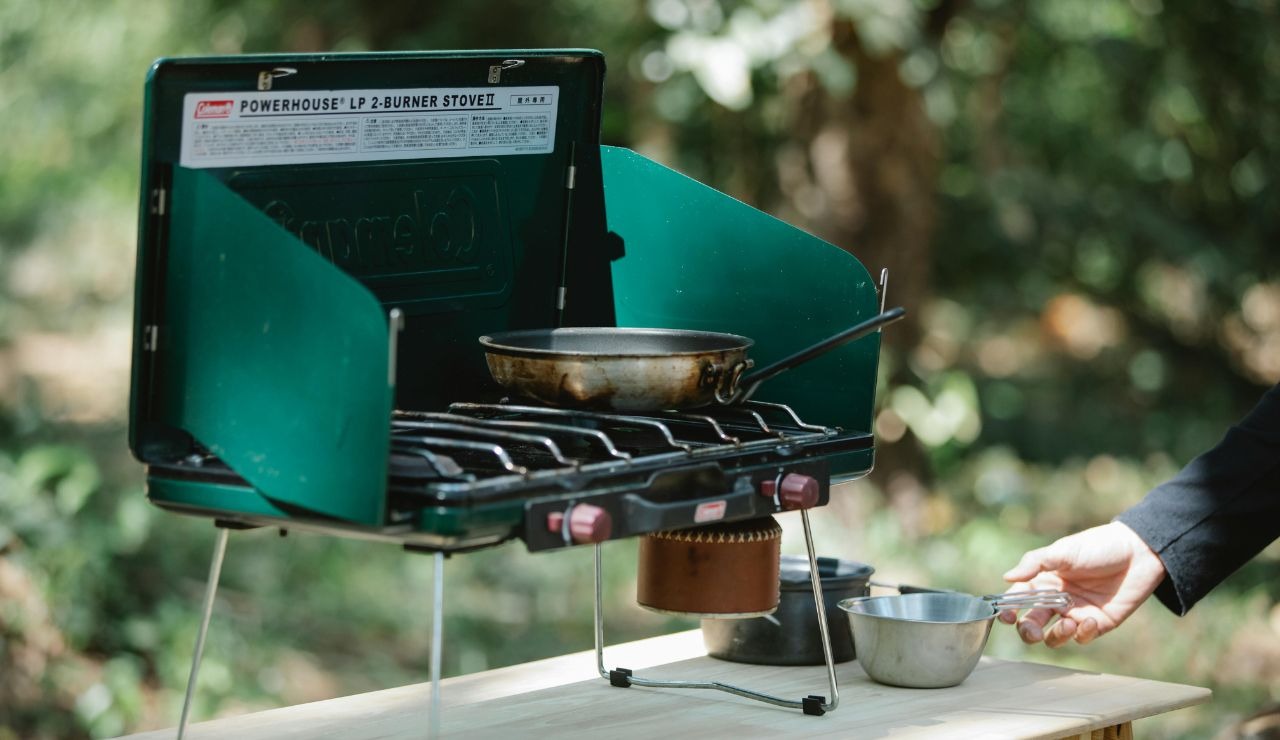
A wartime household could not assume that power, water, mobile service, or deliveries would always work normally. Homes would need backup ways to handle lighting, cooking, heating, sanitation, and communication when public systems were interrupted or heavily delayed.
That could mean stored water, battery-powered lights, manual tools, alternative cooking methods, and backup charging options for essential devices. The focus would be continuity, not comfort.
A home that can keep basic tasks running for days or weeks would be far more stable than one built entirely around uninterrupted outside support and everyday convenience.
Supplies Would Define The Daily Routine
Daily life would likely revolve around supplies more than many people expect. Food, drinking water, medicines, hygiene products, batteries, fuel, and first-aid items would need to be stored carefully, checked often, and replaced before they ran out.
That would also change household habits. Meals might become simpler, shopping more deliberate, and waste less acceptable, especially if some goods become harder to find or more expensive to replace.
In practical terms, the routine would shift toward preservation. Managing essentials well could matter almost as much as having them in the first place during prolonged disruption.
Community And Communication Would Still Matter

Even in a serious crisis, households would not function well through isolation alone. Reliable information, trusted neighbors, nearby family, and simple communication plans could become as important as stored goods, especially if digital systems were disrupted.
Local cooperation may help with transport, updates, shared resources, and solving problems when official systems are slower or less predictable. Community ties would become a practical asset, not just a social extra.
If daily life were shaped by war, resilience would come from preparation and connection. A stable home would depend on supplies, routines, and dependable people nearby.