Etiquette evolves with technology and shifting cultural norms, but changes that feel natural to one generation can seem baffling to another. Younger people have embraced new rules that prioritize efficiency, inclusivity, and personal boundaries, often clashing with traditions Boomers grew up with. While these modern customs aren’t meant to offend, they can feel like abrupt departures from familiar habits. Here are 12 current etiquette trends that often leave Boomers shaking their heads.
1. Text First, Talk Later

For younger generations, sending a text before calling is standard courtesy. It allows the recipient to prepare and respond when convenient, reducing the chance of interrupting important moments. Boomers often see spontaneous calls as friendly and personal, while the pre-text approach feels unnecessarily formal. To digital natives, it’s about respecting time and focus in a world filled with constant notifications, not about avoiding conversation or creating distance between friends and family.
2. Ghosting as a Quiet Exit

While Boomers might prefer direct explanations when ending social or dating connections, younger people sometimes opt for “ghosting” to avoid awkward exchanges. This means ceasing all communication without formal closure. They may view it as the gentlest way to move on, especially in brief or casual relationships. Boomers often find it dismissive, even hurtful. The generational gap here highlights different comfort levels with confrontation, as well as evolving definitions of politeness in personal interactions.
3. Email Formality Fading

Email once required formal greetings, sign-offs, and carefully structured paragraphs. Younger professionals often skip these, treating email more like instant messaging, short, direct, and free of extras. To Boomers, this can come across as rushed or unprofessional, while to younger colleagues it simply matches the pace of work today. They value clarity over ceremony, assuming tone can be softened elsewhere. This change reflects a shift toward speed and utility over tradition in workplace communication.
4. RSVP Means ASAP
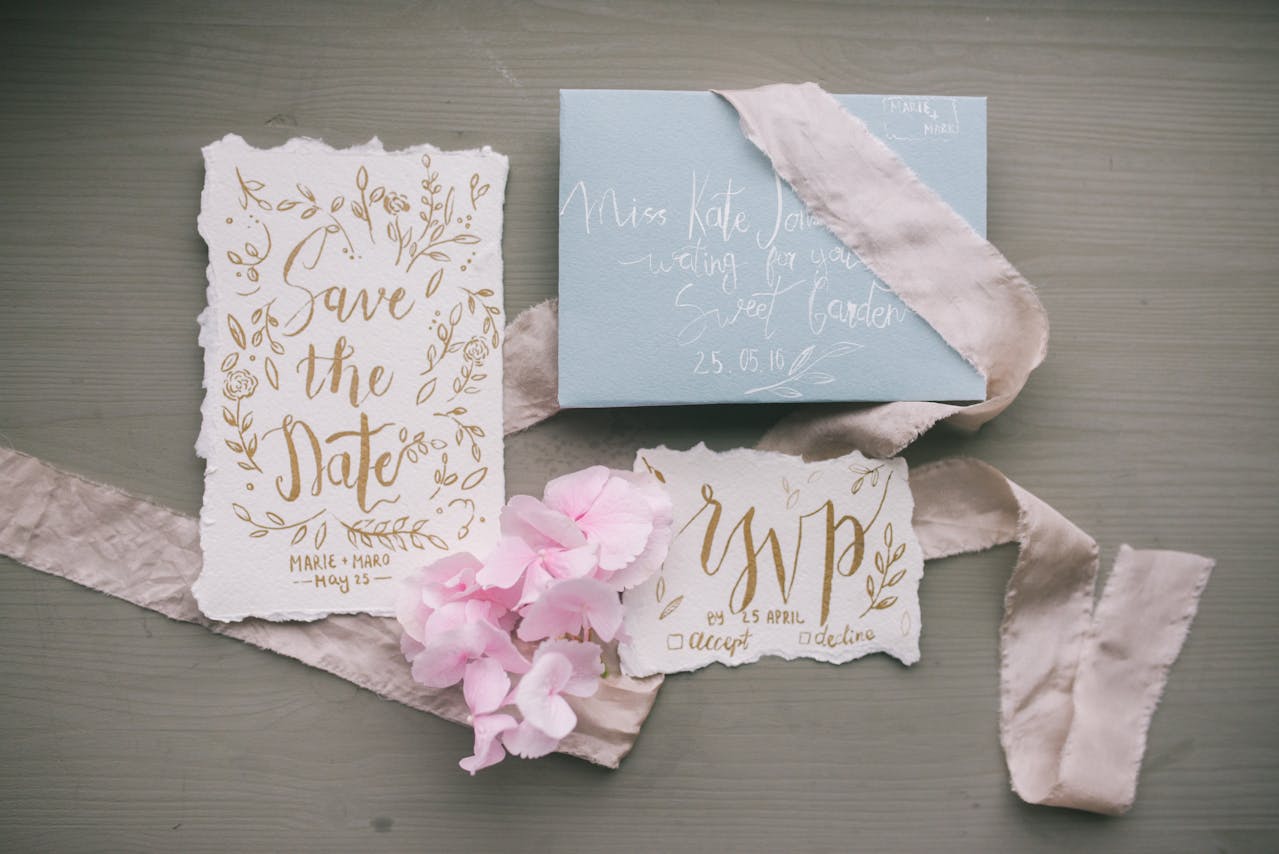
In the past, an RSVP deadline meant you could take your time to decide. Today, many expect responses within a day, or even hours, so they can finalize plans quickly. Digital invites and group chats make it easy to respond instantly, but Boomers might feel pressured by the speed. Younger hosts see it as practical event management, ensuring numbers are confirmed and resources aren’t wasted. The new norm is less about rushing and more about keeping arrangements efficient and stress-free.
5. Digital Thanks Are Enough

Where Boomers might write a handwritten note for gifts, help, or hospitality, many younger people prefer a thoughtful text, email, or direct message. They see it as equally sincere, faster to deliver, and better aligned with everyday communication styles. Boomers sometimes feel this shortcut lacks the personal touch that physical cards bring. For younger generations, it’s about matching gratitude to the medium most often used in their relationships, blending warmth with efficiency.
6. Money Matters Go Digital

Asking friends to pay their share used to involve awkward reminders or splitting cash at the table. Now, sending a quick payment request via Venmo or another app is the norm. For younger people, it’s efficient, accurate, and removes in-person tension. Boomers may see it as blunt or transactional. But digital tools eliminate confusion and delays, making financial exchanges cleaner and more transparent while reducing the emotional discomfort of asking for money face-to-face.
7. Video Call Manners Matter
For many younger professionals, video calls have specific etiquette, muting when not speaking, using chat for quick notes, and showing up camera-ready. Boomers, accustomed to phone meetings, may see these as fussy or unnecessary. But in hybrid work, on-camera behavior affects team perception and flow. The rules aim to keep communication clear and distractions low, helping virtual collaboration feel as polished and respectful as in-person interactions, even if it adds new layers to meeting preparation.
8. Pets in Professional Spaces
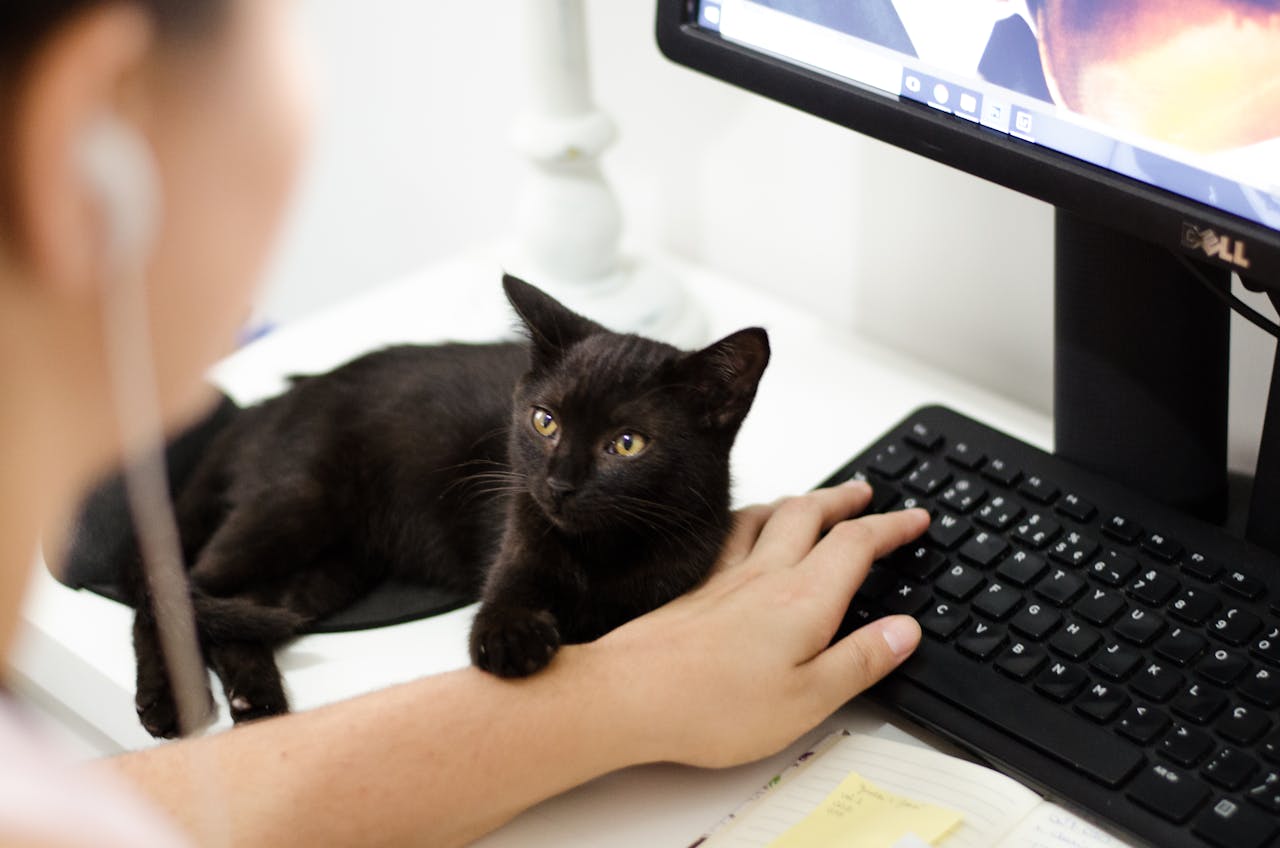
Some modern workplaces welcome pets, creating a casual, home-like atmosphere. Younger employees often see this as a perk that boosts morale and reduces stress. Boomers may find it distracting, unprofessional, or problematic for allergies. The divide reflects different views on what constitutes an appropriate work environment. For supporters, pet-friendly policies foster creativity and connection; for critics, they blur the line between personal life and professional standards, making shared spaces less predictable.
9. Names and Pronouns Matter

Using someone’s correct name and pronouns has become a baseline of modern respect, with many including them in email signatures or introductions. Younger people view this as normal etiquette, while some Boomers may see it as unfamiliar or overly formal. The practice promotes inclusion and signals attentiveness to identity. As workplaces and communities grow more diverse, this simple act helps avoid misunderstandings and builds trust, even if it feels like a new habit to learn for some.
10. Dress Codes Loosen Up

Strict dress codes have given way to “wear what works” policies in many offices and events. Younger people value comfort and personal style, seeing relaxed attire as compatible with professionalism. Boomers may feel it undermines formality and tradition. This change reflects broader shifts toward individuality and results-focused culture, where clothing is secondary to performance. While standards still exist, they are more flexible, aiming to foster authenticity and ease without sacrificing overall respectability.
11. Muting Group Chats
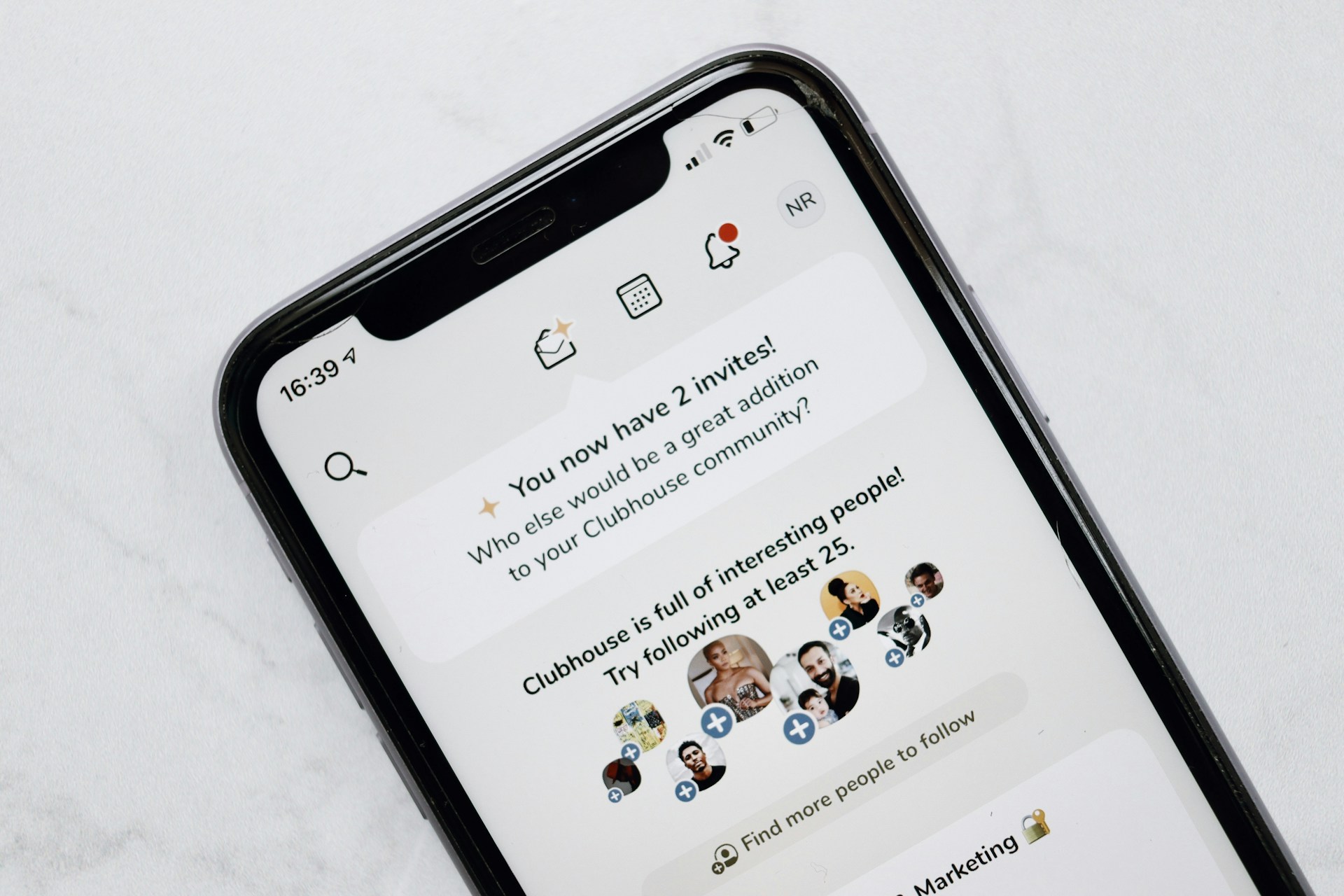
In group text threads, many younger people mute notifications to avoid constant pings. They still check messages, but on their own schedule. Boomers might see delayed responses as ignoring friends, while for younger users it’s a way to protect focus and mental space. Managing digital noise is part of setting boundaries, just as one might choose not to answer the phone during dinner. It’s not about disinterest, but about balancing social connection with personal time.
12. Digital Detox as a Boundary

Taking deliberate breaks from screens and social media has become a valued form of self-care for younger generations. Boomers may see this as antisocial or unresponsive, especially if no explanation is given. But for many, it’s a way to recharge, reduce stress, and return to interactions with fresh energy. Treating digital downtime as personal space mirrors older norms about privacy and rest, just applied to a world where devices are always on and attention is constantly in demand.
Modern etiquette isn’t about rejecting tradition, it’s about adapting to new tools, diverse communities, and faster ways of living. While these shifts can feel abrupt to those raised on different standards, they often serve the same purpose as older rules: showing respect, reducing friction, and creating connection. With open minds, both Boomers and younger generations can find common ground, blending the best of established courtesy with the flexibility needed in today’s changing world.