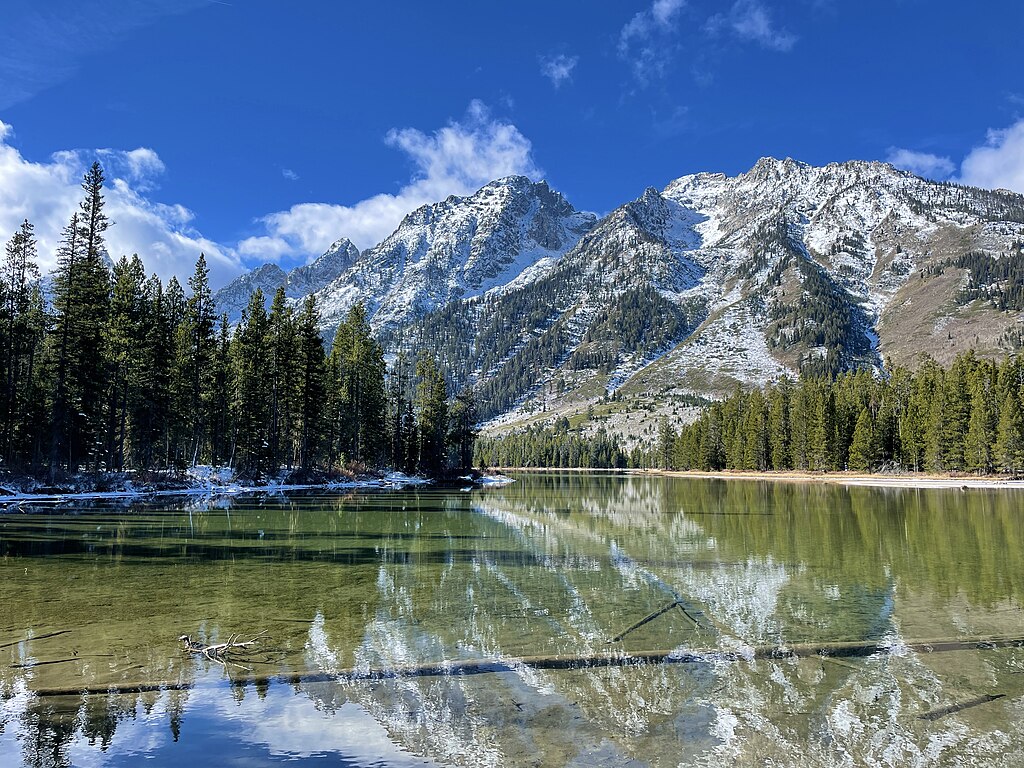
Few adventures capture the spirit of freedom and discovery like a road trip through the American West. Wide highways weave between red rock canyons, alpine lakes, geyser basins, and sweeping sage flats. This 8-stop route collects some of the region’s most iconic national parks and side experiences, arranged so you can savor driving days, short hikes, scenic overlooks, and a mix of well-known highlights and quieter corners. Pack layers, a camera, a sense of curiosity, and time to stop whenever the view asks you to. Here is the ultimate American West national park road trip plan.
Grand Canyon National Park, Arizona
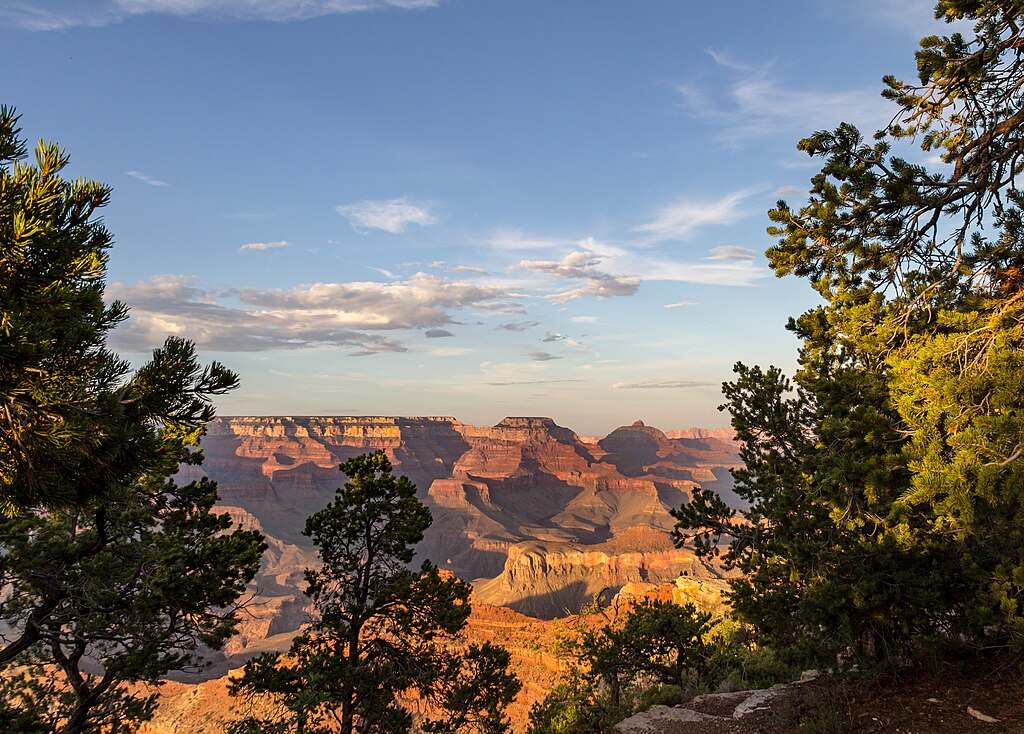
The Grand Canyon is the starting shorthand for epic scale and geological wonder. Standing at the South Rim, the view drops into a layered maze of reds, golds, and purples split by the thin ribbon of the Colorado River. Spend the morning on easy rim walks or at viewpoints like Mather Point, then take a short hike on the Bright Angel Trail to feel the change in temperature and perspective as you move down toward the inner canyon. For a memorable sunrise, plan an early rim visit when the light slashes the cliffs and the crowds are still minimal. If you have time and energy, a mule ride or a helicopter tour offers exceptional ways to experience the canyon differently. The Grand Canyon sets the tone for scale and patience that the rest of the trip rewards.
Zion National Park, Utah
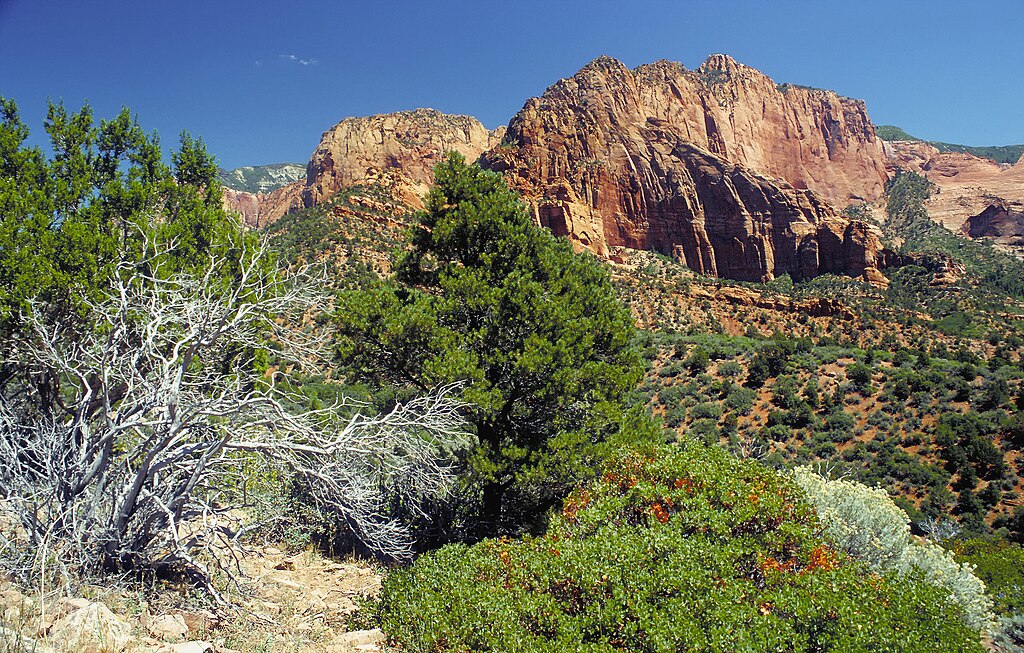
Zion is a dramatic change of pace with narrow sandstone cliffs and a river that carved deep, verdant chasms. Drive up the Zion Canyon Scenic Drive and stop to walk along the river, where accessible trails like the Riverside Walk lead into the famous Narrows corridor. For families and casual hikers, observation points like Canyon Overlook provide big views without long climbs. Hikers who want a challenge can tackle Angels Landing for adrenaline and a view that feels like standing at the top of the world. The park’s shuttle system makes it easy to move between trailheads during busy seasons, and the town of Springdale offers friendly restaurants and gear shops to round out your visit.
Bryce Canyon National Park, Utah
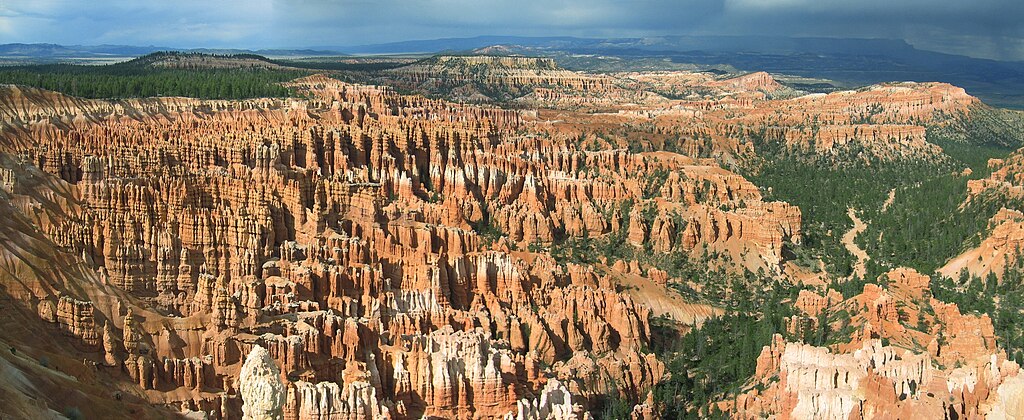
Bryce Canyon is all about hoodoos, the spindly, orange rock towers that make the landscape look almost like a stone forest. The rim overlooks provide striking panoramas at sunrise when the light gives the amphitheaters a surreal glow. For closer encounters, hike the Navajo Loop or Queens Garden trails to drop into the hoodoo amphitheaters and feel dwarfed by the surrounding formations. The park’s high elevation means cooler nights and crisp air, which makes stargazing especially excellent—Bryce is recognized as a prime dark sky site. The combination of otherworldly geology, easy rim trails, and quiet night skies makes Bryce a compact highlight on any western itinerary.
Arches National Park, Utah
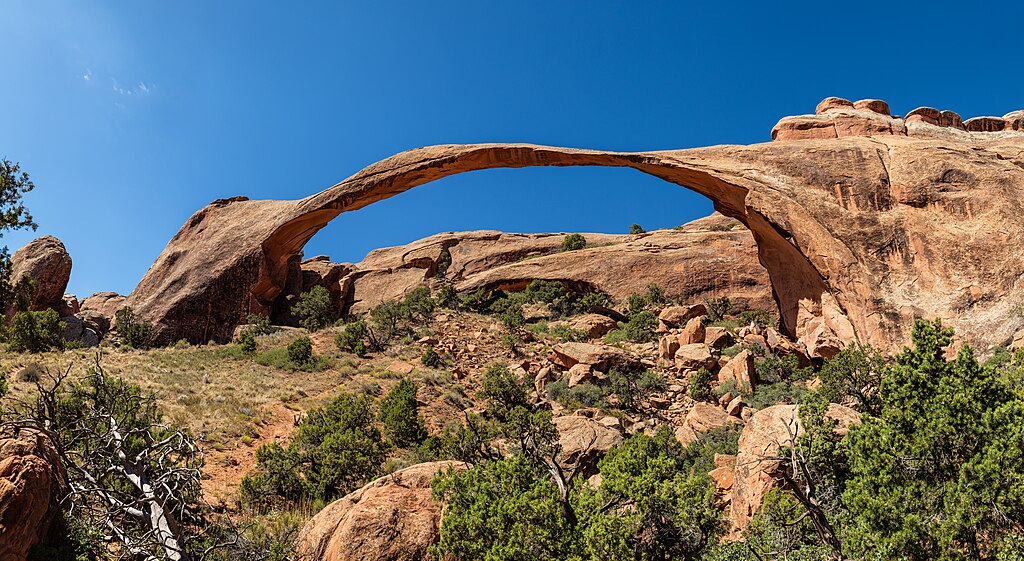
Arches is a playground of natural stone arches, fins, and balanced rocks clustered near Moab. Delicate Arch, the park’s iconic symbol, rewards a moderate hike with a dramatic freestanding arch against open sky. Shorter walks like the Windows and Double Arch trails are perfect for families and photographers, offering easy access to impressive formations. The park’s scale allows for multiple scenic stops in a single day, and sunrise or sunset photography is particularly productive as the light sculpts red rock into warm gradients. Combine a visit here with local outfitters in Moab for canyoneering or off-road adventures if you want a dustier, hands-on experience.
Canyonlands National Park, Utah
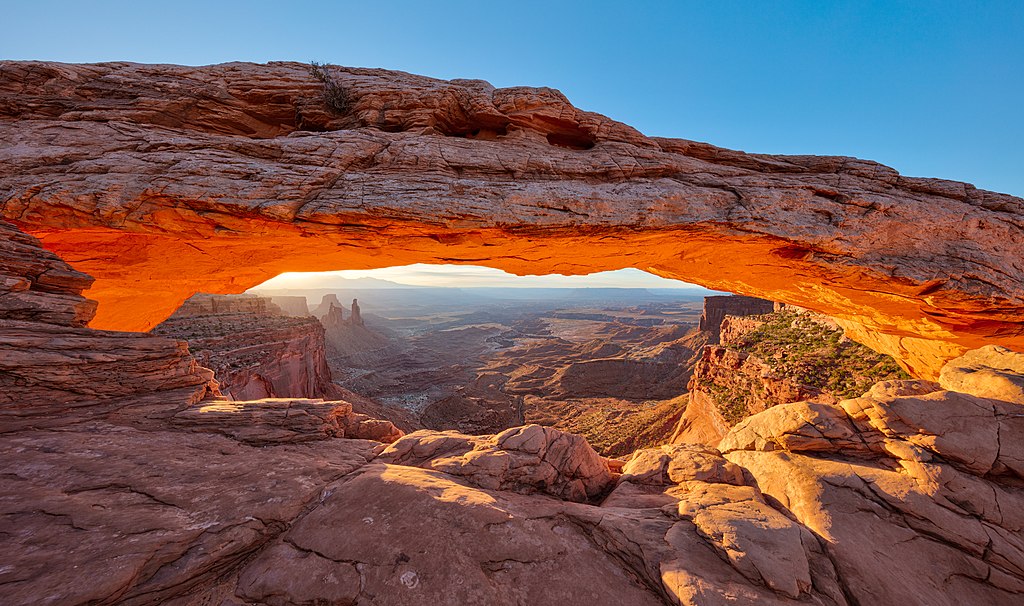
Canyonlands, divided into distinct districts by rivers and desert, is a place of vast, cut landscapes and quiet solitude. The Island in the Sky district provides dramatic overlooks like Mesa Arch and Grand View Point, which offer deep perspectives into river canyons below. For more solitude, head into the Needles district where narrow rock spires and scenic backcountry trails invite multi-day exploration. Road access varies and some roads are high-clearance only, so plan accordingly. Canyonlands rewards slow travel, long shadows, and a sense of remoteness that contrasts with nearby bustling Moab. Bring water, a printed map, and expect brilliant sunsets that emphasize the endless scale.
Yosemite National Park, California
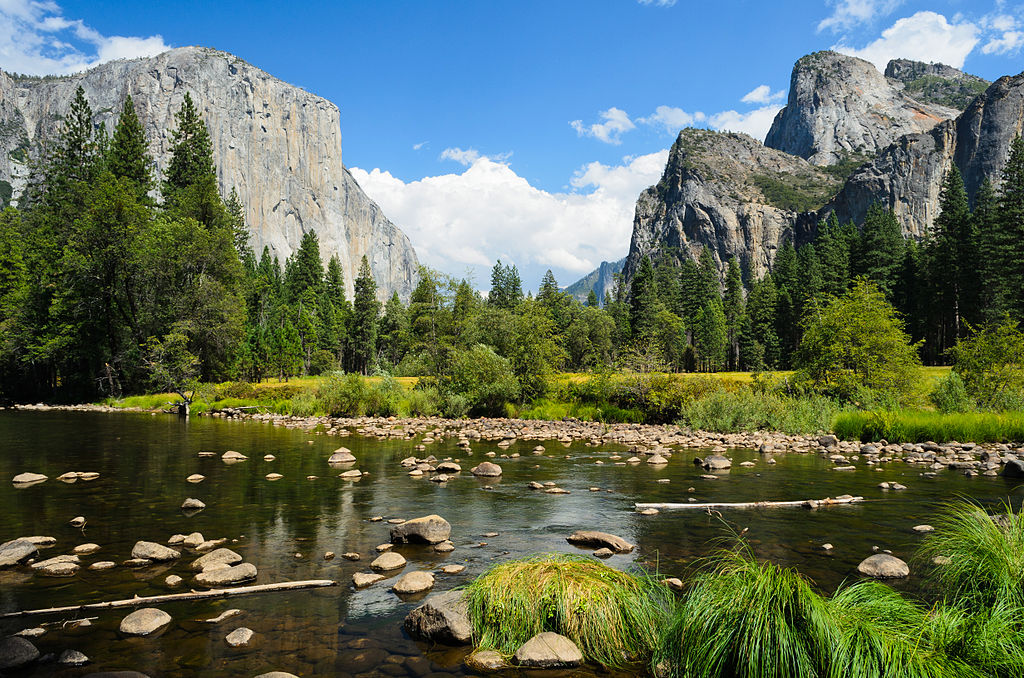
Yosemite is a mountain-meets-valley masterpiece with towering granite monoliths, roaring waterfalls, and ancient giant sequoias. Start in Yosemite Valley to see icons like El Capitan and Half Dome up close, and stroll to Yosemite Falls for thunderous water flow in spring and early summer. Scenic drives along Tioga Road and Glacier Point Road reveal alpine meadows and high country lakes, perfect for hikers who want cooler air and wildflower displays. The park’s mix of easy valley trails and serious climbing lines means it appeals to a wide range of visitors. Reservations and some road closures can apply seasonally, so plan ahead and schedule time for the valley’s quieter early mornings and late afternoons.
Yellowstone National Park, Wyoming
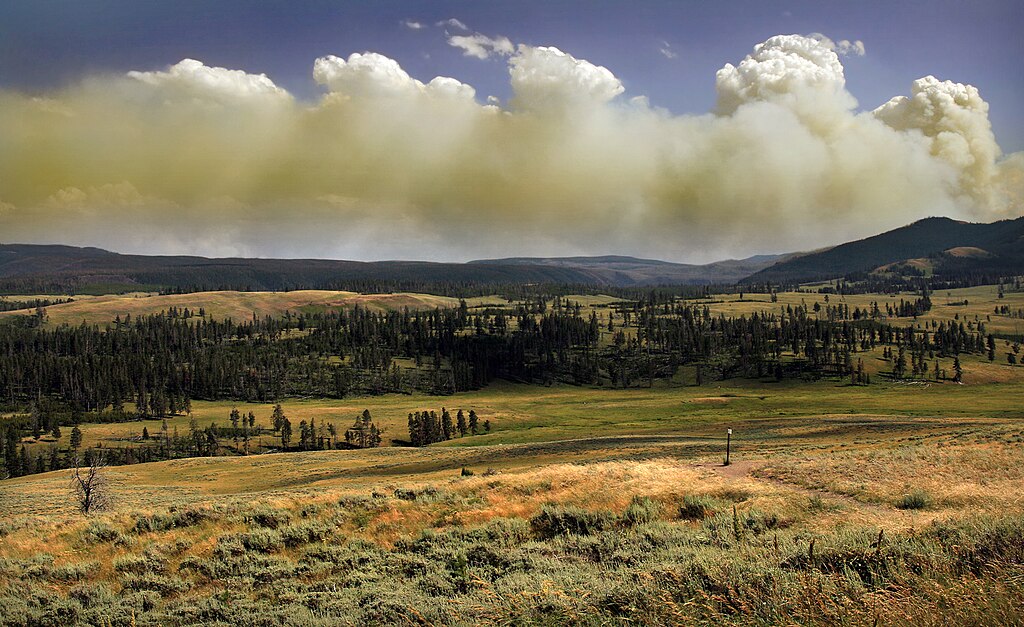
Yellowstone is a geothermal wonderland that combines geysers, hot springs, bubbling mud pots, and abundant wildlife. Old Faithful reliably delights visitors with predictable eruptions, while the Grand Prismatic Spring stuns with surreal rainbow rings of color. Wildlife watching in Lamar Valley and Hayden Valley offers chances to see bison, elk, wolves, and bears—viewing from a safe distance is essential and ranger talks help with etiquette. The park’s roads connect a variety of thermal basins and scenic loops, but expect slow travel times due to wildlife and crowds in peak season. Yellowstone’s raw, bubbling energy showcases the Earth’s inner forces in a way no other park can match.
Grand Teton National Park, Wyoming
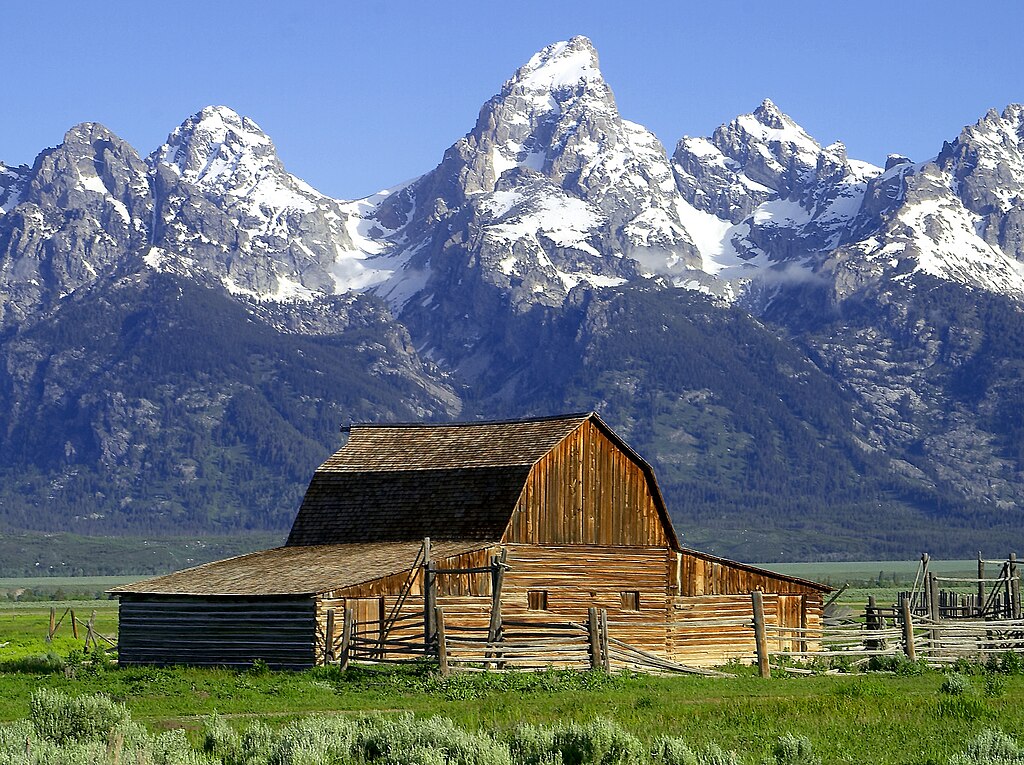
Finish the trip with Grand Teton’s jagged skyline reflected in placid alpine lakes. The Tetons rise almost directly from the valley floor, creating dramatic mountain photography and accessible hikes like the Taggart Lake and Jenny Lake loops. Scenic drives along Teton Park Road and Highway 191 provide postcard views and pullouts for sunrise photos. Grand Teton pairs well with Yellowstone for wildlife viewing, canoeing, and relaxed mountain time. The small towns nearby offer cozy lodges, local art, and hearty meals that celebrate Western hospitality. Ending here provides a tranquil alpine counterpoint to the deserts and canyons earlier on the route.
This eight-stop route blends scale with detail and offers a mix of famous viewpoints, hands-on trails, and local towns that make the West feel both wild and surprisingly approachable. Timing, seasonal road access, and reservations can shape the experience, so plan logistics and leave space for spontaneous stops. Whether you chase sunrises at canyon rims, steam vents in geothermal fields, or reflected peaks in quiet lakes, the American West’s national parks reward travelers who slow down, look closely, and remember that the journey is as important as the destinations.