Halloween has always been more than costumes and candy. Behind its eerie imagery lies centuries of folklore, superstition, and cultural symbolism. Every pumpkin, ghost, and black cat has roots in ancient fears, harvest rituals, or old-world traditions meant to ward off evil. Over time, these symbols evolved into the fun and frightful decorations we know today. Here’s a look at the deeper meanings behind fifteen of the most iconic Halloween figures that continue to haunt and enchant our imaginations each October.
1. Jack-o’-Lanterns
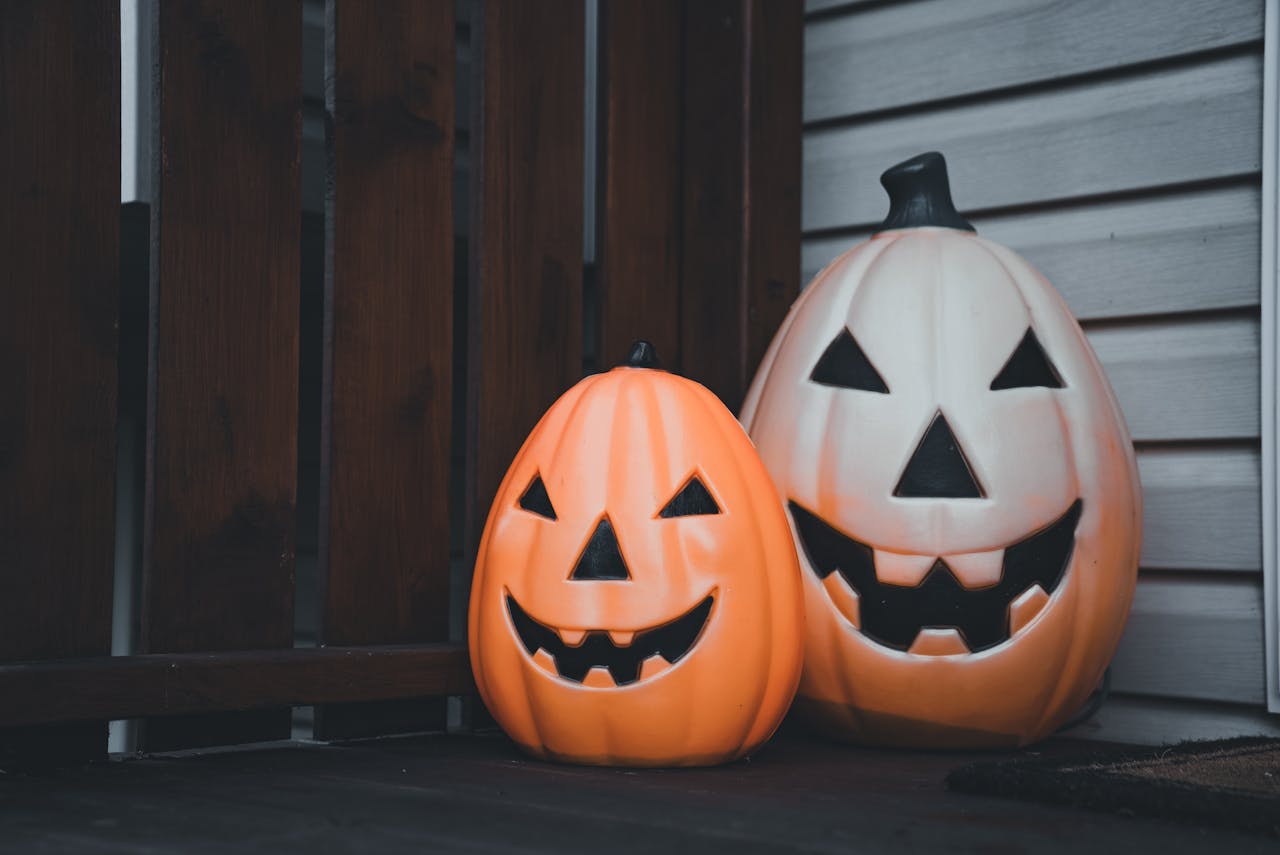
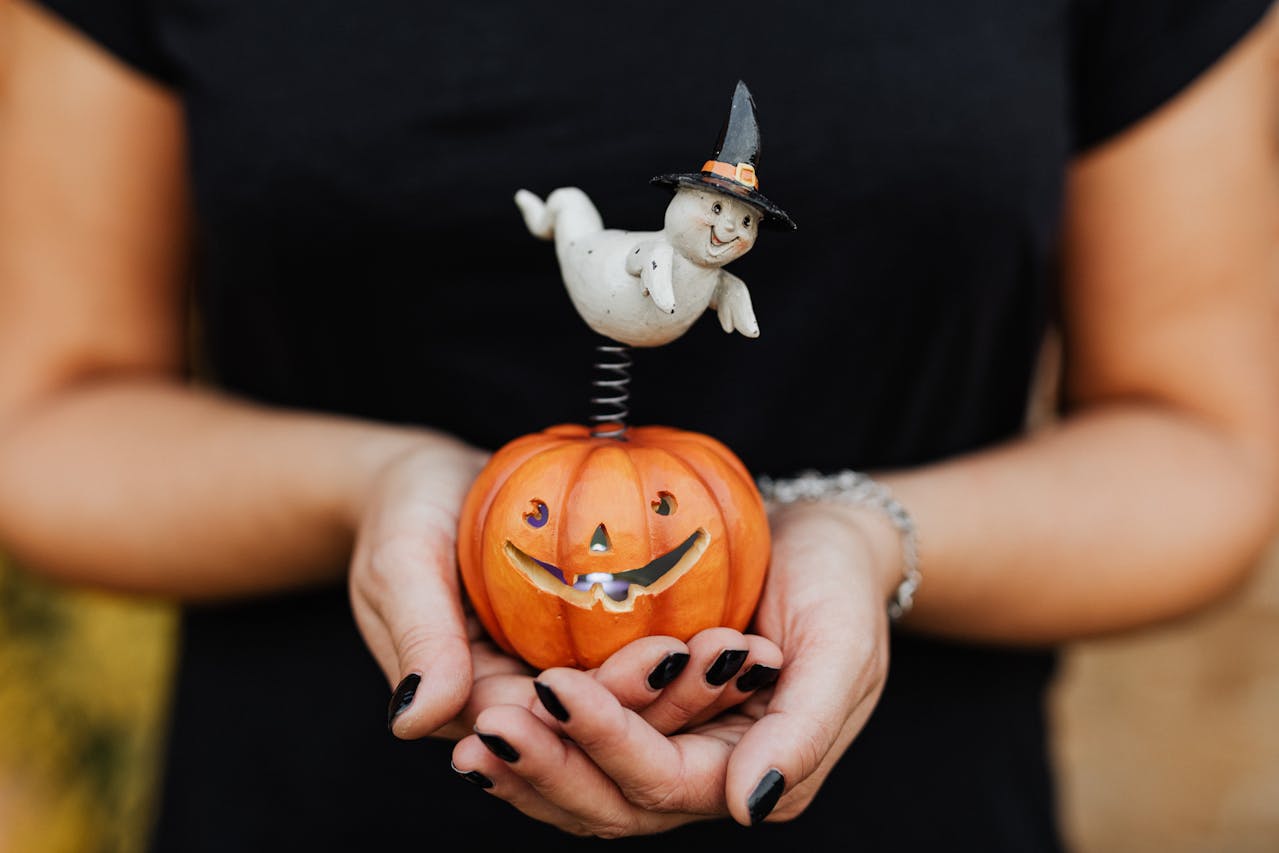
The glowing pumpkin faces that light up porches trace their origins to Irish folklore. The story of “Stingy Jack,” a man who tricked the devil and was doomed to roam the earth with only a carved turnip lantern, inspired the tradition. When Irish immigrants came to America, they found pumpkins easier to carve. The light inside the jack-o’-lantern was believed to guide lost souls or keep malevolent spirits away. Today, it remains a cheerful yet eerie symbol of protection and the blurred line between life and the afterlife.
2. Black Cats
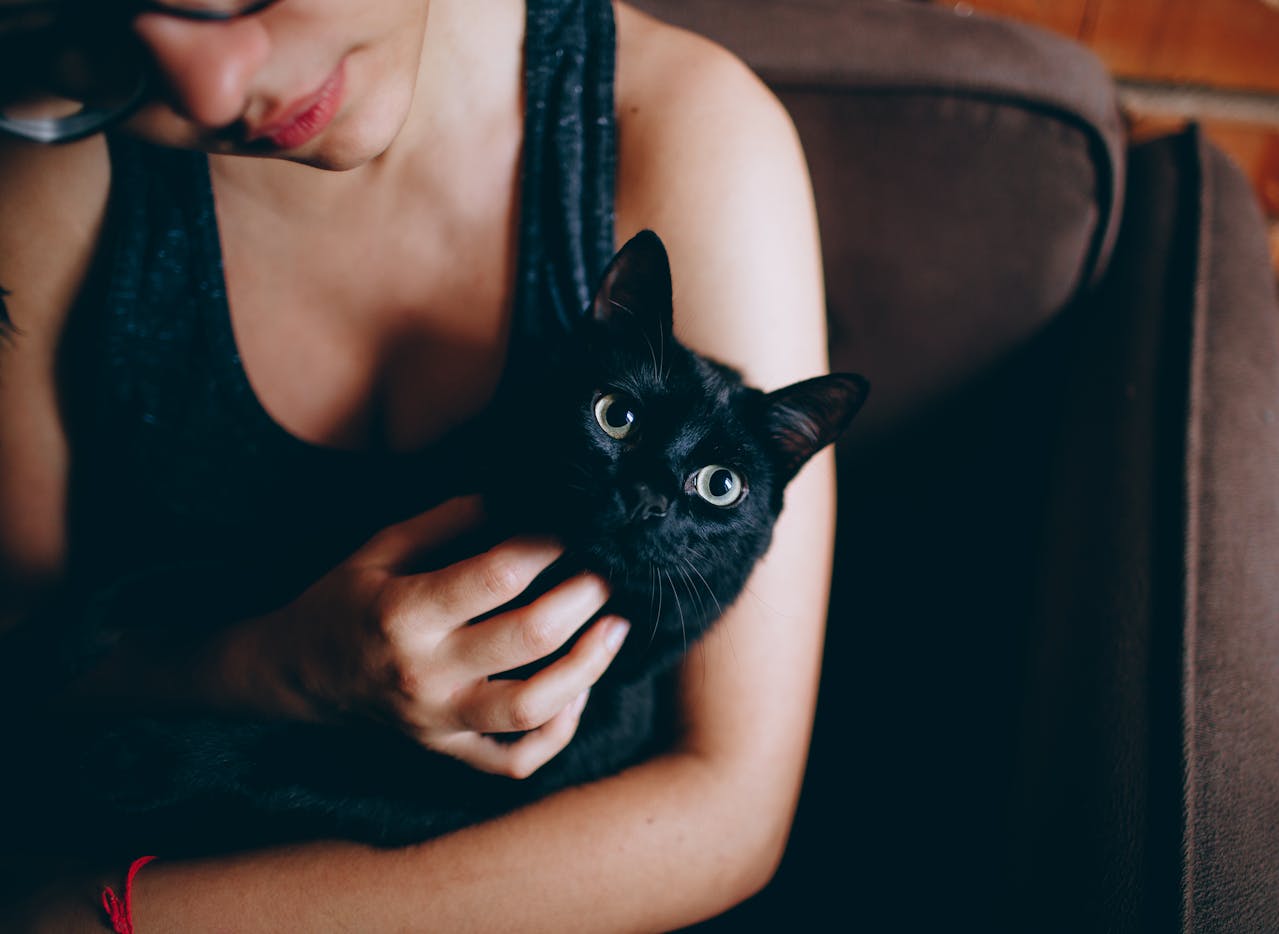
Black cats have long been linked to magic and mischief. In medieval Europe, they were thought to be witches’ companions or even witches in disguise. Their nocturnal nature and mysterious demeanor fed fears of the supernatural. Yet in some cultures, black cats are symbols of luck and prosperity. During Halloween, they represent the mystery of the night and the thin veil between the natural and supernatural worlds. Despite their spooky reputation, they remind us of ancient beliefs in omens and unseen forces that once governed human fears.
3. Ghosts
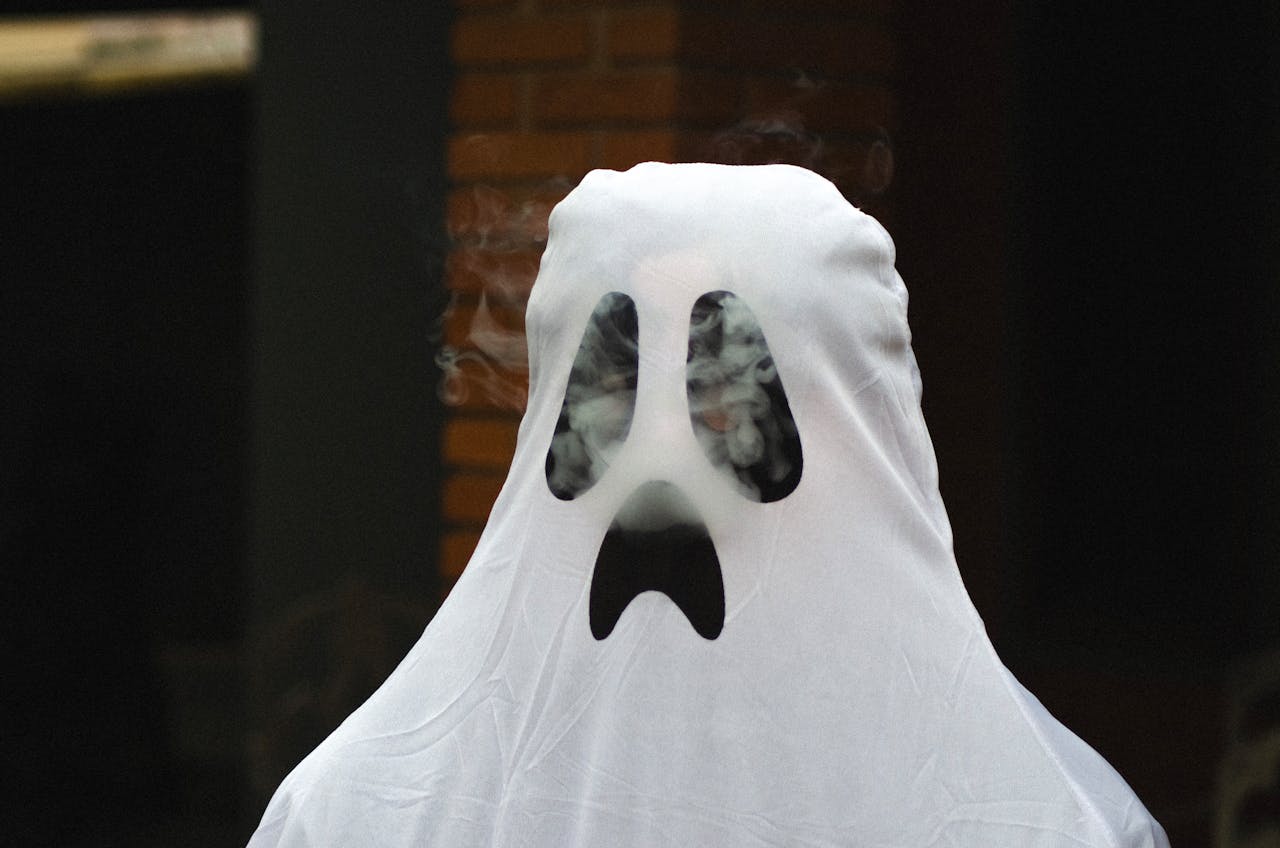
Ghosts are the most universal of Halloween icons. They embody the lingering presence of the dead and the idea that the soul can remain tied to the mortal world. The tradition of dressing as ghosts may have originated from Celtic Samhain festivals, where people wore costumes to confuse spirits. In modern times, ghosts symbolize memory, regret, and unfinished business. Their presence at Halloween connects us with the ancient idea that this is a night when the living and the dead briefly share the same world, if only for a haunting moment.
4. Witches
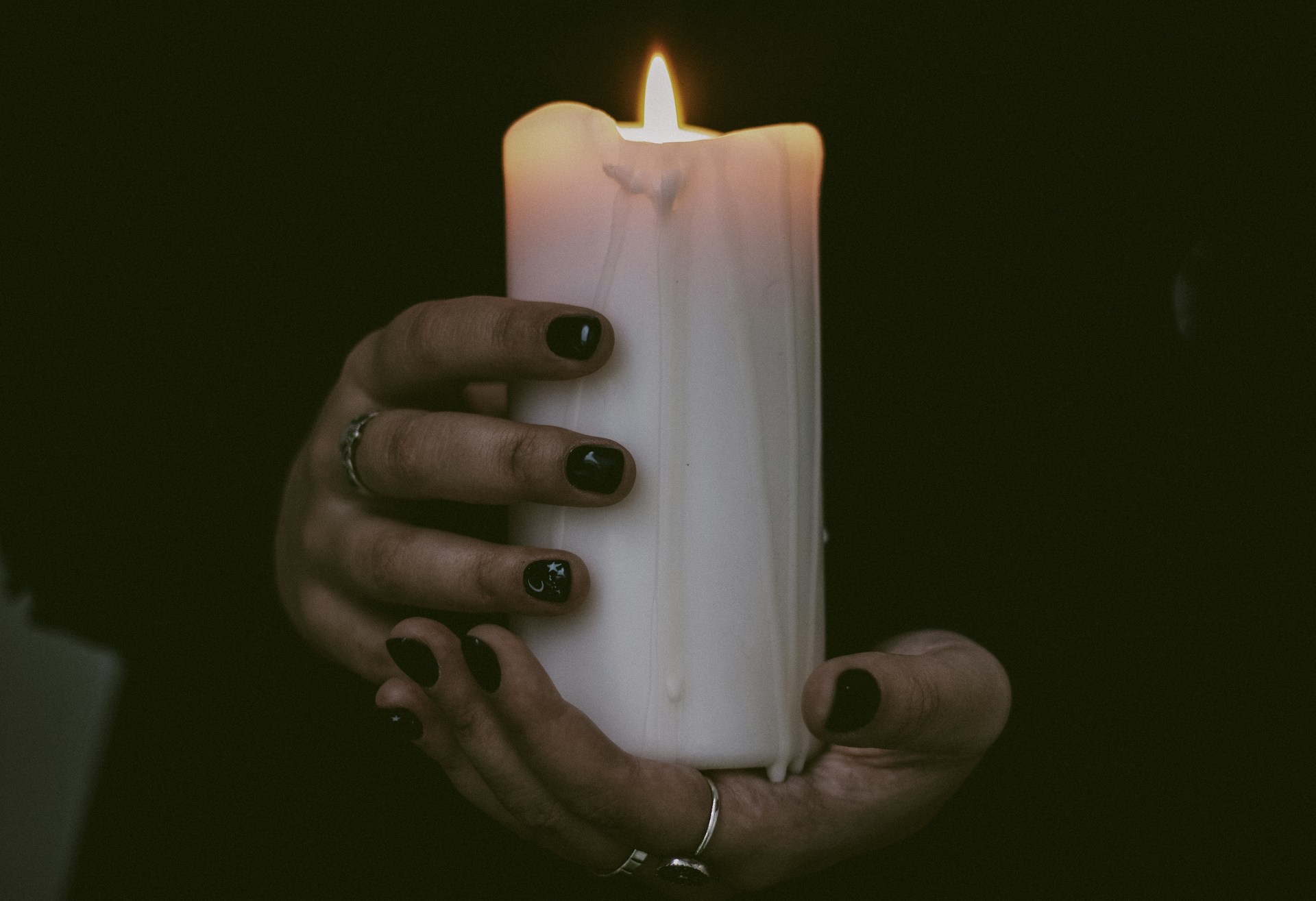
Witches symbolize female power, transformation, and the fear of the unknown. Historically, they were seen as healers and wise women before persecution turned them into figures of evil. Their image, pointed hats, brooms, and bubbling cauldrons, comes from medieval superstition and folklore. The broom represents flight and freedom, while the cauldron symbolizes rebirth and creativity. On Halloween, witches stand as reminders of how society once punished what it could not understand. They are both feared and admired, representing mystery, intuition, and the strength to challenge convention.
5. Bats
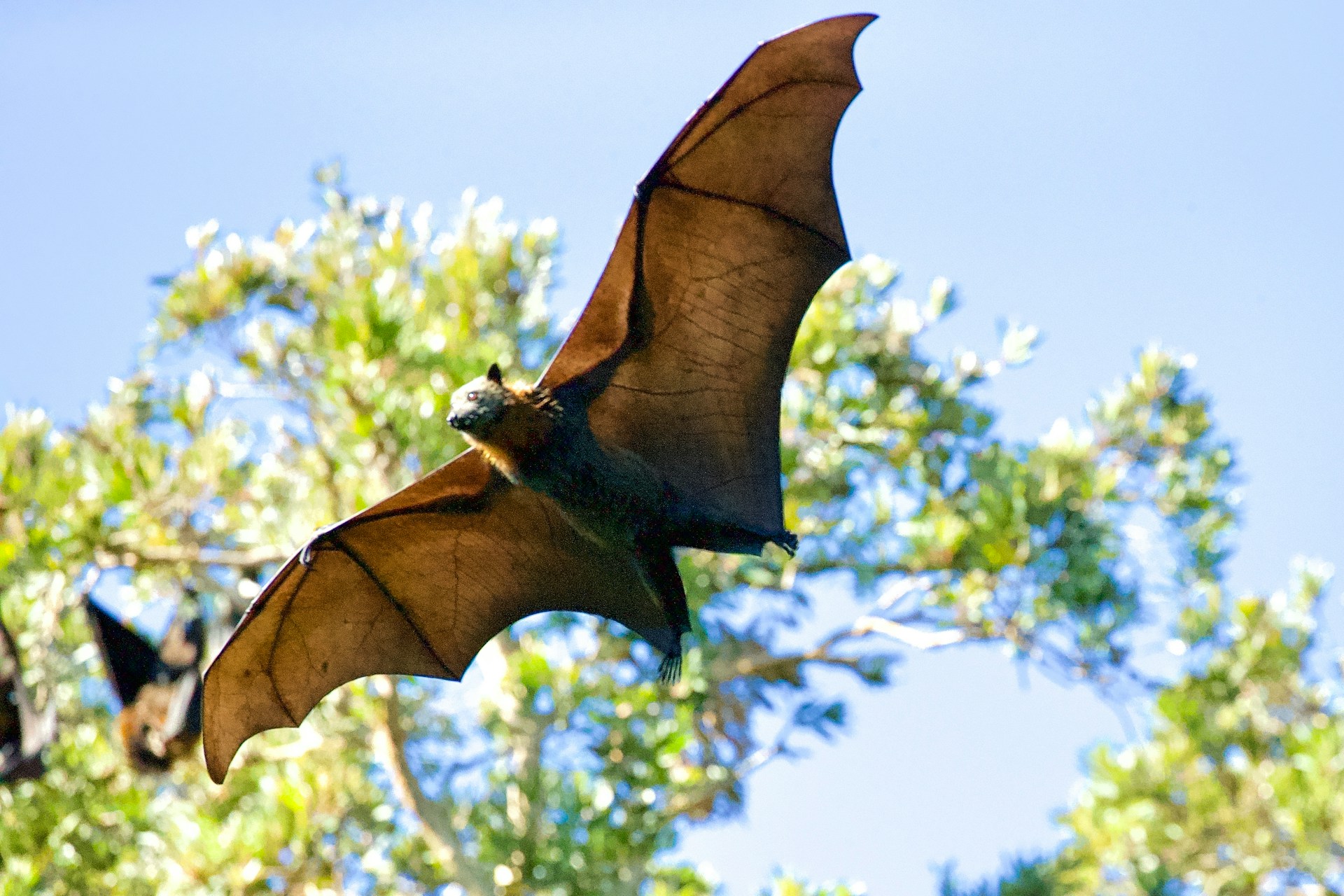
Bats became associated with Halloween through both nature and mythology. These nocturnal creatures often inhabit caves and dark places, symbols of the underworld and transformation. Because they fly at night and hang upside down, ancient cultures linked them with rebirth and renewal. Their connection to vampires came from Gothic literature, especially Bram Stoker’s “Dracula.” On Halloween, bats represent darkness, night creatures, and the strange beauty of the unseen. They remind us that what frightens us can also be fascinating when seen in a new light.
6. Skeletons
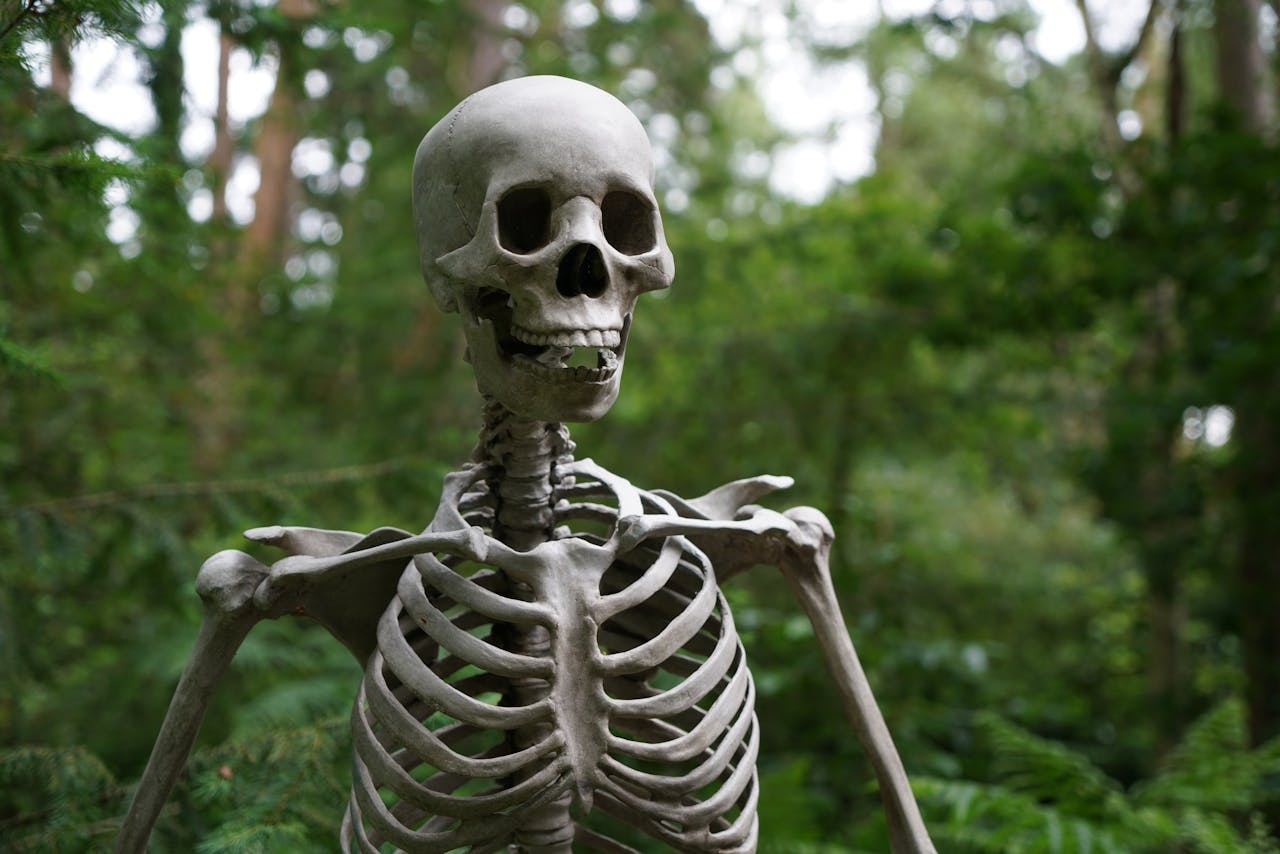
Skeletons are stark reminders of mortality, yet they also symbolize renewal. In ancient traditions, bones represented the eternal part of the human form that could not decay. During Halloween, skeletons dance between humor and horror, reminding us of the inevitability of death while allowing us to laugh at it. Their imagery comes from medieval “Dance of Death” art, which depicted skeletons leading people from all walks of life. They serve as playful, eerie symbols of the cycle of life and death that Halloween celebrates.
7. Spiders
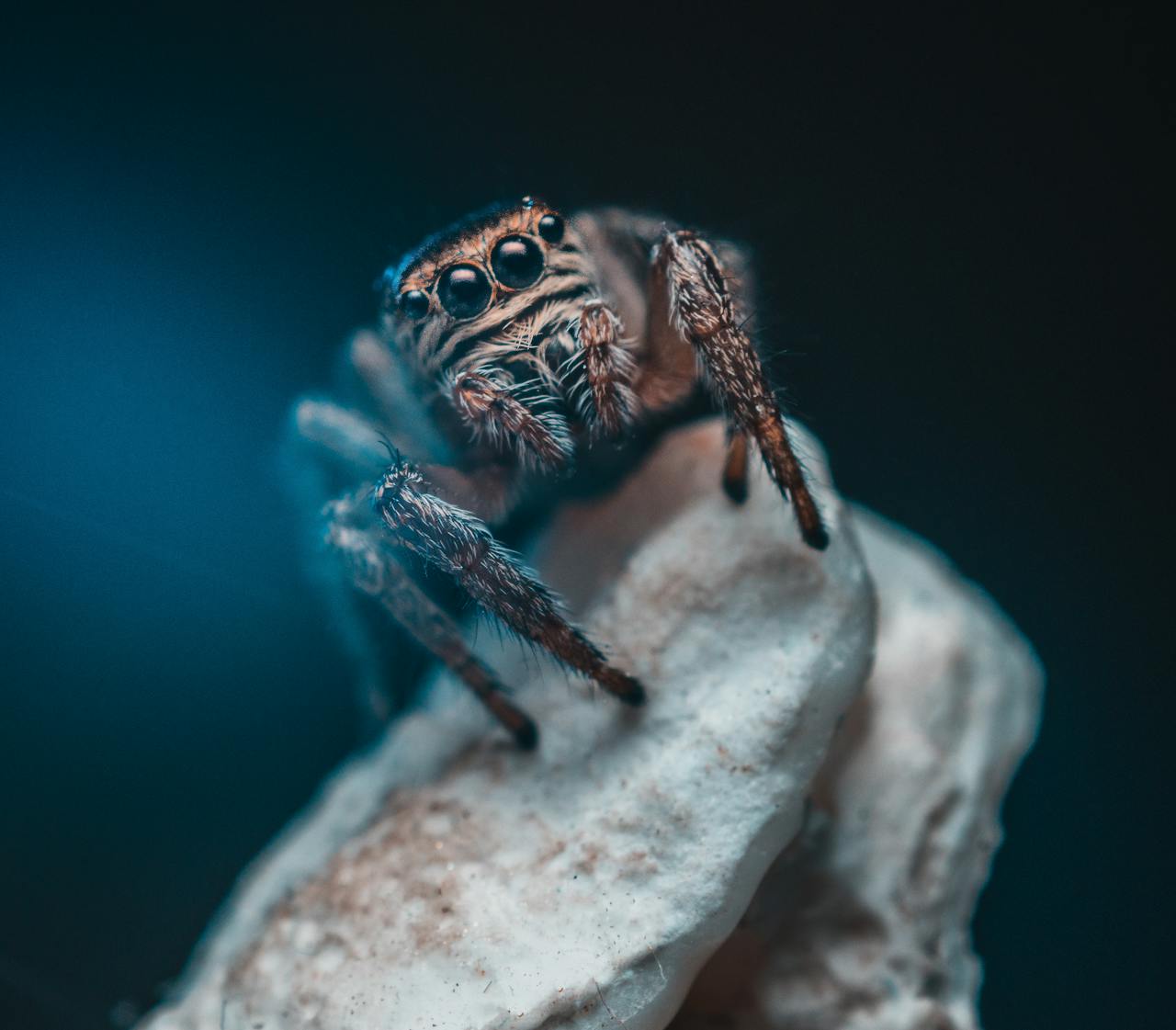
Spiders have long symbolized patience, creativity, and fate. Ancient cultures saw them as weavers of destiny because of their intricate webs. During the Halloween season, their dark and shadowy presence makes them perfect for tales of mystery. Their ability to lurk quietly and strike suddenly evokes fear of hidden dangers. In folklore, spiders were sometimes linked to witches or omens, depending on the culture. Whether admired for their skill or feared for their stealth, spiders embody the fine line between creation and destruction, a central theme of Halloween.
8. Full Moon
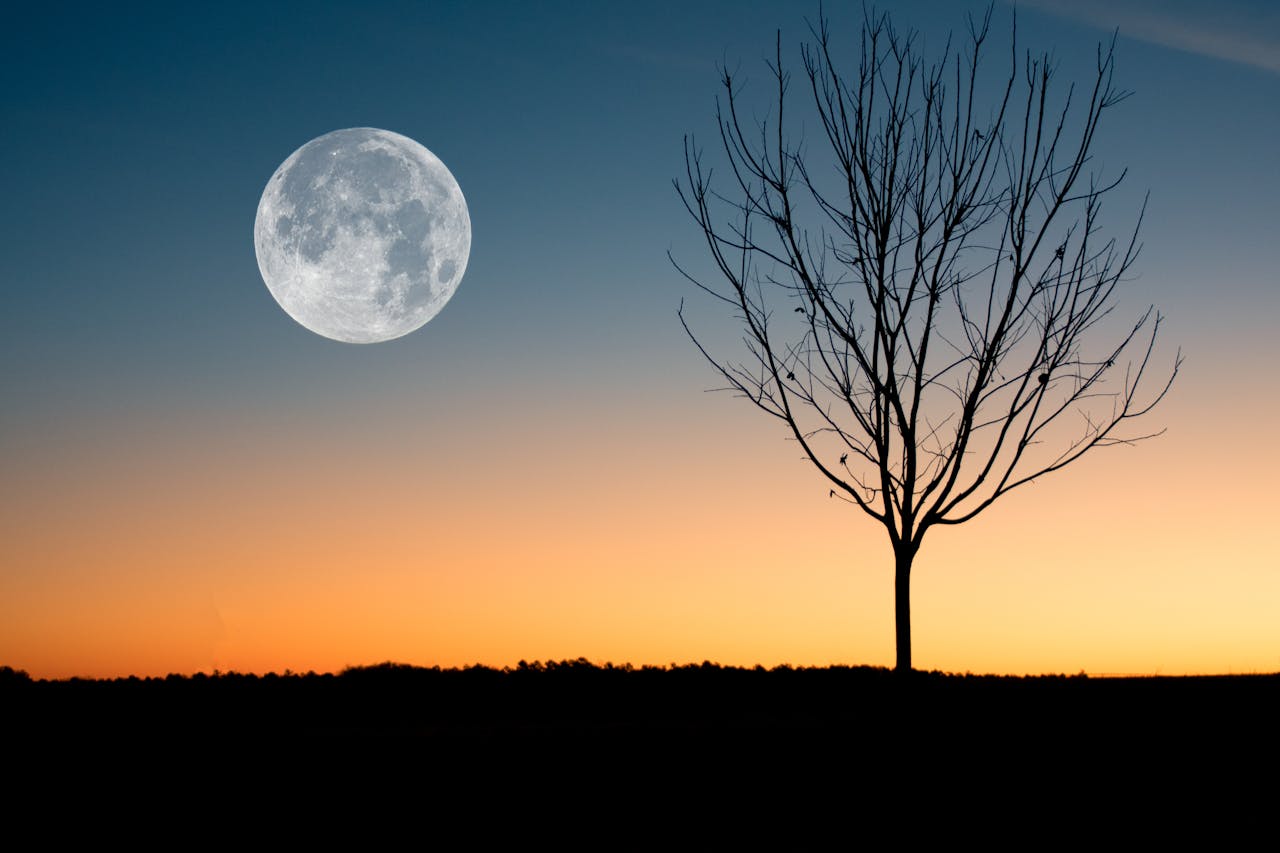
The full moon has always been a powerful symbol of transformation and magic. In many cultures, it marks a time when the supernatural world becomes more active. Myths of werewolves and witches gathering under moonlight gave it an eerie reputation. The brightness of the moon in the dark sky also symbolizes illumination in mystery and the cyclical nature of life. On Halloween, it represents heightened emotion and energy, reminding us of how nature itself contributes to the season’s enchantment and sense of eerie anticipation.
9. Owls
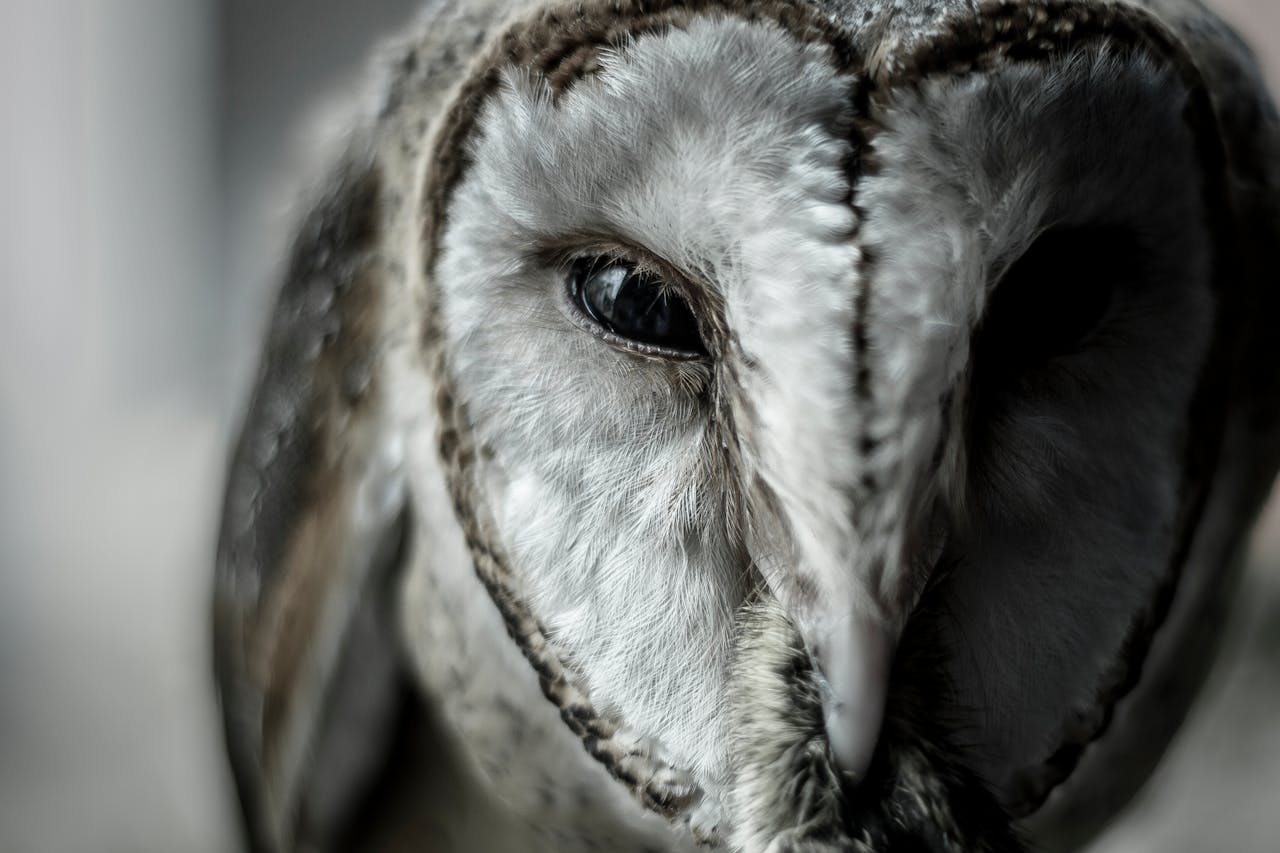
Owls, with their haunting calls and piercing eyes, are symbols of wisdom and watchfulness. In ancient times, they were thought to be omens of death or guides for lost souls. Their ability to see through darkness made them both feared and revered. On Halloween, owls represent knowledge of hidden truths and the mysterious forces that operate at night. Their silent flight and nocturnal nature make them perfect emblems of the season, serving as guardians of secrets and messengers between worlds.
10. Scarecrows
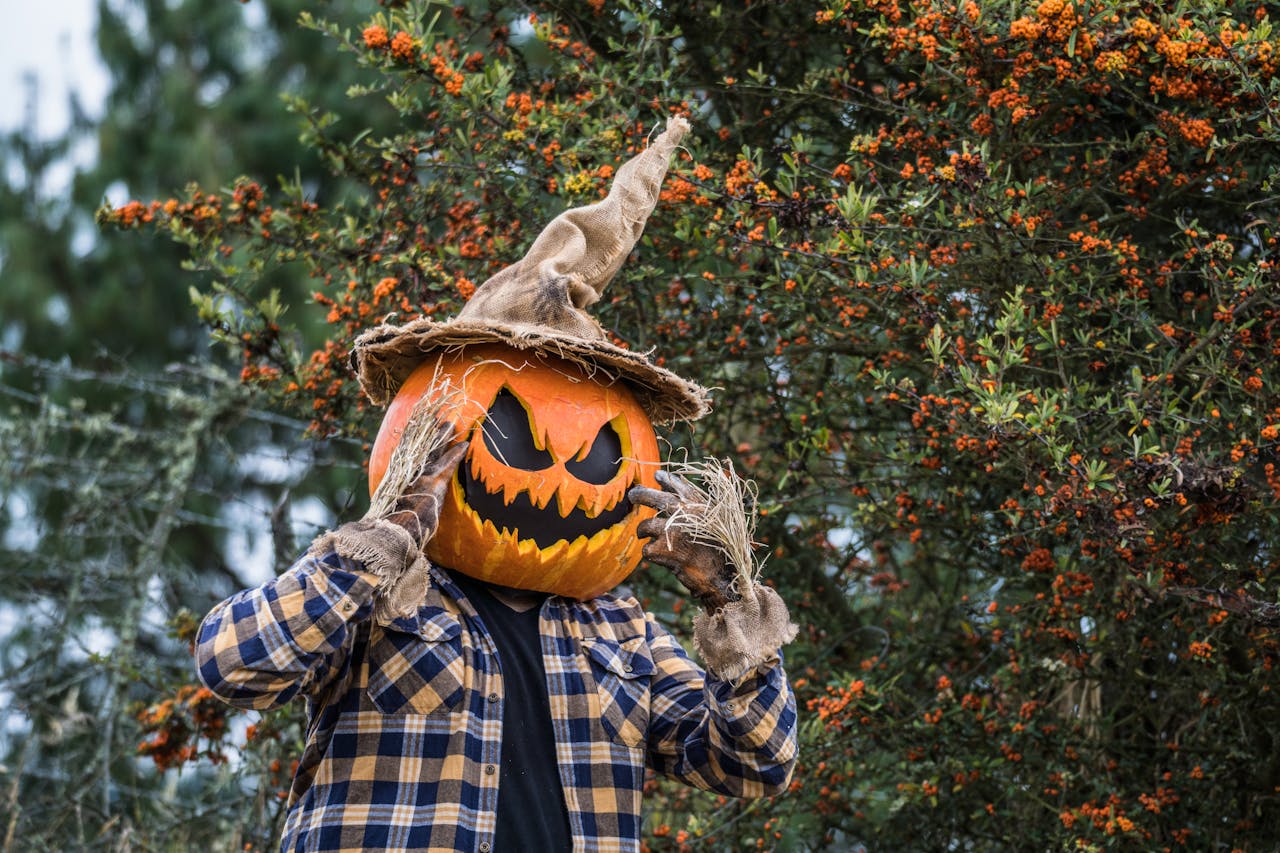
Scarecrows stand at the crossroads of harvest and haunting. Originally used to protect crops, their human-like shapes in empty fields made them uncanny symbols of loneliness and fear. Folklore sometimes portrayed them as spirits that came to life under the moonlight. On Halloween, they represent the changing seasons, the end of the harvest, and the fine line between protection and terror. Their straw-filled forms remind us of humanity’s connection to the earth and the haunting quiet that comes when the fields finally fall still.
11. Vampires
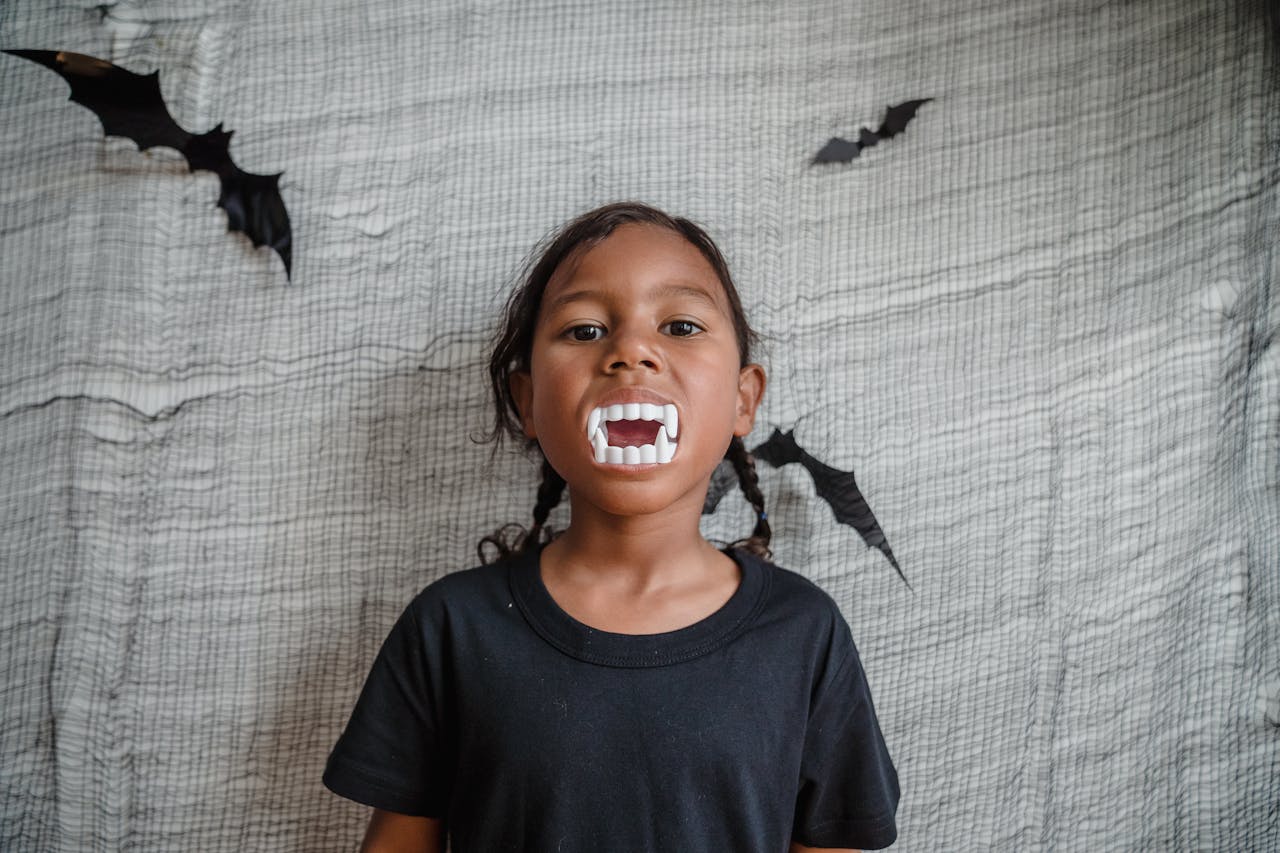
Vampires symbolize immortality, seduction, and the fear of the unknown. Emerging from Eastern European legends, they became icons of gothic horror through literature and film. Their thirst for blood represents humanity’s darker desires and the price of eternal life. On Halloween, vampires embody transformation, forbidden attraction, and our fascination with mortality. They blur the line between predator and victim, making them one of the most complex symbols of the season. They remind us that beneath the surface of fear often lies temptation and curiosity.
12. Werewolves
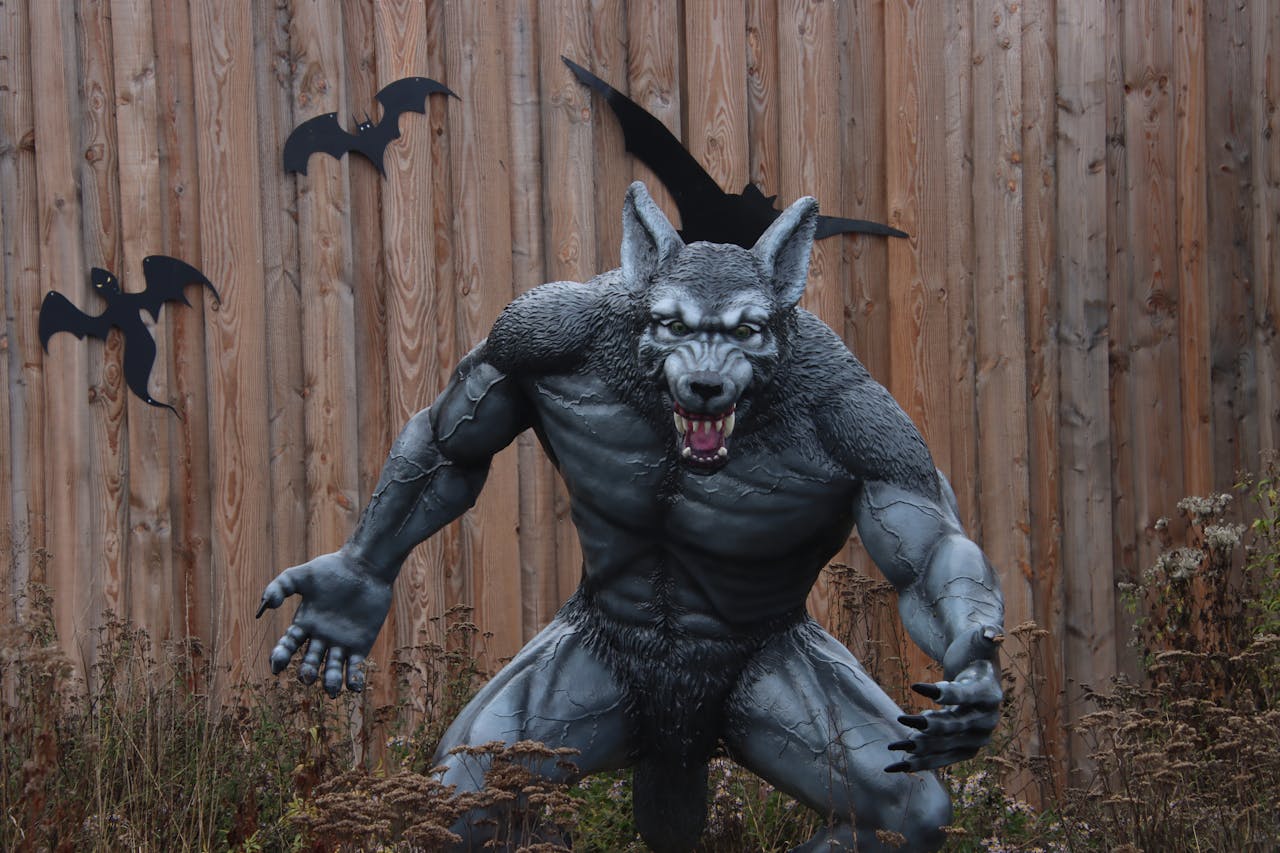
Werewolves represent the duality of human nature, torn between civility and primal instinct. The myth of humans turning into wolves during a full moon reflects our inner struggles with anger and control. During Halloween, the werewolf serves as a metaphor for the beast within us all. Folklore paints them as tragic figures cursed by fate, unable to escape their transformation. Their story endures because it captures the tension between man and monster, showing that horror often begins within the human heart.
13. Candles
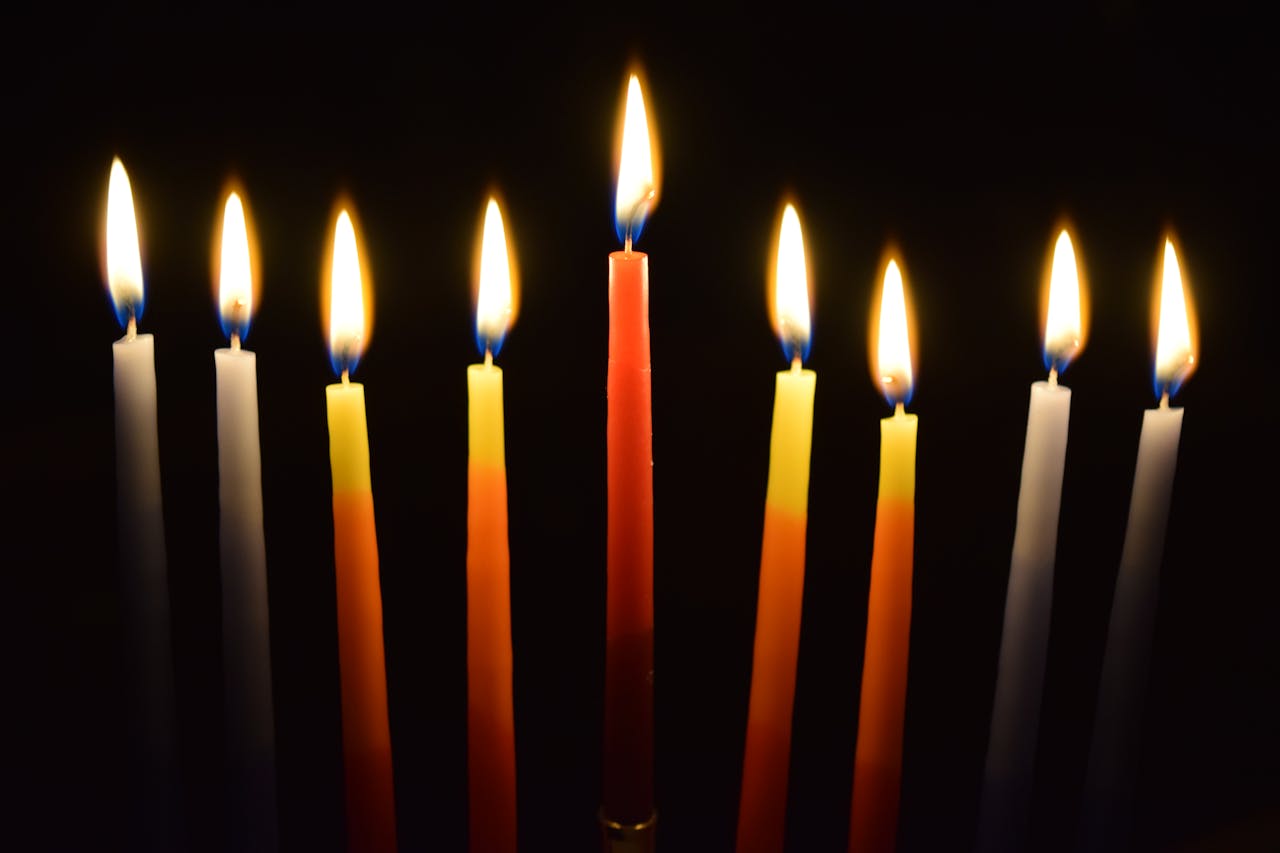
Candles are one of Halloween’s oldest symbols, representing light in the darkness. In Celtic traditions, candles were placed in windows to guide spirits home or keep malevolent ones away. Their flickering flame reminds us of life’s fragility and the eternal human desire to find comfort in illumination. In modern celebrations, candles create atmosphere and warmth, balancing fear with serenity. Their glow ties back to ancient rituals of remembrance and protection, giving them a timeless spiritual significance that continues to brighten Halloween nights.
14. Cobwebs
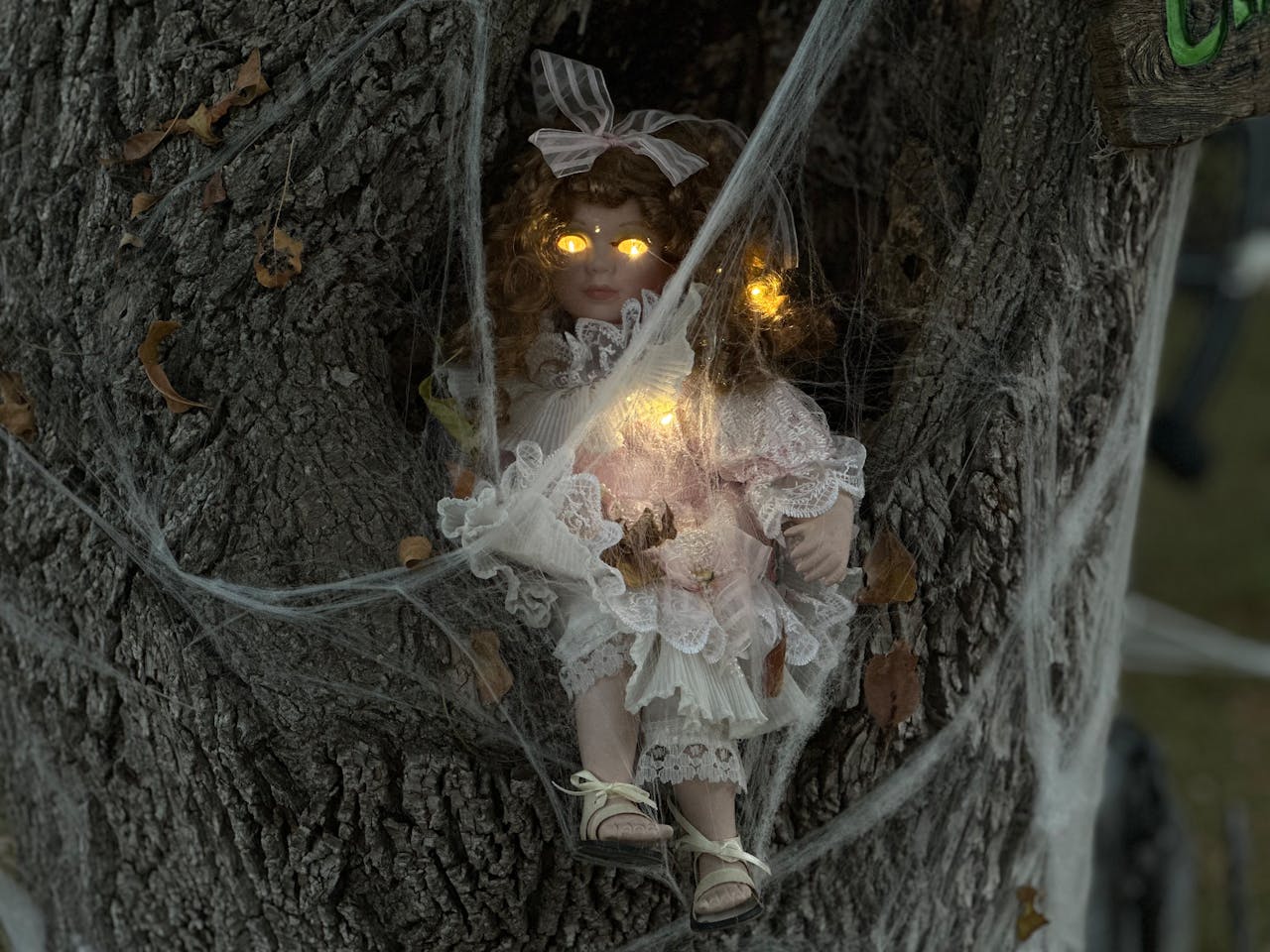
Cobwebs capture the haunting beauty of decay and time. They form naturally in forgotten corners, symbolizing neglect, age, and the passage of time. In Halloween decor, they transform ordinary spaces into haunted realms, reminding us that the past is never entirely gone. Their intricate design also links them to fate and entrapment, echoing how people can become caught in their own fears. Cobwebs are both eerie and poetic, representing the delicate boundary between the living world and the stillness that follows.
15. Gravestones
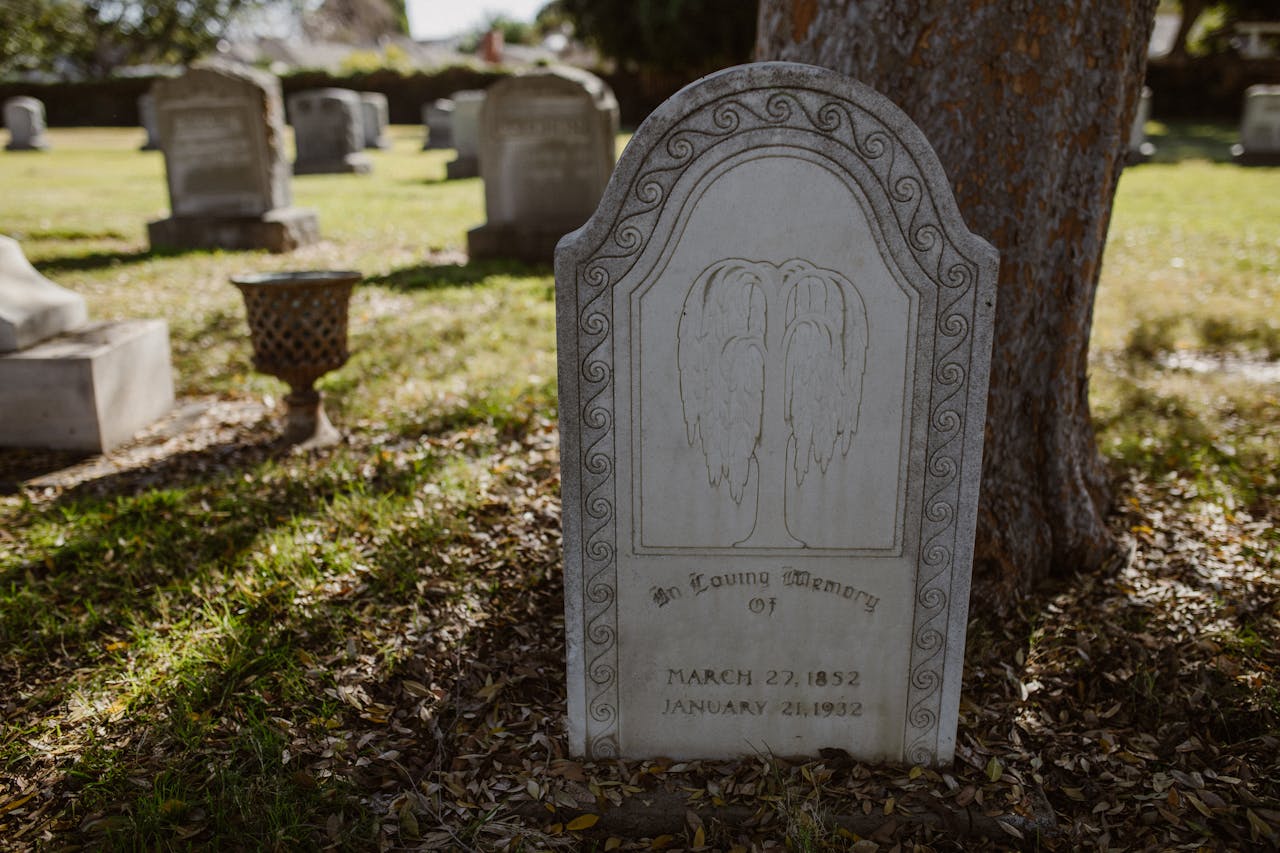
Gravestones are perhaps the most direct symbol of death, yet they also honor memory and legacy. In Halloween imagery, they evoke the final resting places of spirits that may rise for one night of mischief. The inscriptions and dates serve as reminders of time’s passing and humanity’s longing for immortality. While they inspire fear in the dark, gravestones are ultimately symbols of remembrance. They remind us that the stories of the dead continue to shape the living, especially on the night when the veil between worlds is said to be thinnest.
Halloween’s symbols may seem simple, but each carries centuries of meaning. From protective lights to haunting creatures, they reflect humanity’s oldest fears and hopes. These icons endure because they connect us to something timeless: the wonder of mystery, the thrill of fear, and the comfort of tradition. Whether you celebrate with a carved pumpkin or a glowing candle, remember that every symbol has a story, and every Halloween night is a living reminder of how myth and magic intertwine.