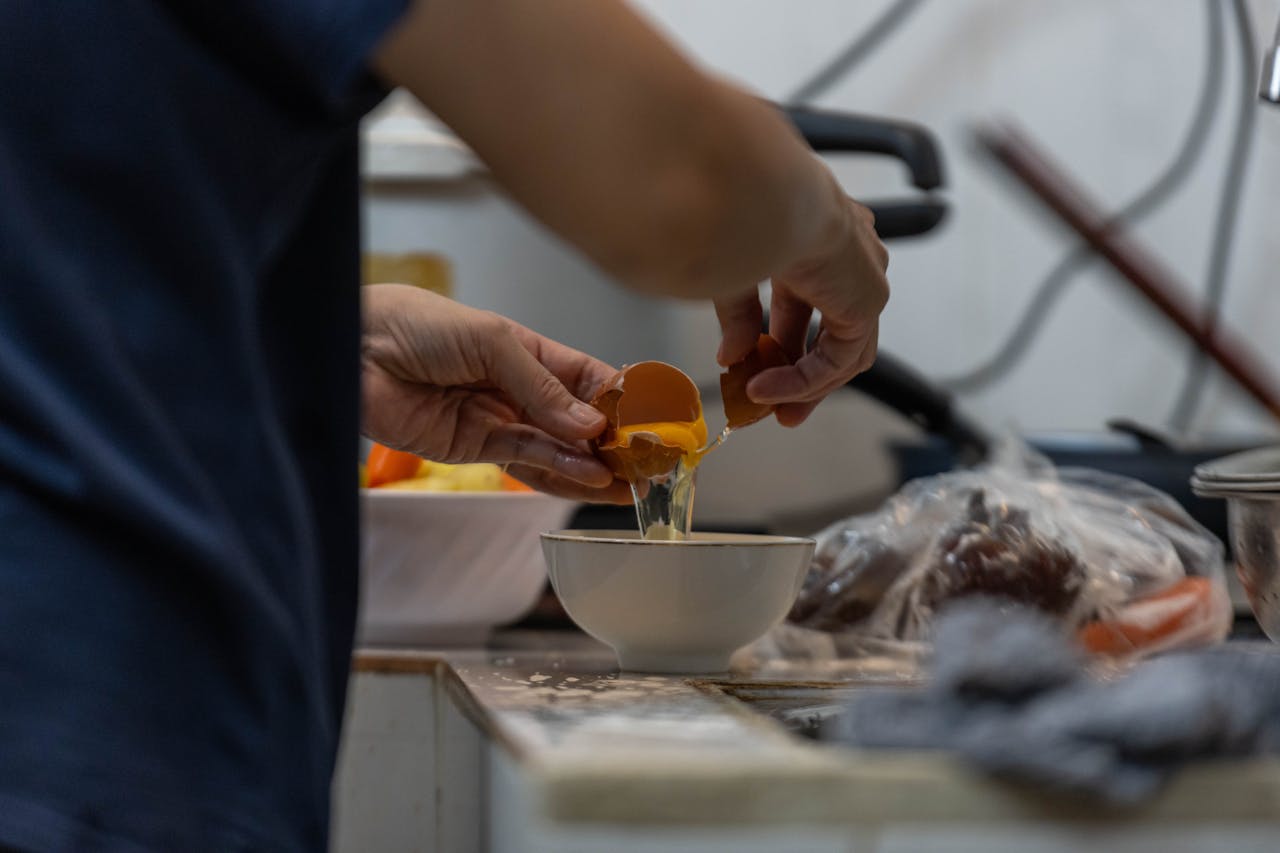
The COVID-19 pandemic reshaped everyday life in ways that continue to resonate in 2026. From remote work and health consciousness to home cooking and digital connection, Americans adopted habits initially out of necessity that have become permanent. These changes reveal how a period of disruption accelerated social, technological, and personal trends. Many practices once seen as temporary experiments are now ingrained in routines, influencing family life, work, and leisure. The post-2020 lifestyle shift illustrates adaptability and resilience at a national scale.
Remote Work and Flexible Schedules

Remote work, initially a survival strategy for companies in 2020, became a permanent fixture for millions. A 2023 Pew Research Center survey reported 59% of U.S. workers now have the option to work remotely at least part of the week. Flexibility in schedules allowed employees to balance work with family, exercise, and personal projects. Even hybrid arrangements persist, reflecting the lasting appeal of autonomy. This habit reshaped commuting patterns, urban life, and workplace expectations.
Home Cooking and Meal Prep
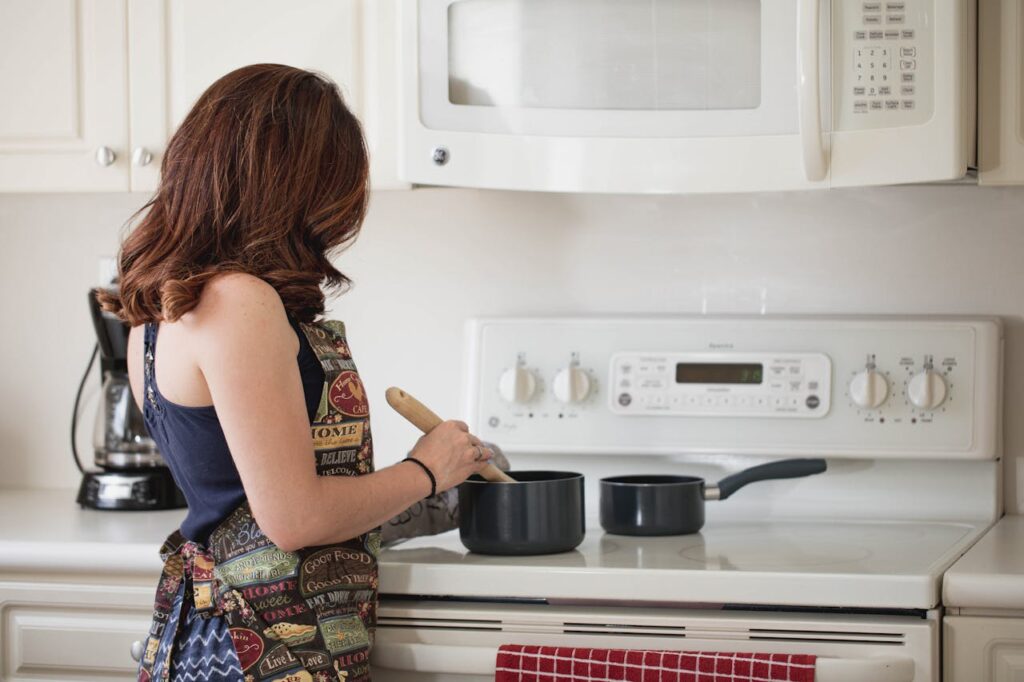
Lockdowns spurred a return to home cooking as restaurants closed temporarily. Nielsen reported a 28% increase in grocery sales for meal prep ingredients between 2020 and 2022. Americans discovered convenience, cost savings, and health benefits in preparing food at home. Families continue to plan weekly meals and experiment with recipes. This habit reinforced communal dining, healthier eating, and culinary creativity. Cooking at home became a lifestyle rather than a temporary measure.
Online Shopping and Contactless Payments
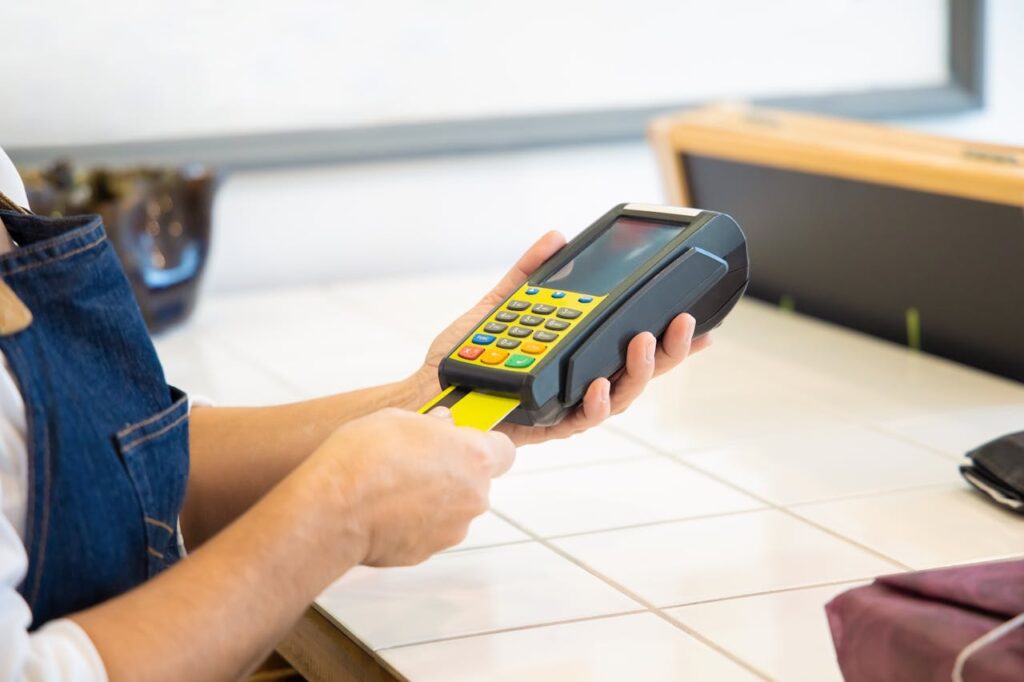
E-commerce surged as physical stores closed, with U.S. online retail sales reaching $1.2 trillion in 2021, according to the U.S. Census Bureau. Contactless payment adoption increased dramatically, with 61% of adults reporting using mobile wallets regularly by 2022. Even after in-store shopping resumed, convenience, speed, and hygiene concerns cemented digital transactions as a routine. These habits reshaped consumer behavior, favoring digital-first approaches and subscription services. Retail adapted permanently to this online-first expectation.
Health and Hygiene Awareness
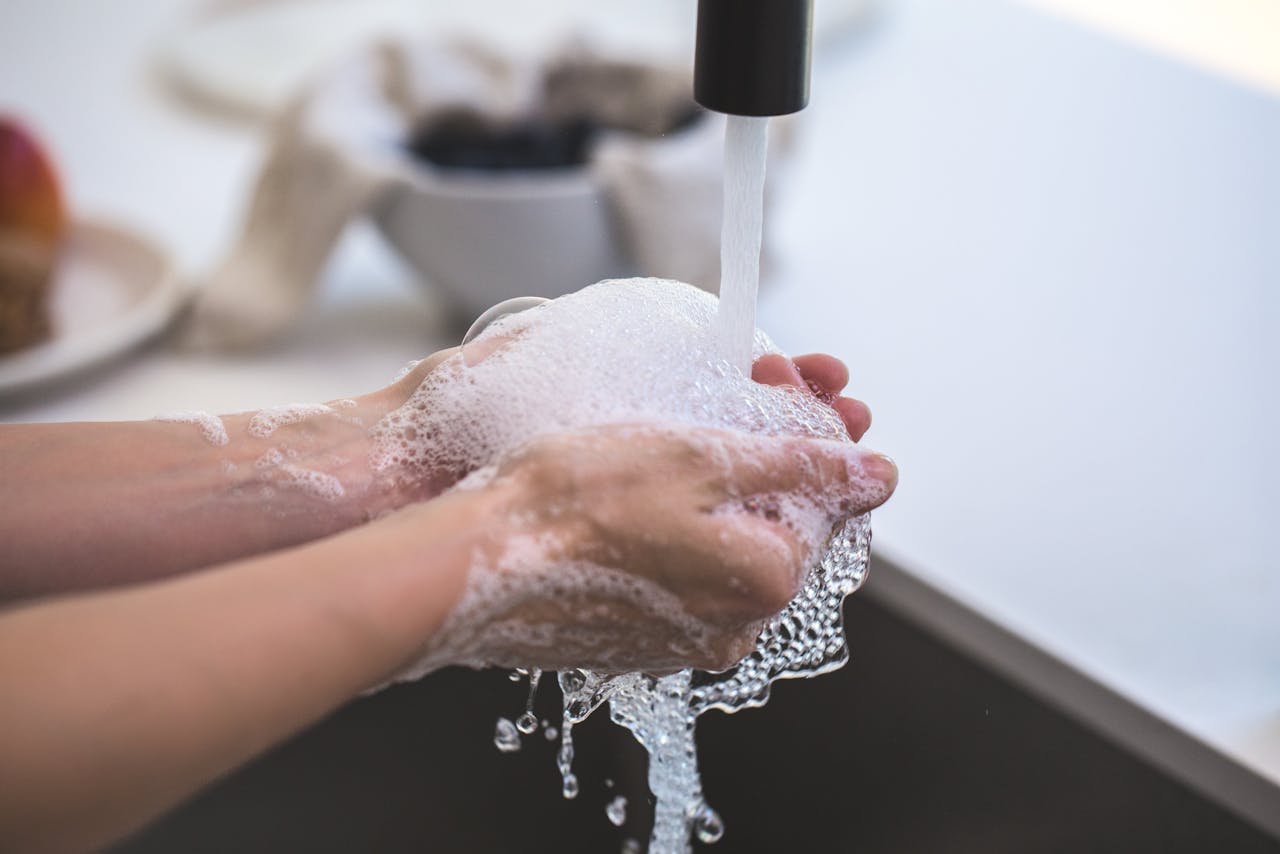
Handwashing, sanitizing, and mask-wearing became daily practices in 2020, instilling long-term hygiene consciousness. CDC data show that hand sanitizer sales remained elevated well into 2023, and mask use persisted in crowded indoor spaces. Americans also increased routine medical checkups and wellness monitoring. The pandemic heightened awareness of preventive health measures. Many of these habits became standard behaviors, especially in workplaces, schools, and public transportation.
Telehealth Adoption
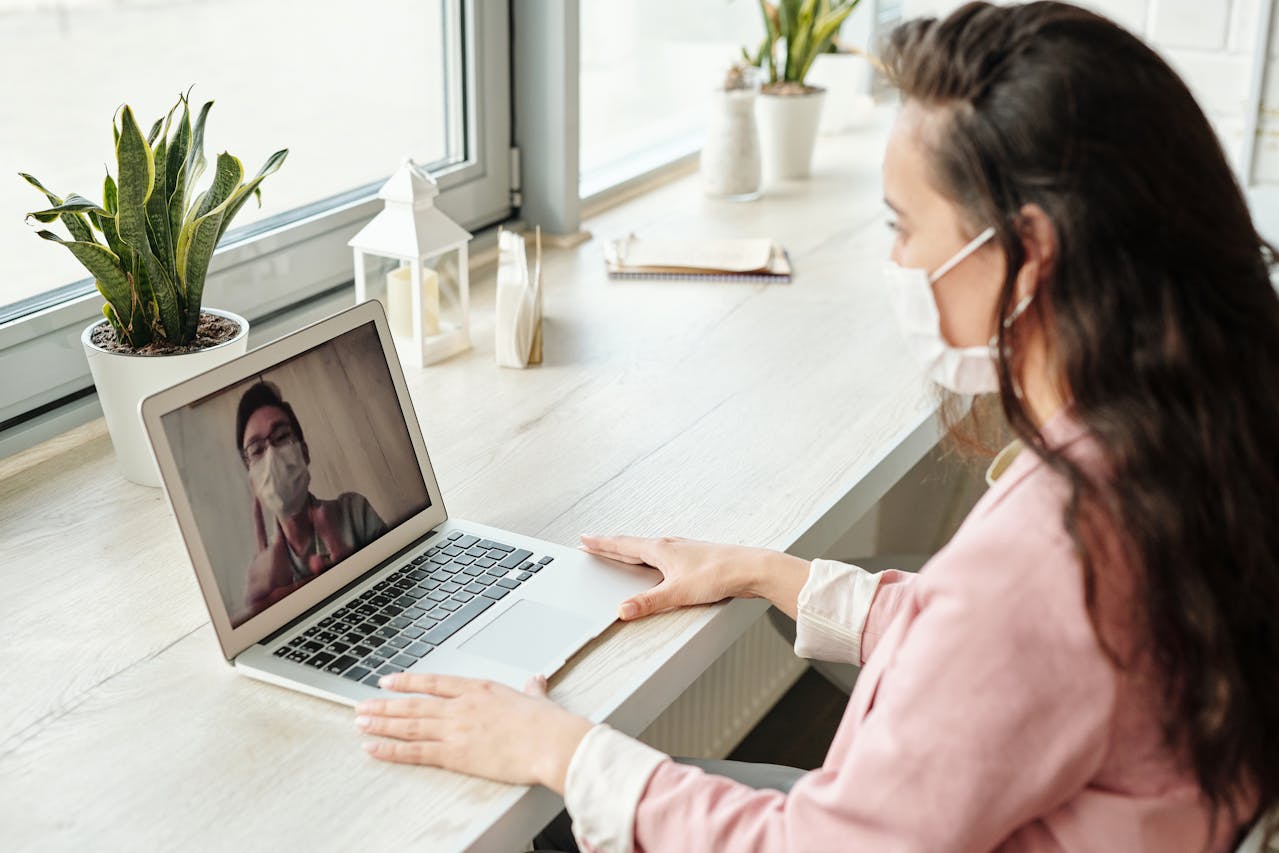
Telemedicine usage skyrocketed during the pandemic, with the CDC reporting a 154% increase in telehealth visits between March and June 2020. Patients discovered the convenience of virtual consultations for routine checkups, therapy, and chronic condition management. Even after clinics reopened, telehealth remained popular for efficiency and accessibility. Americans continue to rely on virtual care as part of standard medical practice. The habit transformed healthcare delivery and patient expectations.
Home Fitness and Outdoor Exercise

Gyms closed temporarily, pushing Americans to exercise at home or outdoors. Equipment sales, streaming workouts, and fitness apps surged in 2020, according to the Sports & Fitness Industry Association. Activities like walking, biking, and home yoga persisted even after gyms reopened. Families and individuals incorporated exercise into daily routines, making health maintenance habitual. Fitness at home and outdoors remains a core lifestyle choice for many Americans.
Digital Socialization

Video calls, Zoom happy hours, and online game nights emerged to maintain social connection during isolation. A Pew Research survey in 2021 found 74% of adults had participated in at least one virtual social gathering. Even post-pandemic, these digital interactions complement in-person socializing. Americans now blend online and offline connection seamlessly, creating hybrid social habits. Virtual presence remains an integral aspect of personal and professional life.
DIY and Home Projects
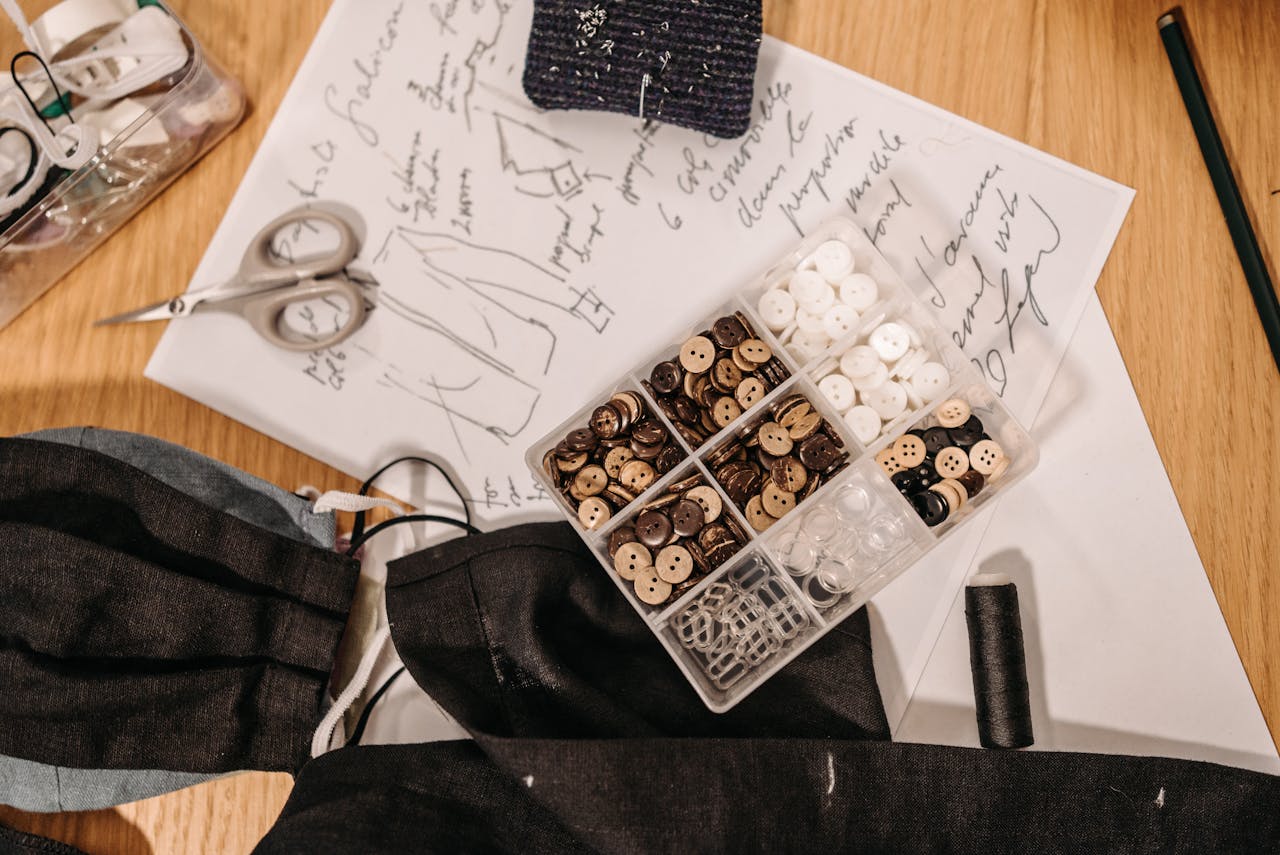
Home improvement, crafts, and gardening surged as people spent more time at home. Home Depot reported a 32% increase in DIY tool sales between 2020 and 2022. Americans discovered the value of self-sufficiency, creativity, and home personalization. These projects continue as hobbies, practical solutions, and stress relievers. The pandemic encouraged long-term investment in personal living spaces, reinforcing home-centered lifestyle choices.
Streaming and On-Demand Entertainment

Streaming became a lifeline during lockdowns, with platforms like Netflix, Disney+, and HBO Max seeing record subscriptions in 2020. Americans discovered convenience, personalized content, and binge-watching culture. Even after theaters reopened, on-demand streaming remains dominant. Nielsen reported U.S. adults spend an average of 3.5 hours daily on streaming services in 2023. Entertainment habits shifted permanently toward digital, flexible, and curated experiences.
Mindfulness and Mental Health Focus
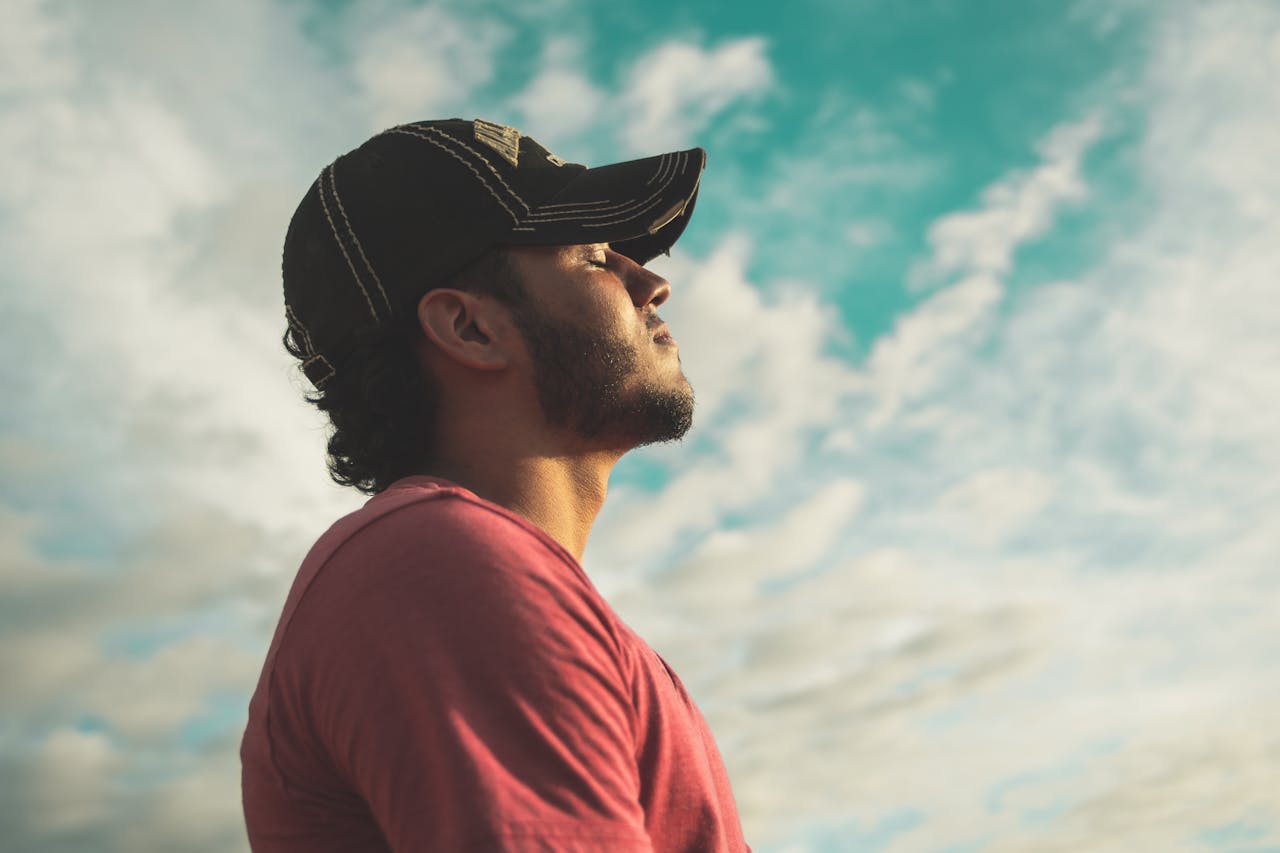
Heightened stress during the pandemic led many to adopt mindfulness, meditation, journaling, and therapy. APA surveys indicate 63% of adults report engaging in some mental health practice post-2020, up from 47% in 2019. Americans prioritize emotional regulation, resilience, and work-life balance more consciously. Practices initially introduced to cope with isolation have become daily rituals. Mental wellness remains central to modern lifestyle choices.
Local Travel and Micro-Adventures
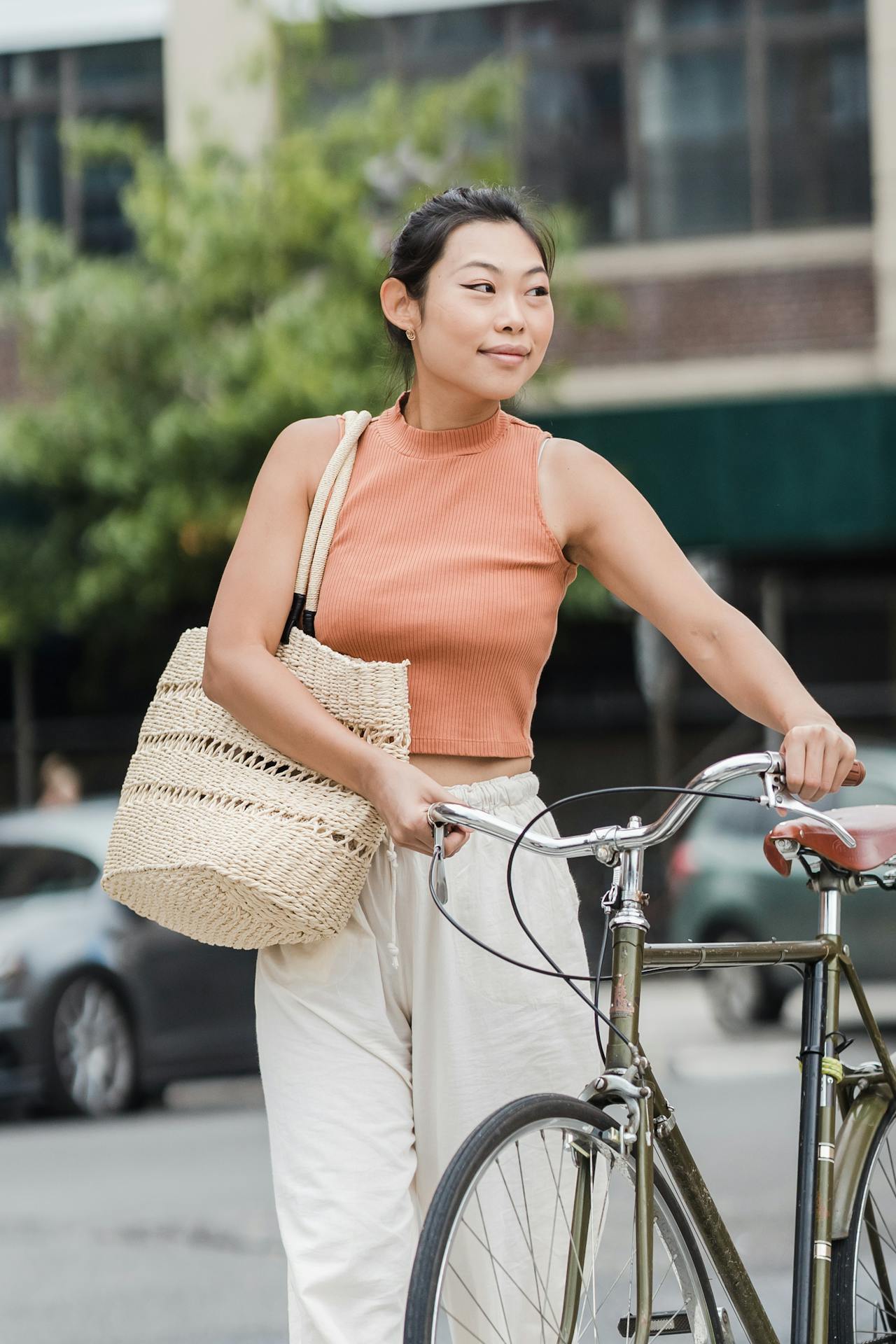
Travel restrictions prompted Americans to explore local destinations, parks, and small towns. AAA reported a 42% increase in domestic road trips in 2021 compared to 2019. Even as international travel resumed, domestic exploration remained popular for convenience, safety, and cost. Families discovered new appreciation for regional attractions. Local travel habits persisted, reshaping tourism trends and leisure planning in the U.S.