
Across the United States many households have started paying closer attention to what sits in their kitchen cabinets. Nutrition research, food labeling transparency, and growing interest in whole ingredients have encouraged families to rethink everyday grocery habits. Some people refer to this movement informally as MAHA, meaning a focus on making America healthier again through simple food choices.
The idea is not strict dieting or complicated meal plans. Instead it encourages small swaps that improve everyday nutrition while keeping meals familiar and practical. These changes often involve replacing heavily processed ingredients with foods that contain fewer additives or more natural nutrients. For many households the process begins with a simple grocery list adjustment that gradually reshapes the pantry over time.
Swap Sugary Breakfast Cereals for Oatmeal or Whole Grain Cereal

Many traditional breakfast cereals contain large amounts of added sugar even when they appear healthy on the front of the package. Some popular varieties contain as much sugar per serving as a small dessert. Oatmeal and whole grain cereals provide a more balanced start to the day because they include fiber that slows digestion and helps maintain steady energy levels.
Fiber also supports heart health and digestion according to research from the American Heart Association. Preparing oatmeal does not require complicated cooking techniques. Quick oats or steel cut oats can be flavored with fruit, nuts, or cinnamon for natural sweetness. This change does not mean eliminating cereal entirely. It simply means choosing varieties that emphasize whole grains rather than heavy sugar coatings.
Swap Refined White Bread for Whole Grain Bread

White bread is produced from refined flour that removes much of the natural fiber and nutrients present in whole wheat kernels. Whole grain bread keeps more of the original grain structure intact, which provides vitamins, minerals, and dietary fiber. Nutrition researchers consistently link whole grain consumption with improved heart health and better blood sugar control.
Reading the ingredient label can help identify genuine whole grain products. The first ingredient should list whole wheat or another whole grain rather than enriched flour. Families often find that whole grain breads work just as well for sandwiches, toast, or grilled cheese. The flavor may feel slightly nuttier at first, yet many people grow to prefer it over time.
Swap Sugary Drinks for Sparkling Water or Unsweetened Tea

Sugar sweetened beverages remain one of the largest sources of added sugar in the American diet. Regular soda, sweetened iced tea, and fruit flavored drinks can add hundreds of extra calories each day without providing meaningful nutrition. Replacing some of these beverages with sparkling water or unsweetened tea can significantly reduce daily sugar intake.
Sparkling water offers the refreshing carbonation many people enjoy while avoiding artificial sweeteners or high sugar levels. Unsweetened tea provides antioxidants that may support overall health. This change does not require eliminating every sweet beverage. Many households simply reduce how often they appear during the week.
Swap Processed Snack Chips for Nuts or Roasted Chickpeas

Traditional snack chips often rely on refined starches, added salt, and industrial frying oils. Nuts and roasted chickpeas provide an alternative snack that contains protein, fiber, and healthy fats. Almonds, peanuts, and walnuts offer nutrients that support heart health when eaten in moderate portions. Roasted chickpeas deliver a similar crunchy texture while also supplying plant based protein.
Preparing roasted chickpeas at home requires little effort. A can of drained chickpeas can be tossed with olive oil and spices before baking until crisp. This swap does not mean chips must disappear entirely from the kitchen. It simply creates more balanced snack options for everyday habits.
Swap Margarine for Olive Oil or Real Butter in Small Amounts
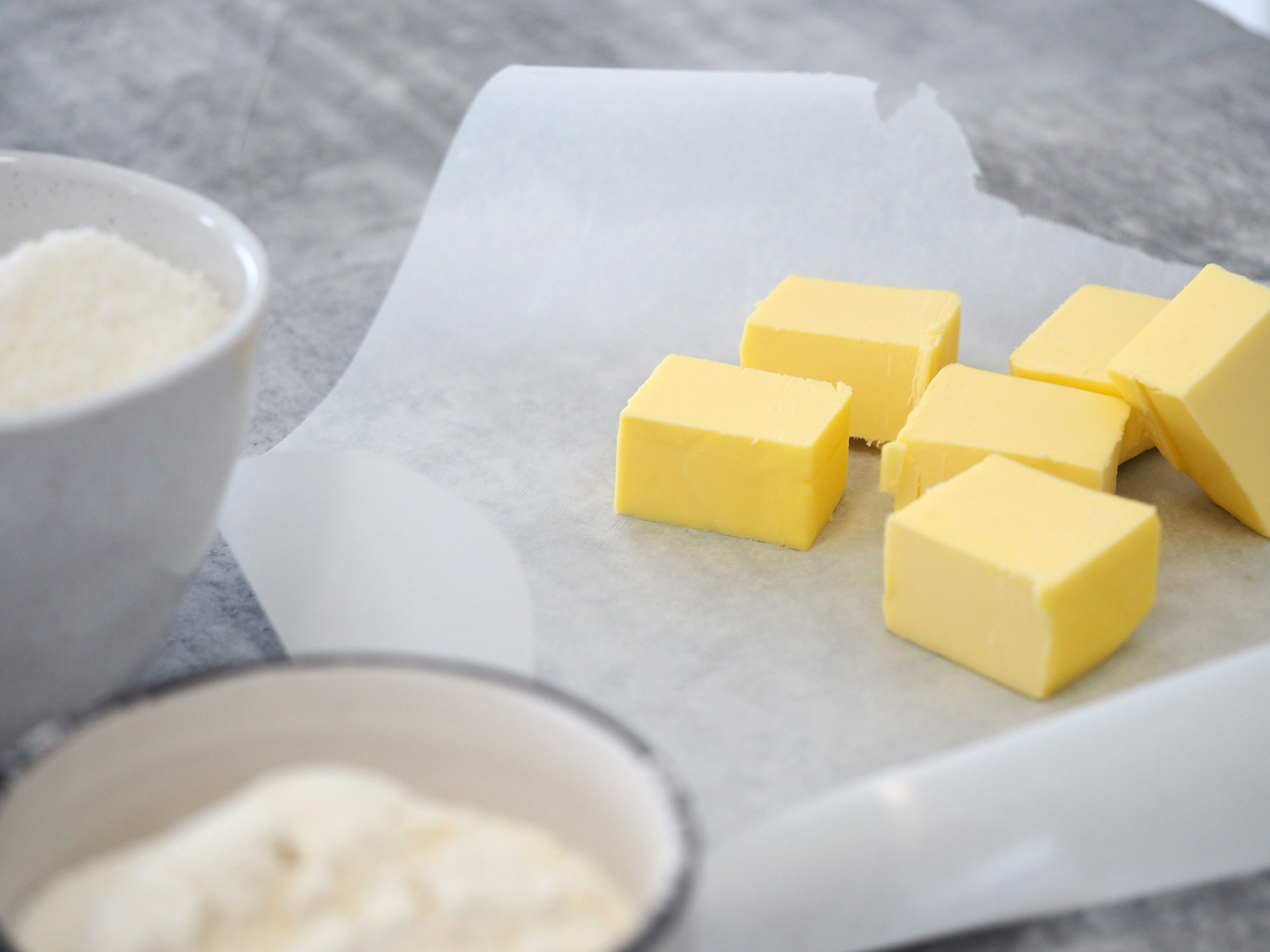
Margarine was originally developed as an inexpensive butter substitute, yet many versions contain highly processed vegetable oils. Modern nutrition research has encouraged many households to reconsider these products. Olive oil and small amounts of real butter often provide simpler ingredient profiles. Olive oil in particular contains monounsaturated fats that are associated with heart healthy diets such as the Mediterranean eating pattern.
Using these ingredients thoughtfully can improve both flavor and cooking quality. Olive oil works well for sautéing vegetables or dressing salads, while butter adds richness to baking and simple meals. The key idea is moderation rather than excess.
Swap Highly Processed Frozen Meals for Simple Homemade Batch Cooking
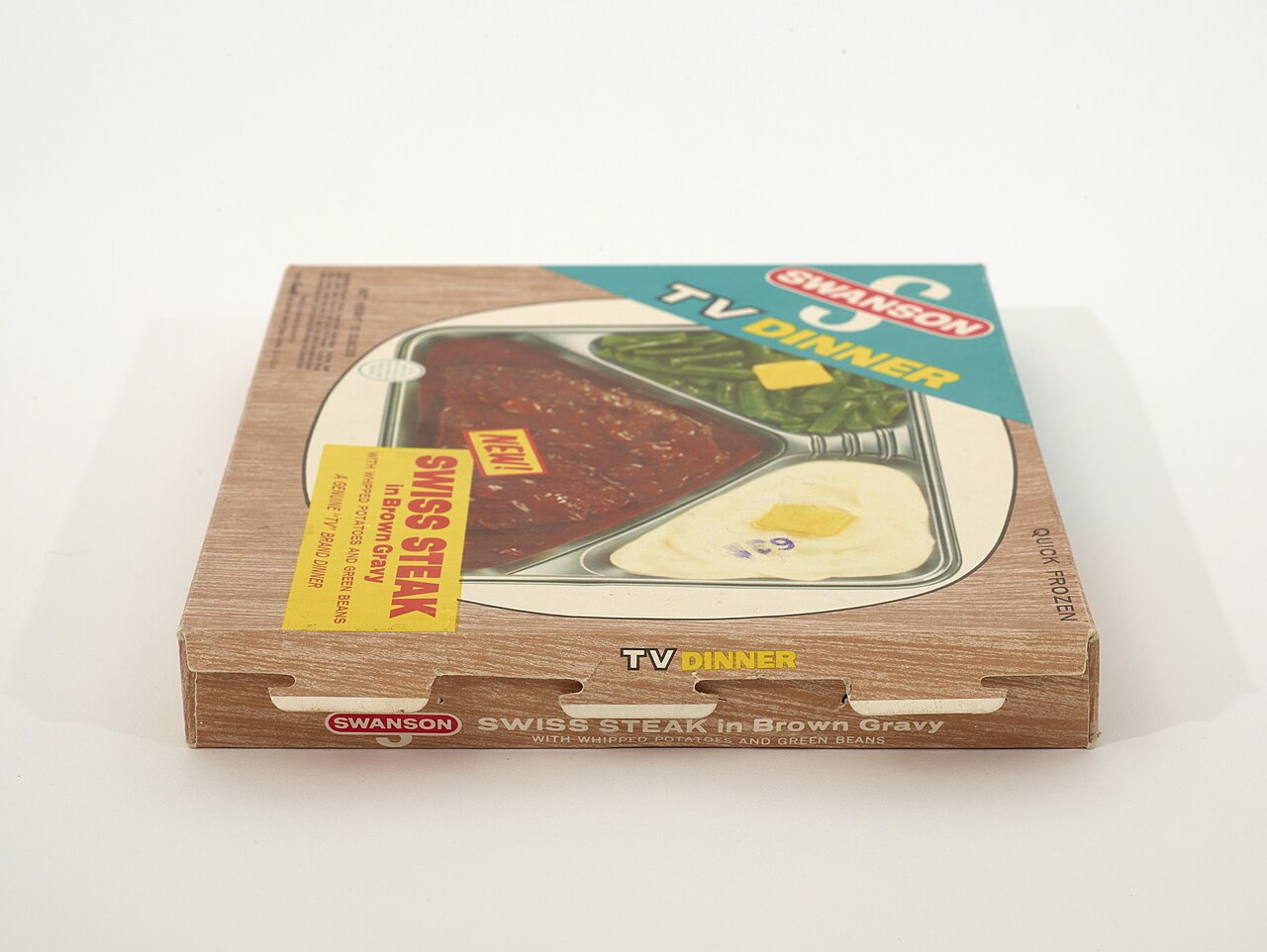
Frozen dinners can be convenient during busy weeks, yet many varieties contain high sodium levels and long ingredient lists. Preparing a few basic meals at home and freezing portions can provide similar convenience with better control over ingredients. Soups, stews, and cooked grains store well in the freezer and reheat quickly. Batch cooking on a weekend afternoon allows families to prepare several meals at once without daily effort.
This approach also helps reduce food waste because ingredients can be used efficiently. The purpose is not to eliminate convenience foods entirely. Instead it encourages households to build a small reserve of homemade options that support healthier everyday eating habits.