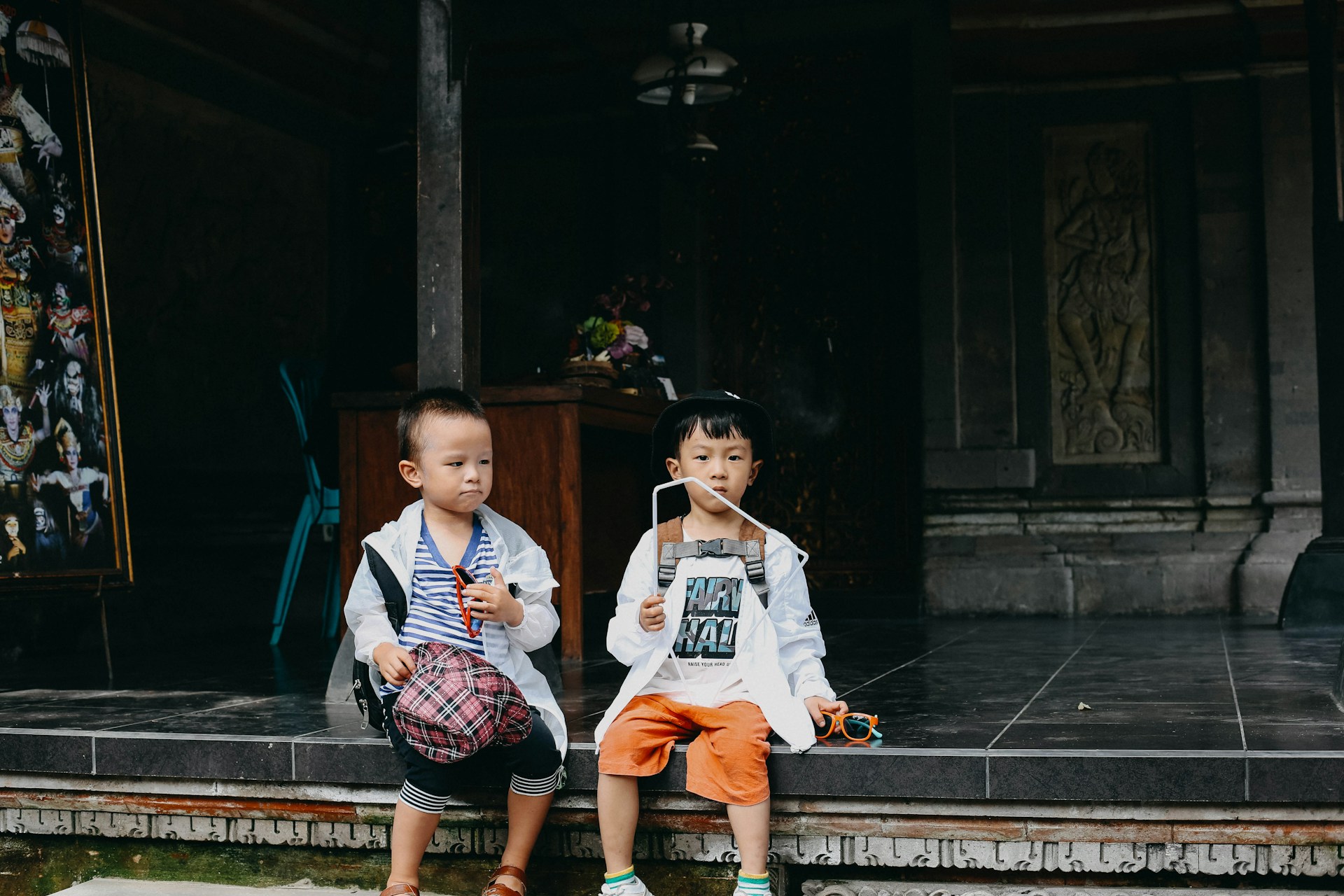
Teaching a child to wait is more than a matter of manners, it’s a lifelong skill that shapes their emotional regulation, patience, and resilience. In a world that offers instant gratification through technology, the ability to wait has become rarer, yet more important than ever. Whether it’s waiting for cookies to bake or for their turn in a game, these moments teach lessons that shape character in profound ways.
Patience as a Building Block for Success
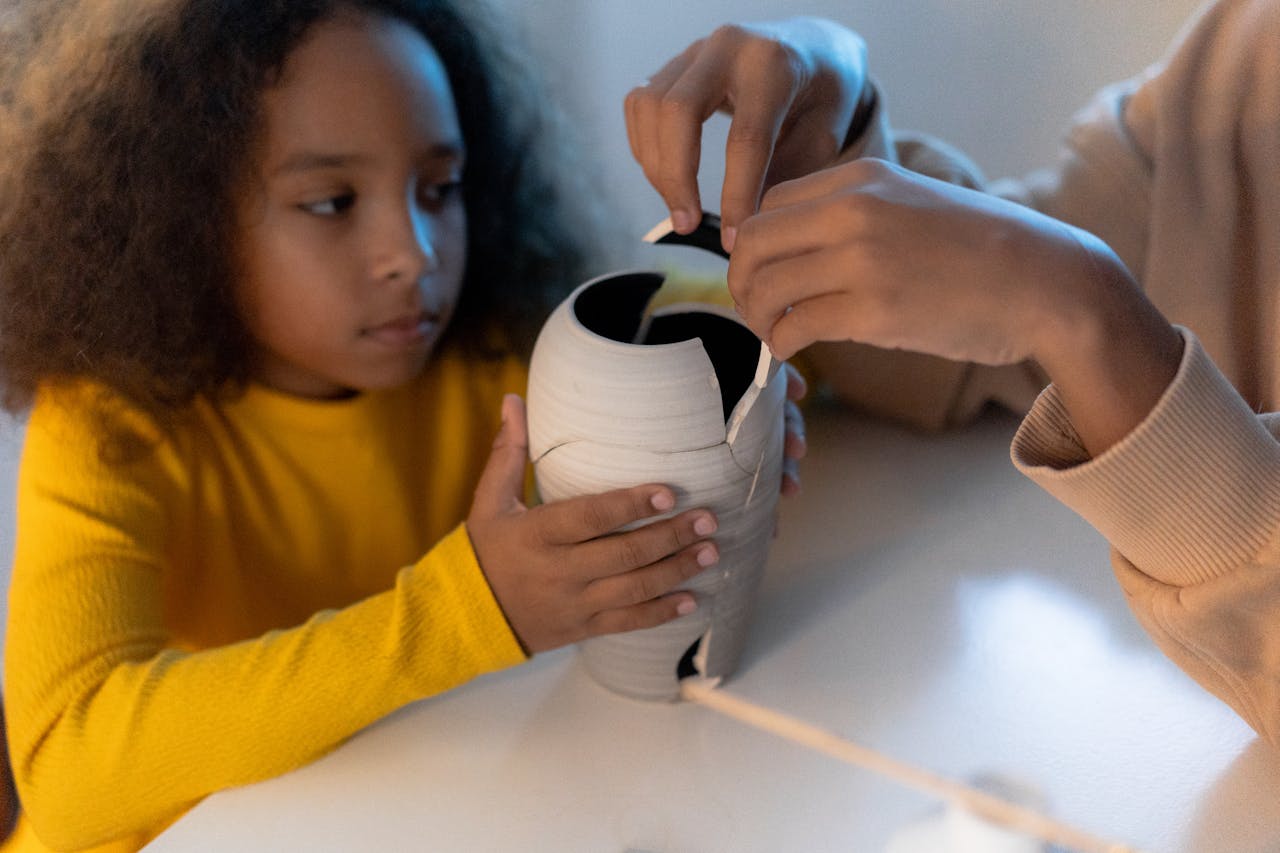
Children who learn to wait develop a stronger sense of self-control and long-term thinking. Patience allows them to manage frustration, make better decisions, and value the results of their efforts. Research shows that delayed gratification is linked to better academic performance, stronger relationships, and improved mental well-being later in life.
The Psychology Behind Waiting
The famous Stanford Marshmallow Experiment of the 1970s found that children who could delay gratification for a larger reward tended to achieve more success later in life. Waiting requires the brain to engage its prefrontal cortex—the part responsible for decision-making and self-control. By practicing patience early, children strengthen this critical cognitive function, which benefits them in school, work, and personal life.
Waiting and Emotional Regulation
When a child is asked to wait, they experience small doses of frustration and anticipation. Learning to manage these emotions teaches them that feelings are temporary and manageable. Over time, children discover that they can handle discomfort without acting impulsively, a skill that reduces anxiety and helps them face challenges calmly.
Waiting also teaches children that the world does not revolve around them. They learn to respect schedules, deadlines, and the needs of others. Whether it’s waiting for a sibling to finish using a toy or standing in line at the store, these moments help them understand cooperation and consideration.
Building Life Skills Through Everyday Waiting
Patience isn’t taught in a single lesson, it’s built through daily experiences. Everyday situations, if approached with intention, can become opportunities to strengthen a child’s ability to wait.
The Role of Chores and Routines
Household chores often require pacing and delayed results. For example, waiting for laundry to finish or bread to rise in the oven shows children that valuable outcomes take time. Parents can use these moments to discuss the process, helping children appreciate the journey instead of just the end result.
Nature as a Teacher of Time
Spending time in nature offers countless opportunities for children to experience patience organically. Watching seeds sprout, observing seasonal changes, or waiting quietly to spot wildlife teaches them that many of life’s rewards unfold slowly. Nature helps children understand that some things cannot be rushed without losing their value.
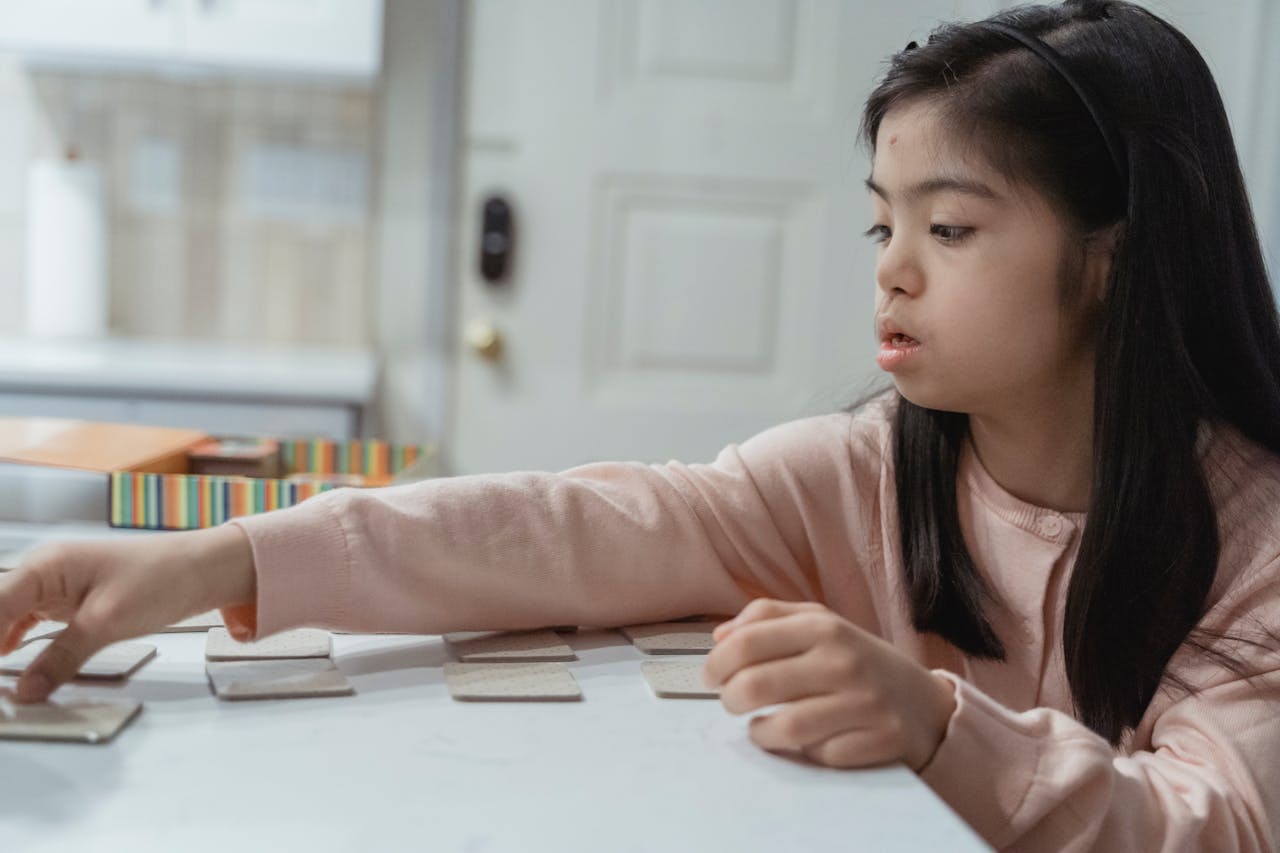
Board games, card games, and team sports naturally involve waiting for one’s turn. These activities teach kids to focus on others’ actions and remain engaged even when they’re not the center of attention. Over time, they develop the ability to control impulses and practice empathy.
The Long-Term Benefits of Learning to Wait
The lessons learned in childhood about waiting extend far beyond those early years. They influence how individuals approach challenges, relationships, and opportunities throughout life. In a world that increasingly prioritizes speed and immediacy, the act of waiting becomes a countercultural act of wisdom. It teaches children (and adults alike) that time is not just something to pass but something to invest, and that the space between desire and fulfillment is where character is built. These lessons, though hidden in the everyday moments of childhood, ripple outward, shaping individuals who are better equipped to navigate life’s uncertainties with grace and perseverance.
Delayed Gratification and Academic Achievement
Children who understand that effort over time produces results are more likely to stick with their studies, complete long-term projects, and persevere through academic challenges. Patience becomes an invisible tool for success, enabling them to see schoolwork as part of a bigger picture.
In friendships and romantic relationships, the ability to listen, compromise, and wait for mutual understanding is invaluable. Patience reduces conflict and fosters trust. Adults who learned to wait as children often find it easier to navigate disagreements and maintain long-term bonds.
Building Resilience in a Fast-Paced World
Life doesn’t always deliver instant results. People who have learned patience can better cope with setbacks, delayed goals, and uncertain outcomes. In a culture dominated by immediacy, the ability to wait sets individuals apart as adaptable, steady, and emotionally mature.
Patience as a Teacher: The Hidden Lessons of Waiting
Teaching a child to wait is far more than a simple exercise in patience; it is a profound lesson in resilience, self-control, and the value of delayed gratification. Through this process, children learn that not all desires can be met instantly, and that some of life’s most rewarding experiences come to those who can endure the interim.
For the teacher, whether a parent, guardian, or mentor, this journey is equally transformative, offering reminders of the importance of empathy, consistency, and the quiet power of presence.
Ultimately, the art of waiting is a microcosm of life itself: a reminder that growth happens in the pauses and that some of the most valuable rewards are worth the wait.