Across the world, some islands were engineered to house entire communities, complete with schools, hospitals, shops, and entertainment facilities. They were bustling hubs of activity, designed to support thousands of residents who lived, worked, and built lives in isolation from the mainland. Yet when economic shifts, industrial decline, or changing priorities struck, these once-thriving islands were abandoned almost overnight. Today, their empty buildings, crumbling infrastructure, and overgrown streets tell a story of human ambition, resilience, and impermanence. Among the most famous of these is Hashima Island, off the coast of Nagasaki, Japan, a place that once pulsed with life and now stands in eerie silence.
Hashima Island: Japan’s “Battleship Island”
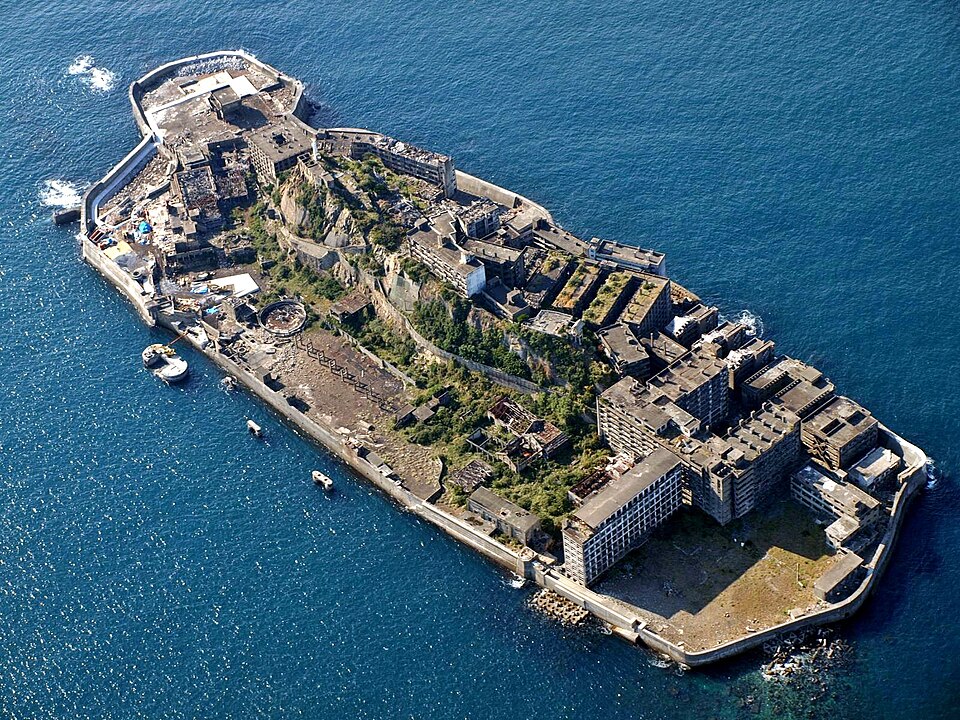
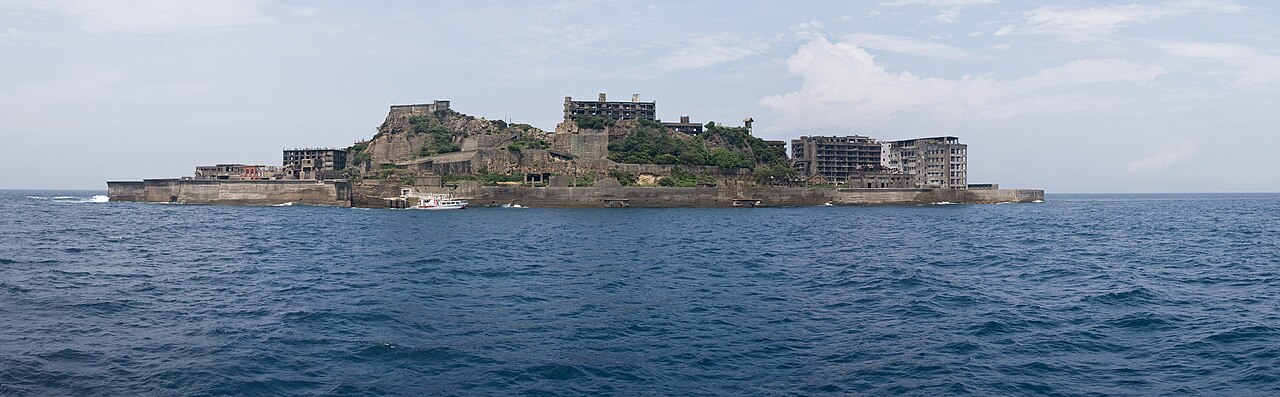
Hashima Island, nicknamed Gunkanjima or “Battleship Island” because its silhouette resembles a warship, is located about 15 miles from Nagasaki. In 1887, Mitsubishi purchased the island and began extracting coal from under the seabed, transforming Hashima into one of Japan’s most densely populated industrial hubs. By the 1950s, more than 5,000 people lived on its tiny 16-acre surface, making it the most crowded place on Earth at the time. Concrete apartment blocks rose sharply from the island, creating a fortress-like skyline against the gray waters. Schools, shops, restaurants, and hospitals were all built to support the miners and their families, creating a fully functioning community entirely isolated from the mainland. Life was harsh but vibrant, with generations growing up among the tall concrete towers, children playing in narrow alleyways, and families forming tightly knit bonds in a confined space. The island exemplified Japan’s rapid industrialization and the lengths companies would go to extract resources efficiently.
Life on Hashima Island
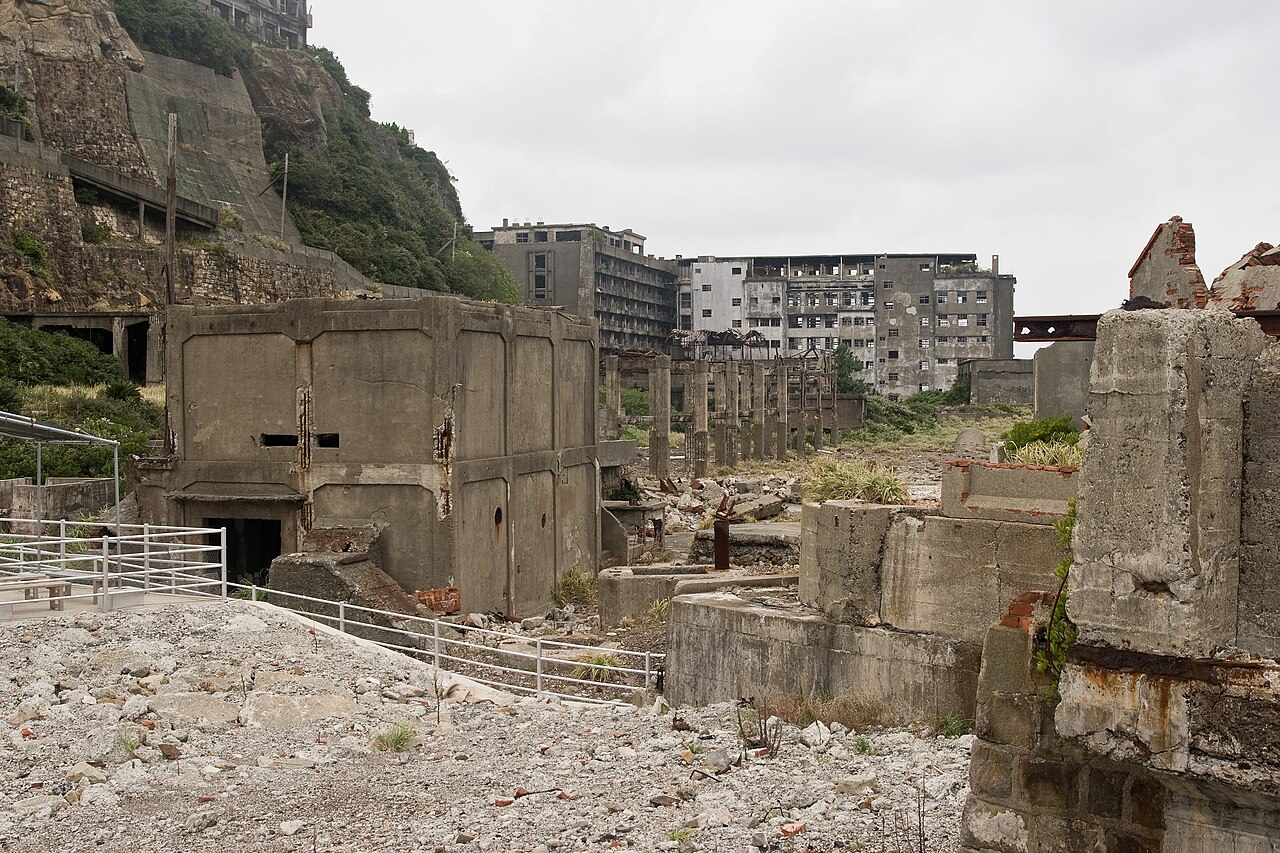
Daily life on Hashima was a blend of industrious routine and communal resilience. Miners worked long shifts in the dangerous underground tunnels, extracting coal that powered Japan’s modernization. Above ground, families navigated cramped apartments and relied on the island’s infrastructure for schooling, food, and social life. The population density meant neighbors were always close, and the community developed a rhythm dictated by the mine’s schedule. Children learned to entertain themselves in narrow streets and rooftop spaces, while adults balanced grueling work with household responsibilities. Despite the hardships, the island had a surprising vibrancy, with festivals, local shops, and even a small movie theater providing moments of leisure. Residents adapted creatively to limited space, proving how human communities can thrive under extreme conditions.
The Sudden Abandonment
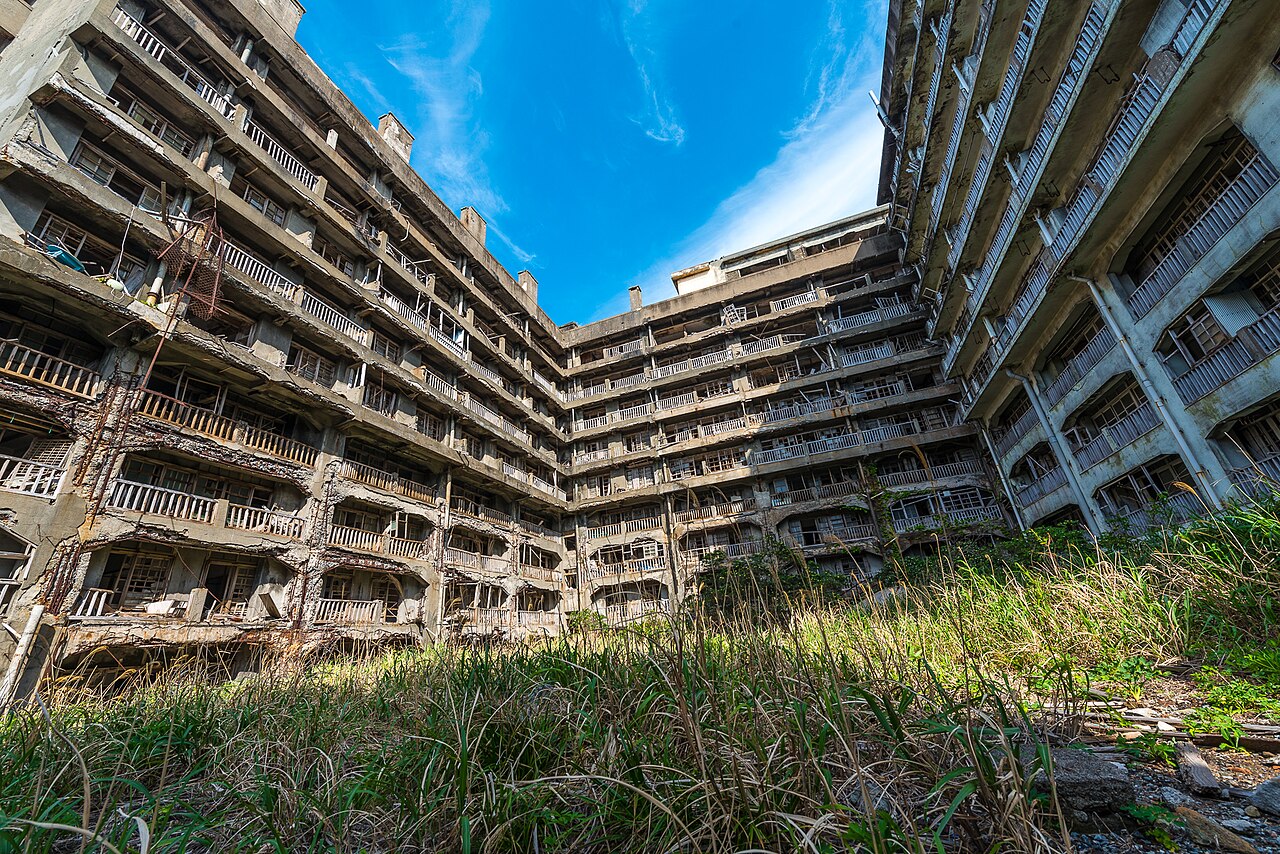
By the 1970s, Japan had shifted from coal to petroleum, rendering the mines on Hashima unprofitable. Mitsubishi closed operations in 1974, forcing the island’s inhabitants to leave abruptly. Families left behind furniture, clothing, and personal belongings, unable to transport everything to the mainland. Concrete towers that once echoed with laughter and daily life became silent shells. Exposure to harsh coastal weather, typhoons, saltwater, and wind, quickly deteriorated the buildings, causing staircases to collapse, walls to crack, and vegetation to reclaim alleyways. Within months, Hashima transitioned from a densely populated industrial community to an eerie ghost town, frozen in time. The suddenness of the abandonment left behind an island of memories etched into empty corridors and crumbling apartments.
Hashima Island Today
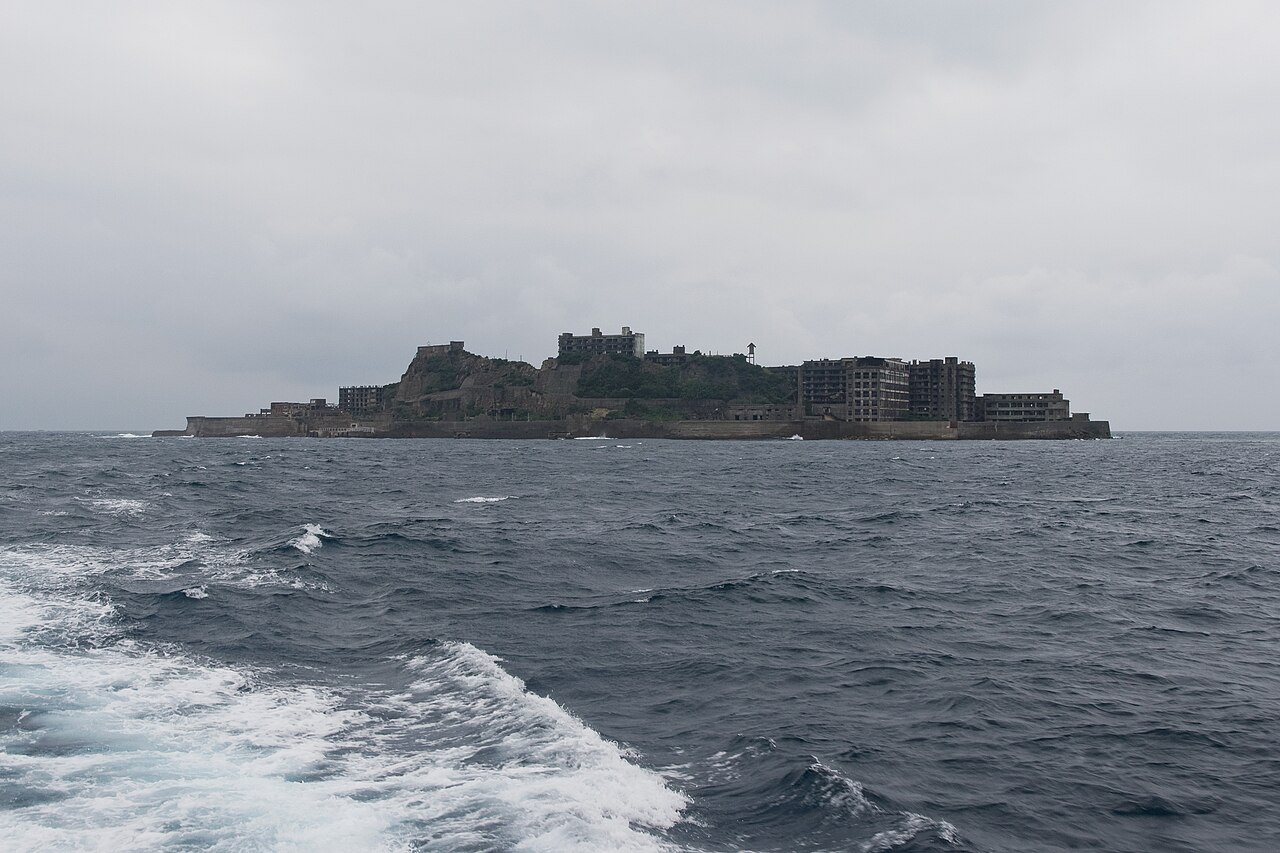
Today, Hashima stands as a haunting monument to industrial ambition and impermanence. Its decayed structures rise like concrete ghosts, and the island is largely off-limits except for guided tours in select areas. The overgrown vegetation and rusted railings contrast sharply with the rigid architecture, emphasizing the passage of time and nature’s reclamation. Photographs of the island capture the stark contrast between its former vibrancy and its current desolation, drawing tourists, historians, and urban explorers alike. Hashima has also appeared in popular culture, including films and documentaries, symbolizing the human cost of rapid industrialization. Its silence speaks volumes about how quickly progress can unravel when economic forces shift.
Lessons from Hashima
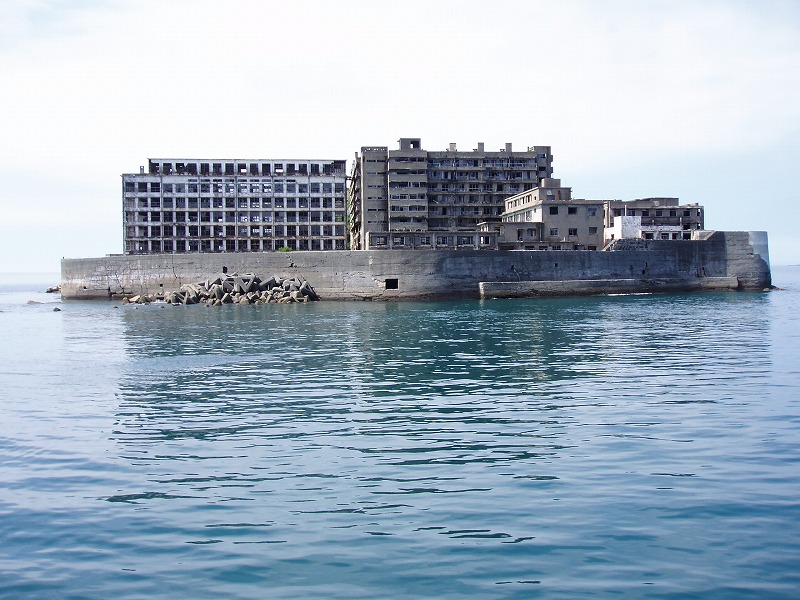
Hashima Island serves as a stark reminder of the fragility of human settlements dependent on a single industry. The miners and families who once thrived there built a life on what seemed like permanent infrastructure, yet the island’s fate was tied entirely to coal. When energy priorities changed, the community vanished, leaving behind a frozen testament to industrial overreach and human resilience. Beyond its historical significance, Hashima prompts reflection on how societies manage resources, plan for the future, and preserve communities in the face of economic and environmental shifts. The island’s decay is not just a visual spectacle; it is a lesson about the impermanence of human endeavors.