The names of U.S. states are more than labels on a map, they are echoes of history, culture, mythology, and sometimes even accidents. Many of them trace back to Indigenous languages, while others were borrowed from European monarchs, literary works, or bold explorers. Some names are straightforward and descriptive, but others carry bizarre and surprising backstories. Here are ten state names whose origins stand out for their peculiarity and charm, revealing how language and history shaped the country’s identity.
Idaho: The Name That Was Invented
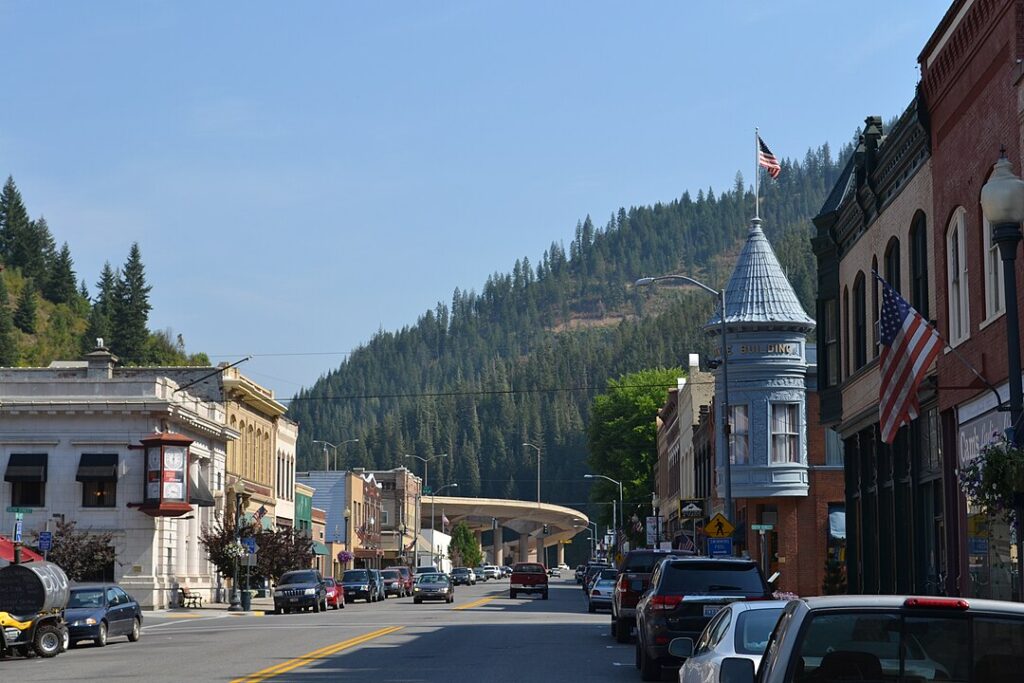
Idaho is perhaps the most infamous example of a state name built on an outright invention. In the mid-19th century, a lobbyist named George M. “Doc” Willing suggested “Idaho” as a name for the Colorado Territory, claiming it was a Native American word meaning “gem of the mountains.” The word was completely fabricated, but by the time the hoax was discovered, the name had stuck to another territory out west. When Idaho became a state in 1890, its fanciful and false name became permanent. Today, Idaho embraces its “Gem State” nickname, but the origin story remains a quirky reminder of how myths can become geography.
California: A Name from a Spanish Novel
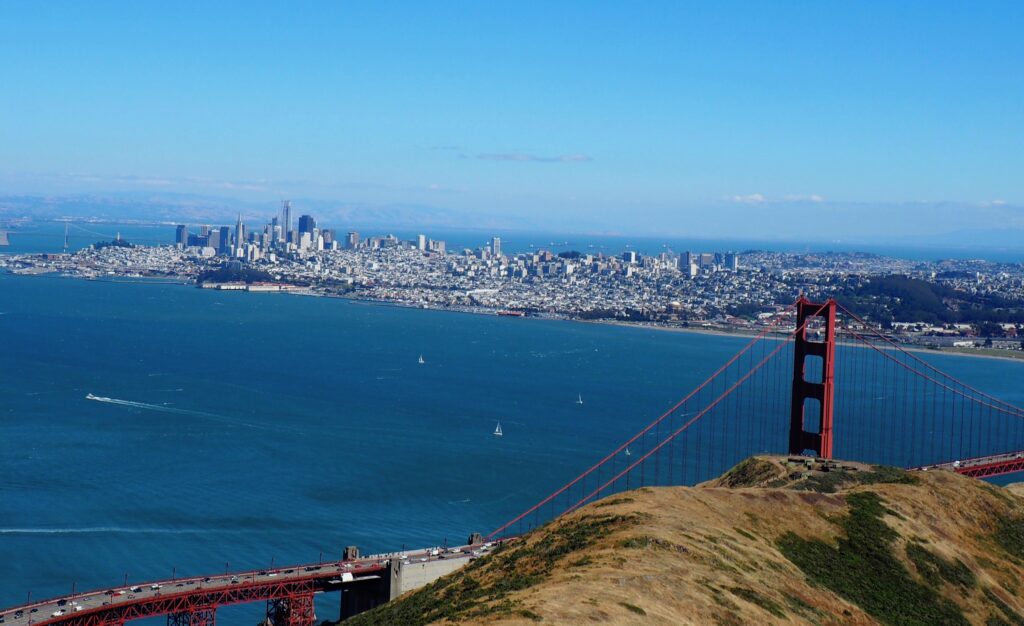
California owes its name to a work of fiction rather than history. In the early 1500s, Spanish explorers were familiar with a popular romance novel called Las Sergas de Esplandián, which described a mythical island paradise ruled by Queen Calafia and inhabited by Amazon warriors. Believing the Baja California Peninsula resembled this mythical land, explorers applied the name to the region. Over time, the name extended to what is now the state of California. It’s one of the rare cases in which literature directly influenced real-world geography, giving the state a name that still conjures images of paradise and allure.
Virginia: Honoring the “Virgin Queen”
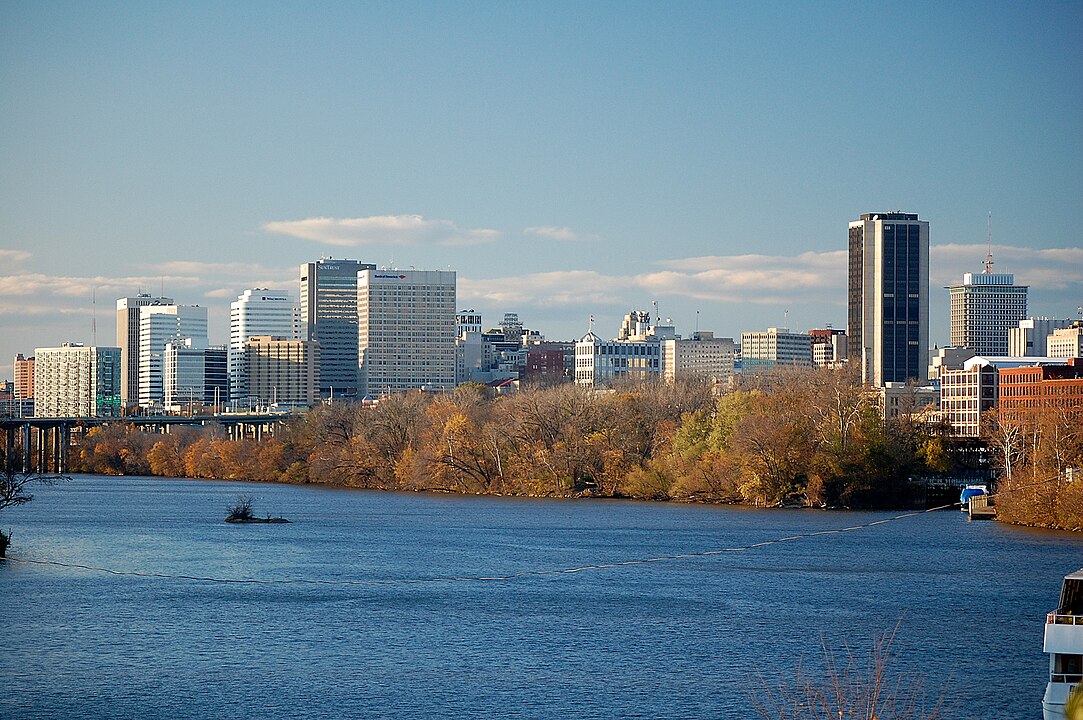
The state of Virginia was named in honor of Queen Elizabeth I of England, who was famously known as the “Virgin Queen.” English explorer Walter Raleigh and his companions bestowed the name during their colonial ventures as a tribute to her unmarried status. While it sounds noble, the story carries an almost tongue-in-cheek quality, memorializing the queen’s virginity in a land across the ocean. This naming choice reflects the blend of reverence and political loyalty that shaped early English colonization in America.
Alaska: Simply “The Mainland”
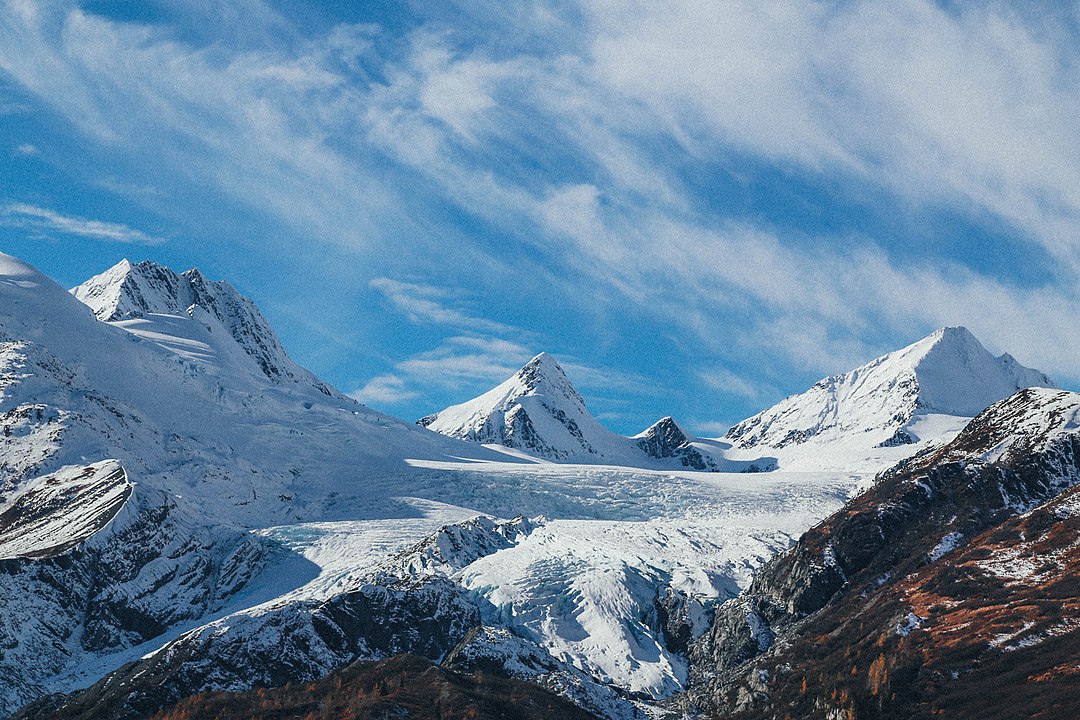
Unlike some names with mythical or invented origins, Alaska’s title is striking for its simplicity. Derived from the Aleut word alaxsxaq, it means “the mainland” or “the object toward which the action of the sea is directed.” The name was practical, chosen by Indigenous people to describe the massive landmass across from their island homes. When the United States purchased the territory from Russia in 1867, the name stuck. It’s a humble and literal choice that feels almost understated for such a vast and majestic state.
Minnesota: Land of Cloudy Water
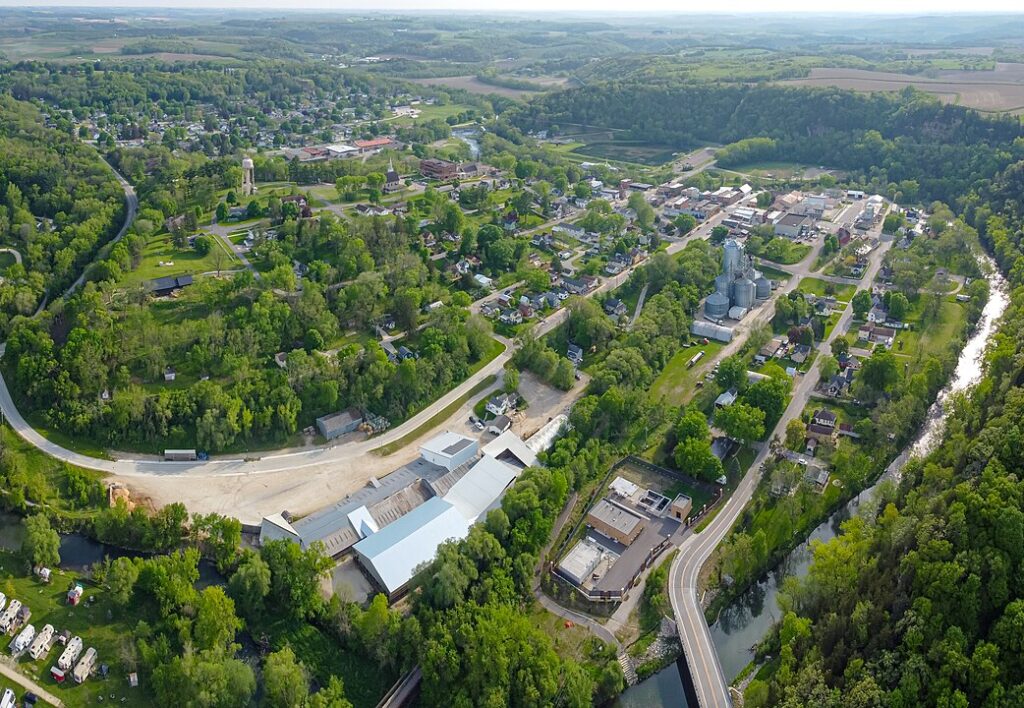
Minnesota’s name comes from the Dakota Sioux phrase Mnisota Makoce, meaning “land where the waters reflect the sky” or “cloudy water.” This poetic description referred to the state’s many lakes and rivers, particularly the Minnesota River. The imagery captures the shimmering quality of water under the wide Midwestern sky, lending the name both a lyrical and deeply cultural origin. Unlike some states named for individuals or political ties, Minnesota’s name preserves a piece of natural beauty seen through Indigenous eyes.
Mississippi: Gathering of Waters
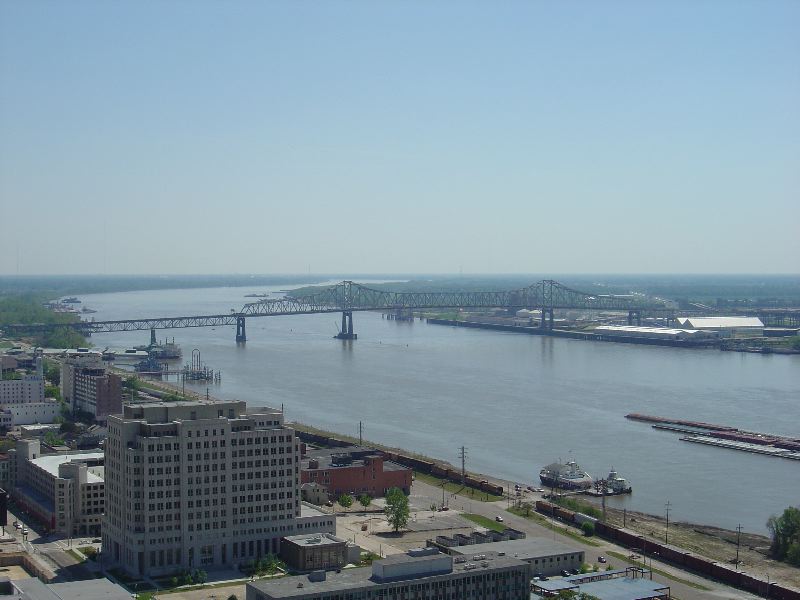
Mississippi derives from the Ojibwe word Misi-ziibi, often translated as “great river” or “gathering-in of all the waters.” The name is as grand and powerful as the river itself, which has long been a lifeline for transportation, trade, and agriculture. French explorers adapted the term into the version we know today, and it became synonymous with the region. Few state names capture the majesty of geography as effectively as Mississippi, whose name honors one of the most important rivers in the world.
Nebraska: The Flat River
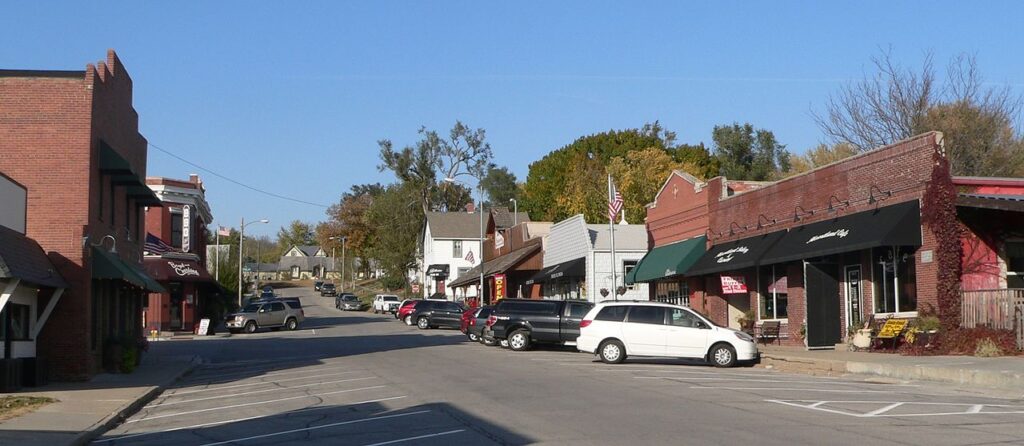
Nebraska’s name comes from an Otoe word describing the Platte River, which translates to “flat water” or “flattened river.” Early European settlers found the description fitting, as the river meandered wide and shallow across the plains. The practicality of this naming choice highlights how Indigenous terminology shaped maps and landmarks, even as settlers took over the region. Nebraska’s name might seem plain compared to some others, but its understated accuracy makes it stand out as a true geographic descriptor.
Connecticut: The Long Tidal River

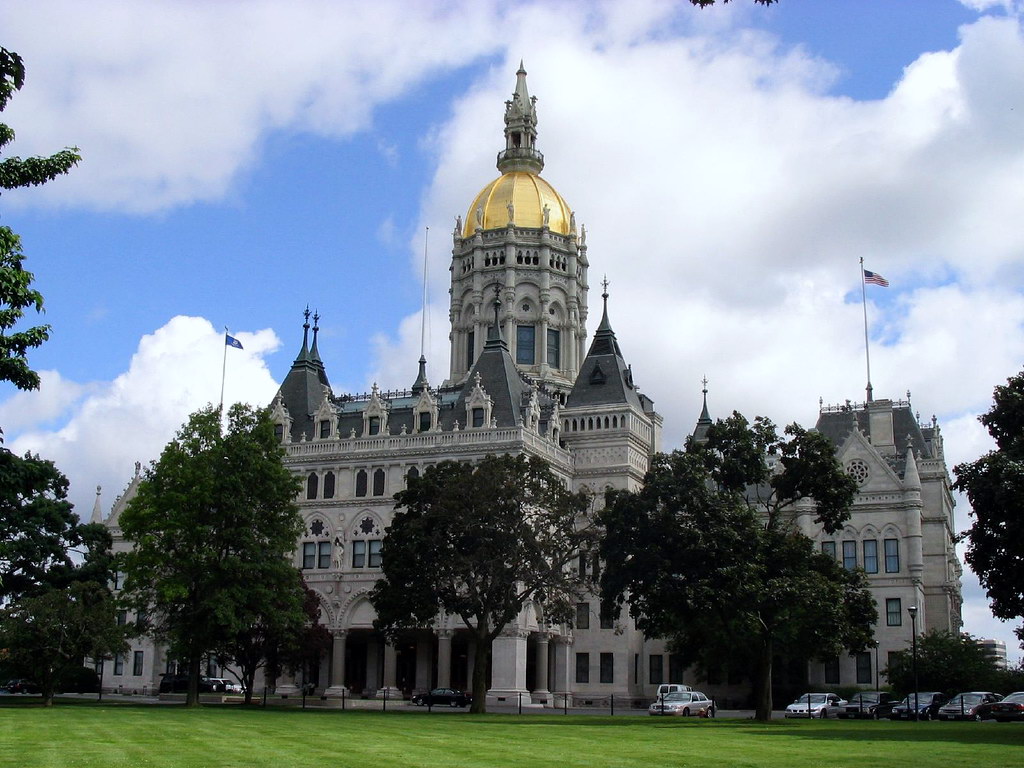
Connecticut’s name originates from the Mohegan-Pequot word quinetucket, which means “long tidal river.” The name refers to the Connecticut River, a dominant feature of the region’s landscape. Over time, English settlers adapted the Indigenous term into its current spelling and pronunciation. Like Nebraska, Connecticut’s name demonstrates how Native words captured local geography with vivid simplicity, leaving an enduring imprint on American identity.
Arkansas: People of the South Wind
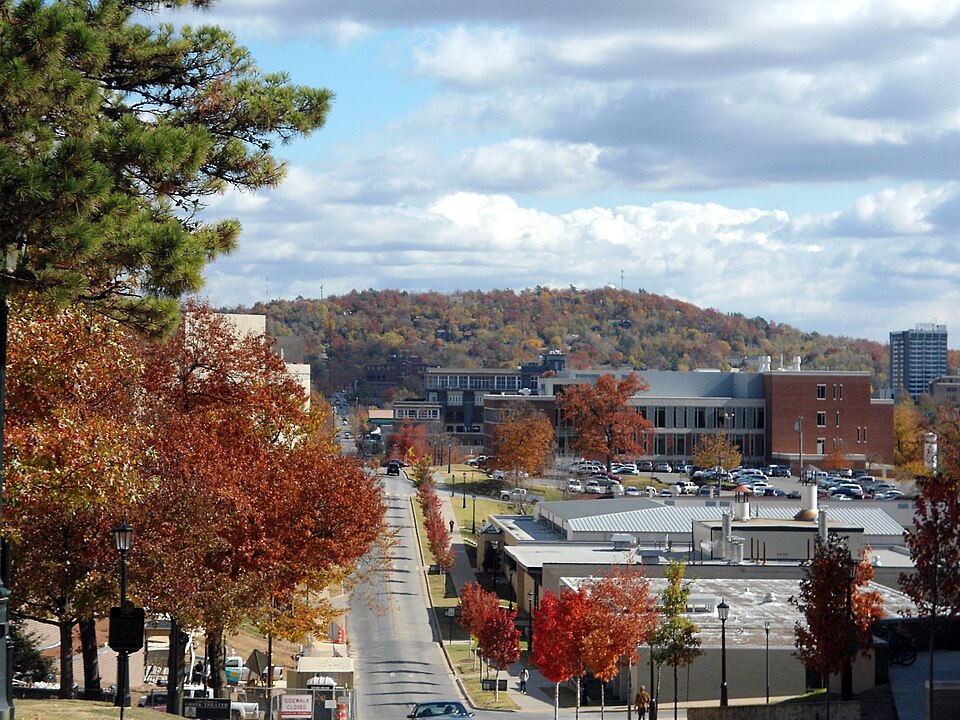
Arkansas’s name is tied to both Indigenous culture and French interpretation. It stems from the word used by Algonquian-speaking tribes to describe the Quapaw people, meaning “people of the south wind.” When French explorers arrived, they adapted the term into “Arkansas,” applying it not only to the tribe but also to the region. The spelling was eventually standardized, though the pronunciation sparked confusion. In 1881, the state legislature officially declared that the final “s” should be silent, creating one of the more unusual naming quirks in U.S. history.
Oregon: A Mystery with Many Theories
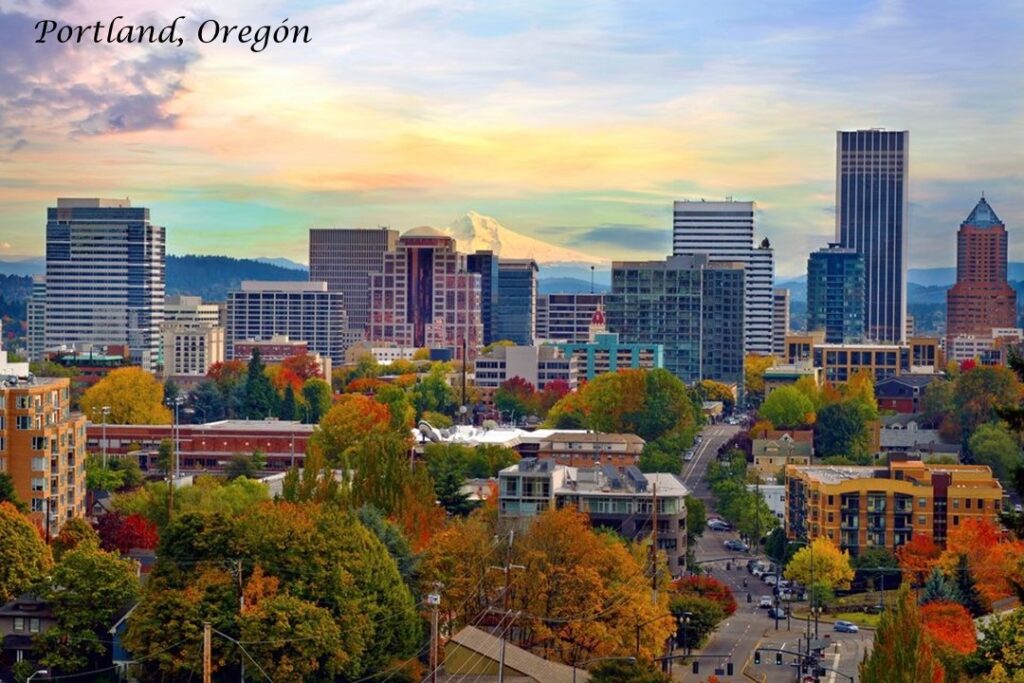
The origin of Oregon’s name is one of the strangest and most debated of all. Some historians suggest it came from the French word ouragan, meaning hurricane, used to describe the wild winds of the Columbia River Gorge. Others believe it may have come from a misreading of Native words or from the Spanish term orejón, meaning “big ears.” The uncertainty surrounding the name only adds to its mystique, making Oregon one of the most enigmatic state names in the country.