The tactic relies on subtle social signaling. A traveler might sit across from an empty chair as if waiting for someone, keep a second jacket draped nearby, or mention that her partner is checking into the hotel. The goal is to project that she is not alone, even when she is. In certain situations, perceived partnership reduces unsolicited interactions. It is a behavioral cue, not a confrontation. The strategy is designed to feel natural rather than theatrical. When done casually, it blends into everyday travel behavior. The power lies in suggestion, not performance.
Why It Works
In many cultures, visible couple dynamics receive more social respect than solo female presence. While that reality is frustrating, it influences behavior. The perception of a nearby partner can discourage individuals seeking easy engagement. The tactic leverages social norms rather than direct rejection. It shifts attention elsewhere without escalating tension. Social psychology suggests perceived accountability changes conduct quickly. Even the hint of another person nearby can alter someone’s approach. The tactic works because it reduces perceived accessibility. It subtly signals that interaction will be observed or questioned.
Where Women Use It Most
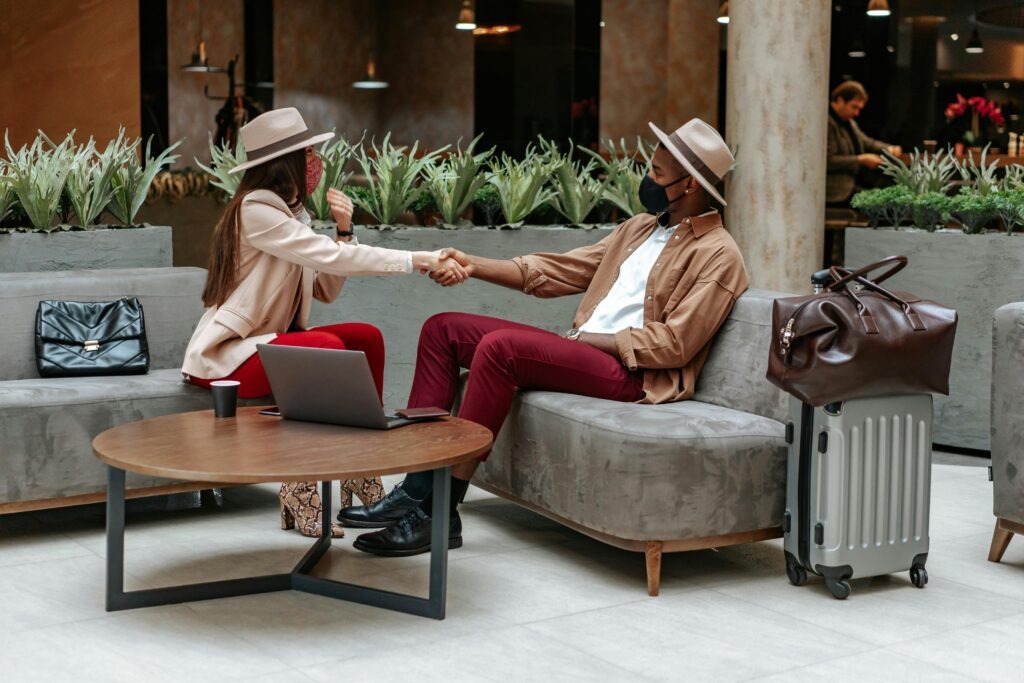
Airports, hotel bars, rideshares, and busy tourist districts are common settings. The tactic often appears in transitional spaces where women may feel more exposed. A brief phone call that references meeting a partner shortly can reduce further questions. In crowded nightlife areas, standing near another group and signaling familiarity can serve a similar function. The method is especially common in unfamiliar cities. Transitional moments tend to invite more unsolicited interaction. The tactic is often used preventively, not reactively. Many women describe it as a quiet buffer rather than a dramatic move.
The Digital Version
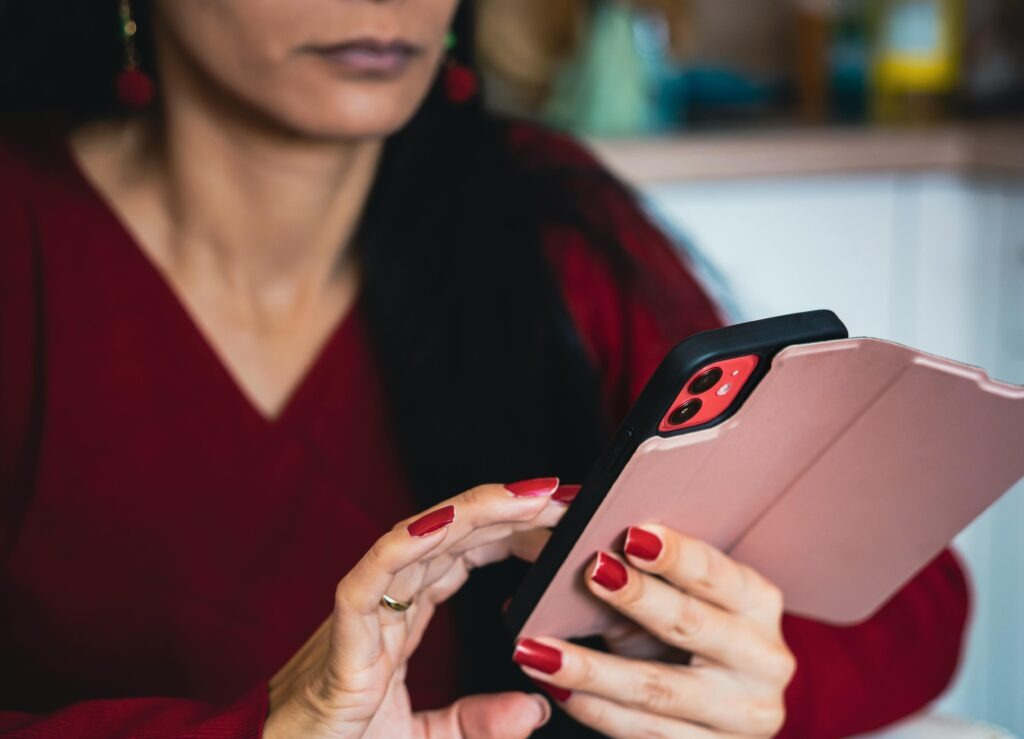
Some travelers take the strategy online. Updating a ride-hailing app to show a shared trip, texting visibly about meeting someone, or wearing a simple band on the left hand can reinforce the message. The goal is to create perceived accountability, suggesting someone nearby expects her return. Even mentioning a partner casually in conversation can shift tone. The approach relies on small, believable details rather than elaborate stories. Technology can reinforce the illusion without creating unnecessary risk. A visible lock screen notification referencing “meeting you soon” can send a similar signal.
The Limits and Ethical Questions
The tactic is not foolproof. It does not address deeper cultural issues around harassment. Some critics argue that women should not need to imply partnership to secure respect. Still, many solo travelers view it as a practical tool rather than a statement. It offers immediate, low-conflict boundary-setting in specific scenarios. The conversation around it continues to evolve. For some, it is a temporary workaround rather than a long-term fix. It highlights ongoing gaps in how public spaces are experienced. The strategy acknowledges reality while broader cultural change continues to develop.
A Strategy, Not a Solution

The Fake Couple tactic reflects a broader conversation about safety and autonomy. It is one tool among many, alongside situational awareness, confident body language, and choosing well-lit environments. For solo women in 2026, travel remains empowering. Strategies like this are not about fear. They are about control. Sometimes a small social cue is enough to redirect attention and preserve peace of mind. Used thoughtfully, it allows travelers to move forward without confrontation. Ultimately, the goal is not deception, but uninterrupted independence. The tactic empowers women to manage situations on their own terms.