
When people think about the impact of global conflicts, they usually imagine rising fuel costs, supply shortages, or headlines about international trade. What often goes unnoticed is how those same events quietly show up in everyday life, especially in the kitchen. Over the past few years, families have started noticing something unusual during routine grocery trips. A basic item, something used almost daily and rarely thought about, has become noticeably more expensive. It is not a luxury product or a rare import. It is cooking oil, and its price tells a much larger story about how interconnected the world has become.
The Everyday Item No One Expected to Get Expensive
Cooking oil has always been one of those items people pick up without much thought. It sits quietly on grocery shelves, used for everything from frying and baking to preparing everyday meals.
That is exactly why the price change feels surprising. Families are used to fluctuations in items like fuel or seasonal produce, but cooking oil has traditionally been stable and predictable.
When something so basic suddenly becomes expensive, it stands out in a way that more obvious price increases do not.
Why Cooking Oil Is Suddenly a Global Issue
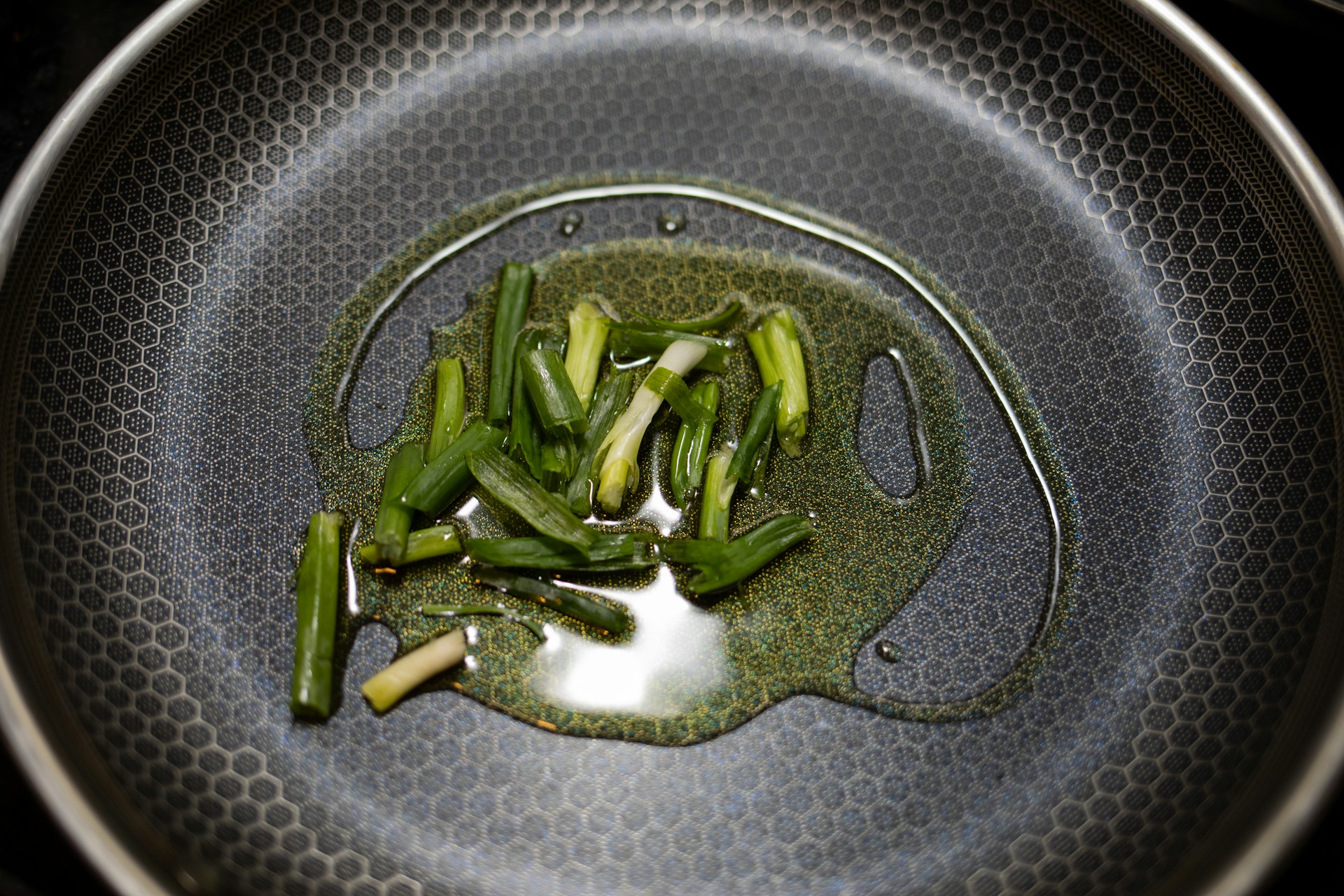
The reason behind this shift lies in global supply chains. A large portion of the world’s cooking oil supply, particularly sunflower oil, comes from regions that have been directly affected by conflict.
When production slows or exports are disrupted, the effect does not stay local. It spreads quickly across international markets.
As supply tightens, prices rise, and countries begin competing for available stock. What starts as a regional issue quickly becomes a global one.
How War Disrupted a Basic Kitchen Staple
Conflicts affect more than just borders. They interrupt farming, processing, transportation, and trade routes. In the case of cooking oil, fields that once produced large quantities of crops may be damaged or inaccessible.
Shipping routes can become unpredictable, and export systems slow down. Even when production continues, getting the product to global markets becomes more difficult.
All of this reduces supply at a time when demand remains steady, creating a gap that leads to higher prices.
Why Prices Changed Faster Than People Expected

One of the most surprising parts of this situation is how quickly prices changed. Grocery items are often expected to adjust slowly, but global supply disruptions can move much faster.
As soon as markets sense a shortage, prices begin to react. Distributors adjust costs, retailers follow, and within a short time the difference shows up on store shelves.
For families, it can feel like prices changed overnight, even though the underlying causes developed over months.
What Families Are Doing to Adjust
Many households have started adapting in small but noticeable ways. Some are switching to alternative oils depending on availability and price.
Others are becoming more mindful of how much oil they use in cooking, stretching supplies where possible.
These adjustments are not dramatic, but they reflect how even small price changes can influence everyday habits in the kitchen.
The Bigger Story Behind a Simple Grocery Item
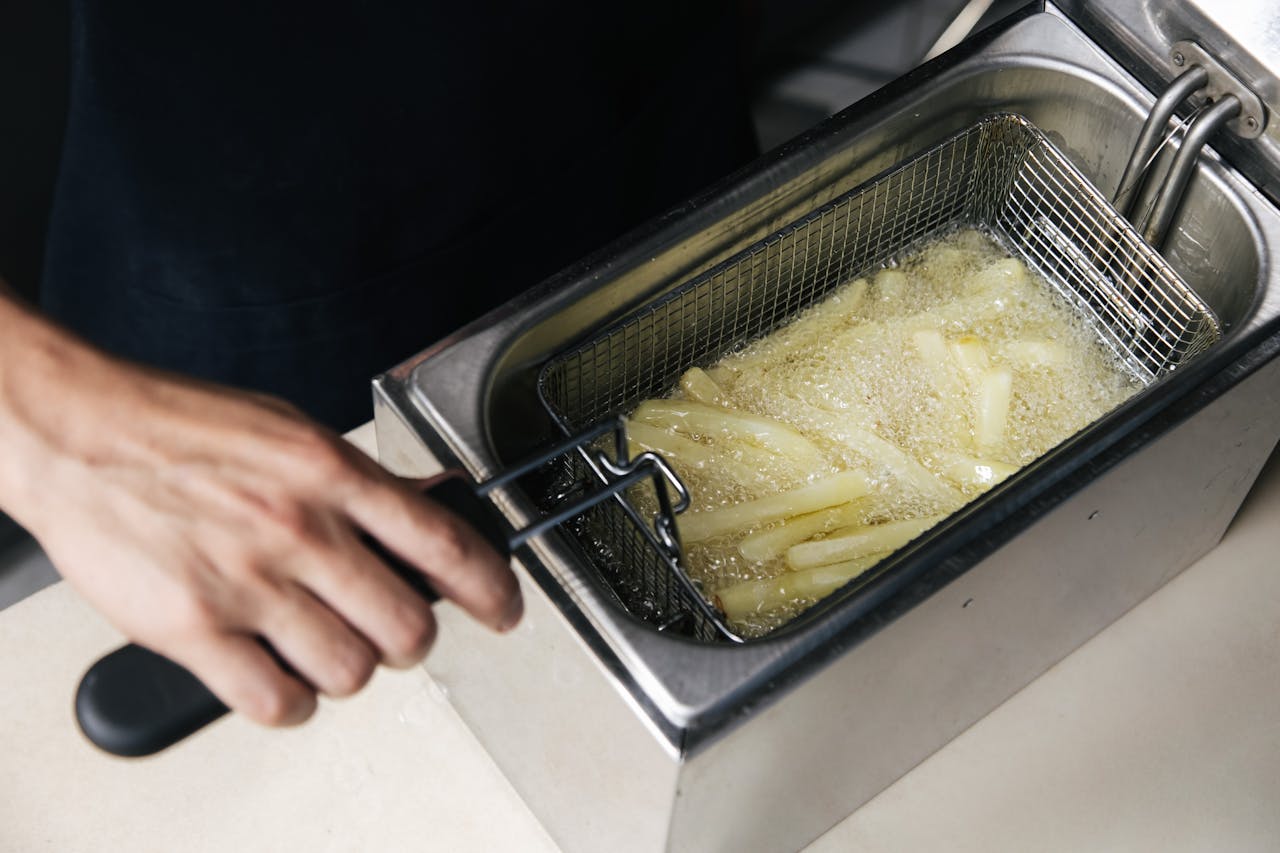
The rising cost of cooking oil highlights something larger than a single product. It shows how deeply connected global systems are, and how events in one part of the world can quietly shape daily life elsewhere.
For many families, the change is not just about spending a little more at the grocery store. It is a reminder that global events are not distant or abstract. They can appear in the most ordinary places, like a bottle of oil sitting on a kitchen shelf.
In that sense, the story of cooking oil is not just about food. It is about how the world works, and how closely everyday life is tied to events happening far beyond our immediate surroundings.