Travel used to be about discovery, adventure, and connecting with new cultures. Today, social media has added a new layer. Photos, videos, and posts allow people to share experiences instantly, and sometimes, the experience itself becomes secondary to the perfect shot.
This trend has led to what many call “Insta‑worthy” travel, visiting places not just to see them, but to capture the most eye-catching, shareable images. At first glance, it might seem harmless. Who doesn’t want to share memories with friends and family?
But recently, more travelers, locals, and experts are calling attention to the hidden downsides. The pursuit of the perfect photo can have social, environmental, and even personal consequences.
What “Insta‑Worthy” Travel Really Means
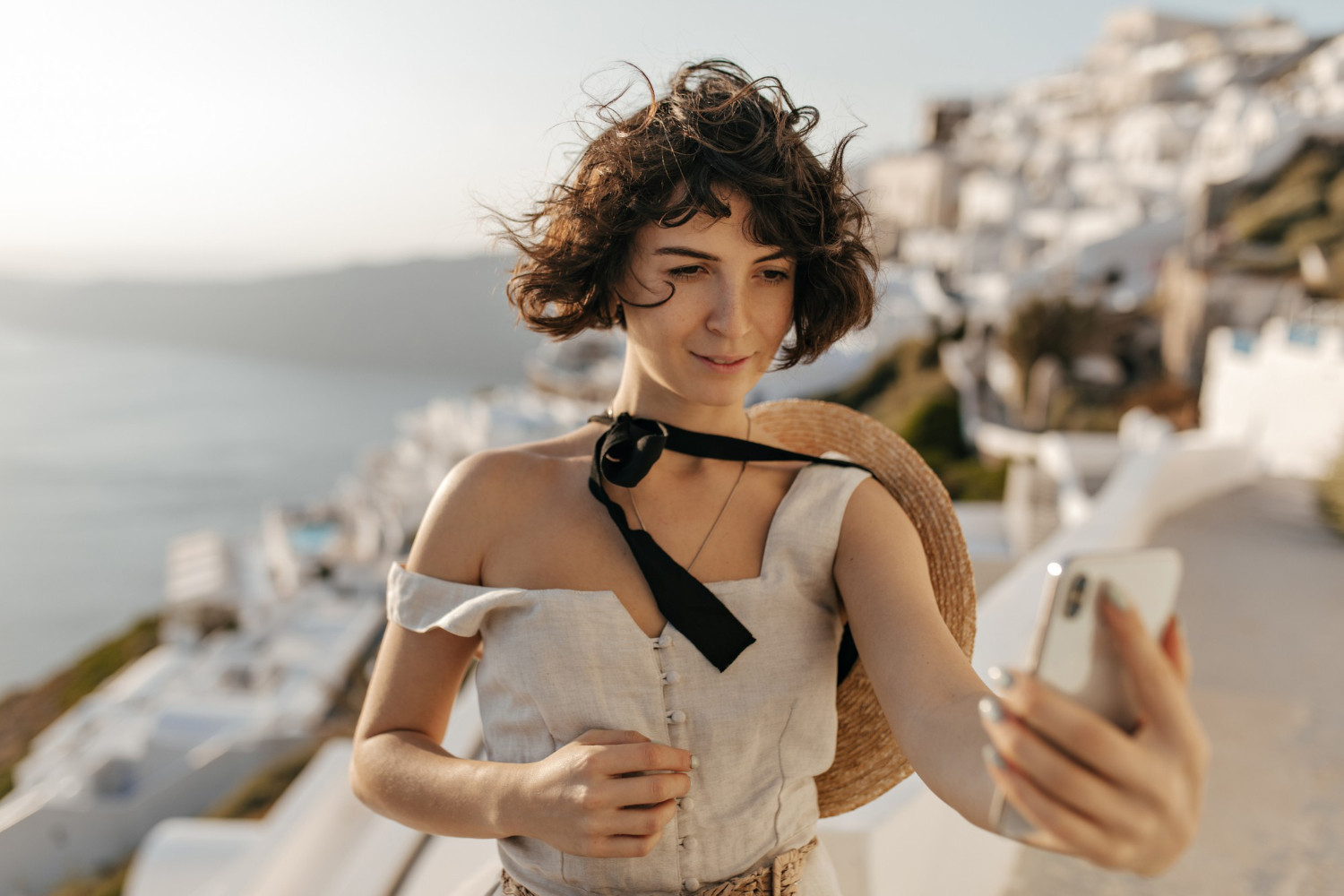
“Insta‑worthy” travel refers to visiting destinations with the intention of creating visually appealing content for social media. Think dramatic cliffs, colorful streets, or exotic cafés. The goal is to post photos that get likes, comments, or followers.
The experience can feel curated. Every detail, lighting, angle, outfit, may be carefully considered. Sometimes, the actual interaction with a place becomes secondary to the content it produces.
This is not inherently wrong. Social media can inspire people to explore new places. But problems arise when popularity leads to over-tourism, environmental damage, or unrealistic expectations.
The Environmental Impact
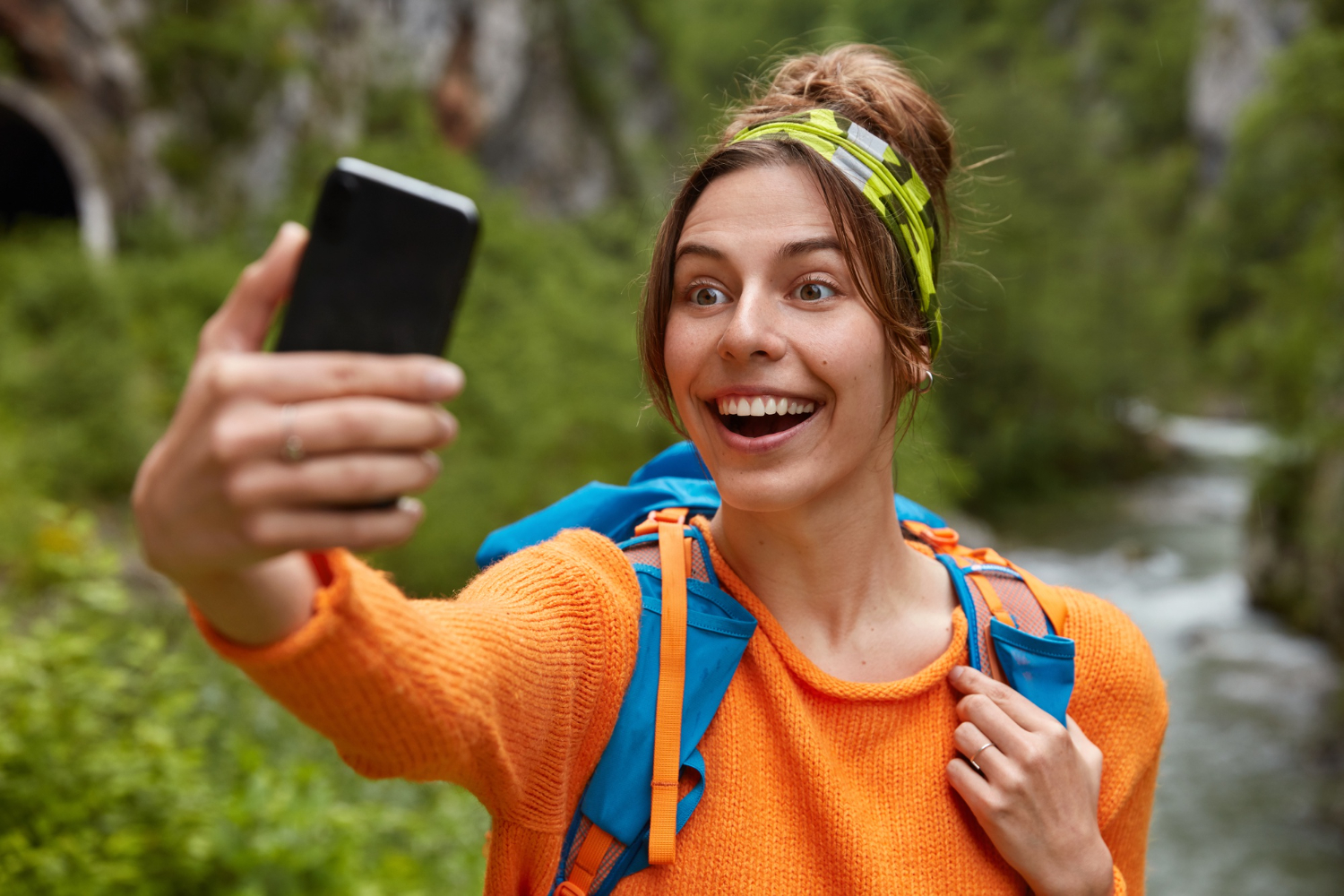
Instagram hotspots can quickly become overwhelmed. Famous landmarks, beaches, and natural reserves have seen spikes in visitors after viral posts.
High foot traffic can erode trails, damage fragile ecosystems, and disturb wildlife. For example, some national parks have limited visitor numbers because foot traffic threatens plant and animal life.
Sustainable tourism experts warn that chasing the perfect shot without consideration for the environment can have lasting consequences. Even a single viral post can unintentionally attract thousands of visitors to a fragile location.
Pressure to Perform
Social media also changes how travelers feel about themselves. Photos and curated posts often show the highlight reel of someone’s trip, perfect scenery, flawless outfits, smiling friends.
For travelers, this can create pressure to perform. Some feel they need to stage every activity, hire expensive tours, or visit multiple destinations in a single day just to capture content that looks impressive online.
Psychologists note that this can reduce the enjoyment of the moment. Instead of relaxing, exploring, or learning, people may feel stressed to create shareable content.
The Effect on Local Communities
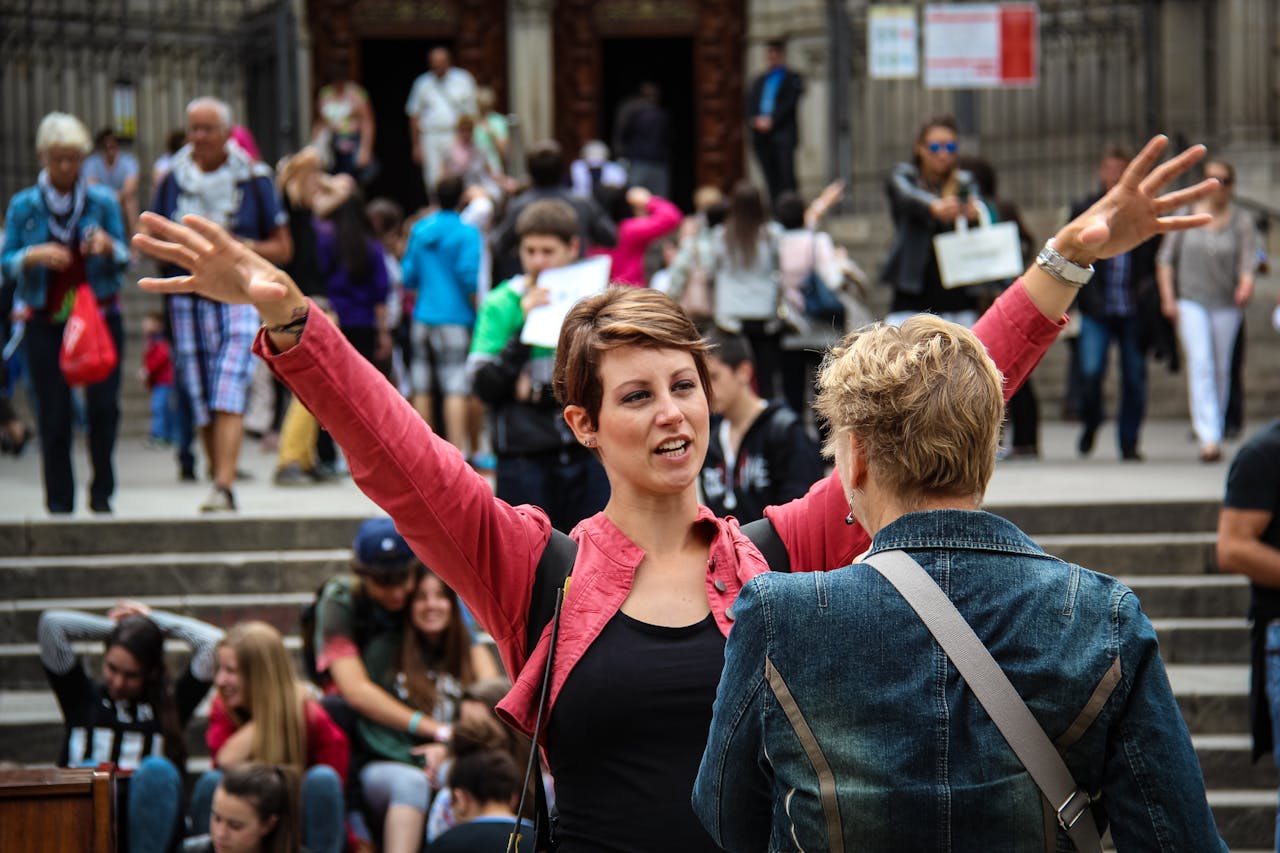
In some popular destinations, locals have noticed a shift in tourism behavior. Visitors may prioritize photo opportunities over cultural understanding or meaningful interaction.
This can change the character of neighborhoods. Small businesses may cater more to tourists chasing aesthetics than to residents’ needs. Traditional practices can be commercialized or simplified to look better on camera.
The result is that local culture risks being presented as a backdrop rather than a lived experience.
Rethinking Travel
“Insta‑worthy” travel can be fun, inspiring, and even educational. But the pressure to capture the perfect shot has a hidden side, environmental strain, social pressure, and cultural impacts.
The key is awareness. Understanding the consequences of our travel choices allows us to enjoy the moment, share responsibly, and help preserve the destinations we love.
Ultimately, travel is most rewarding when it’s about the experience itself, not just how it looks online.