Architecture tells stories that history books alone cannot capture. From grand government buildings to humble homes that inspired revolutions, America’s landmarks preserve moments that shaped the nation. For children, visiting these sites brings history to life in a tangible way, allowing them to imagine the people who lived, worked, and dreamed within their walls. These structures are more than stone and wood, they are living lessons in courage, innovation, and cultural identity. Sharing these experiences with kids helps them appreciate how the past built the foundation of the present.
Architecture is one of the most powerful storytellers of the past. By visiting these nine historic buildings, families can help children connect more deeply with the events, people, and ideas that shaped the United States. Each structure, whether it’s a mission in California or a skyscraper in New York, offers lessons about ambition, culture, and resilience. For kids, standing in the spaces where history happened sparks imagination in ways no textbook can. Exploring these sites together ensures that the lessons of the past are carried forward to the next generation.
The White House, Washington D.C.
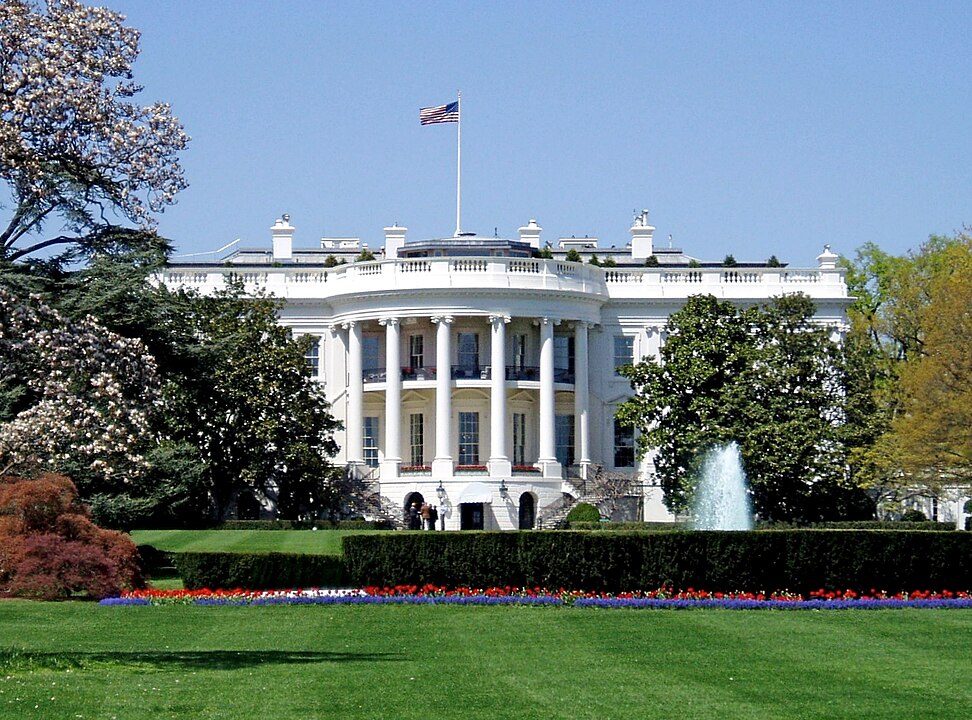
The White House stands as the most recognized symbol of American leadership. Completed in 1800, it has housed every U.S. president since John Adams. For children, touring the rooms and gardens provides a vivid connection to the stories they hear about presidents and first families. Seeing where history has unfolded, from important speeches to state dinners, makes civics more personal. The building’s neoclassical design also helps kids understand how architecture itself communicates authority and stability.
Independence Hall, Philadelphia, Pennsylvania
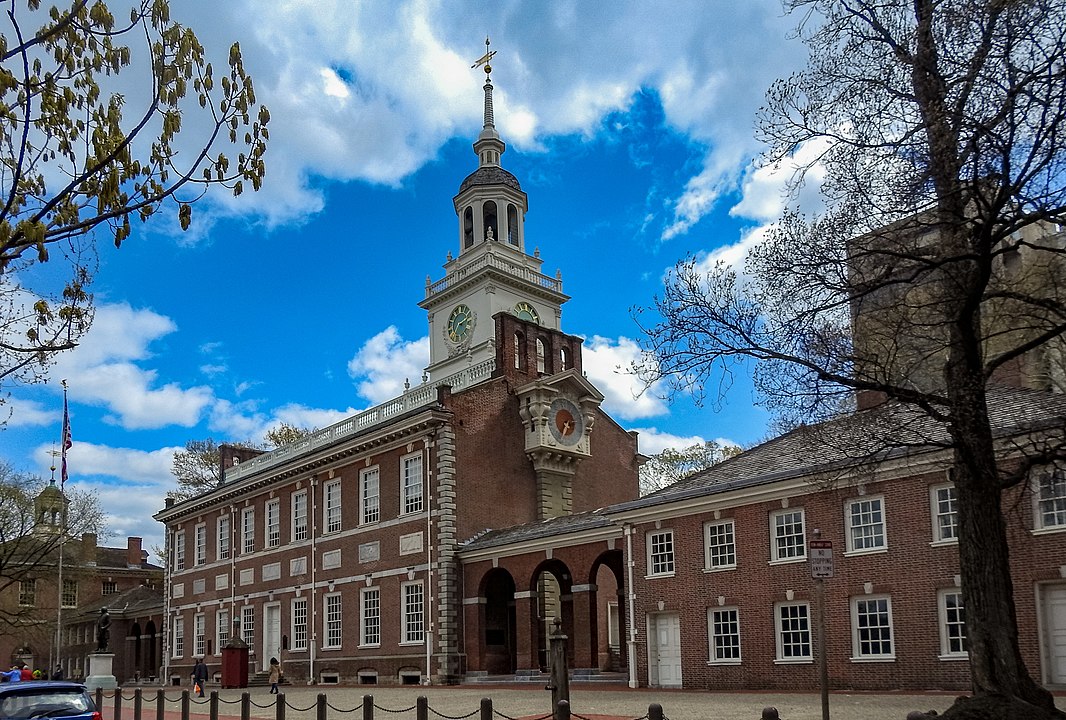
Independence Hall is where both the Declaration of Independence and the U.S. Constitution were signed, making it one of the most important historic buildings in America. Its Georgian style is simple but dignified, reminding children that monumental decisions do not require grandeur. Families who visit can walk through the Assembly Room, where debates about freedom and governance shaped the nation’s future. For kids, being in the exact room where America declared independence sparks curiosity and pride. It shows them that ideas written on paper can change the world.
Monticello, Charlottesville, Virginia
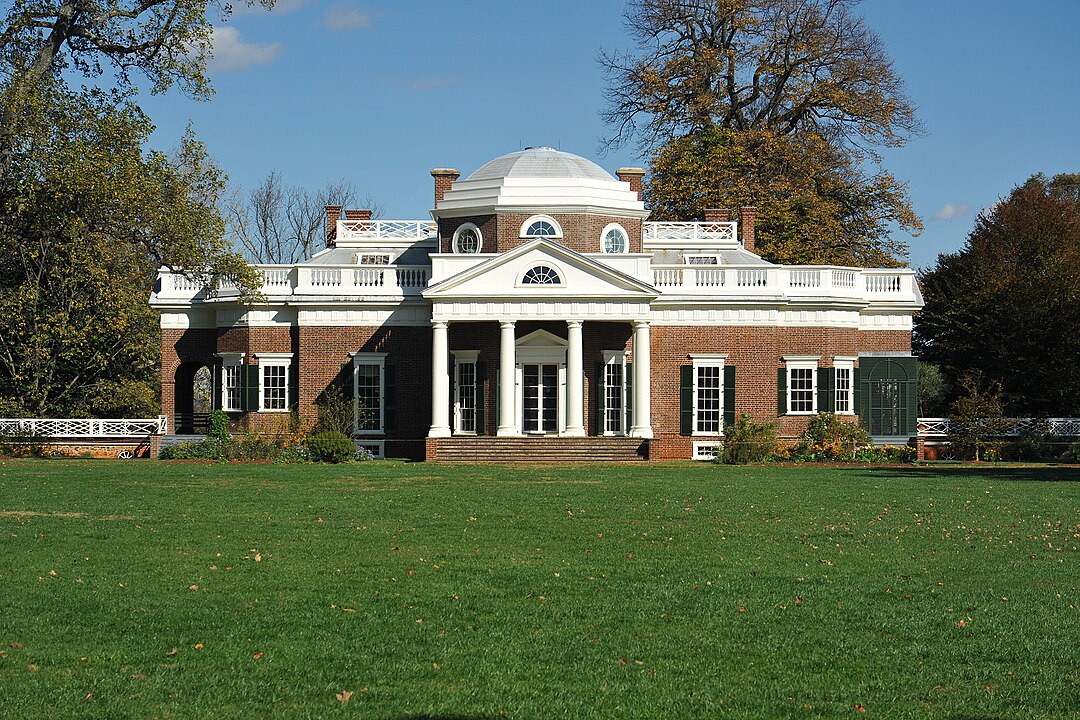
Thomas Jefferson’s Monticello is more than just a home, it is a window into the mind of one of America’s most complex founders. The neoclassical mansion reflects Jefferson’s love for architecture, science, and innovation. Kids will enjoy discovering features like the hidden dumbwaiter for wine bottles and Jefferson’s library of inventions. At the same time, Monticello introduces children to deeper discussions about slavery, since the estate was built and maintained by enslaved people. It helps young visitors learn that history is layered, with both achievements and contradictions.
The Biltmore Estate, Asheville, North Carolina
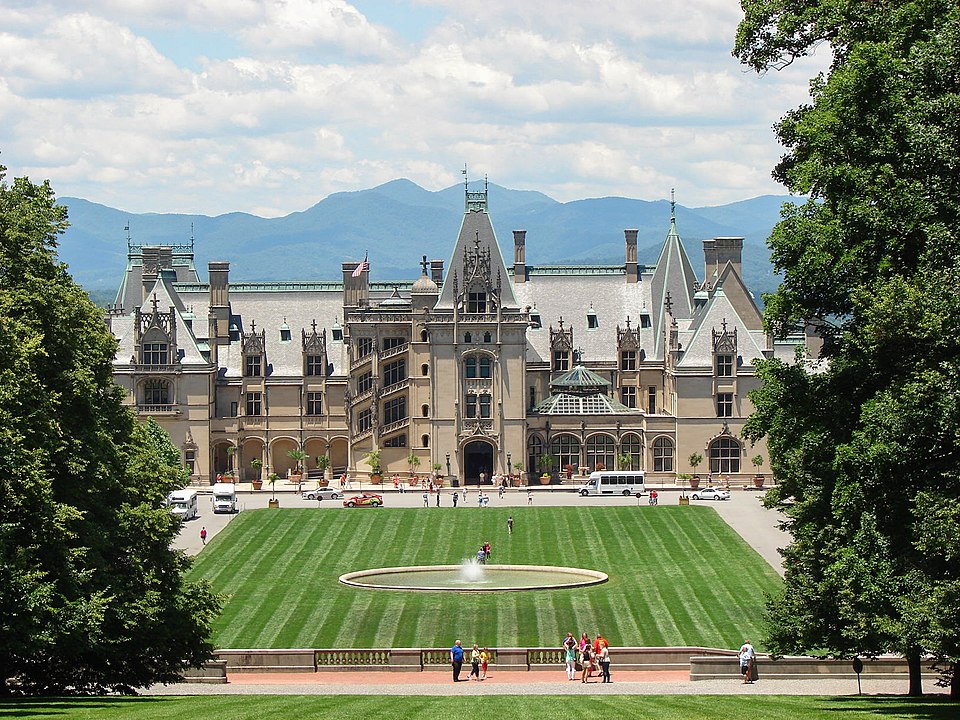
America’s largest privately owned home, the Biltmore Estate, gives children a glimpse into the Gilded Age. Built by George Vanderbilt in the late 1800s, the mansion contains 250 rooms and was designed in a French Renaissance style. Touring the home, kids are often fascinated by its indoor swimming pool, bowling alley, and grand banquet hall. The estate’s gardens and surrounding forests also demonstrate how architecture and nature can be planned together. It’s an opportunity to show children how wealth and ambition shaped entire eras of design.
The Empire State Building, New York City, New York
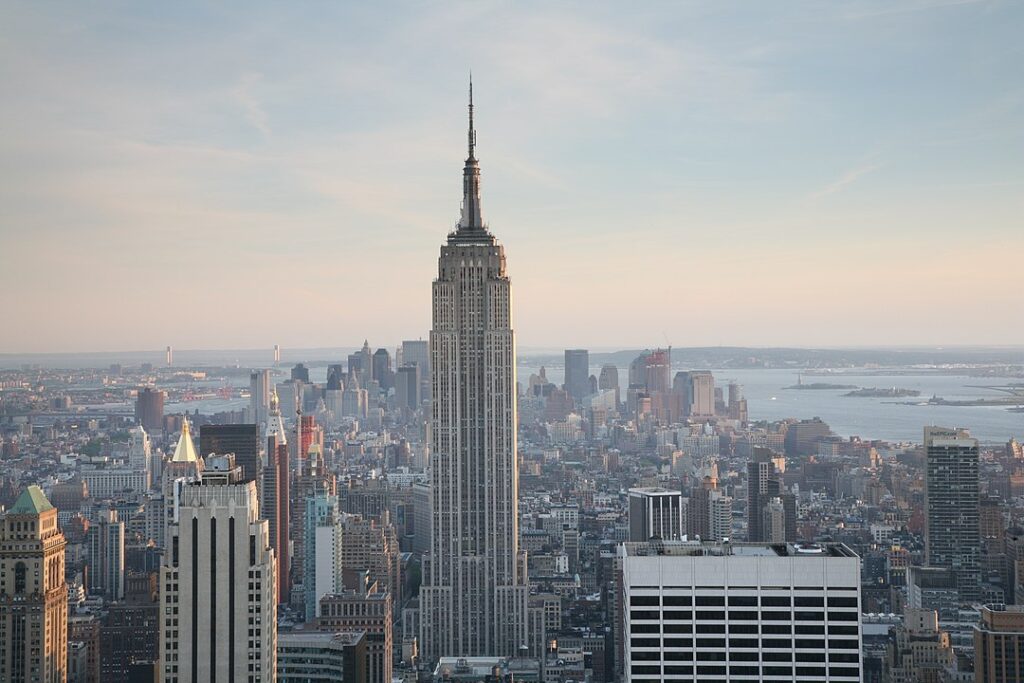
The Empire State Building represents America’s leap into modern architecture and ambition. Completed in 1931 during the Great Depression, it was the tallest building in the world for nearly four decades. For children, the sheer size of the skyscraper makes a lasting impression, while the Art Deco design introduces them to a distinct architectural style. Visiting the observation deck allows kids to see New York City from above, giving them a sense of how architecture can transform a skyline. It remains a symbol of innovation and resilience.
Mission San Juan Capistrano, California
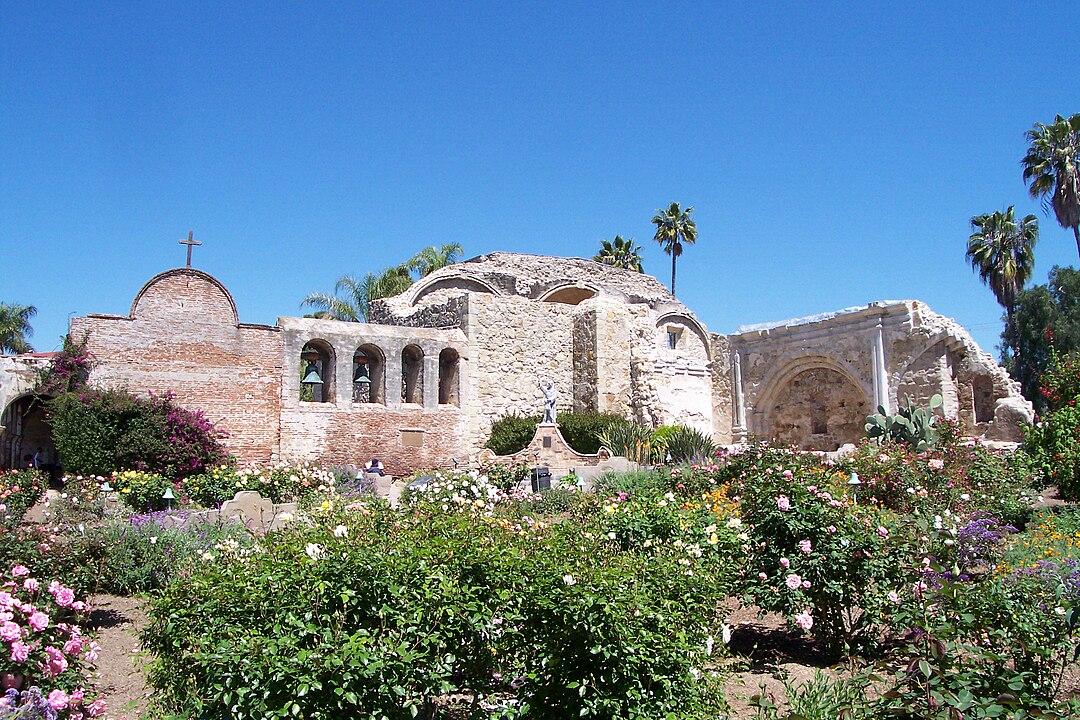
Built in 1776, Mission San Juan Capistrano is known as the “Jewel of the Missions” and represents California’s Spanish colonial history. The mission system was central to the region’s cultural development, and its adobe walls tell stories of both Native American and Spanish influence. Children will find the gardens and chapel fascinating, as well as the annual return of the cliff swallows. Visiting the mission helps families discuss how diverse cultures contributed to America’s growth. Its simple, rustic design also teaches that beauty lies in function as much as form.
The U.S. Capitol Building, Washington D.C.
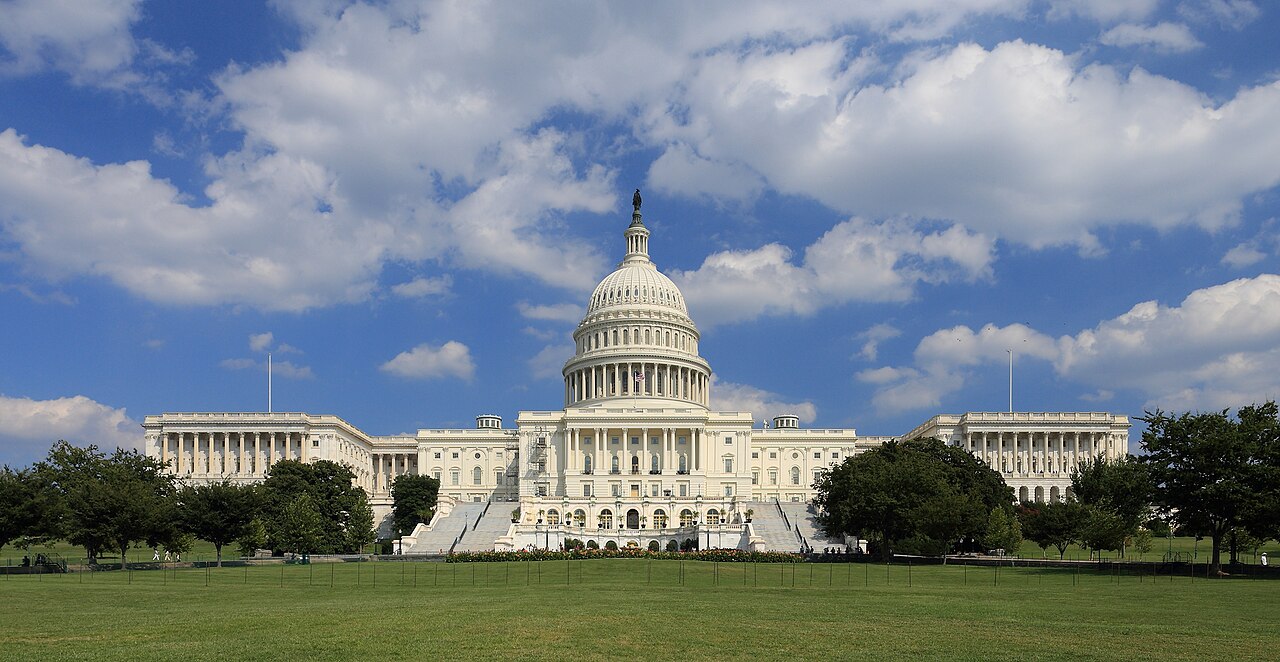
The U.S. Capitol is more than a workplace for Congress—it is a visual symbol of democracy. With its famous dome and expansive chambers, the building demonstrates how architecture reflects political ideals. Families who tour the Capitol learn about how laws are made and the debates that have taken place there for centuries. Kids can imagine the voices of history echoing through the halls as decisions that shaped the nation were argued and resolved. The Capitol connects children to the living, ongoing story of American government.
Fallingwater, Mill Run, Pennsylvania
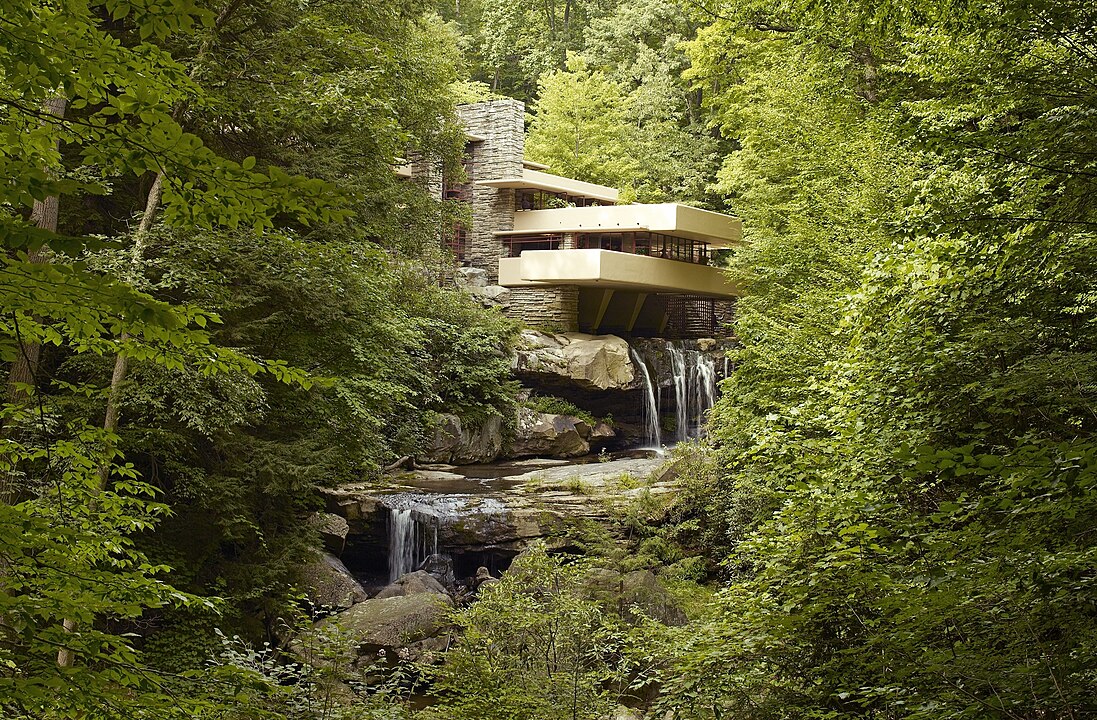
Frank Lloyd Wright’s Fallingwater is an architectural masterpiece that merges nature with design. Built in 1939, the house is perched over a waterfall and incorporates stone, glass, and wood in ways that blend seamlessly into the landscape. Kids will be amazed to see how a house can feel like part of the forest rather than separate from it. Fallingwater introduces children to the idea that architecture is not just about shelter but also about harmony with the environment. It inspires creativity and respect for nature.
Mount Vernon, Mount Vernon, Virginia
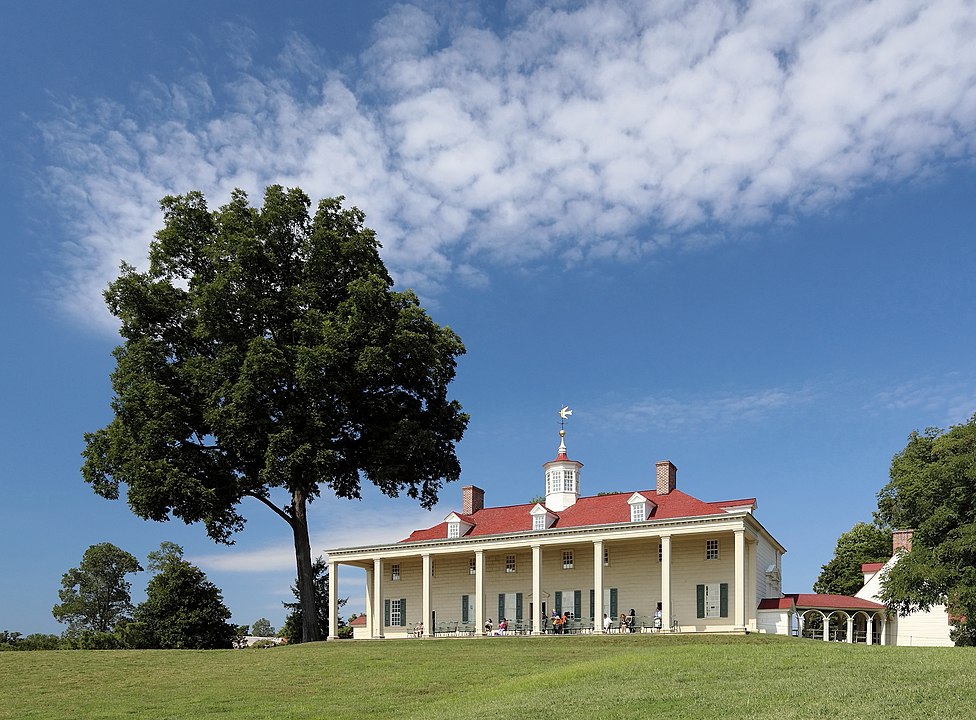
George Washington’s Mount Vernon offers children a chance to step into the life of the nation’s first president. The estate includes the mansion, gardens, and working farm, all preserved to reflect daily life in the 18th century. Kids can explore the outbuildings, see how food was prepared, and imagine Washington walking the grounds. Mount Vernon also provides context for discussions about leadership and responsibility. It’s an immersive experience that connects the history of a great leader to the everyday lives of early Americans.