The United States is home to some of the world’s most beautiful coastlines, but a few beaches have earned a reputation for frequent shark encounters. While shark attacks are still rare, certain areas have seen higher incidents, making them hotspots for caution. If you’re planning a beach trip and want to stay informed, here are the nine most dangerous beaches in the U.S. ranked by their history of shark attacks.
1. New Smyrna Beach, Florida
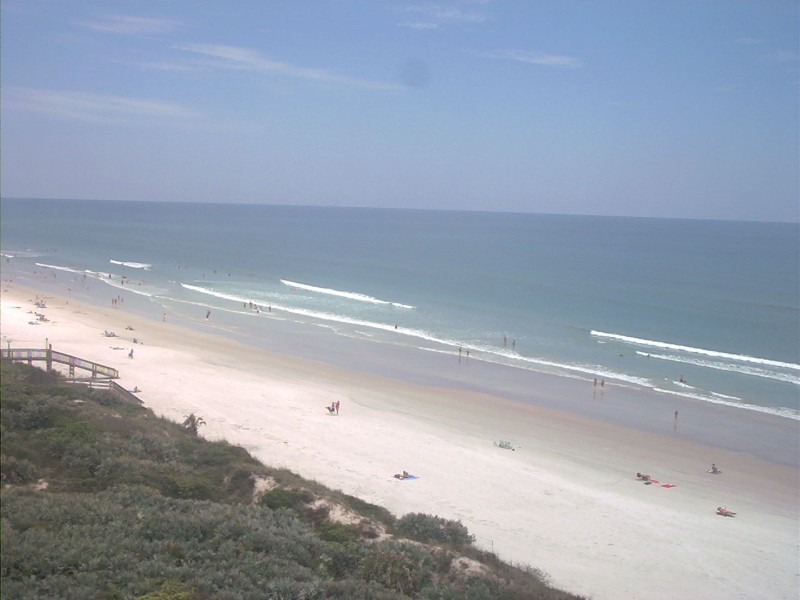
New Smyrna Beach is often called the “shark attack capital of the world,” with more recorded attacks than any other beach in the U.S. The combination of warm waters and abundant fish draws large populations of sharks close to shore. Most attacks here are minor bites, but swimmers should remain vigilant. Lifeguards and local officials continuously monitor conditions to keep beachgoers safe.
2. Cape Cod, Massachusetts
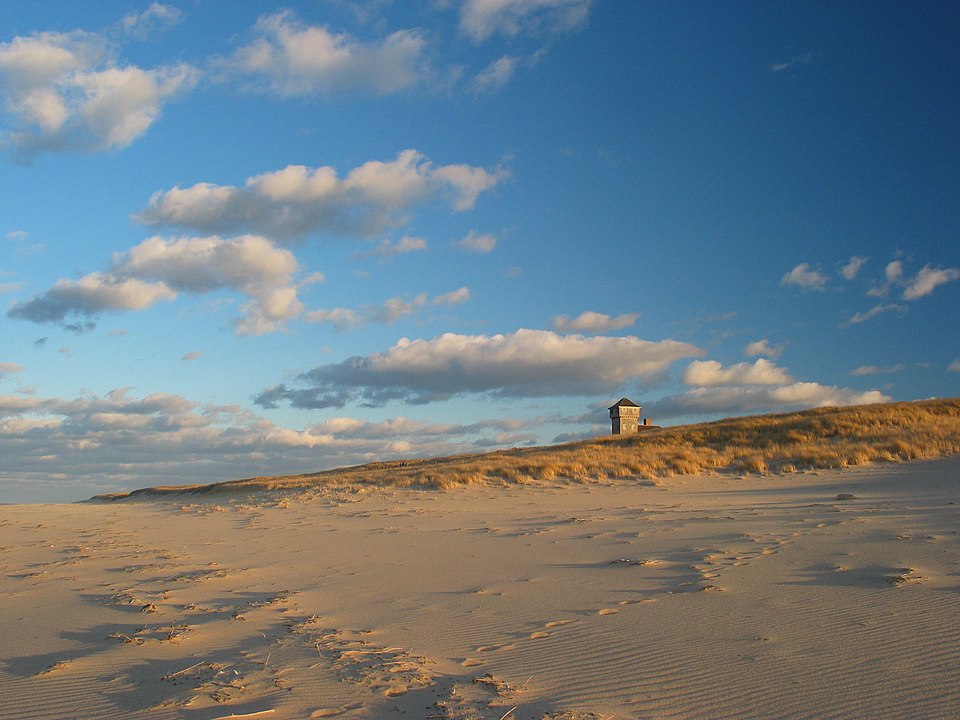
Cape Cod has become a notable hotspot for great white shark sightings and attacks, especially during the summer months. The area’s seal population attracts sharks, increasing their presence near popular swimming and surfing spots. While attacks remain uncommon, visitors are urged to heed warnings and avoid swimming at dawn or dusk. Cape Cod’s unique ecosystem makes it a fascinating but potentially risky place to swim.
3. Waikiki Beach, Hawaii
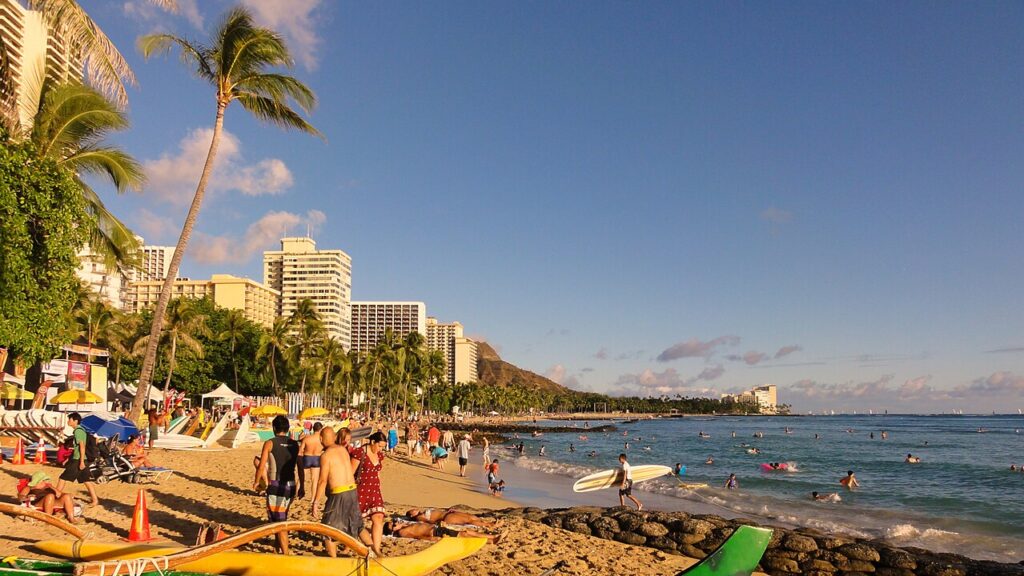
Waikiki Beach is one of Hawaii’s most famous destinations but has experienced several shark incidents over the years. The warm Pacific waters and plentiful fish create a perfect environment for tiger sharks. Despite extensive safety measures, the risk remains, particularly in less crowded areas. Visitors should always respect local guidelines and swim in designated safe zones.
4. Galveston, Texas
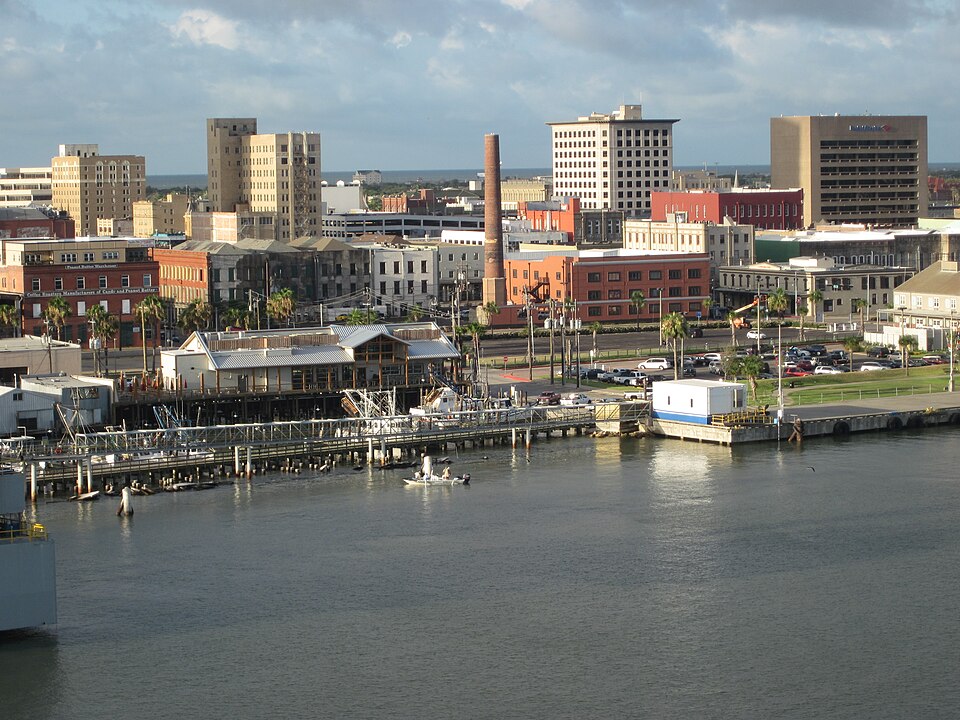
Galveston’s Gulf Coast beaches have recorded multiple shark attacks, primarily involving bull sharks and tiger sharks. These species are known to venture into shallow waters, increasing the chance of encounters with swimmers. The beach’s popularity during summer means high numbers of people in the water. Local authorities emphasize the importance of staying alert and swimming near lifeguards.
5. Huntington Beach, California
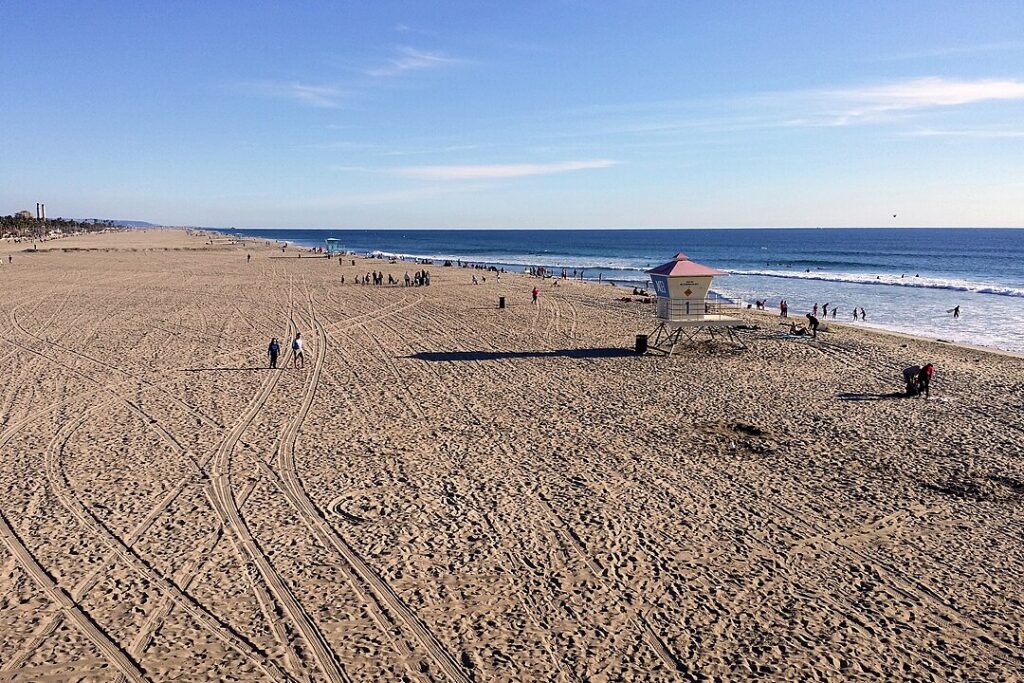
Known as “Surf City USA,” Huntington Beach is famous for its surfing culture but also has a history of shark sightings. Great white sharks have been spotted close to shore, especially in the fall and winter months. While attacks are rare, surfers and swimmers are advised to avoid areas where seals congregate. The beach has implemented warning systems to alert visitors when sharks are nearby.
6. Topsail Island, North Carolina
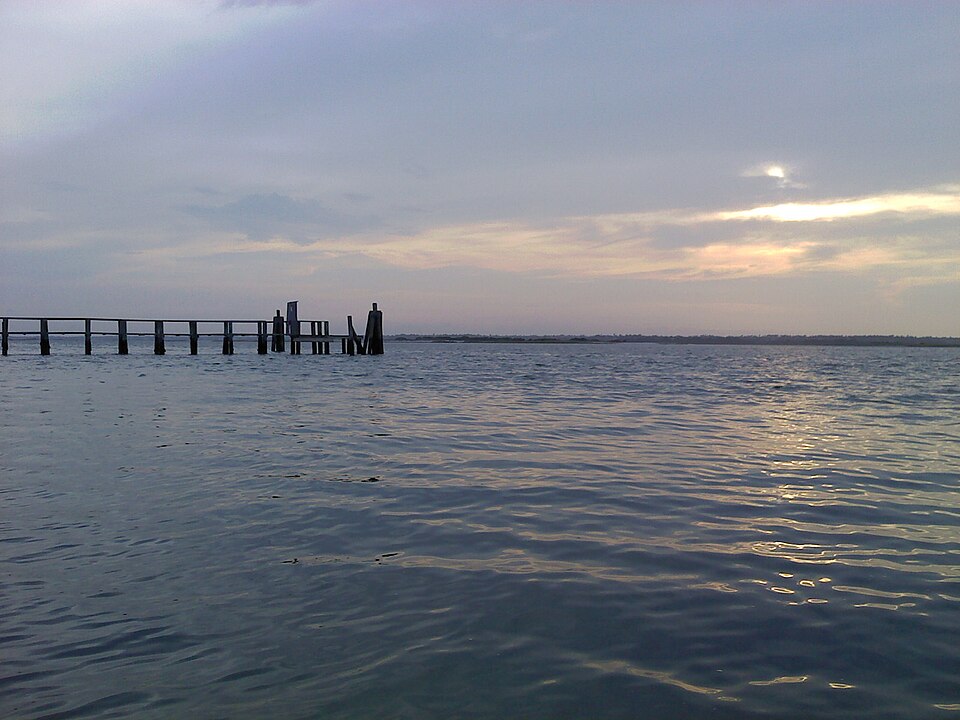
Topsail Island has seen a rise in shark encounters in recent years, with multiple reports involving various shark species. The warm Atlantic waters and abundant marine life create a hotspot for sharks feeding close to shore. Despite increased sightings, attacks remain infrequent. Officials encourage beachgoers to stay informed about local shark activity and follow safety protocols.
7. Myrtle Beach, South Carolina
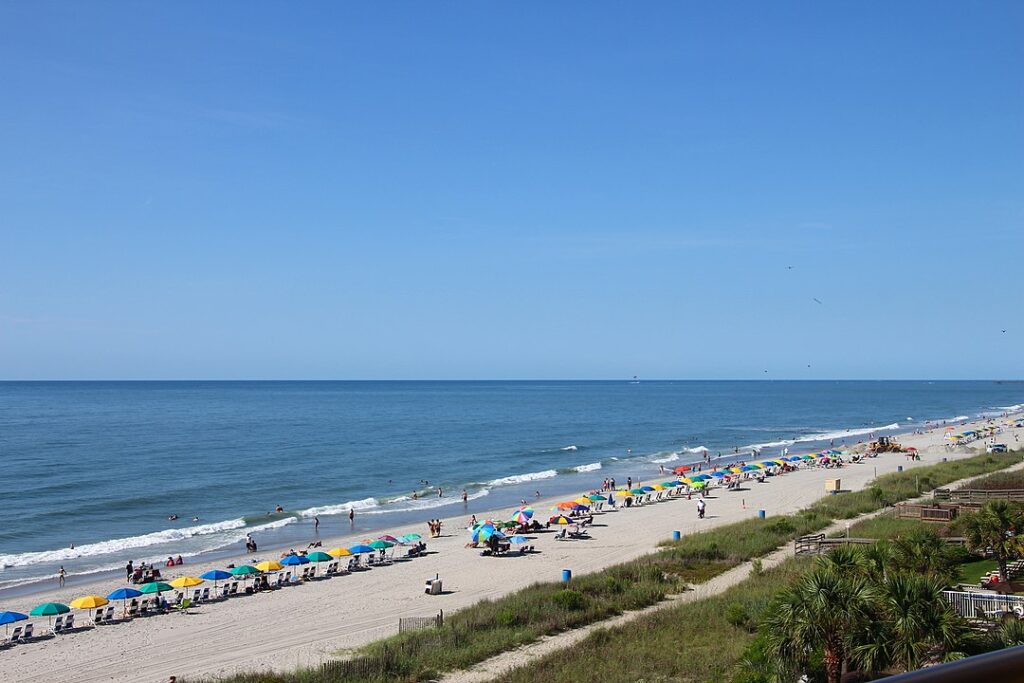
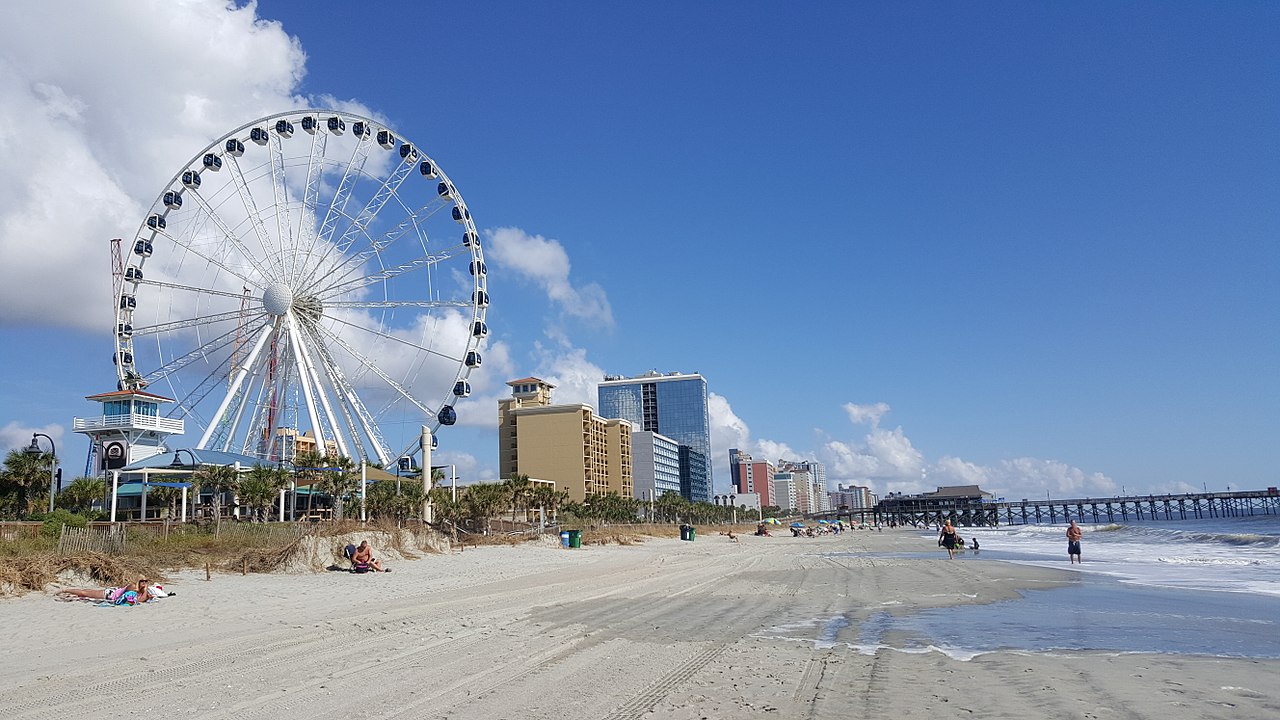
Myrtle Beach is a favorite vacation spot that has experienced several shark bites, mostly involving blacktip and bull sharks. These sharks are attracted to the shallow coastal waters, especially during summer. The high volume of swimmers and boaters increases the chance of encounters. Lifeguards regularly inform visitors about safety measures and recent shark activity.
8. Ocean City, Maryland
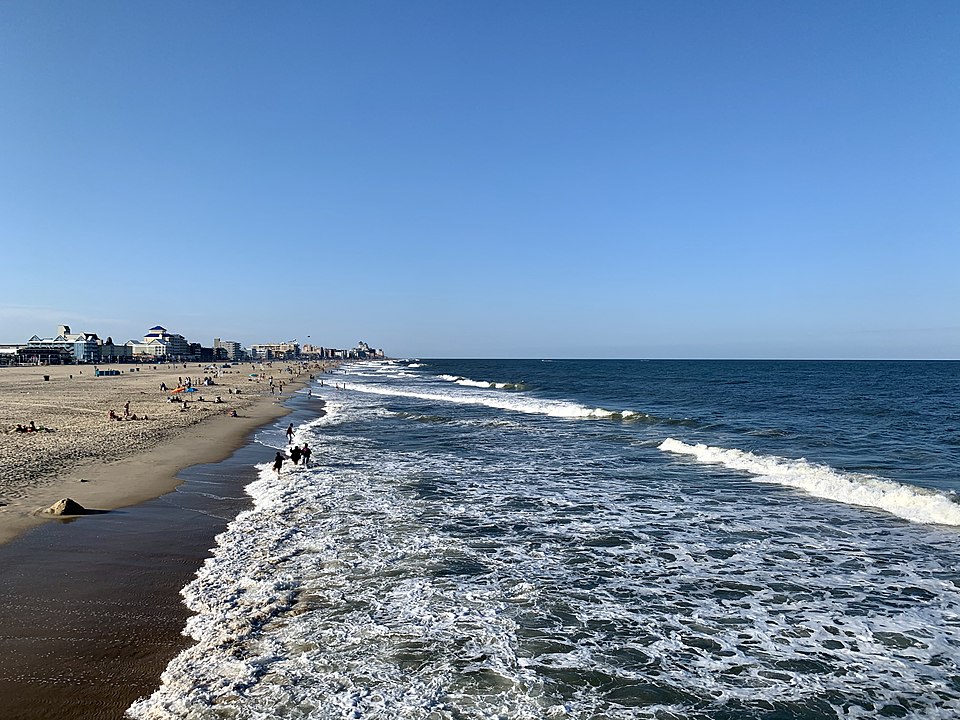
Ocean City’s beaches have reported shark sightings, with occasional minor attacks on swimmers and surfers. The area is frequented by blacktip and sand tiger sharks, particularly during warmer months. Despite this, the community maintains a robust safety system, including shark spotters and public alerts. Visitors are advised to stay in monitored swimming areas and avoid swimming alone.
9. Sebastian Inlet, Florida
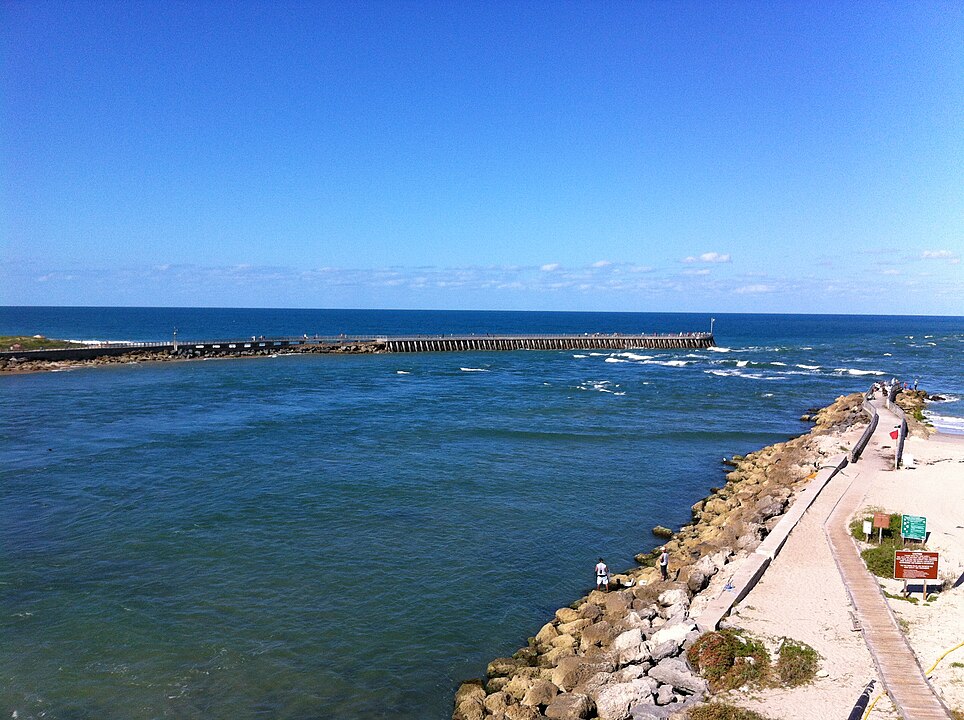
Sebastian Inlet is known for its strong currents and abundant marine life, making it a prime area for sharks. The inlet attracts species like bull sharks, which have been involved in several attacks over the years. Swimmers and surfers should exercise caution, especially during high tide. Local authorities provide updates on shark activity and recommend swimming during daylight hours.