When people imagine venomous animals, they often picture remote jungles, tropical islands, or deep oceans far from daily life. In reality, some of the most venomous creatures in the United States live much closer to humans than most people realize. They can be found in forests, deserts, suburban yards, lakes, and sometimes even inside garages, sheds, and basements.
Venomous animals use toxins to capture prey or defend themselves. Although encounters with them are relatively rare, they do happen, especially when people accidentally disturb them. The good news is that most of these creatures are not aggressive and usually try to avoid humans whenever possible.
Below are seven of the most venomous creatures in America that may be living closer to you than you think.
Eastern Diamondback Rattlesnake
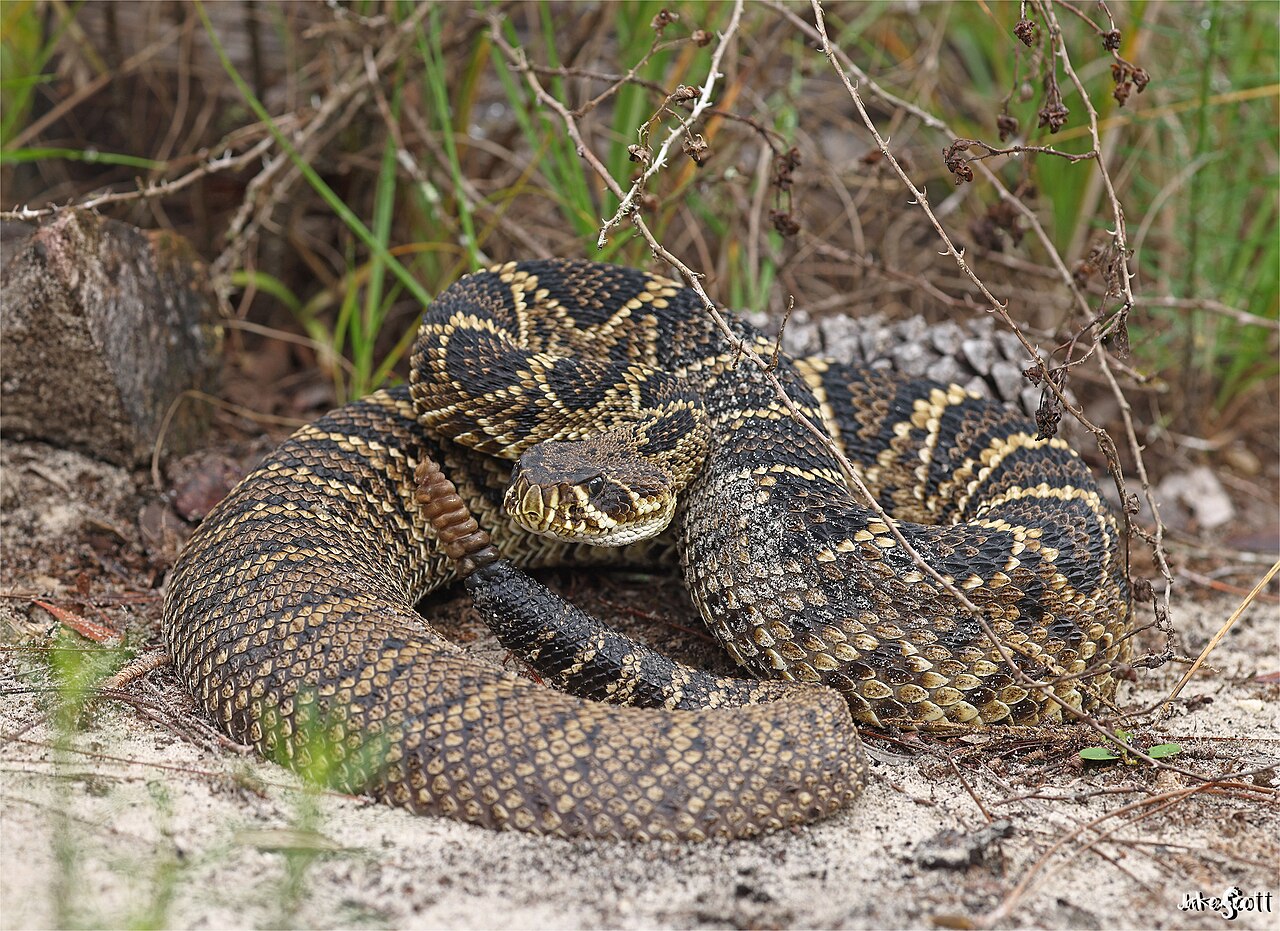
The Eastern Diamondback Rattlesnake is the largest venomous snake in North America and one of the most dangerous. This snake can grow over seven feet long and is easily recognized by the diamond-shaped patterns along its back and the rattle at the end of its tail.
When threatened, it shakes the rattle to warn potential predators before striking. Its venom is hemotoxic, meaning it damages tissues and affects blood clotting. Eastern diamondbacks are mainly found in the southeastern United States, particularly in pine forests, coastal plains, and scrublands. Despite their intimidating reputation, they generally avoid humans and only strike when they feel cornered or threatened.
Black Widow Spider
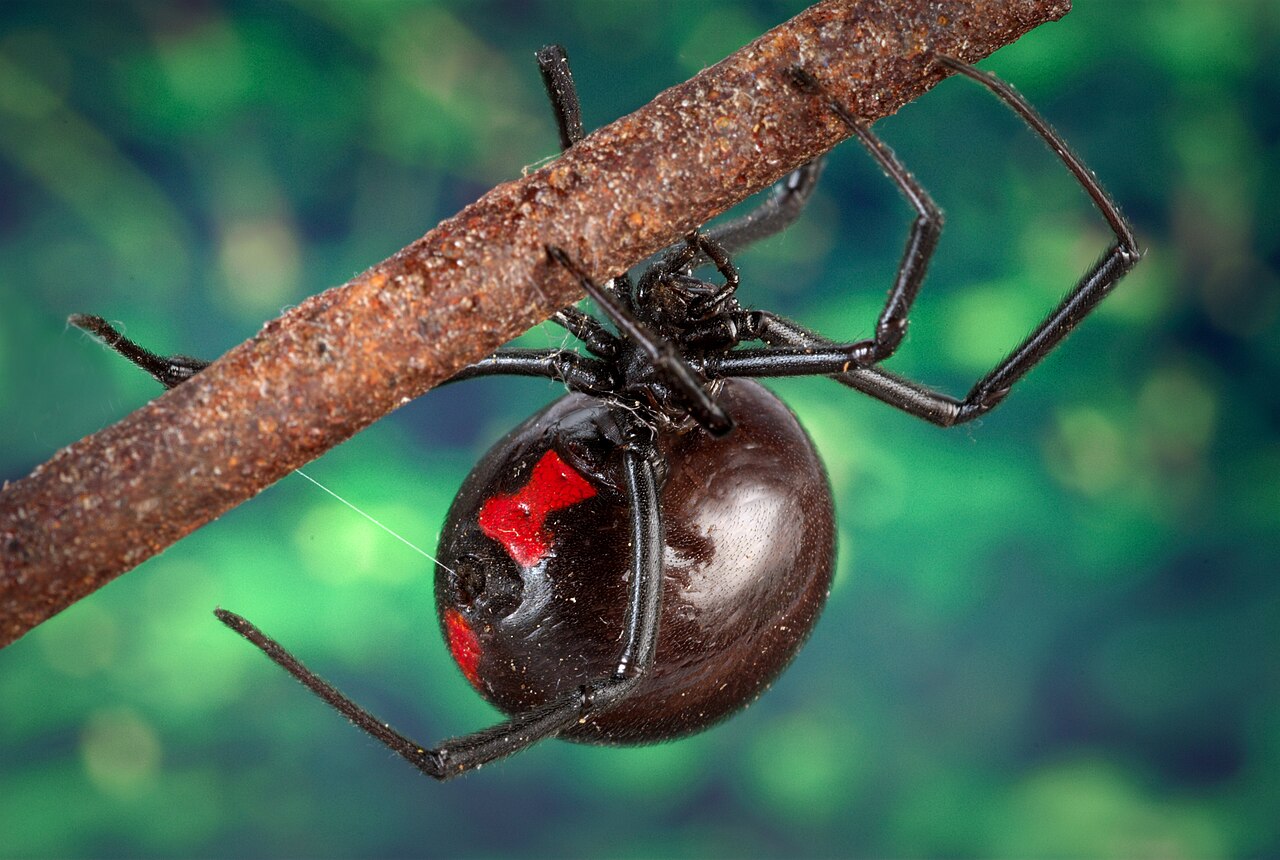
The Black Widow Spider is one of the most recognizable venomous spiders in North America. It is known for its glossy black body and the red hourglass marking on the underside of its abdomen.
Black widows prefer dark, quiet areas such as garages, woodpiles, sheds, and storage boxes. Their venom is a neurotoxin that affects the nervous system and can cause symptoms such as muscle cramps, abdominal pain, nausea, and sweating. Although the bite can be painful and frightening, deaths from black widow bites are extremely rare thanks to modern medical care.
Arizona Bark Scorpion
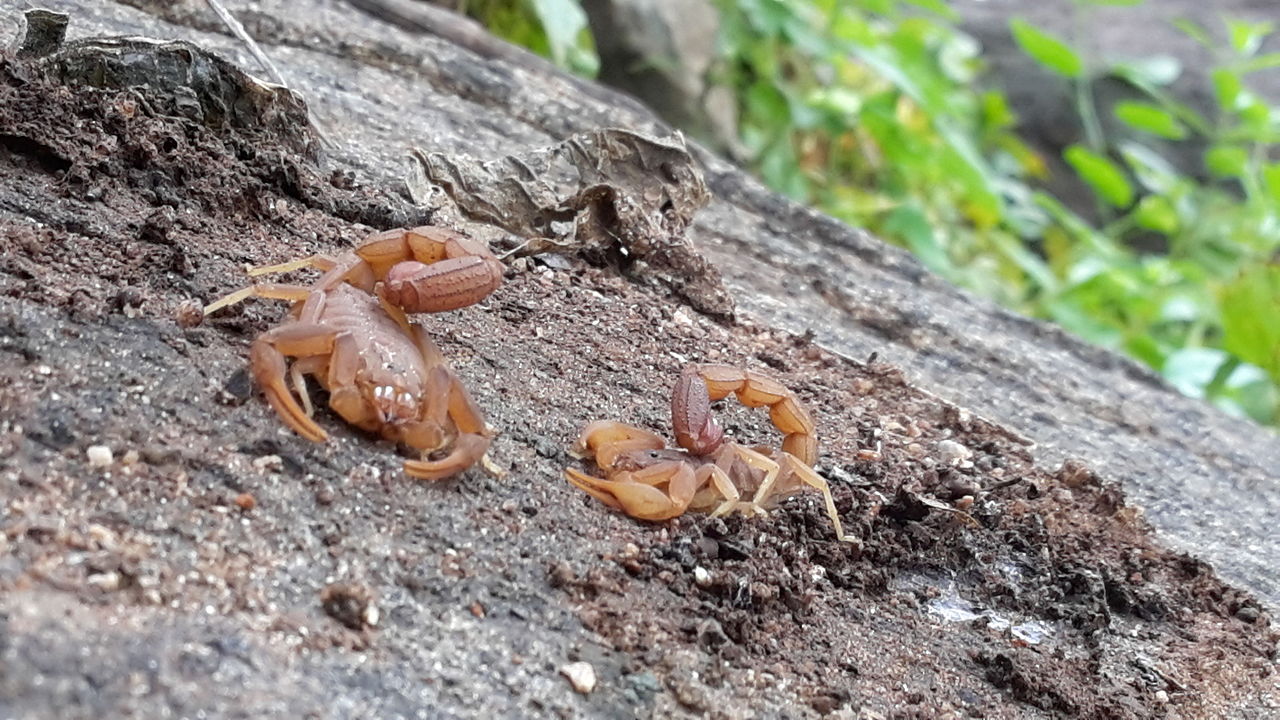
The Arizona Bark Scorpion is widely considered the most venomous scorpion in the United States. It is mainly found in Arizona and nearby desert regions.
Unlike many other scorpions, this species can climb walls and ceilings, which means it sometimes ends up inside homes. It typically hides under rocks, tree bark, or cracks during the day and becomes active at night. Its sting can cause severe pain, numbness, muscle twitching, and in rare cases breathing difficulties. Children and elderly individuals are usually more sensitive to its venom.
Brown Recluse Spider
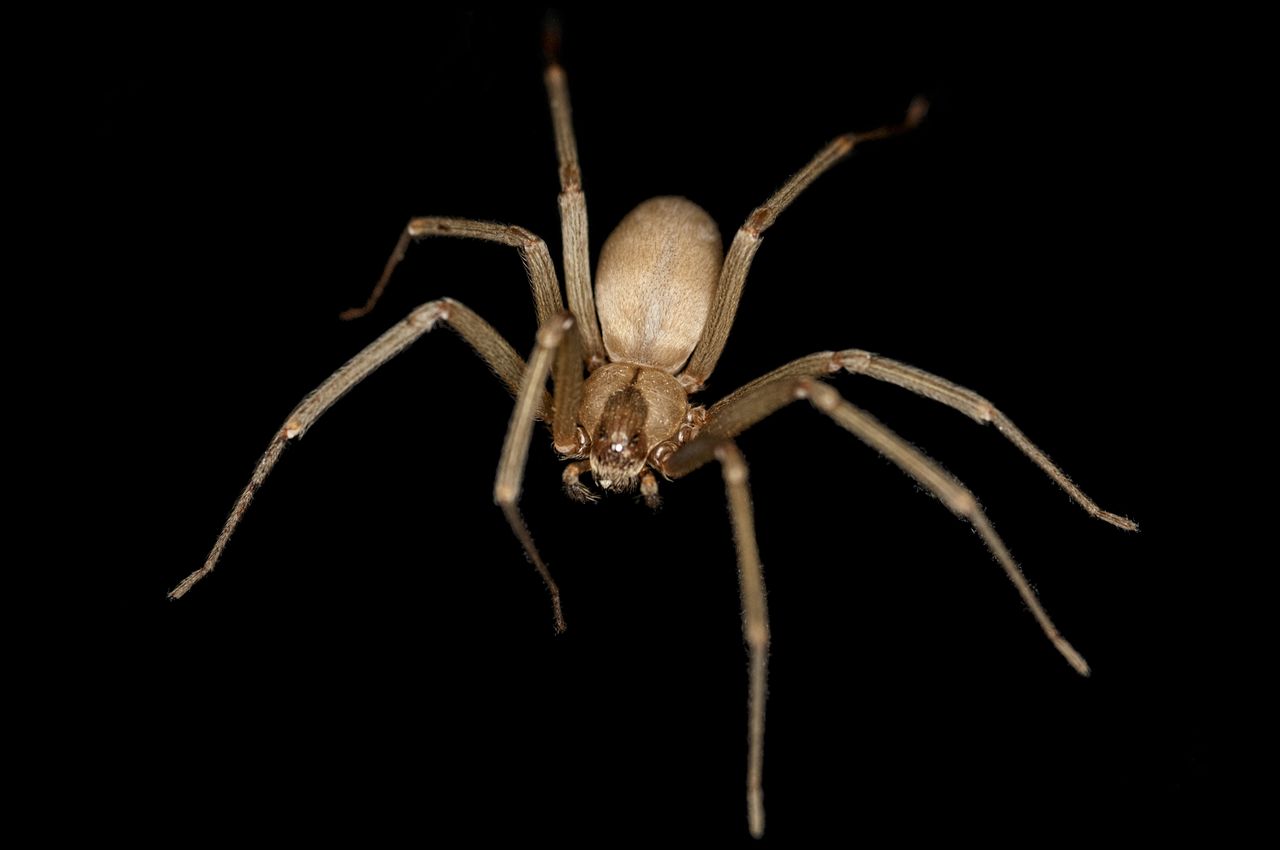
Another spider that has developed a fearsome reputation is the Brown Recluse Spider. This small spider is mostly found in the central and southern United States and prefers undisturbed places indoors.
Brown recluse spiders often hide in closets, attics, cardboard boxes, shoes, and storage areas. They are typically light brown with a violin-shaped marking on their backs. Their venom can cause necrotic skin damage, meaning it destroys tissue around the bite area. While serious reactions are uncommon, some bites may require medical attention if tissue damage becomes severe.
Gila Monster
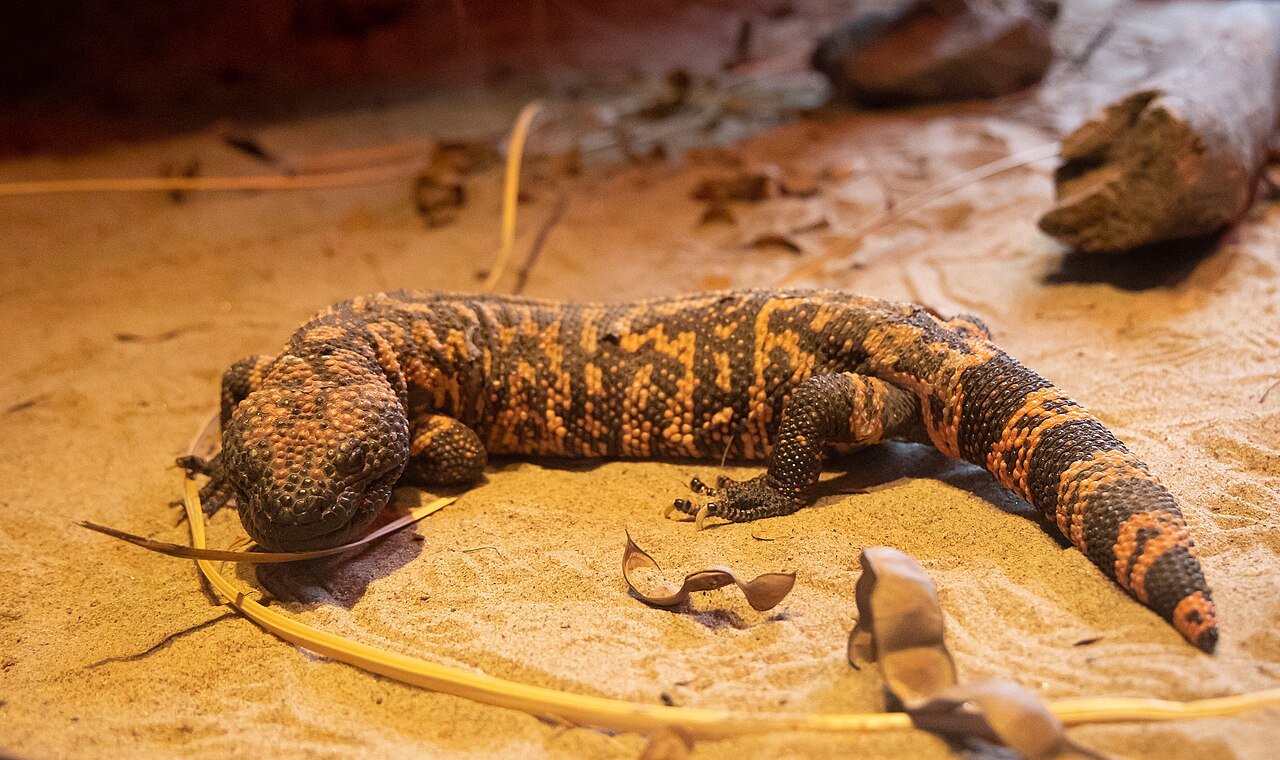
The Gila Monster is one of the few venomous lizards in the world and the only one native to the United States. It lives primarily in the deserts of Arizona, Nevada, Utah, and parts of northern Mexico.
This reptile is known for its striking orange and black patterns, which serve as a warning to predators. Unlike snakes, the Gila monster delivers venom through grooved teeth in its lower jaw. When it bites, it tends to hold on tightly, allowing venom to enter the wound. Although the bite is extremely painful, Gila monsters are slow-moving and shy animals that spend most of their time underground.
Cone Snail
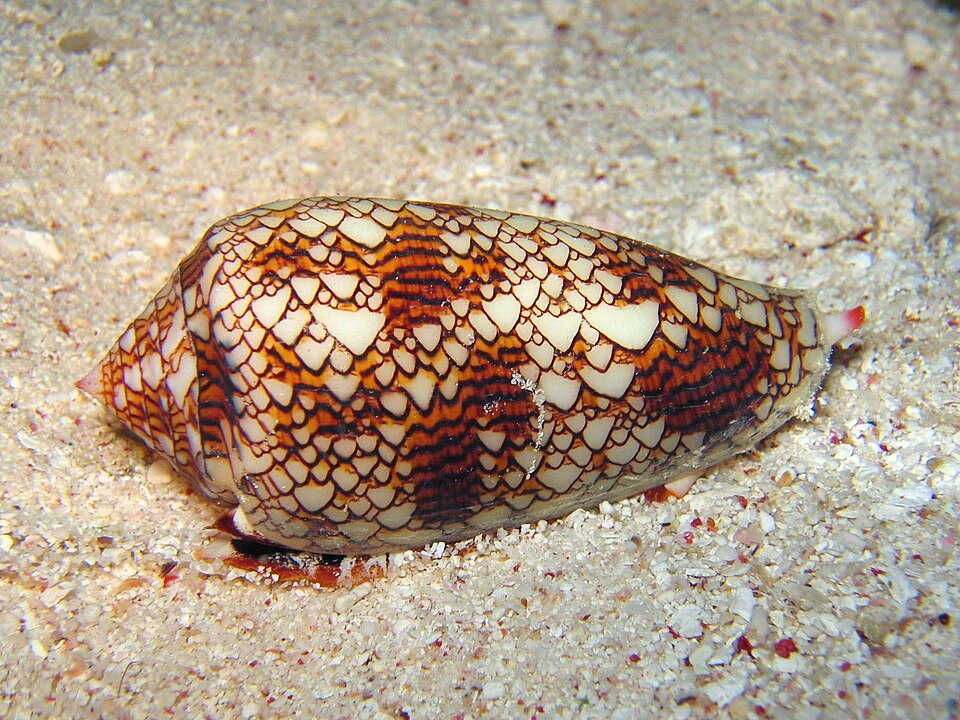
Some of the most dangerous venomous creatures are found in the ocean. Certain species of the Cone Snail live in coastal waters around the United States.
These snails are famous for their beautiful patterned shells, which often attract collectors. However, they possess a tiny harpoon-like tooth that can inject venom into prey or a human hand. The venom contains powerful toxins that can affect the nervous system and may cause paralysis. Although encounters are rare, divers and beachcombers are advised never to pick up live cone snails.
Southern Copperhead
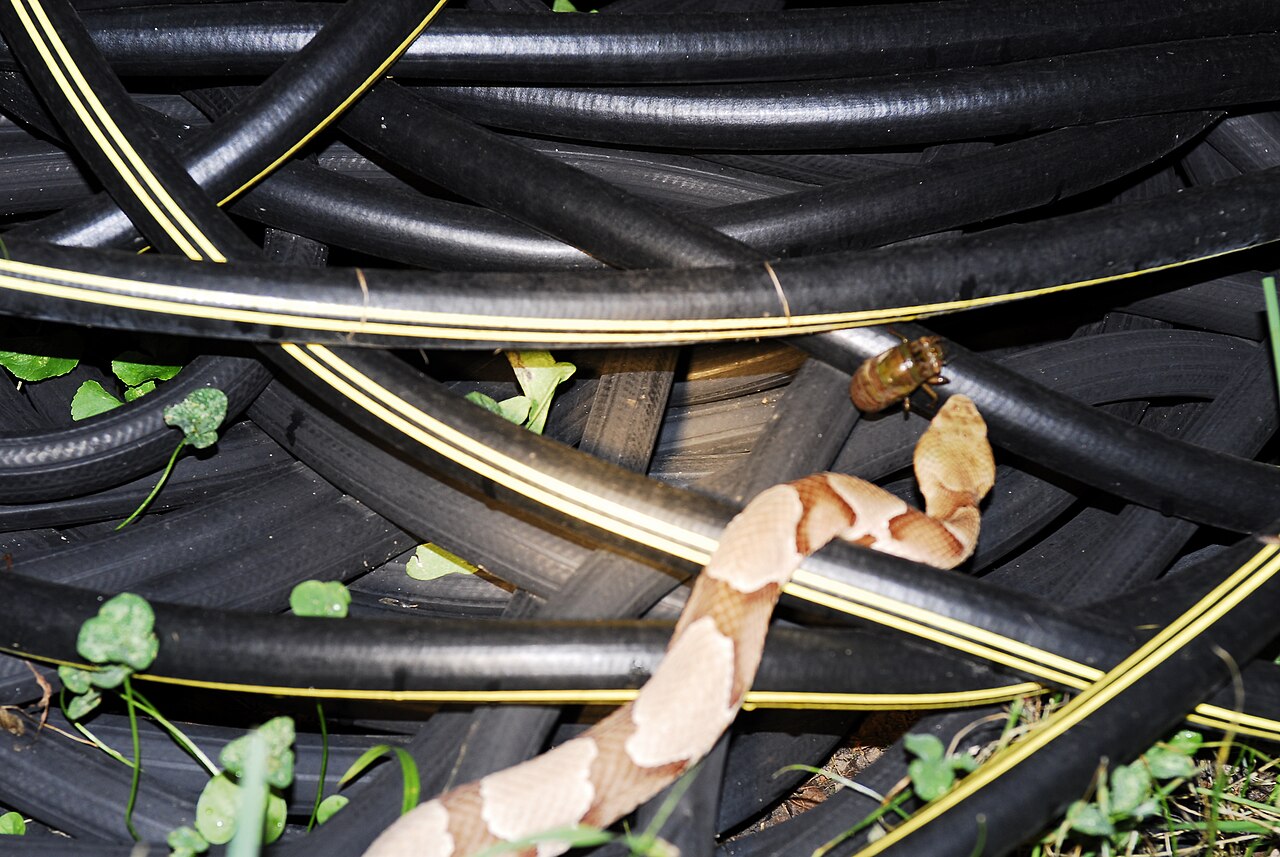
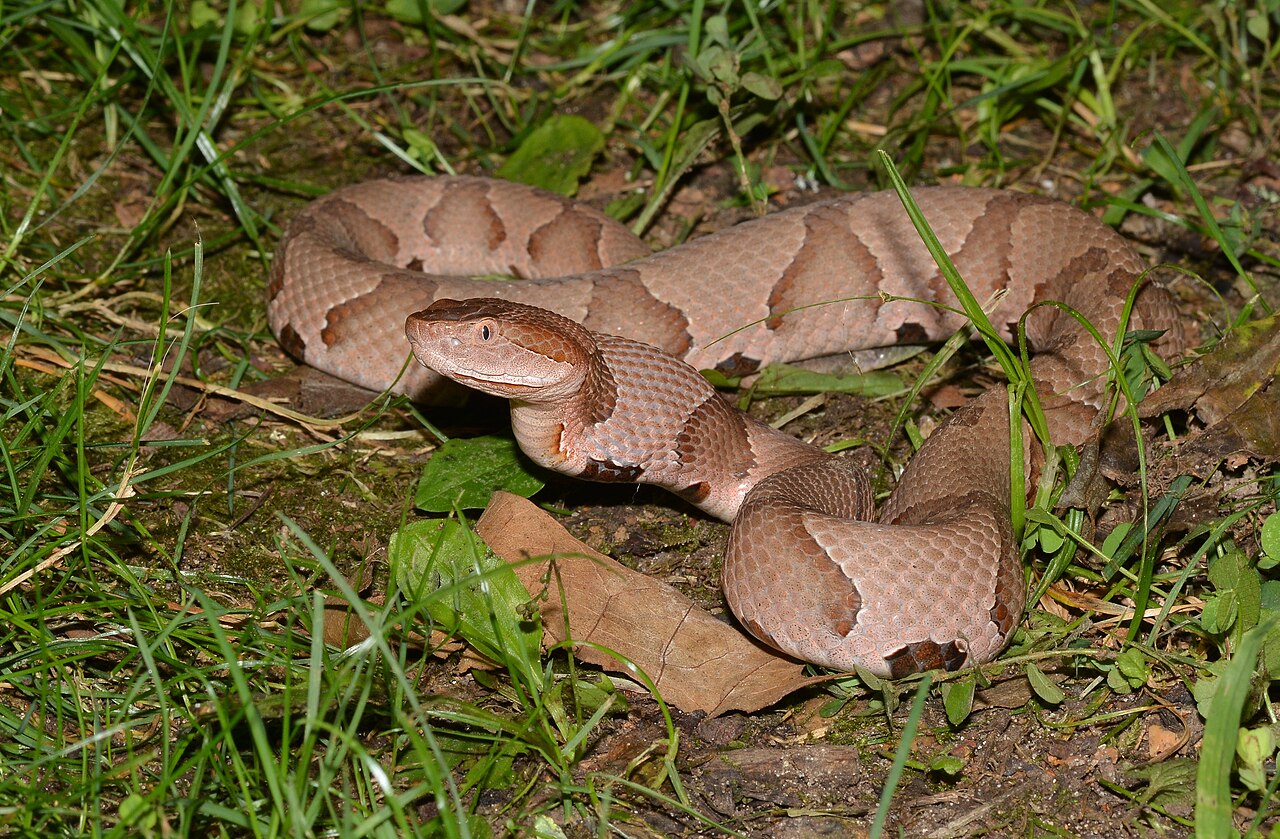
The Southern Copperhead is one of the most commonly encountered venomous snakes in the United States. It often lives near human environments such as wooded suburbs, hiking trails, rocky areas, and rural properties.
Copperheads have a copper-colored head and distinctive hourglass-shaped markings along their bodies. These patterns allow them to blend almost perfectly with fallen leaves on the forest floor, making them difficult to spot. Because they are well camouflaged and live close to populated areas, they account for many snakebite incidents in the country. Fortunately, their venom is generally less potent than that of many rattlesnakes, and fatalities are extremely rare.