The modern world feels global, but many of the habits shaping how people live every day come from a small group of American giants. These companies are not just brands. They are infrastructures that influence how we shop, communicate, work, travel and even think. Their inventions, interfaces and decisions quietly set standards for billions of people. Whether it’s how we order a meal, send money, search for information or get to work, these powerhouses define what feels normal. Understanding them means understanding how the world moves, spends and lives in 2026.
Amazon
Amazon transformed shopping from an errand into an expectation. The idea of two day delivery, reviews from strangers and buying anything without touching it was once unthinkable. Today it shapes how the world shops and has changed global logistics forever. Families compare prices on Amazon before buying anything locally. Its warehouses, cloud services and influence over supply chains affect everything from groceries to entertainment. Amazon did not just sell products. It reshaped the meaning of convenience and turned online shopping into the default behavior of modern life.
Apple
Apple took computers, phones and music players and turned them into stylish tools people cannot imagine living without. The iPhone changed communication, replacing cameras, maps, calendars and even wallets. Apple’s design choices influence how other tech looks and behaves. Its ecosystem encourages families, schools and businesses to adopt shared devices that synchronize tasks and communication. Apple made the idea of technology personal and emotional, blending sleek hardware with intuitive software. It shaped how people socialize, document memories and interact with digital spaces throughout their day.
Google controls how most of the world finds information. When people need answers, directions or solutions, they Google it. The search engine became the gateway to the internet, and its maps tool reshaped how people travel without asking for directions. Google taught billions how to navigate life using data. It influences language, business visibility and even memory, since many rely on it instead of recalling facts. Google did not simply organize the web. It organized human thought and made instant access to knowledge a basic expectation.
Microsoft
Microsoft built the digital workplace. Office software turned typing, spreadsheets and presentations into universal skills. Children learn Word and PowerPoint in school before they learn handwriting tricks. Companies, governments and freelancers rely on these tools to communicate and manage information. Microsoft Teams reshaped remote work, while Windows remains the foundation for personal computing. Microsoft did not invent work, but it defined how the world organizes tasks and talks about productivity. The workplace, as we know it, operates using Microsoft’s vocabulary, structure and standards.
Walmart
Walmart changed what it means to shop affordably at scale. Its ability to negotiate prices, manage inventory and move goods across massive distribution networks sets a model copied around the world. Smaller stores price their products against Walmart’s influence, even if they never shop there. Walmart made bulk buying normal and connected rural communities to goods once available only in cities. Its presence dictates market behavior, reshaping retail expectations and forcing competitors to match prices and convenience. Walmart turned efficiency into a way of life for millions.
McDonalds
McDonalds standardized fast food culture and influenced global eating habits. It showed the world that meals could be quick, predictable and inexpensive. Its menus, service speed and branding are familiar in dozens of countries. Families plan road trips around golden arches. Kids recognize the logo before they can read. McDonalds shaped expectations for portion sizes, kid friendly meals and the idea of consistent taste anywhere. Even restaurants that claim to be unique copy its strategies. McDonalds turned food into a system, not just a meal, altering dining habits worldwide.
Starbucks

Starbucks made coffee culture social, portable and premium. Before it, a cup of coffee was simple. Starbucks turned it into a lifestyle accessory and gathering ritual. It popularized custom drinks, takeaway cups and the idea of working from a café. Starbucks influenced city layouts, morning routines and global taste preferences. People expect to modify drinks, find Wi Fi and enjoy a temporary workspace. Starbucks did not just sell beverages. It created a global habit of slowing down, connecting and treating coffee like an experience worth savoring.
Tesla
Tesla made electric vehicles aspirational rather than experimental. It pushed technology that once felt distant into everyday conversation. Drivers now discuss charging stations and range anxiety alongside horsepower. Tesla influenced car design, autopilot features and renewable energy expectations. It made electric power feel stylish and forward thinking. Governments and competitors adjusted plans because Tesla proved people would pay for innovation. It changed transportation, encouraging cleaner energy choices and encouraging families to imagine a future where cars behave more like smart devices than machines.
Nvidia
Nvidia powers the invisible computing behind artificial intelligence, gaming and robotics. While its brand may not be as visible as phones or stores, its chips allow machines to learn, simulate and interact. Nvidia’s processors train language models, run autonomous vehicles and power visual effects. Children learn and play on devices built on its technology. Innovators rely on it to test ideas and accelerate research. Nvidia shapes how humans compute, game and automate tasks, pushing society toward a future where digital intelligence becomes a daily companion.
Visa
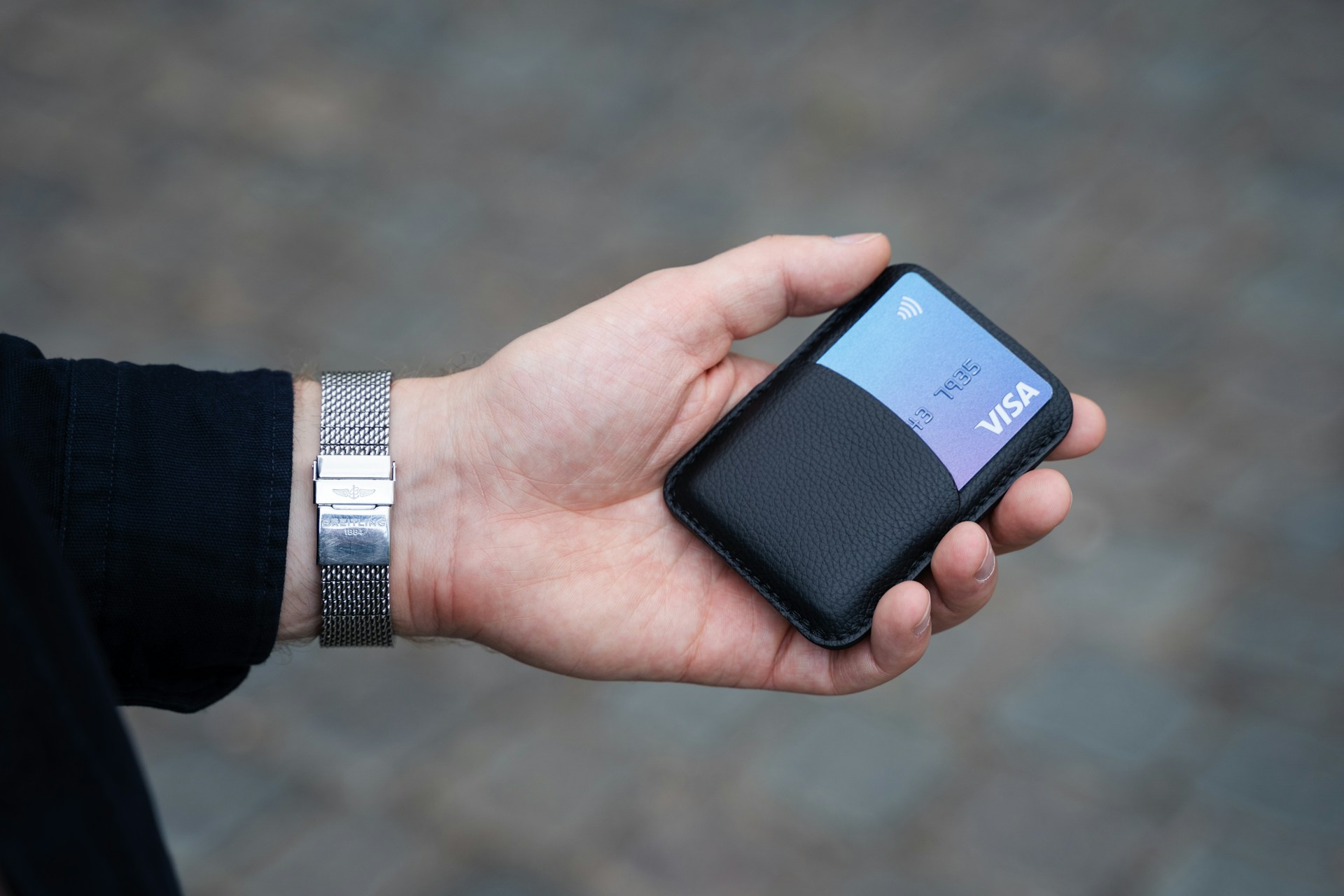
Visa made buying things anywhere feel effortless. The swipe, tap and online checkout systems people take for granted were built on its network. Visa transformed currency from paper to data, allowing families to shop across borders without thinking about exchange rates or security. It shaped how people pay for food, travel and gifts. Visa removed friction and taught consumers to trust transactions they cannot see. It influenced digital commerce by making payment an action rather than a process, connecting millions of businesses and households seamlessly.
OpenAI
OpenAI is redefining thinking, writing and decision making with artificial intelligence that understands language and performs tasks once reserved for humans. It helps people draft ideas, learn skills and solve problems instantly. Schools, offices and creatives use AI tools to speed up work or expand imagination. While older technologies digitized tasks, OpenAI interprets them, making technology a partner rather than a tool. It shifts how people interact, shaping expectations for automation, knowledge and creativity. OpenAI changes not just how we work, but how we think about thinking itself.
These powerhouses did not simply create products. They rewired habits, expectations and culture. They influenced how people travel, pay, communicate, shop and eat without asking permission. Their ideas seep into everyday life until alternatives feel outdated. The world does not just use their services. It follows their logic. As long as these giants shape the rules of convenience, design and intelligence, the rest of the world will continue living in systems they built and refined.