Teenagers in the 1940s lived in a world shaped by World War II, hometown values and strict community expectations. Independence came early, and responsibility was not optional. Teens moved through life with fewer rules, less supervision and a level of trust that would seem reckless today. Their everyday habits reflected a country that valued duty, toughness and self reliance. When compared with the digital age, the contrast feels dramatic. What was ordinary for teens then would be shocking, risky or even illegal now, making the 1940s feel like a different universe.
Getting Married Straight Out Of High School
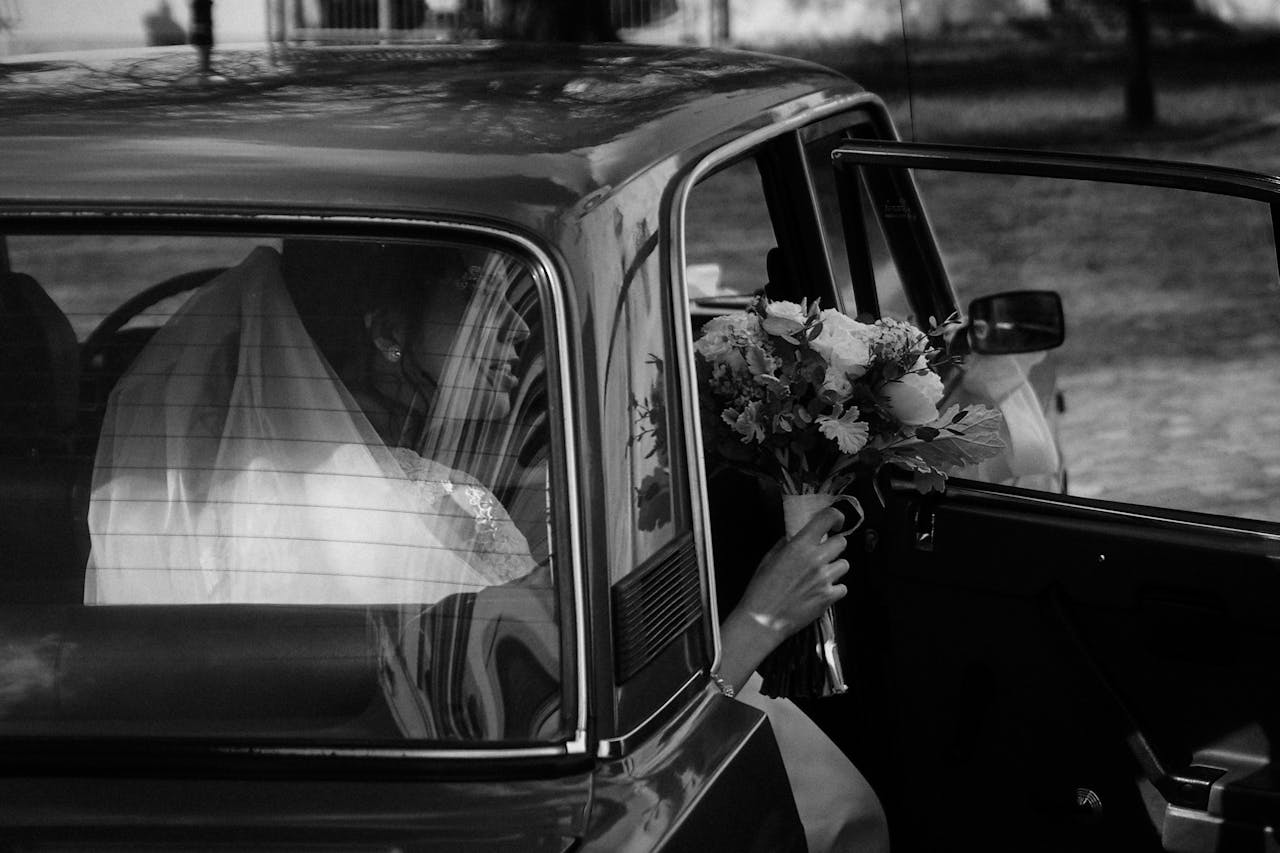
Many teens in the 1940s married soon after graduation, believing adulthood began the moment school ended. Marriage was not seen as a distant milestone but as the first step in building a family and a future. Cultural expectations encouraged early commitment, and economic structures supported single income households. Today, such a choice would be viewed as rushed or impractical, yet at the time it was a marker of maturity and purpose. The idea of waiting a decade to settle down would have felt unnecessary or even irresponsible to teens raised in this era.
Smoking Cigarettes As A Social Activity

Teens smoked casually at parties, drive ins and even inside homes. Cigarettes symbolized confidence, adulthood and camaraderie. Advertising glamorized smoking, and health risks were either unknown or ignored. Parents often smoked too, making the habit normal rather than rebellious. Teens lit up in public without fear of punishment or judgment. Today, smoking is heavily regulated, taxed and socially discouraged, especially among youth. The idea of teenagers openly smoking in front of adults feels impossible in a world shaped by health awareness and anti smoking campaigns.
Driving Without A License Or Formal Training
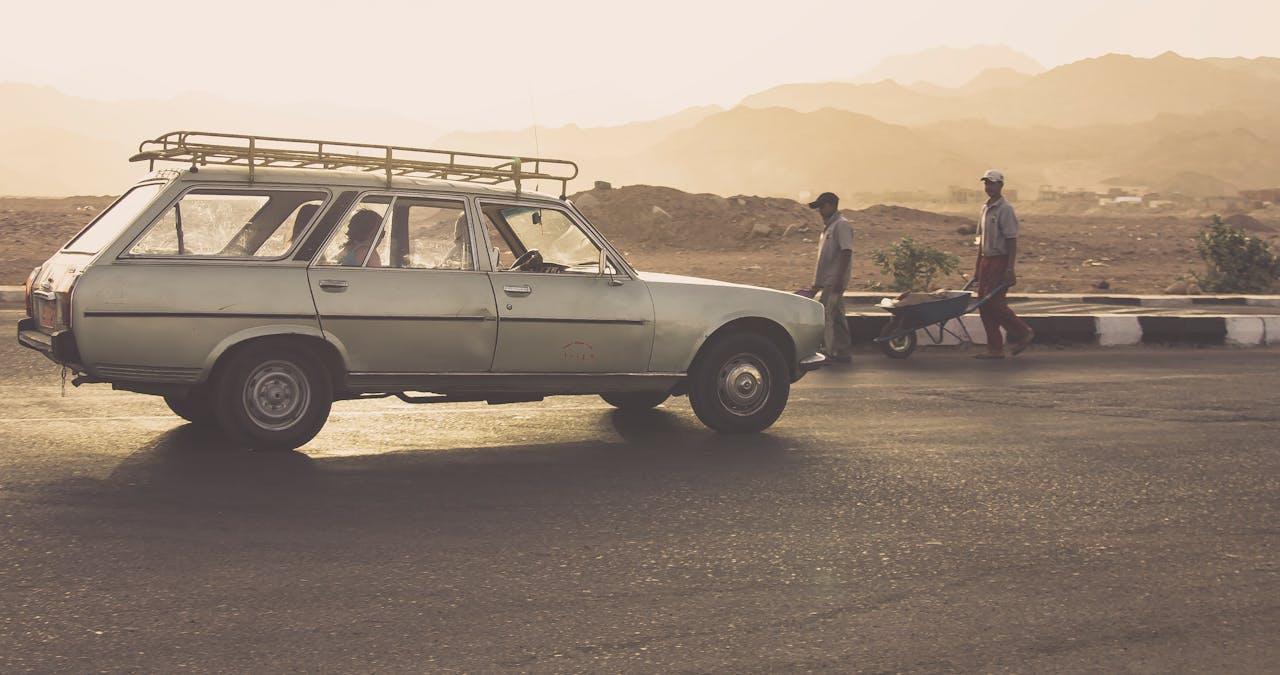
Learning to drive often happened on rural roads or farms long before obtaining a license. Teens operated cars and trucks because families needed help with transportation and labor. Driving was a skill tied to survival, not a privilege monitored by strict rules. Supervision was minimal, and legal consequences were unlikely. Today, such behavior would result in fines, revoked privileges or mandatory programs. Modern teens navigate strict policies and digital records, making the casual driving culture of the 1940s almost unimaginable.
Joining The Workforce While Still In High School
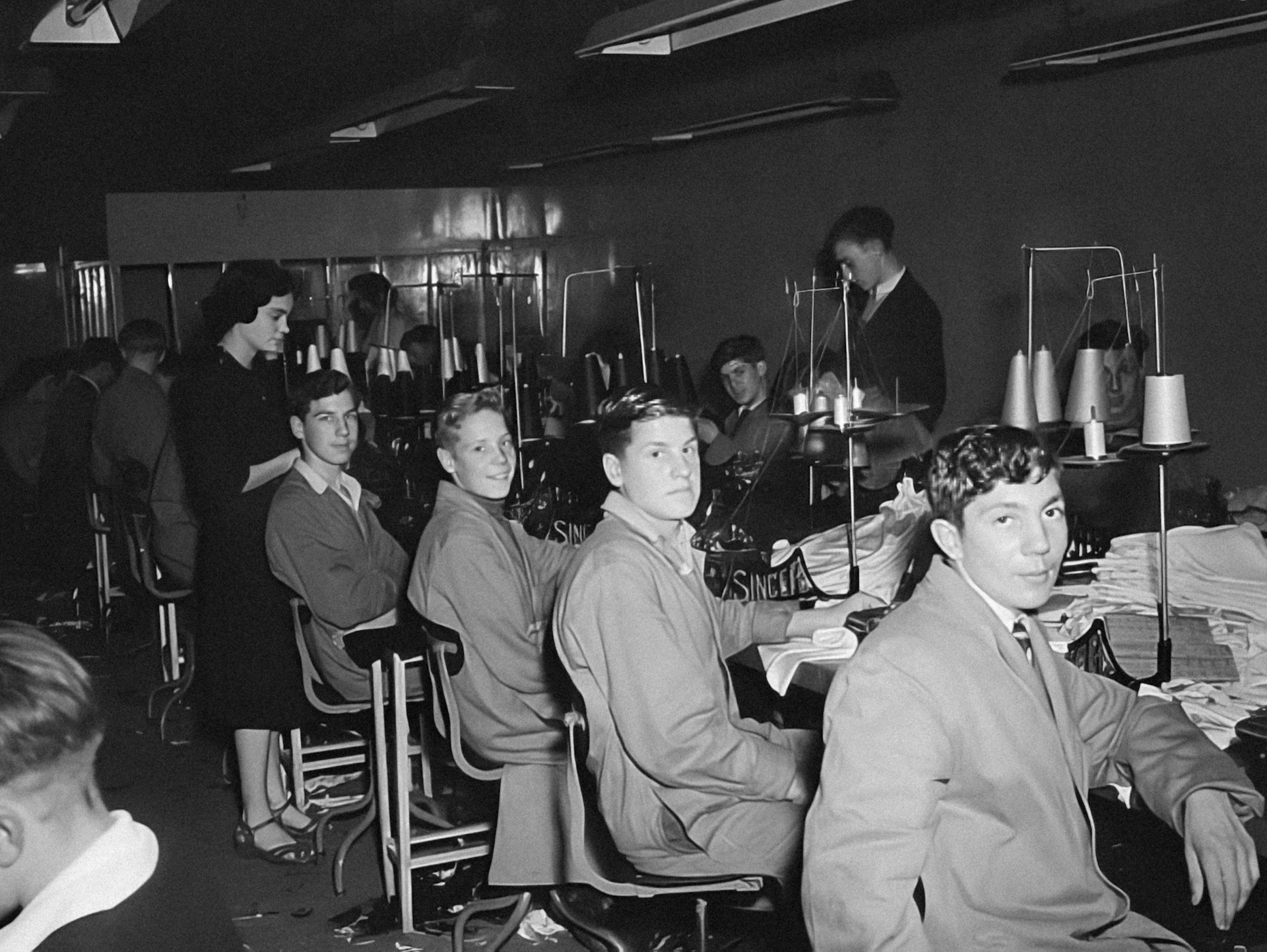
Teenagers in the 1940s balanced school with jobs that demanded physical labor and adult level responsibility. Many worked factory shifts, delivered goods or assisted on farms. Money earned was often used to support families dealing with wartime shortages. The expectation was clear. Teens contributed, and no one questioned their ability to handle tough work. Today, regulations limit hours and conditions for student workers. High school jobs are often part time and optional, making the intense work culture of the 1940s feel like a relic from a different social order.
Listening To War News As Daily Entertainment
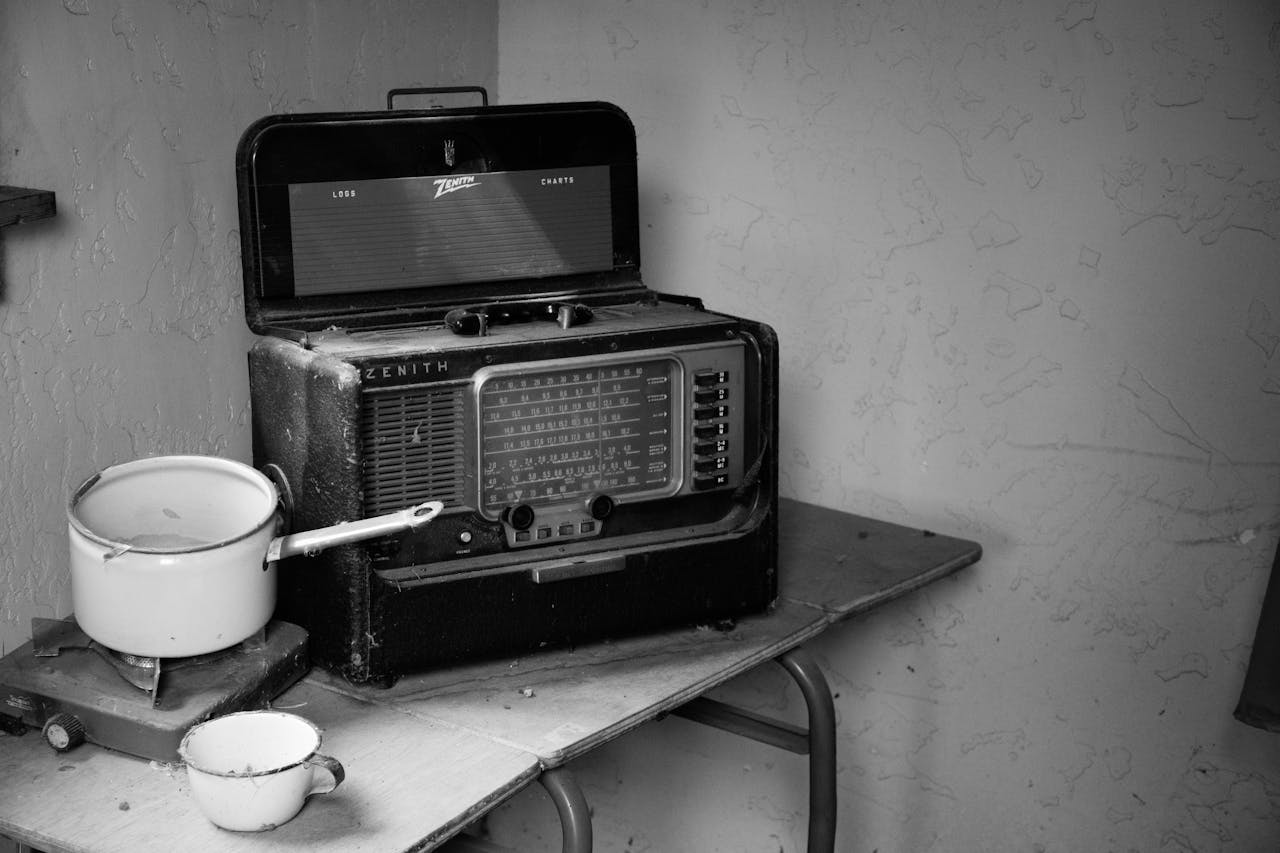
Radio broadcasts dominated teen life, and war updates were part of the entertainment cycle. Families gathered to hear global events unfold, mixing news with music and drama shows. Teens grew up with a heightened sense of global awareness and responsibility. Hearing casualty reports or military strategies felt normal. Today, constant war coverage would be seen as emotionally overwhelming for young people. In the 1940s, however, teens accepted it as part of life and saw it as their connection to a world at conflict.
Hitchhiking Long Distances Alone
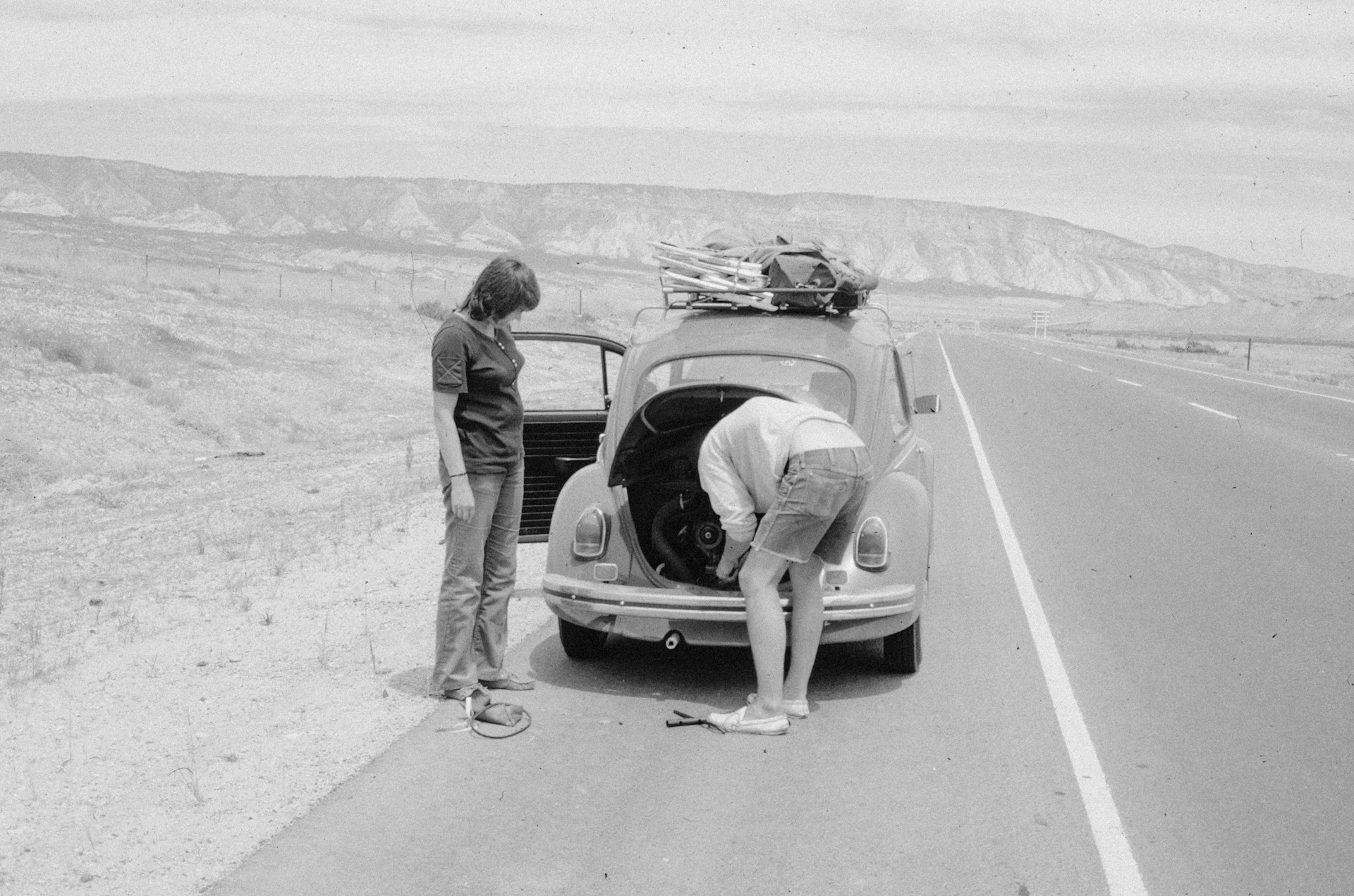
Hitchhiking was a common mode of travel for teens who lacked cars. They stuck out thumbs and trusted passing drivers to take them miles away. Communities operated on shared values, and the fear of strangers was minimal. Teens hitchhiked to dances, nearby towns or even other states. Today, the practice feels reckless and dangerous. Modern awareness of crime, surveillance and personal safety makes hitchhiking nearly unthinkable. What once symbolized freedom and resourcefulness is now viewed as a risk no responsible adult would allow.
Treating College As Optional For Most Teens
Higher education was not seen as essential. Many teens left school to work, join the military or start families. College was reserved for the wealthy or academically driven. Society emphasized labor and contribution, not degrees. Today, teens face pressure to pursue college as a default path. The 1940s approach feels foreign because life success was measured by responsibility, not academic achievement. The cultural assumption that education defines future potential did not exist, making the era’s priorities strikingly different.
Riding In The Back Of Pickup Trucks For Fun
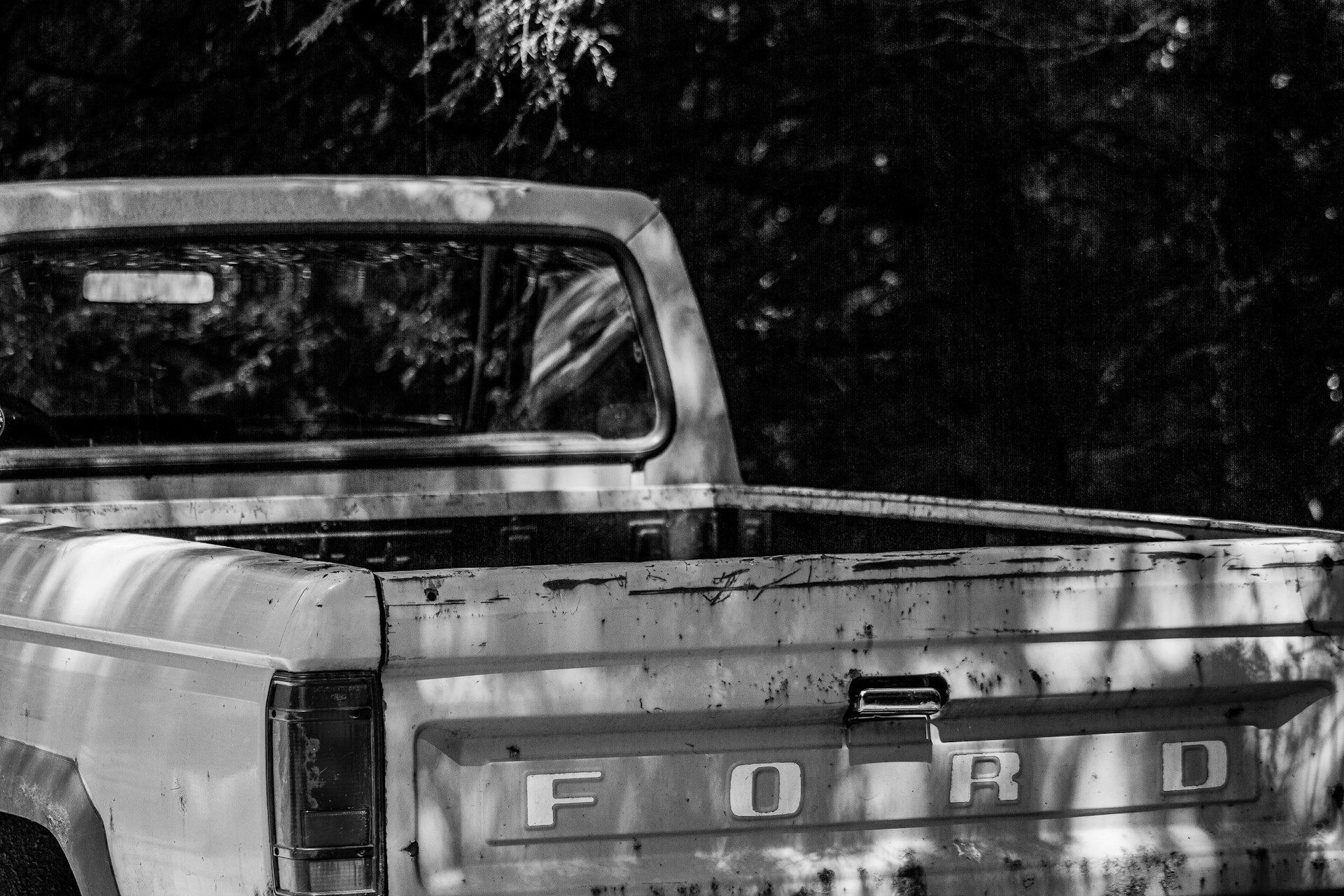
Teens loved the thrill of sitting in open truck beds during drives. No seatbelts, speed limits or safety concerns interrupted the fun. Communities viewed this as harmless, and accidents were considered unfortunate rather than preventable. Today, laws prohibit passengers from riding unrestrained. The once carefree joy of open air rides would now lead to fines and legal trouble. This change reflects modern priorities where safety outweighs the spontaneous adventures that once defined teenage fun.
Respecting Authority Without Question
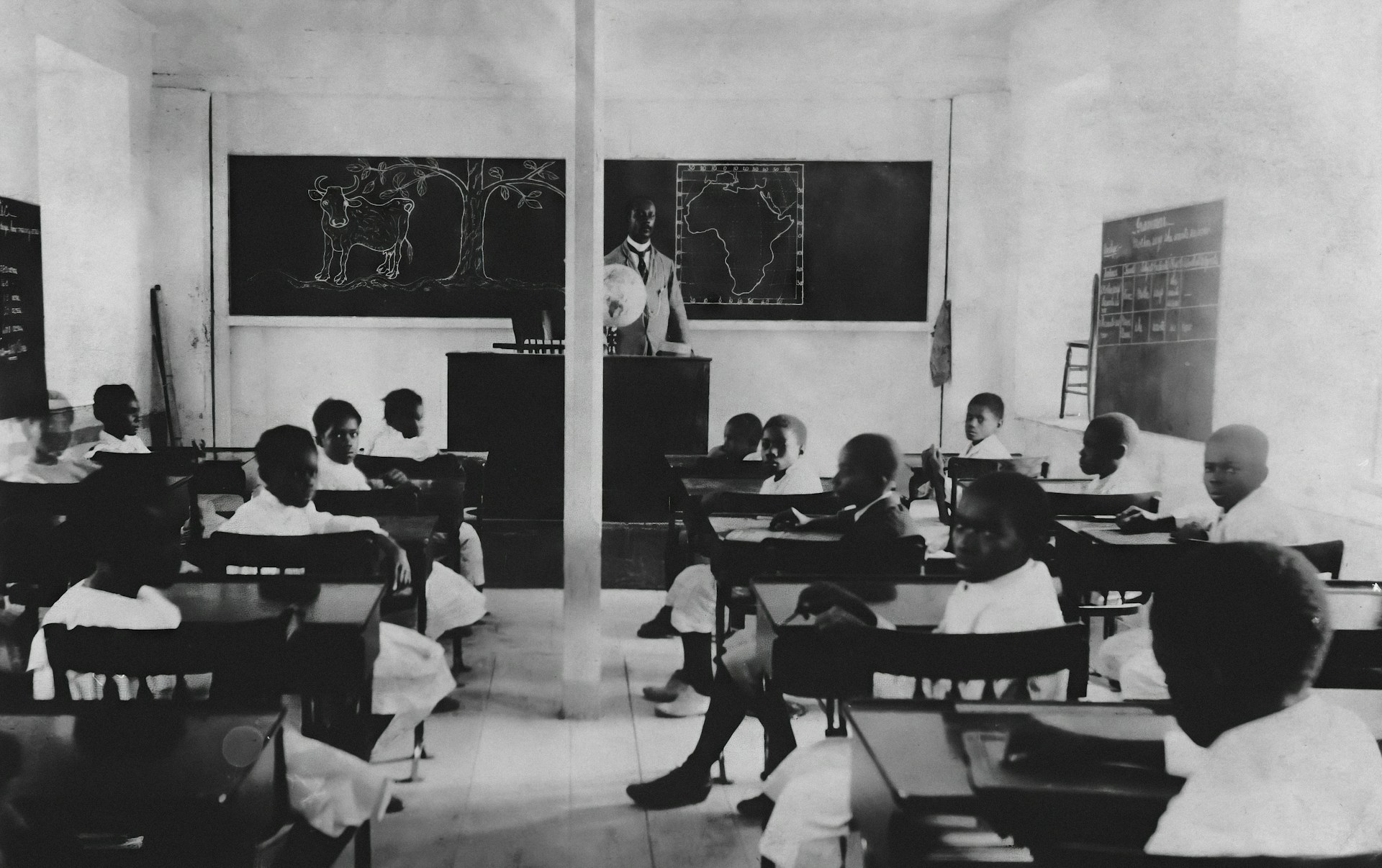
Teens in the 1940s rarely challenged adults, teachers or police. Respect was automatic, and obedience was considered a virtue. Social norms reinforced hierarchy, and questioning rules seemed unnecessary. Today, teens are encouraged to challenge injustice, advocate for themselves and participate in decision making. While this free expression has benefits, it makes the strict deference of the 1940s seem extreme. The unquestioned respect of that era now feels outdated, illustrating how cultural values have shifted toward individuality and dialogue.
Sharing Clothes And Hand-Me-Down Wardrobes
Teens in the 1940s often shared outfits with siblings or cousins, not because it was trendy, but because clothing was expensive and rationed during wartime. A single Sunday outfit might rotate through the family. Teens did not obsess over having unique looks. Instead, they learned to care for garments, mend tears and get creative with minimal options. This habit built resourcefulness and reduced material expectations, something modern teens, surrounded by fast fashion, rarely understand.
Learning Social Etiquette As A Core Skill

Teens were expected to learn manners the way students today learn technology. Proper greetings, dinner table rules, respectful conversation and polite body language determined how adults judged their maturity. Etiquette books and community events reinforced these standards. Teens practiced formal introductions, wrote thank-you notes and avoided slang around elders. Success in the adult world depended more on behavior than appearance. Today’s teens might see this as rigid, but in the 1940s it was considered essential training for adulthood.
Teen life in the 1940s reveals how dramatically expectations have shifted. What once symbolized maturity, responsibility and trust now appears unsafe or outdated. Today’s teens navigate a world shaped by digital technology, academic competition and new interpretations of freedom. The habits of the 1940s, though foreign to modern eyes, reflect a time when community trust, resourcefulness and early responsibility defined adolescence. These differences highlight not just changes in behavior but changes in how society understands youth and adulthood.