Daily routines often involve contact with items that pass through many hands or environments, increasing exposure to bacteria and surface contaminants. These objects may appear clean, yet they can carry residues that transfer easily to the skin and clothing during normal use in different settings.
While handwashing is important, it may not always remove everything after handling certain high-contact items. Some particles can spread beyond the hands to arms or clothing, especially during repeated contact throughout the day.
Recognizing when a shower is the better option helps maintain hygiene. Understanding these exposures allows individuals to reduce lingering residues and support consistent personal cleanliness in daily life.
1. Cash and Coins

Cash and coins circulate widely, passing through countless individuals and environments each day. Because of this constant exchange, they can carry bacteria, dirt, and residues from multiple surfaces, including places that are not regularly cleaned.
Unlike personal belongings, money is rarely disinfected before reuse. It is often stored in pockets, wallets, or counters, where it can collect additional particles over time. Frequent handling increases the chance of transferring contaminants onto the skin.
After handling large amounts of cash or repeated transactions, showering can help remove lingering residues. It provides a more thorough level of cleanliness compared to basic handwashing after extended exposure.
2. Public Transport Handrails
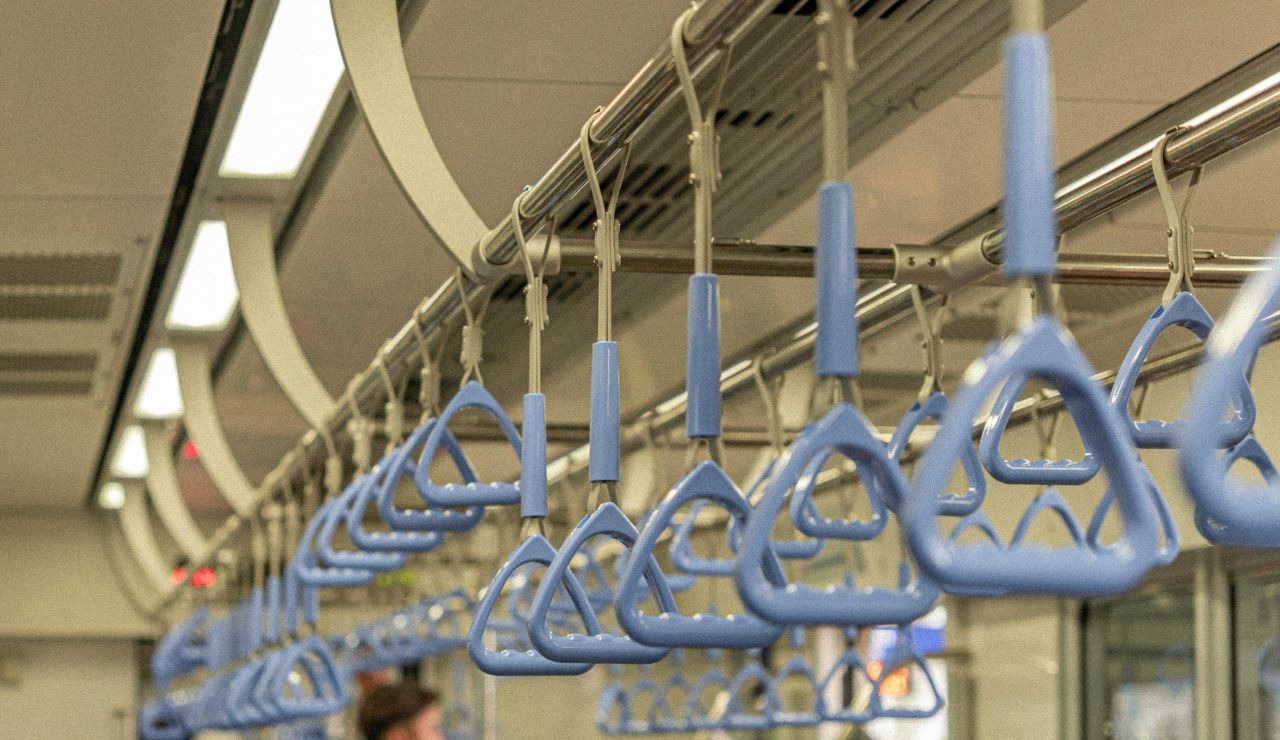
Handrails and poles in buses and trains are among the most frequently touched surfaces in daily life. Commuters rely on them for balance, especially during crowded travel, leading to constant and repeated contact throughout the day.
These surfaces are not always cleaned between uses, allowing bacteria and particles to accumulate over time. Even brief contact can transfer these residues onto hands, clothing, and other exposed areas without notice.
Showering after extended use of public transport helps remove these particles effectively. It is a practical step for maintaining hygiene, particularly in crowded environments where surfaces are shared continuously.
3. Mobile Phones
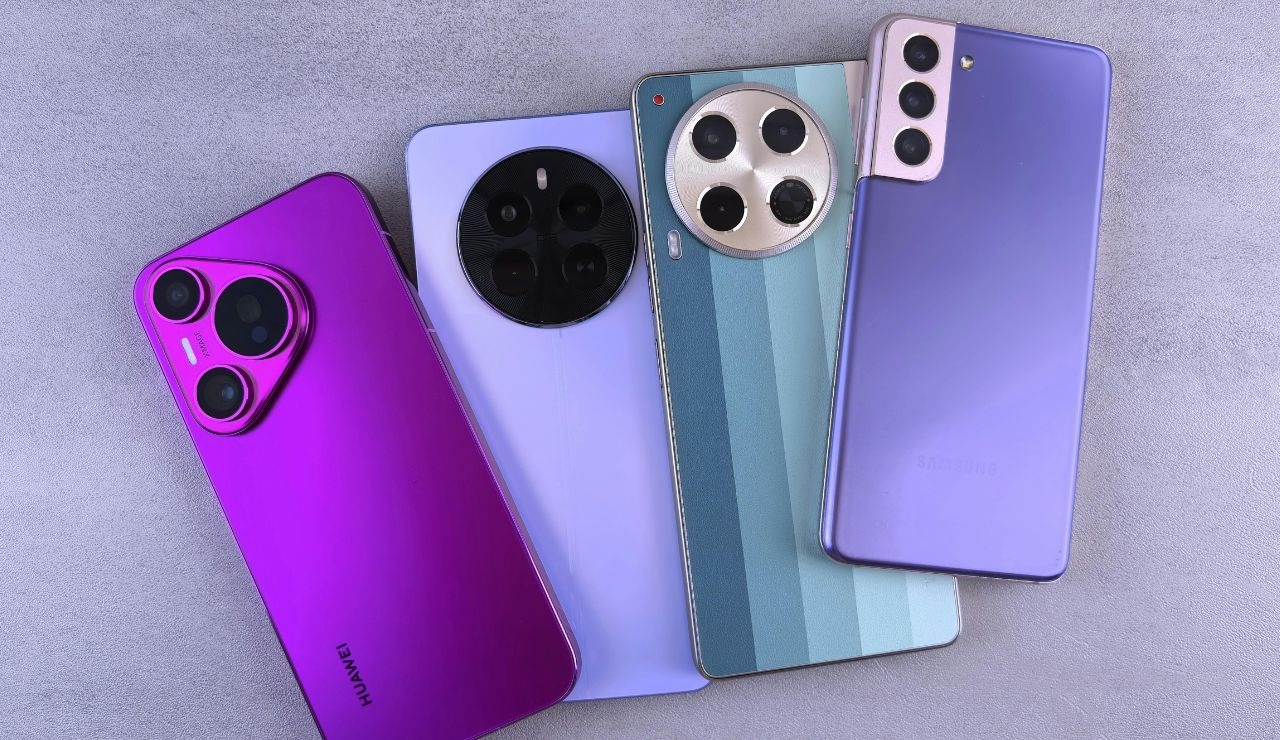
Mobile phones are handled constantly and carried into different environments, including homes, workplaces, and public areas. Despite this frequent use, they are not always cleaned as regularly as other commonly touched personal items.
The surface of a phone can collect oils, dirt, and bacteria from hands and surroundings. Since phones are often held close to the face, this increases the potential for transferring contaminants onto the skin during normal use.
Showering after prolonged outdoor exposure, along with cleaning the device, helps reduce accumulated residues. This approach supports better hygiene and minimizes repeated transfer of particles during everyday interactions.
4. Kitchen Sponges and Cloths
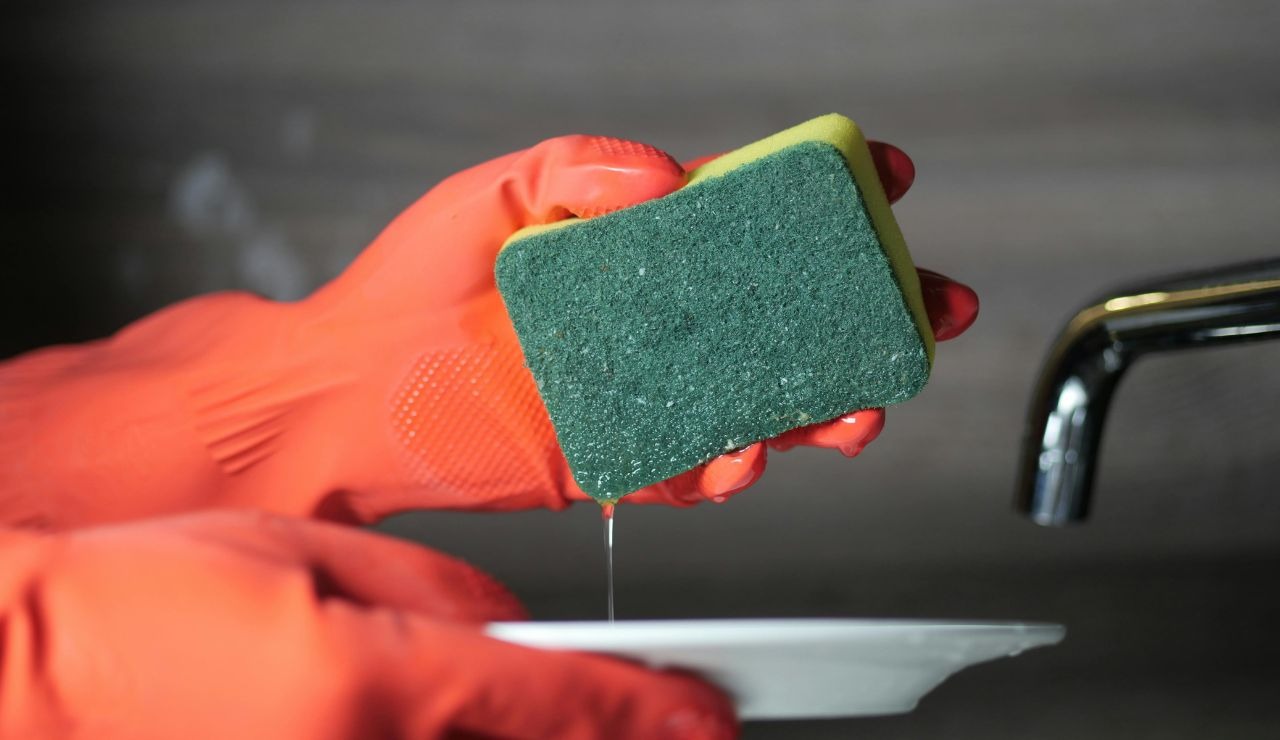
Kitchen sponges and dish cloths are exposed to moisture, food particles, and warmth, creating conditions where bacteria can develop quickly. Their repeated use spreads microorganisms across surfaces and hands during everyday cleaning tasks.
Even when rinsed after use, these items may retain contaminants within their fibers. Handling them can transfer residues onto the skin, especially during extended kitchen work or when dealing with food waste and spills.
Taking a shower after heavy cleaning helps remove any remaining particles. It ensures that contaminants are not carried to other parts of the body or transferred to clean areas within the home environment.
5. Shopping Carts and Railings
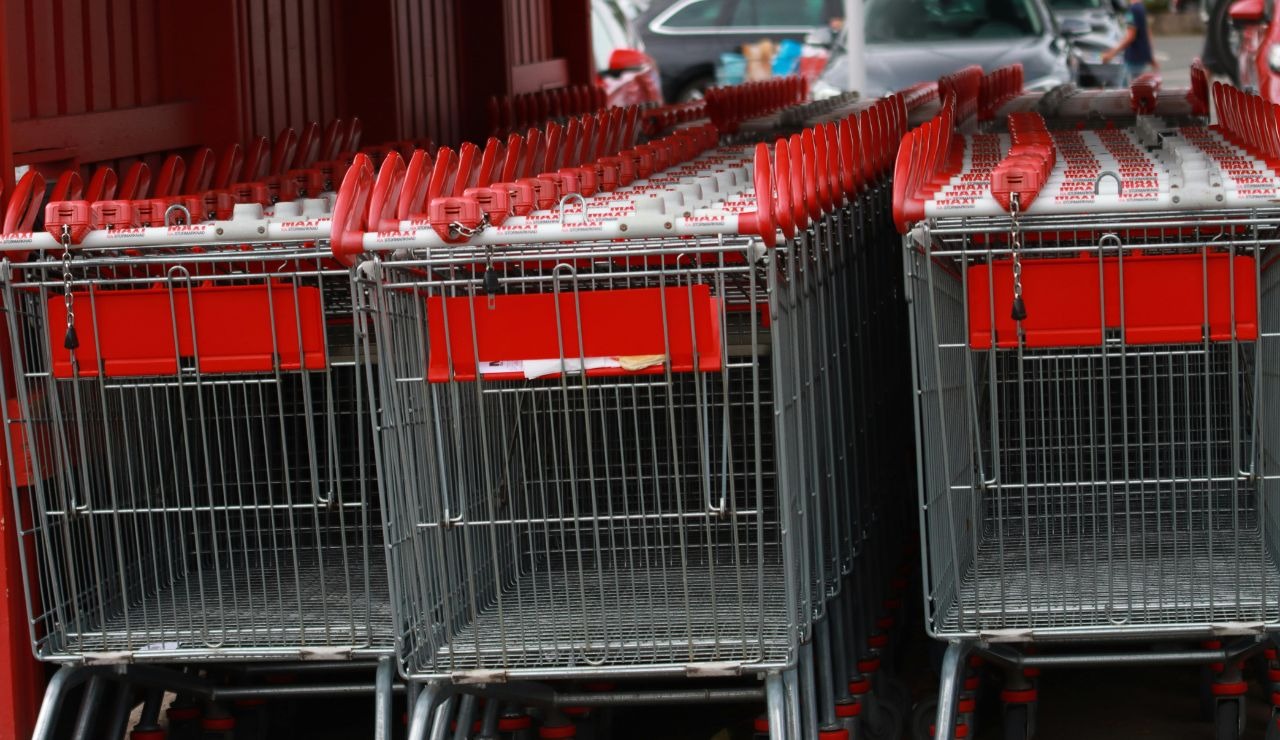
Shopping carts and escalator railings are used continuously by different individuals throughout the day. These high-contact surfaces are exposed to a wide range of environments and are not always cleaned between uses.
Direct contact during shopping or movement through busy areas can transfer residues to hands and clothing. This is especially common in crowded locations where surfaces are touched repeatedly without sanitation between users.
Showering after returning home helps remove accumulated contaminants effectively. It is a simple and practical step that supports personal hygiene after spending time in shared public environments.
6. Restaurant Menus
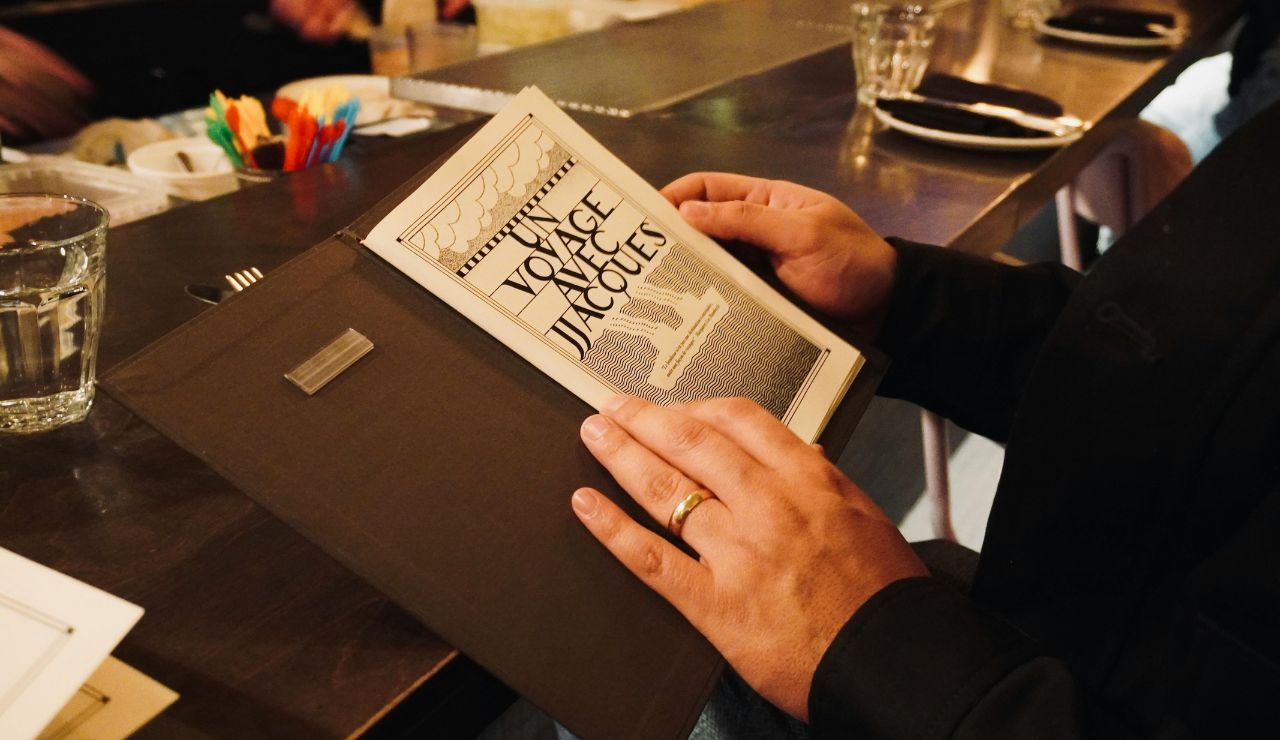
Restaurant menus are handled by multiple customers daily and are often reused without thorough cleaning between uses. As a result, they can carry residues from hands, tables, and surrounding surfaces within dining environments.
Even brief contact while ordering food can transfer particles onto the skin. Since menus remain in constant circulation, the level of exposure may increase over time, particularly in busy or frequently visited locations.
A shower after extended outings that include dining can help remove these residues. It adds an additional layer of cleanliness beyond standard handwashing practices and supports better overall hygiene.
7. Public Restroom Handles
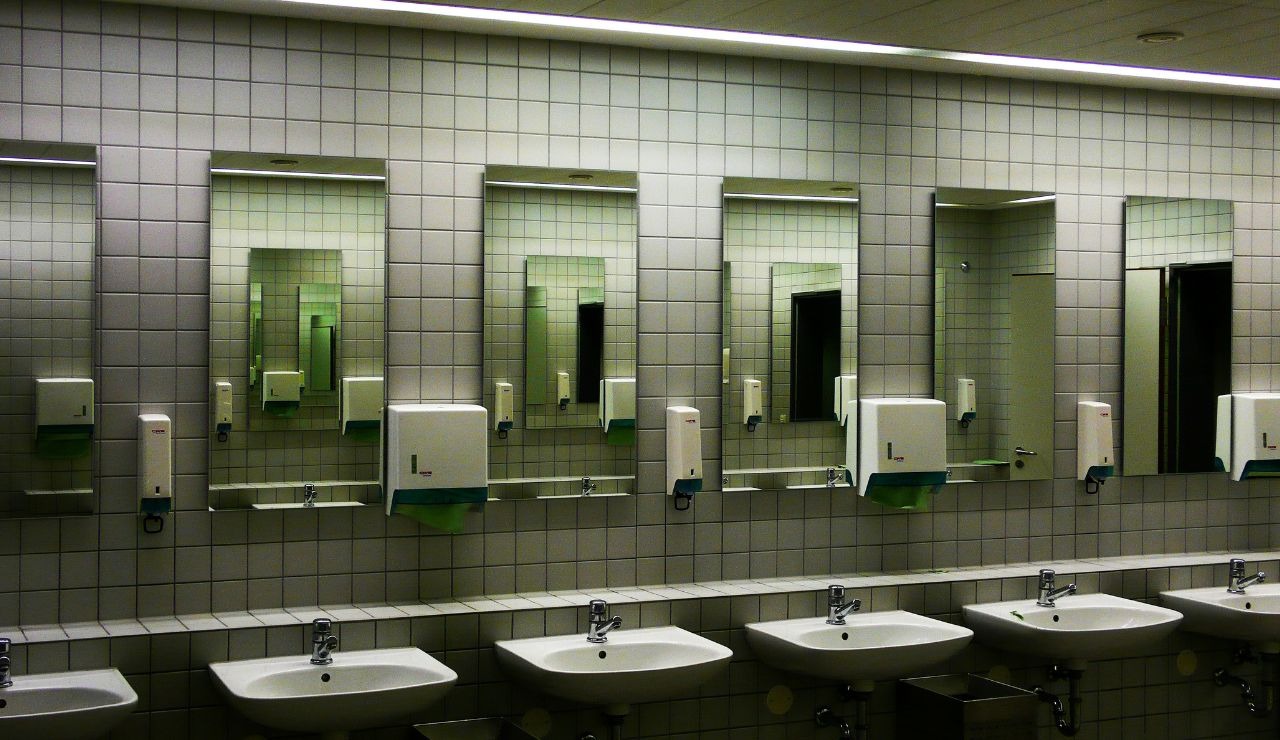
Door handles in public restrooms are among the most commonly touched surfaces, making them a frequent point of contact for various contaminants. Even with regular cleaning, these areas experience continuous and repeated use throughout the day.
Touching these handles when entering or exiting can transfer bacteria to the hands and nearby skin. This exposure is often unavoidable in shared facilities where many individuals pass through in short periods.
Showering after significant exposure helps remove any remaining residues. It supports better hygiene and reduces the chance of carrying contaminants beyond the immediate environment into personal spaces.
8. Office Equipment and Shared Items
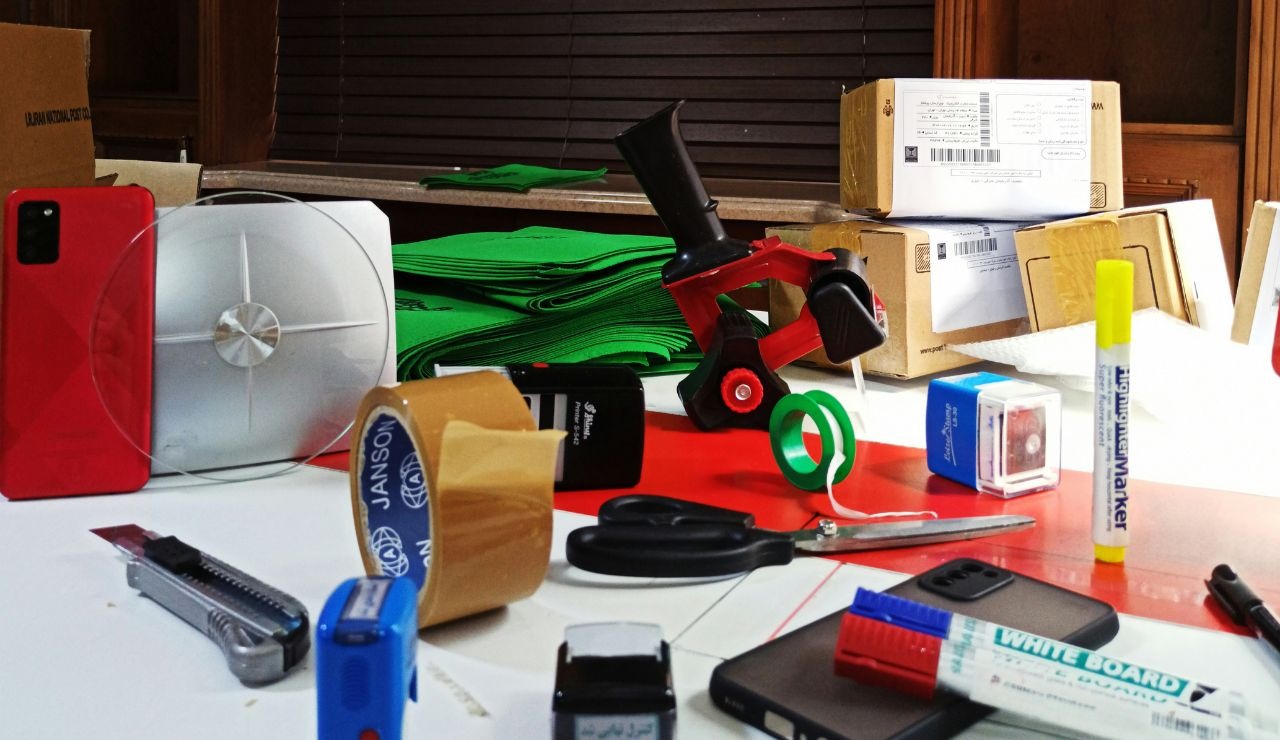
Shared office items such as keyboards, pens, and desks are used by multiple individuals and are not always cleaned frequently. These objects can collect oils, dust, and bacteria over time through repeated handling in daily work settings.
Regular contact during work hours increases the likelihood of transferring these particles onto the skin. Since use is continuous, exposure can build gradually without immediate notice or visible signs of contamination.
Taking a shower after returning home helps remove accumulated residues effectively. It is a practical step for maintaining cleanliness after prolonged interaction with shared equipment in workplace environments.
9. Remote Controls in Shared Spaces
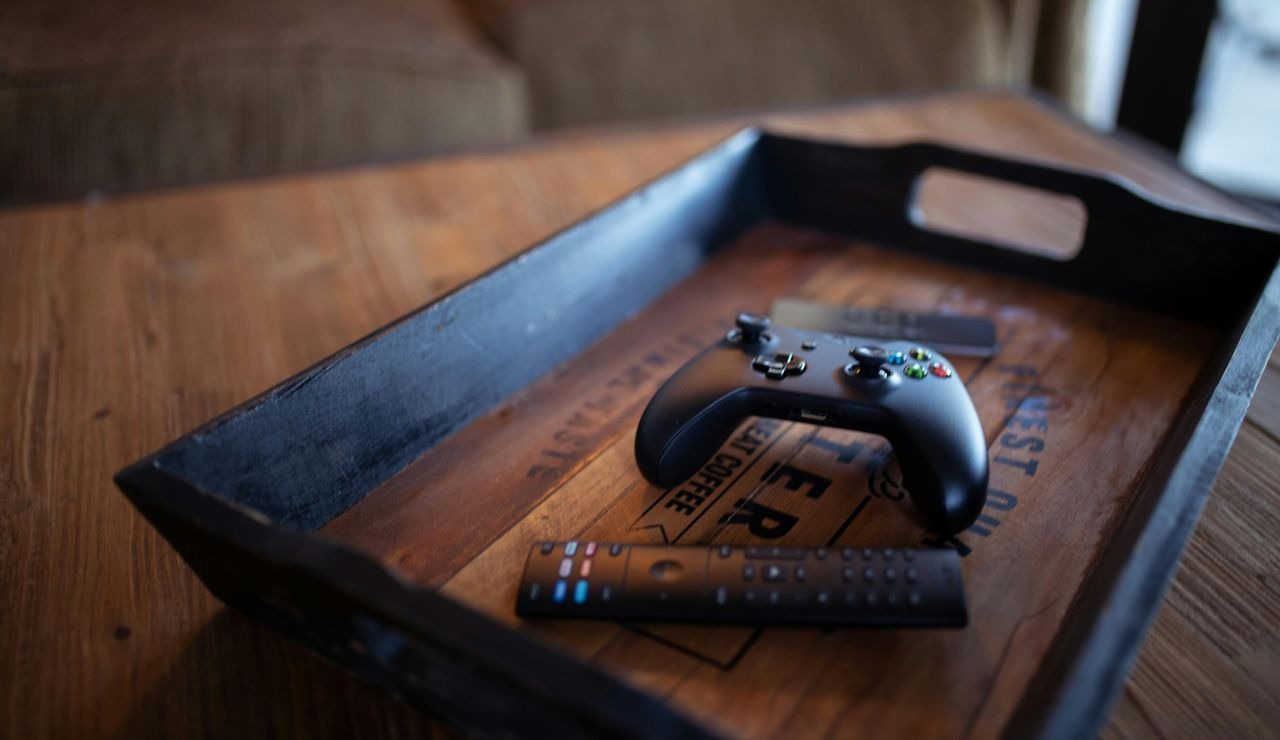
Remote controls in hotels or shared environments are handled by many users and may not be disinfected regularly. Their frequent use makes them a common surface for collecting contaminants from different individuals over time.
Contact with these devices can transfer particles to the hands, which may then spread to other areas of the body. This is especially relevant in travel or shared accommodation settings with limited cleaning between uses.
Showering after returning from such environments helps ensure that any residues are removed. It supports consistent hygiene and reduces the risk of carrying contaminants into personal living spaces.
10. Raw Food Packaging
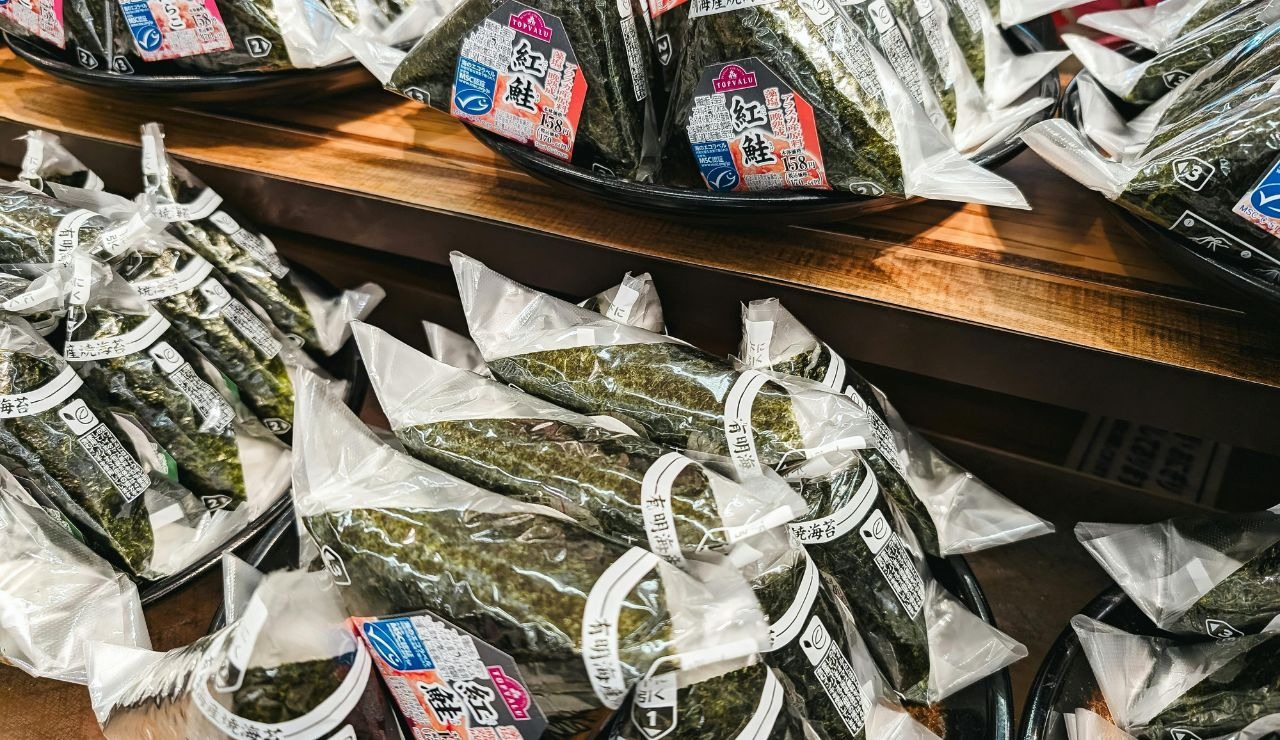
Packaging for raw meat or fish can carry residues from processing and storage environments. Even when sealed, the outer surface may contain bacteria or moisture from handling, transport, and contact with other surfaces.
Contact during unpacking or food preparation can transfer these particles onto the skin or nearby areas. This increases the importance of thorough cleaning after handling such materials in kitchen environments.
A shower after extensive food preparation helps remove any remaining contaminants. It is particularly useful when dealing with raw products in larger quantities or over extended periods of time.