America’s oldest houses stand as living records of craftsmanship, survival, and evolving culture. These buildings have weathered centuries of change, from colonial struggles to industrial growth, yet remain rooted in their original form. Each wall, floorboard, and beam holds traces of the people who lived there and the events they endured. Visiting these homes offers more than a glimpse of architecture; it connects us directly to the nation’s earliest days, where daily life shaped the foundation of American identity.
1. Fairbanks House – Dedham, Massachusetts
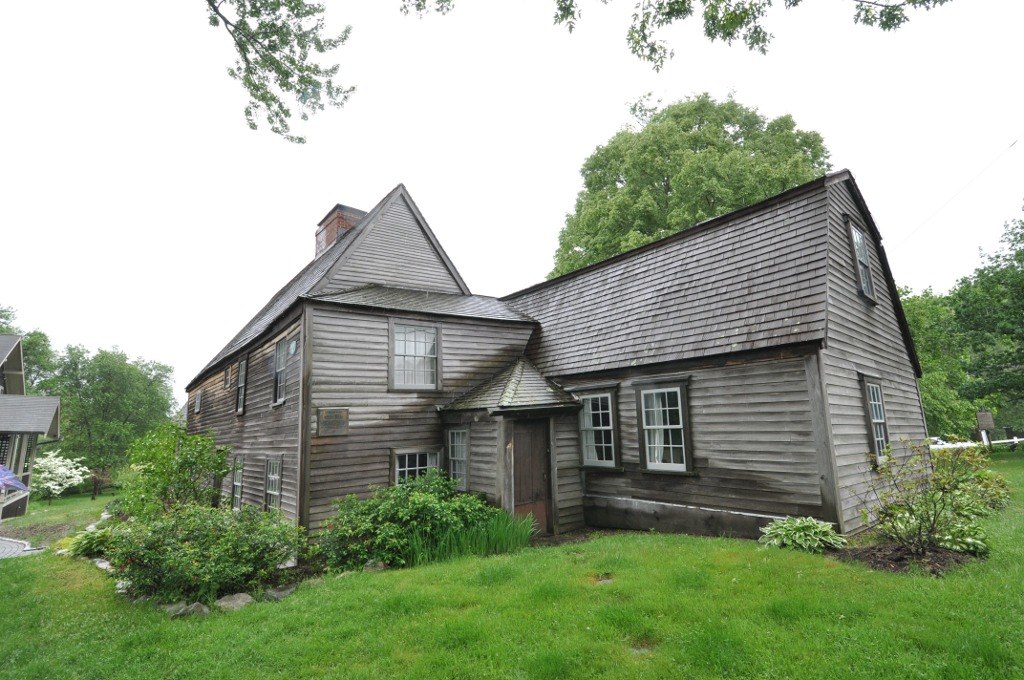
Dating to around 1641, the Fairbanks House is the oldest known timber-frame home still standing in North America. Built for Jonathan and Grace Fairbanks, it sheltered eight generations, surviving wars, storms, and centuries of change. The design shows English building traditions adapted to New England’s harsher climate, with steep roofs, small windows, and a massive central chimney. Its weathered wood tells of lives lived simply but resiliently, making it a rare surviving link to early colonial craftsmanship.
Stories in the Wood
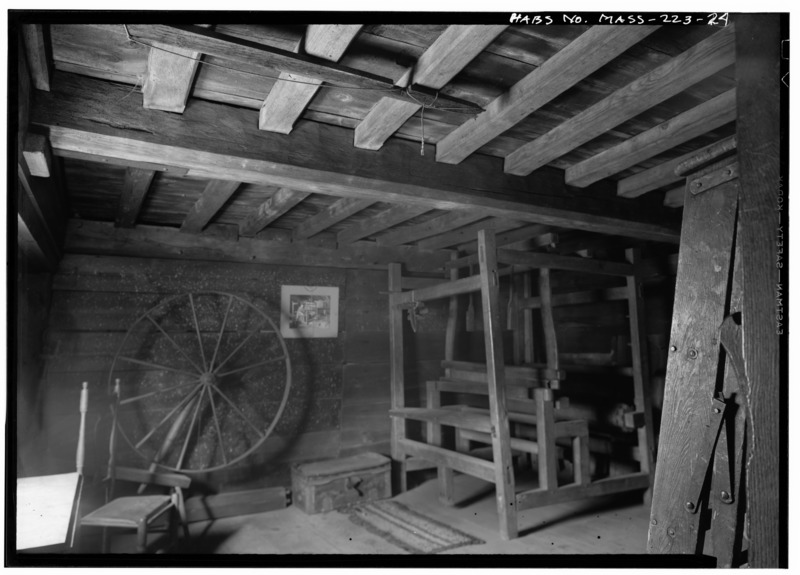
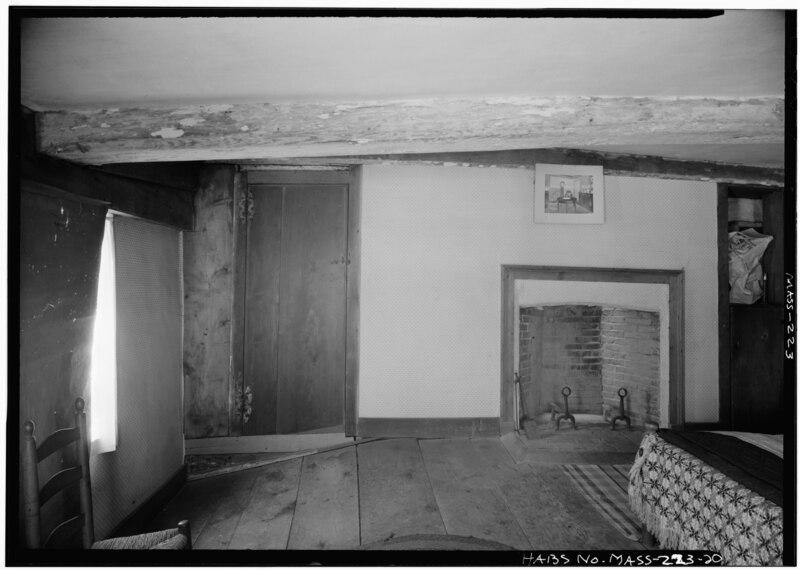
Inside, the Fairbanks House is a time capsule of 17th-century life. Original beams, worn smooth by generations, bear marks from hand tools used nearly four centuries ago. A large central hearth dominates the main room, once the home’s heart for warmth and cooking. Visitors walk on wide, uneven floorboards, hearing each creak echo with the footsteps of its earliest inhabitants. Every corner preserves fragments of the past, from smoke-darkened ceilings to hand-forged nails anchoring the home’s enduring structure.
2. Wyckoff House – Brooklyn, New York
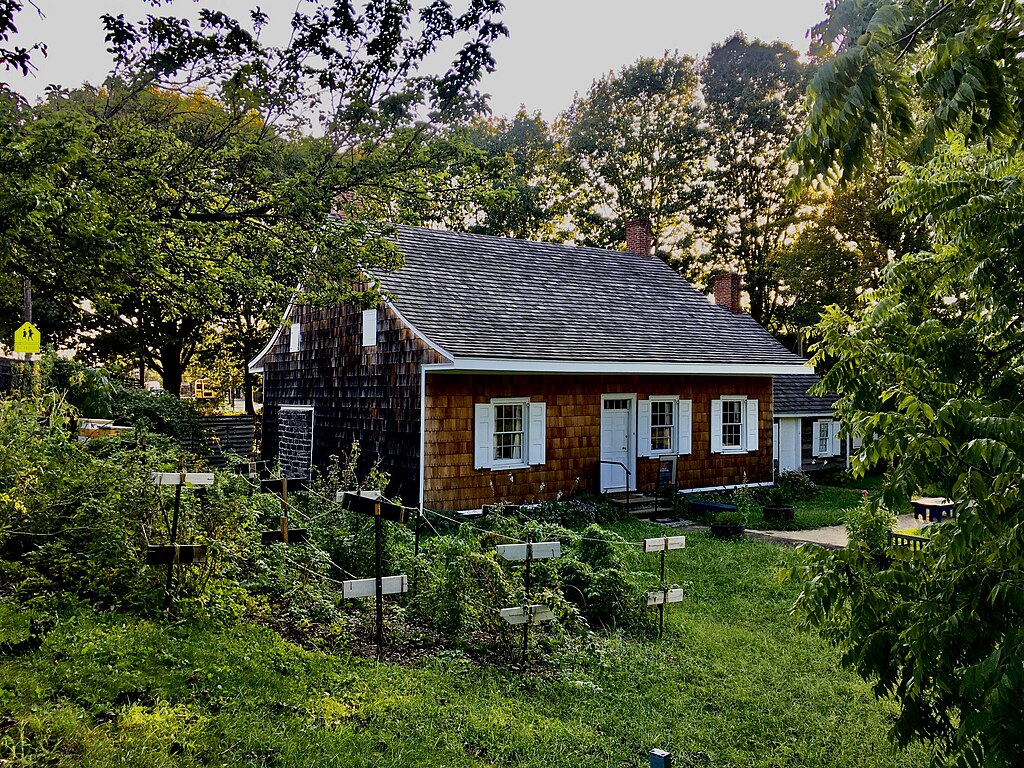
Built in 1652 by Pieter Claesen Wyckoff, this Dutch Colonial farmhouse is the oldest surviving structure in New York City. Its sloped roof and broad eaves reflect European style adapted to the New World’s conditions. Originally surrounded by farmland, it was once the center of a self-sustaining homestead, producing crops and livestock. Over time, Brooklyn’s cityscape grew around it, yet the Wyckoff House remains as a rare, tangible reminder of the city’s rural roots and its earliest European settlement.
From Farm to Museum
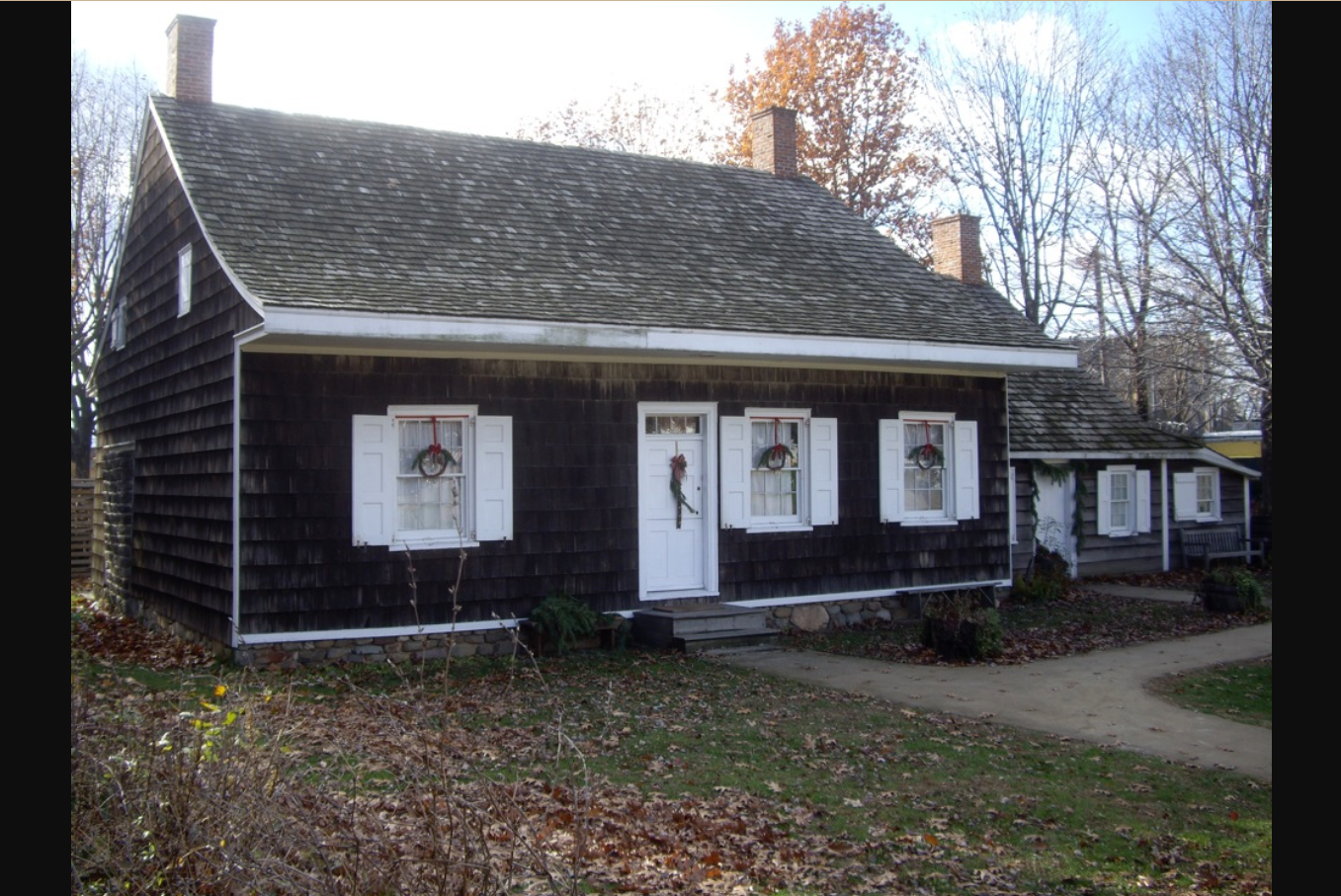
Today, the Wyckoff House serves as a museum dedicated to preserving Brooklyn’s agricultural heritage. Visitors explore furnished rooms depicting 17th-century Dutch domestic life, complete with replicas of period tools, cookware, and textiles. Seasonal gardens recall the self-reliance of its early residents, who cultivated their food and traded with neighbors. Educational programs immerse guests in hands-on history, from butter churning to textile making, ensuring the house continues to teach the skills and stories of its first generations.
3. Paul Revere House – Boston, Massachusetts
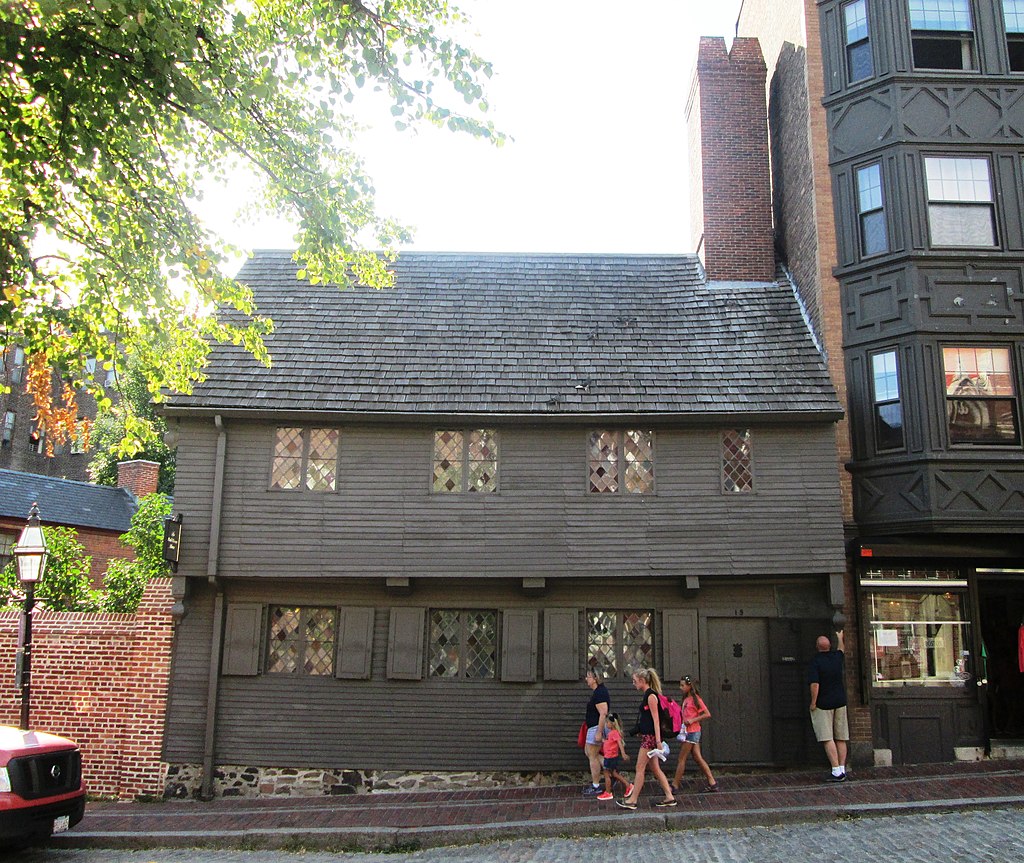
Constructed around 1680, this modest home became the residence of patriot Paul Revere in 1770. From here, he began his midnight ride to warn of British troop movements during the Revolution. Originally built for a wealthy merchant, it showcases urban colonial architecture with timber framing and clapboard siding. Its location in Boston’s North End places it at the heart of America’s revolutionary history, making it both a preserved home and a monument to one of the nation’s enduring heroes.
A Patriot’s Legacy
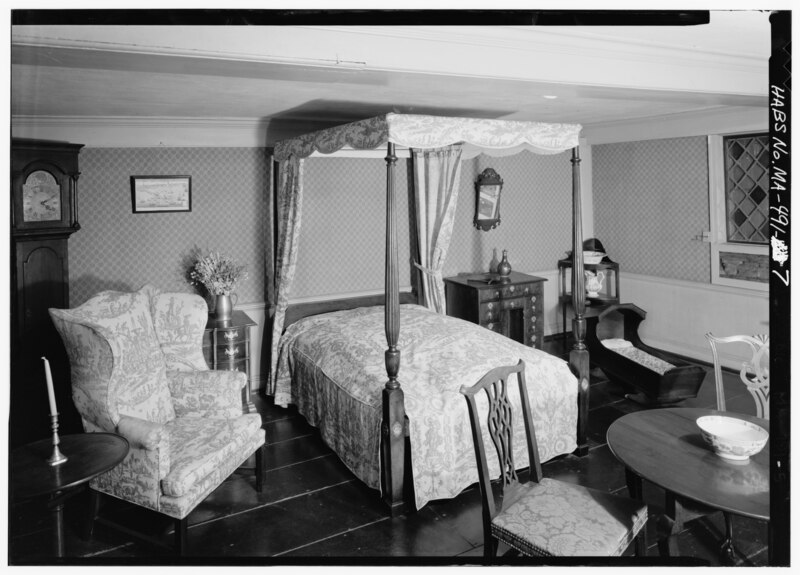
Restored in the early 1900s, the Paul Revere House now welcomes visitors into rooms furnished to reflect colonial Boston. Period pieces recreate the domestic life of an 18th-century family, from the kitchen hearth to sleeping chambers. Interpretive displays share Revere’s story, connecting his political activism to his daily life. Standing in the same rooms where plans were made offers an intimate link to the Revolution, bridging the gap between historical events and the personal spaces where they unfolded.
4. Thomas Lee House – East Lyme, Connecticut
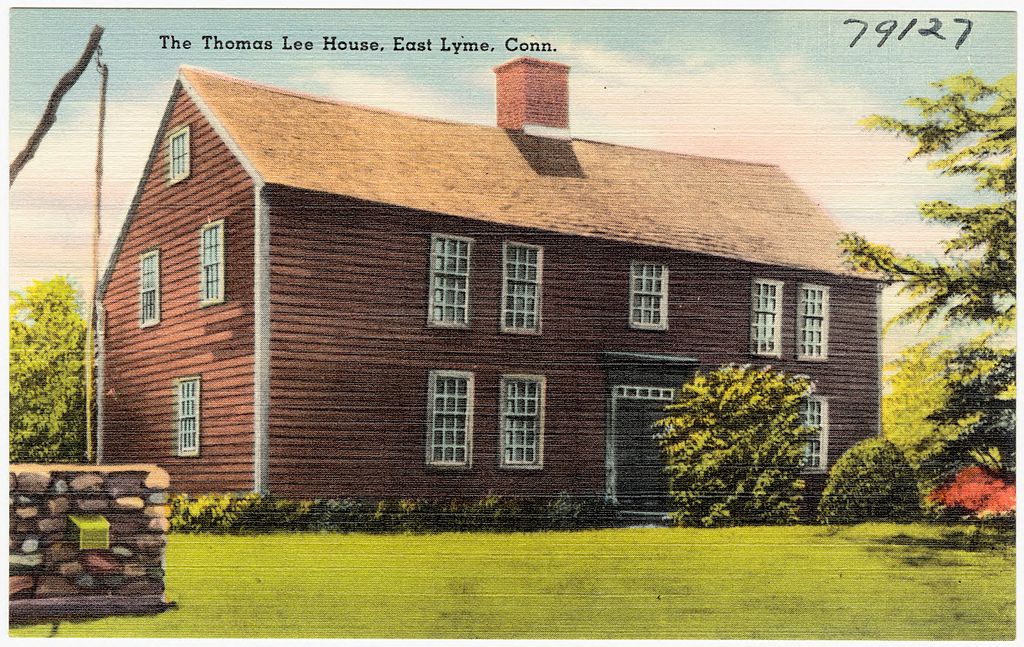
Dating to about 1660, the Thomas Lee House is a rare survivor of early colonial architecture in Connecticut. Its heavy timber framing, oak posts, and original joinery showcase the strength and skill of 17th-century craftsmanship. The home remained in the Lee family for over two centuries, witnessing generations of change before being rescued from decay. Its sturdy construction and simple lines reflect the practicality of frontier life, built to endure both harsh winters and the test of time.
Preserving the Past
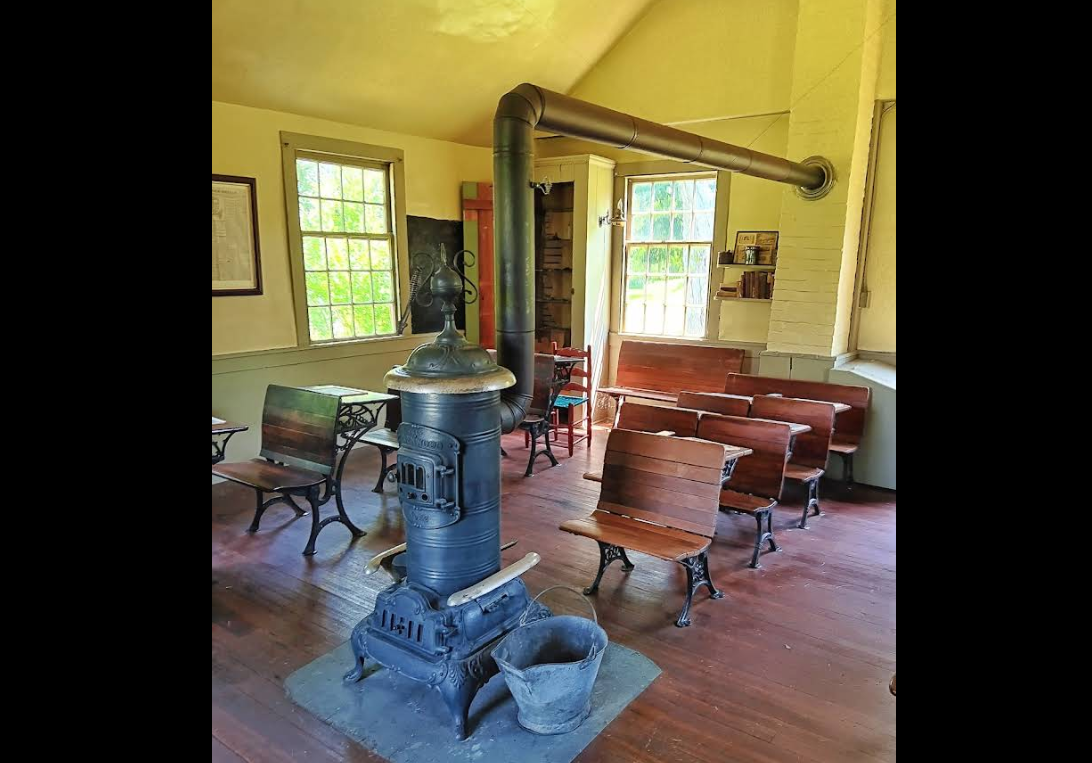
Today, the Thomas Lee House stands as a museum maintained by the East Lyme Historical Society. Guided tours reveal rooms furnished with period-appropriate artifacts, from handmade chests to cooking utensils once hung near the hearth. Stories of the Lee family’s daily routines and the home’s survival through wars and neglect come to life. Preservation efforts ensure that each beam and floorboard remains true to its 17th-century origins, keeping the home a tangible link to Connecticut’s colonial beginnings.
5. Richard Sparrow House – Plymouth, Massachusetts
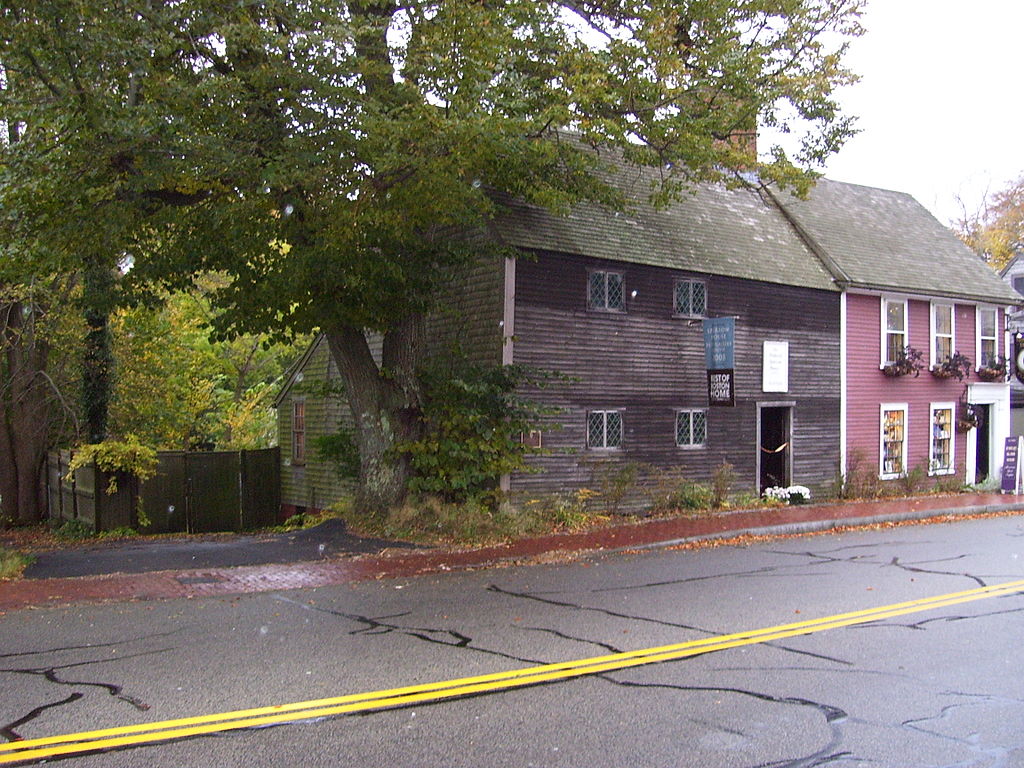
Built in 1640 by English surveyor Richard Sparrow, this is Plymouth’s oldest surviving house. It reflects the steep roofs and central chimneys of early New England design, adapted to the wilderness. Originally part of the town’s expansion beyond the first settlement, it provided shelter and stability in a challenging environment. Its rough-hewn beams and wide-plank floors speak to a time when building a home meant shaping raw materials into a lasting refuge against the elements and uncertainty.
Living History
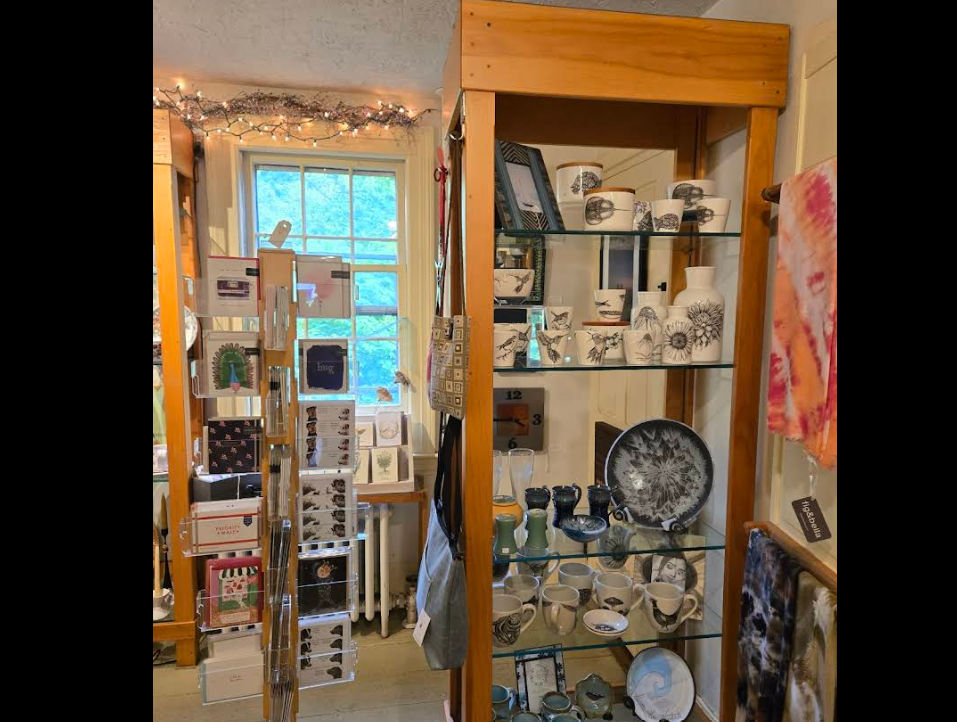
Now operating as a gallery, the Richard Sparrow House blends historic preservation with contemporary creativity. Visitors can admire the original timber framing while exploring artworks by local artists displayed throughout its rooms. This dual role keeps the building relevant, allowing it to remain a gathering place for culture and community. The mix of centuries-old craftsmanship and modern artistry reflects how historic spaces can adapt without losing their character, continuing to inspire across generations.
These historic homes stand as more than architectural relics—they are storytellers in wood, stone, and mortar. Each has weathered centuries while keeping the memory of its builders and residents alive. Visiting them offers a rare chance to step directly into the past, touching the textures and walking the floors of America’s earliest domestic spaces. Preserved through dedication and care, they remind us that history isn’t confined to books—it can be lived, felt, and walked through today.