Some places in America feel like they never signed up for the 21st century. These are towns where wooden storefronts still line dusty streets, horses clip clop in place of traffic, and main squares look ready for a sheriff, a stagecoach, or a traveling salesman. Families visiting these spots get a rare chance to walk a version of America that feels frozen in time. These towns did not just preserve buildings. They preserved atmosphere, pace, and personality. A trip to any one of them feels like stepping onto a movie set where history still speaks louder than modern convenience.
Virginia City, Nevada
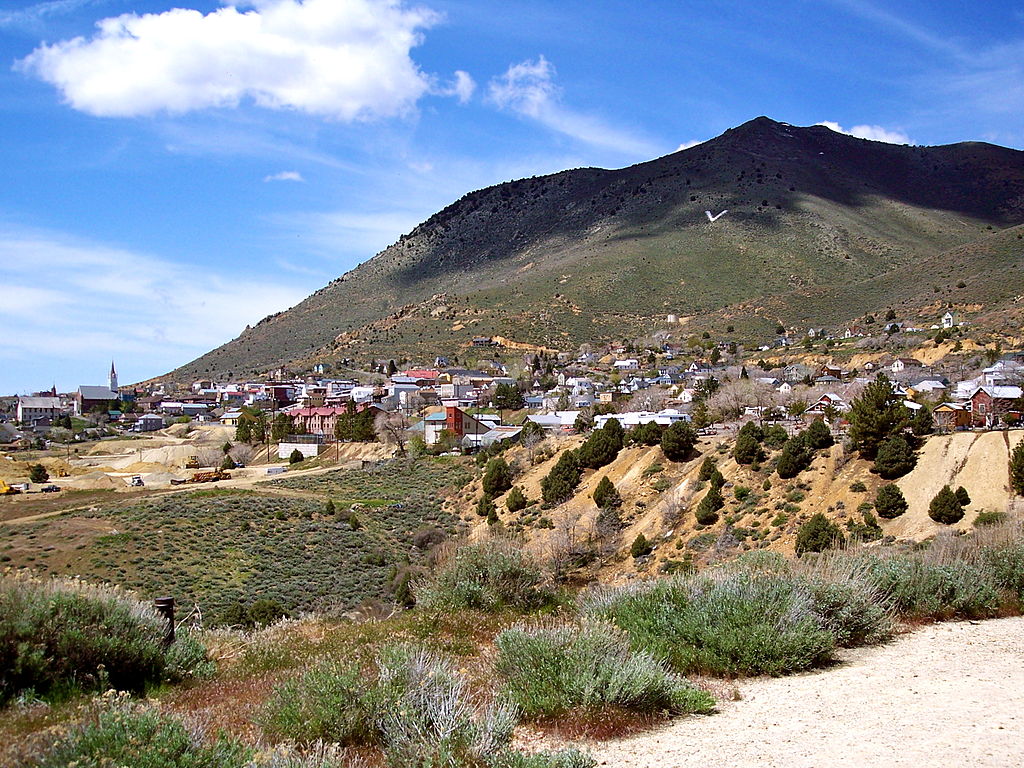
Virginia City feels like a gold rush dream left fully intact. Saloons, wooden sidewalks, and restored mines line its steep hills. Storefronts appear untouched by time, and performances reenact the legendary days when silver strikes drew crowds westward. Horse carriages, vintage signs, and guided tours fill the streets with motion and noise that feel pulled straight from the 1870s. Visitors feel the boomtown spirit without needing imagination. The entire place looks like a living museum with history etched into every board, beam, and brick.
Deadwood, South Dakota
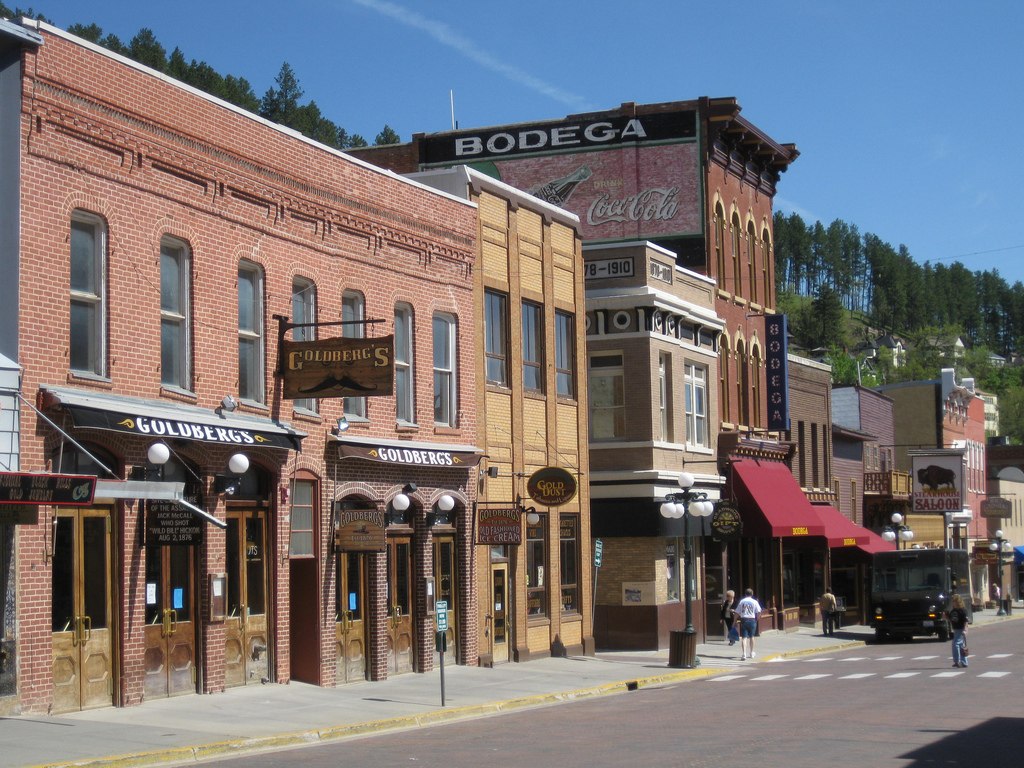
Deadwood blends real history with theatrical flair, keeping the Wild West alive. The town became famous during the Black Hills gold rush and still carries that identity proudly. Actors stroll in period costumes, wooden buildings line the main street, and historic casinos sit where saloons once roared. Visitors hear stories of outlaws, prospectors, and pioneers, all set against rugged hills that enhance the town’s authenticity. The past feels close, not distant, making the place look like a frontier story still unfolding.
Galena, Illinois
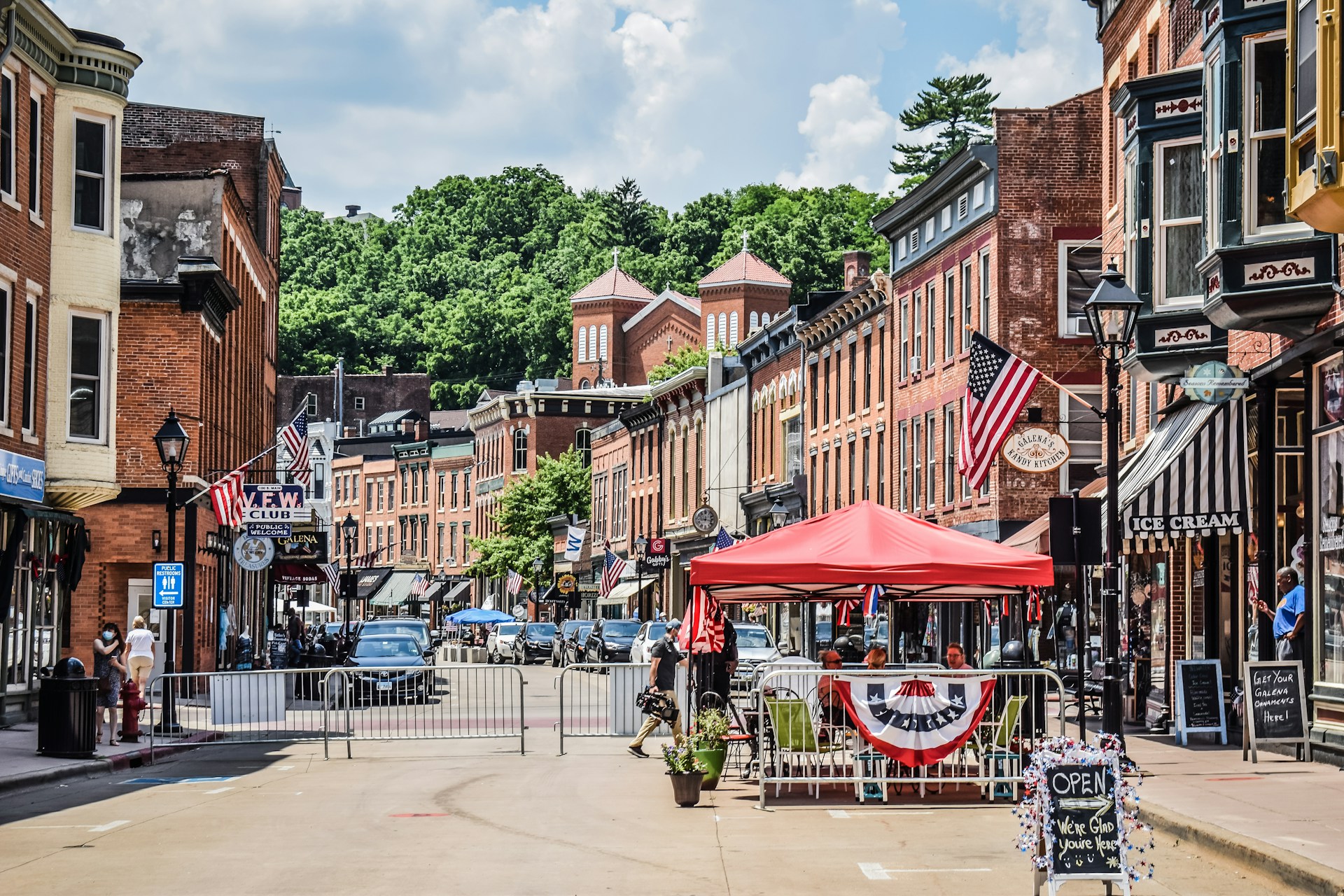
Galena looks like a postcard from the 1800s, with brick storefronts and hillside homes left almost untouched. The entire town feels curated without being artificial. Lamps, balconies, and cobblestone touches create an atmosphere closer to a historical portrait than a modern tourist stop. Walking down Main Street feels like a slow trip through time. Families see architecture that captures the optimism of early American expansion, and the town moves at a pace where history does not need interpretation.
Mackinac Island, Michigan
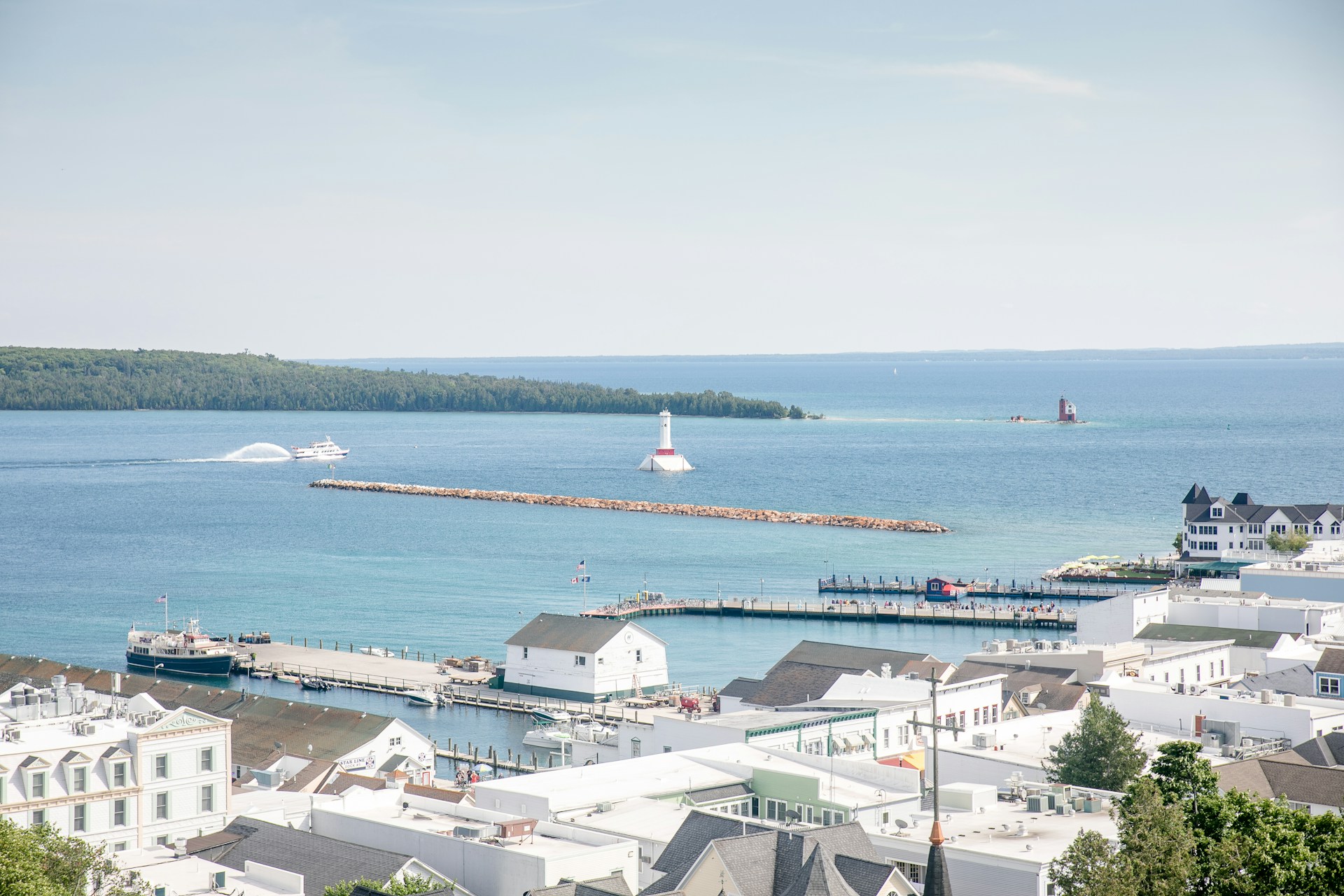
Mackinac Island stands apart from modern life by banning cars. Horse drawn carriages, bicycles, and Victorian era buildings anchor the experience. Streets are lined with historic inns, porches overlook the lakes, and time seems paused. The absence of engines makes the entire island sound and feel old fashioned. Visitors move slower, observe more, and absorb details that modern cities blur. It becomes a rare environment where simple transportation transforms every view into a 19th century memory.
Eureka Springs, Arkansas
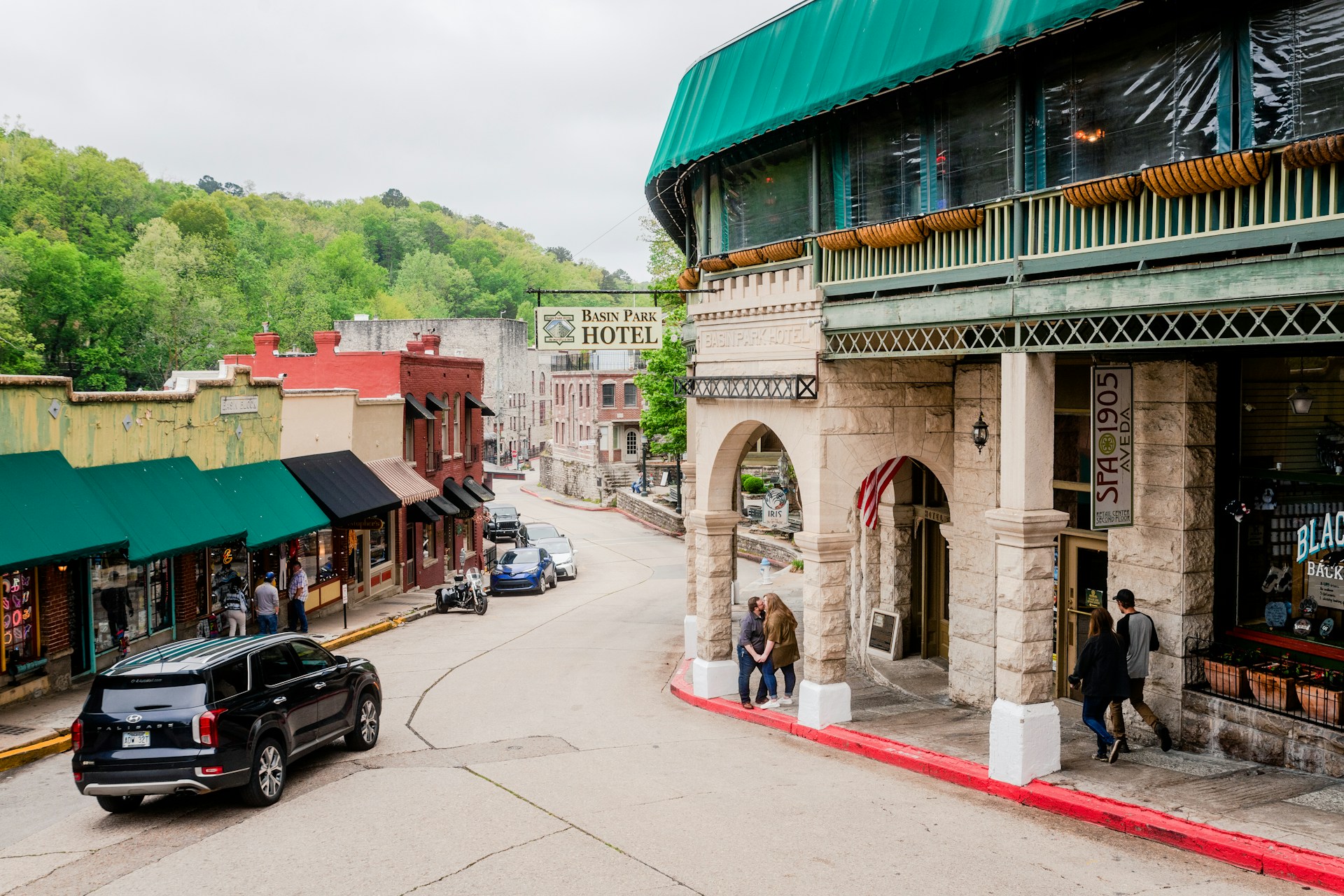
Eureka Springs twists through stone lined streets filled with wooden homes, iron balconies, and old boarding houses that cling to steep hillsides. The town grew around healing springs that once drew travelers looking for cures. Those early days are still visible in every corner. Victorian details and narrow lanes create a whimsical rhythm where footsteps echo against preserved history. Modern businesses hide behind 1800s façades, creating a seamless past present blend.
Jerome, Arizona
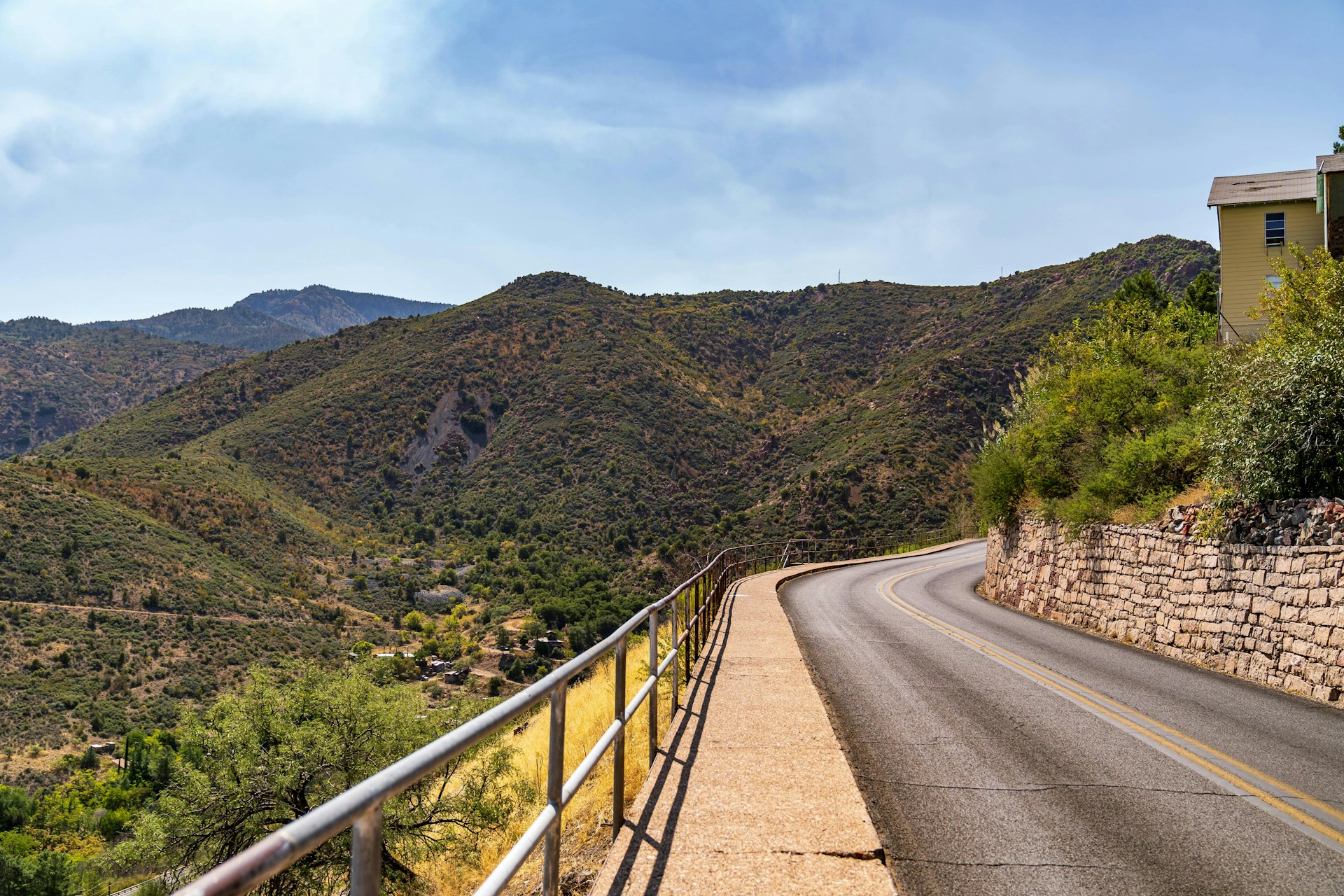
Jerome rises from a mountainside like a mining camp waiting for shift change. Rusted equipment sits beside restored storefronts, and the landscape carries the echoes of copper workers who once lived here. The view stretches across desert valleys, adding drama to the town’s weathered wood and brick structures. Visitors appear to enter a Western mining film rather than a functioning settlement. Every corner feels like it has a story tied to ore and ambition.
Harpers Ferry, West Virginia
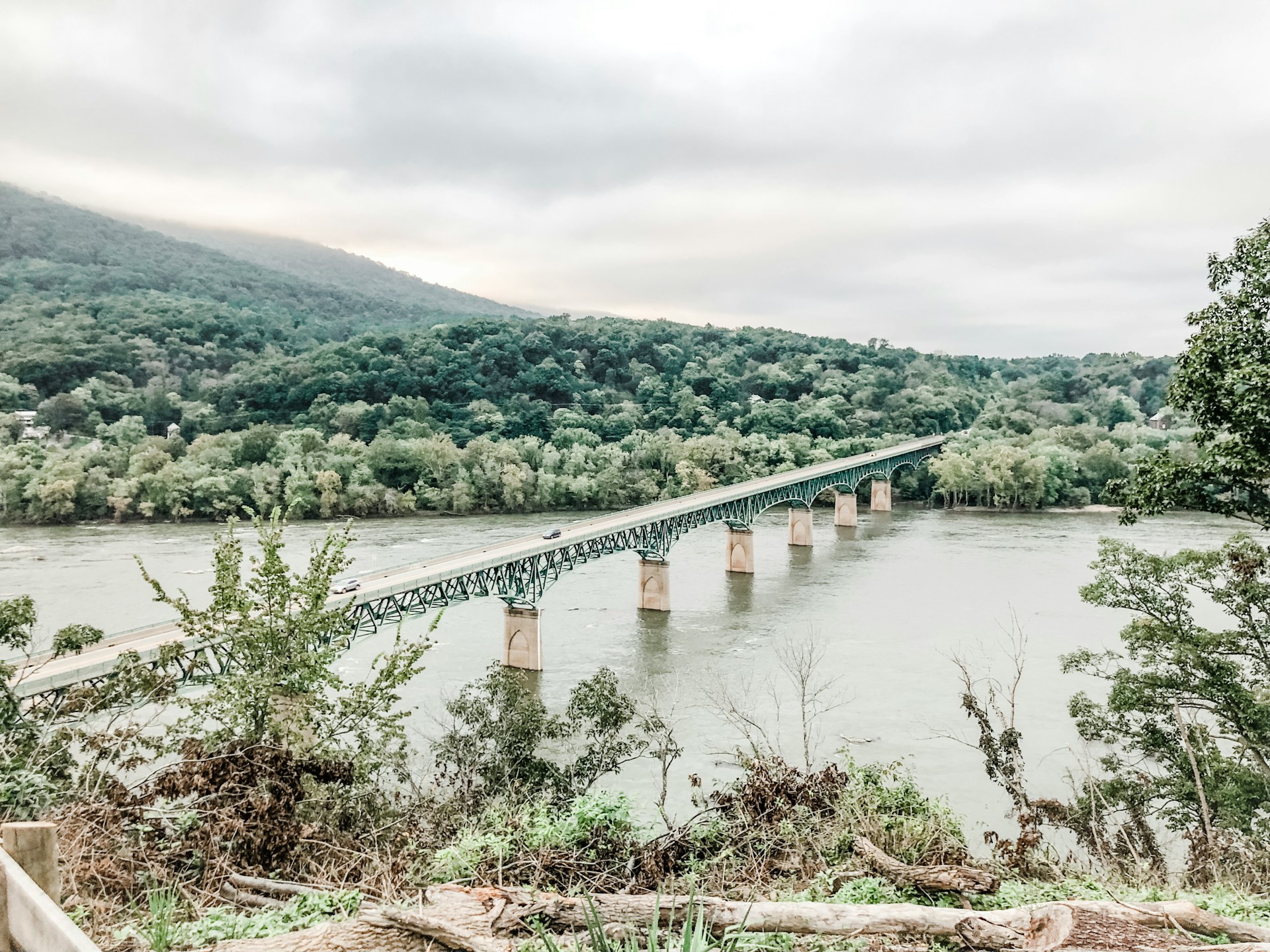
Harpers Ferry stands where rivers meet, giving its preserved streets a dramatic natural frame. Brick shops, stone paths, and hilltop churches recall a country struggling toward unity and identity. The town feels layered with stories from abolitionists, soldiers, and travelers. Walking through it feels like revisiting the American crossroads that shaped national tensions long before highways and interstates erased distance. The buildings seem ready for history to resume at any moment.
Silverton, Colorado

Silverton sits high in the mountains and looks like a railroad stop untouched by time. Colorful facades, dusty roads, and tall peaks surround it, creating a cinematic frame. Steam trains still arrive, reminding visitors how travel once sounded and smelled. The rugged terrain amplifies the experience, positioning the town as a last outpost instead of a vacation retreat. It is both remote and remarkable, a relic that refuses to modernize.
Cody, Wyoming
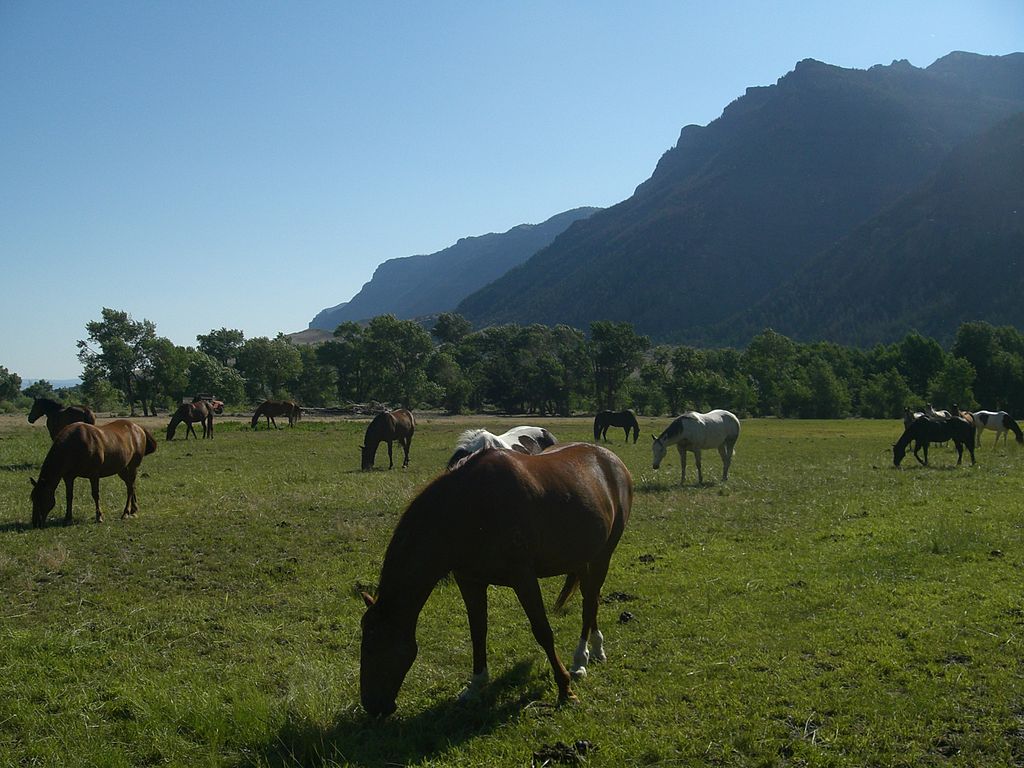
Cody feels like a Western story that never finished. Wooden buildings, rodeo culture, and wide open spaces reflect the life of explorers and settlers. Founded by Buffalo Bill, the town carries showmanship and frontier legend in its bones. The facades appear real, not recreated. The streets suggest movement and expectation rather than nostalgia. Visitors feel transported into a Western era that looks ready for another chapter.
Abilene, Kansas
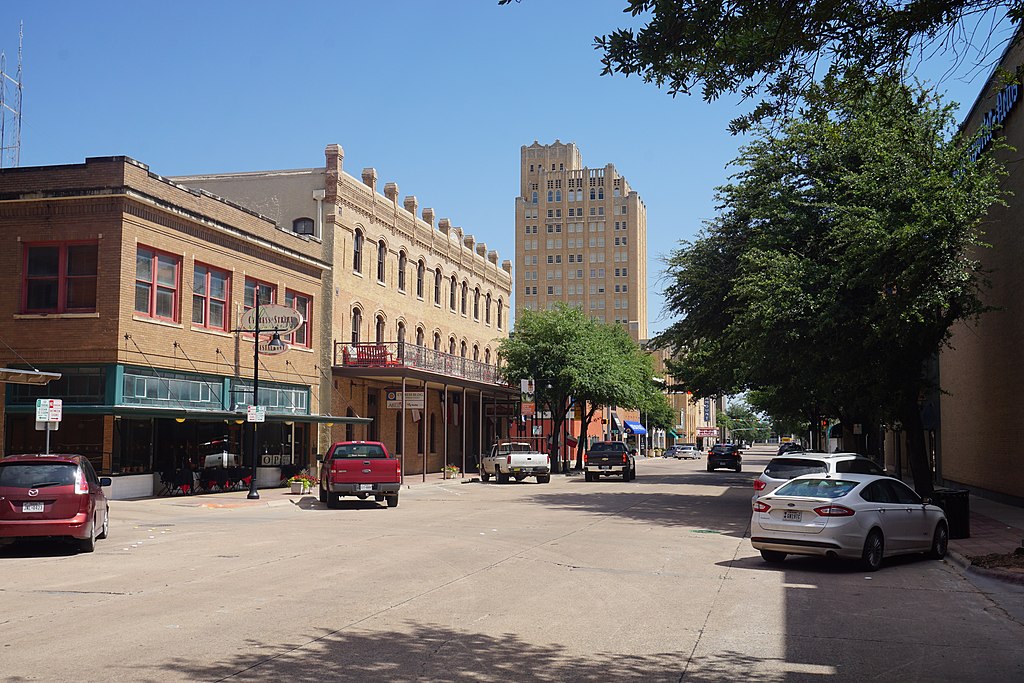
Abilene embraces cattle trail roots with wood fronts and rail influences that define early frontier towns. The skyline looks unchanged, as if cowboys might still pass through. Museums and rail displays highlight the town’s transportation importance. The layout welcomes walking, storytelling, and reflection. The structures appear to wait for the return of pioneers, giving visitors a sense of participation rather than observation in history.
Nevada City, California
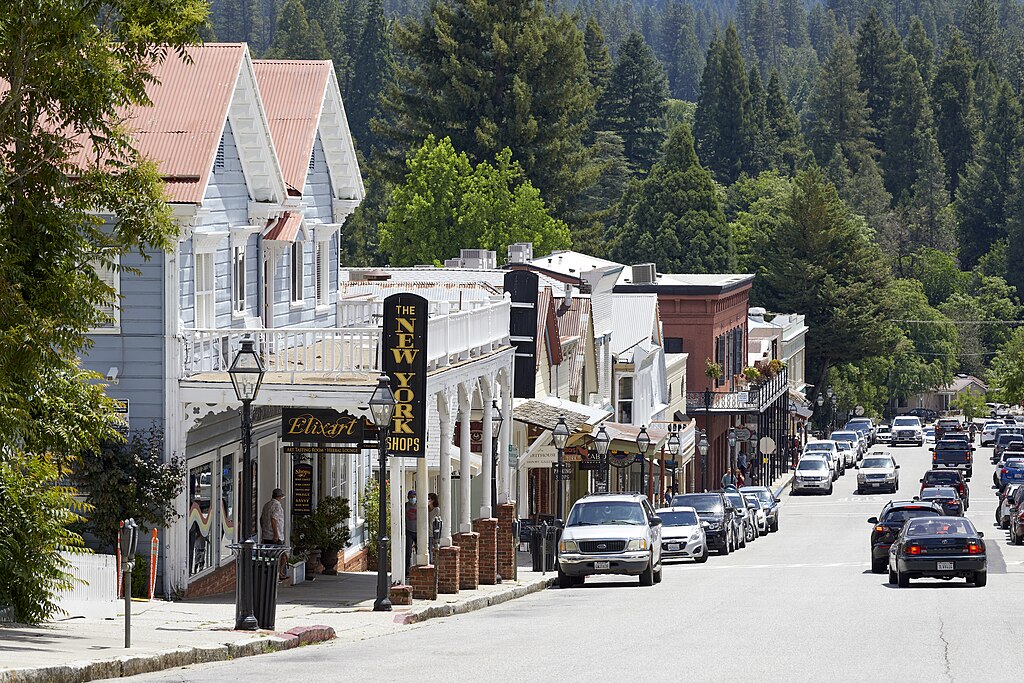
Nevada City captures gold rush optimism with clapboard storefronts and winding hillsides. The buildings hold the texture of industries that have come and gone. Wooden porches, brick hotels, and narrow passages create a layered, intimate aesthetic. The town does not feel staged. It feels aged and embraced, allowing visitors to observe rather than imagine life in a thriving prospecting hub.
Cape May, New Jersey
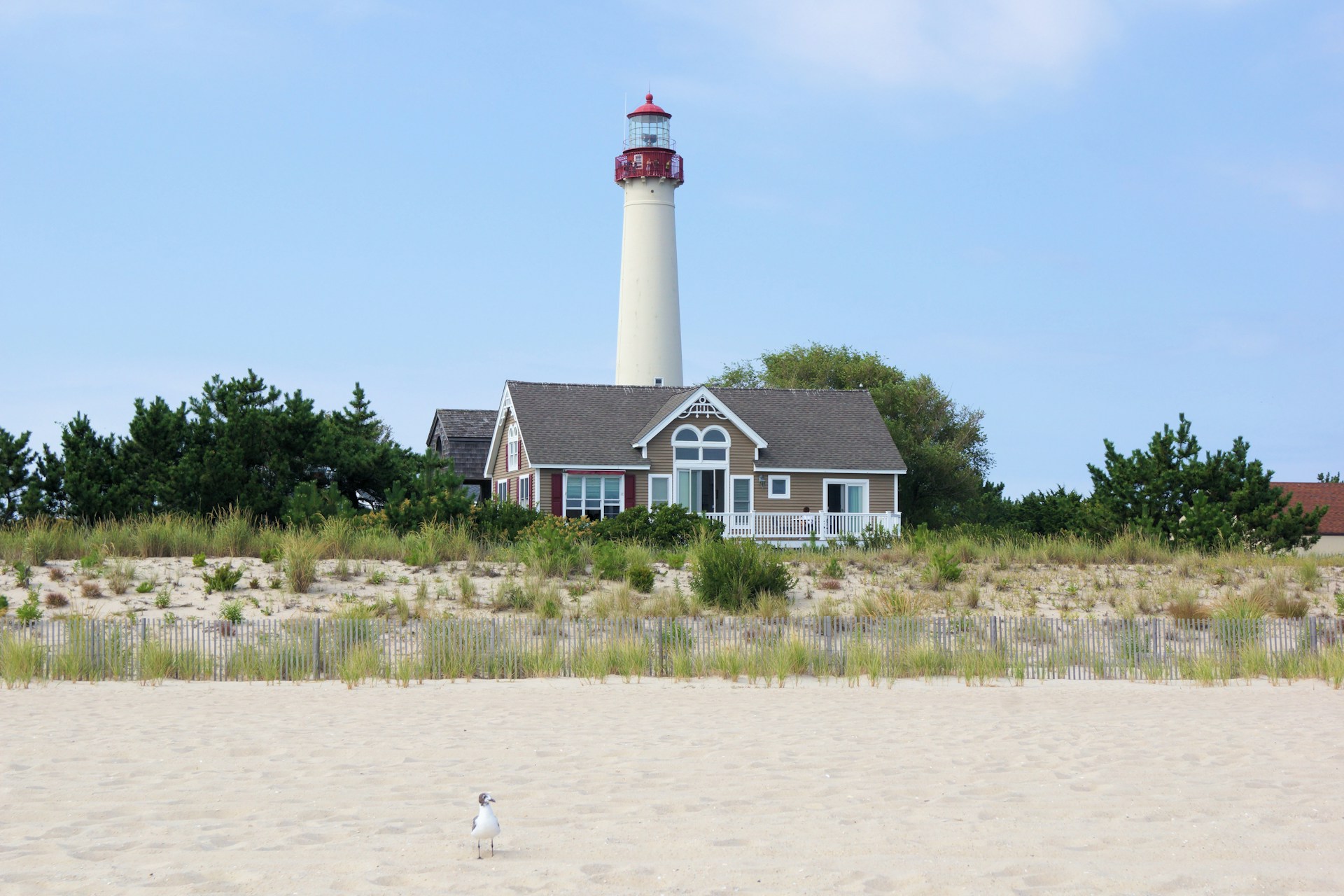
Cape May surprises people expecting a beach town but discovering a Victorian labyrinth. The houses appear perfectly maintained without losing authenticity. Porches, trim work, and quiet streets reflect a softer pace, closer to handwritten letters than digital messages. The architecture feels like a memory that never faded. No clue from the present interrupts the illusion, preserving a time when craftsmanship defined daily living.
Leavenworth, Kansas
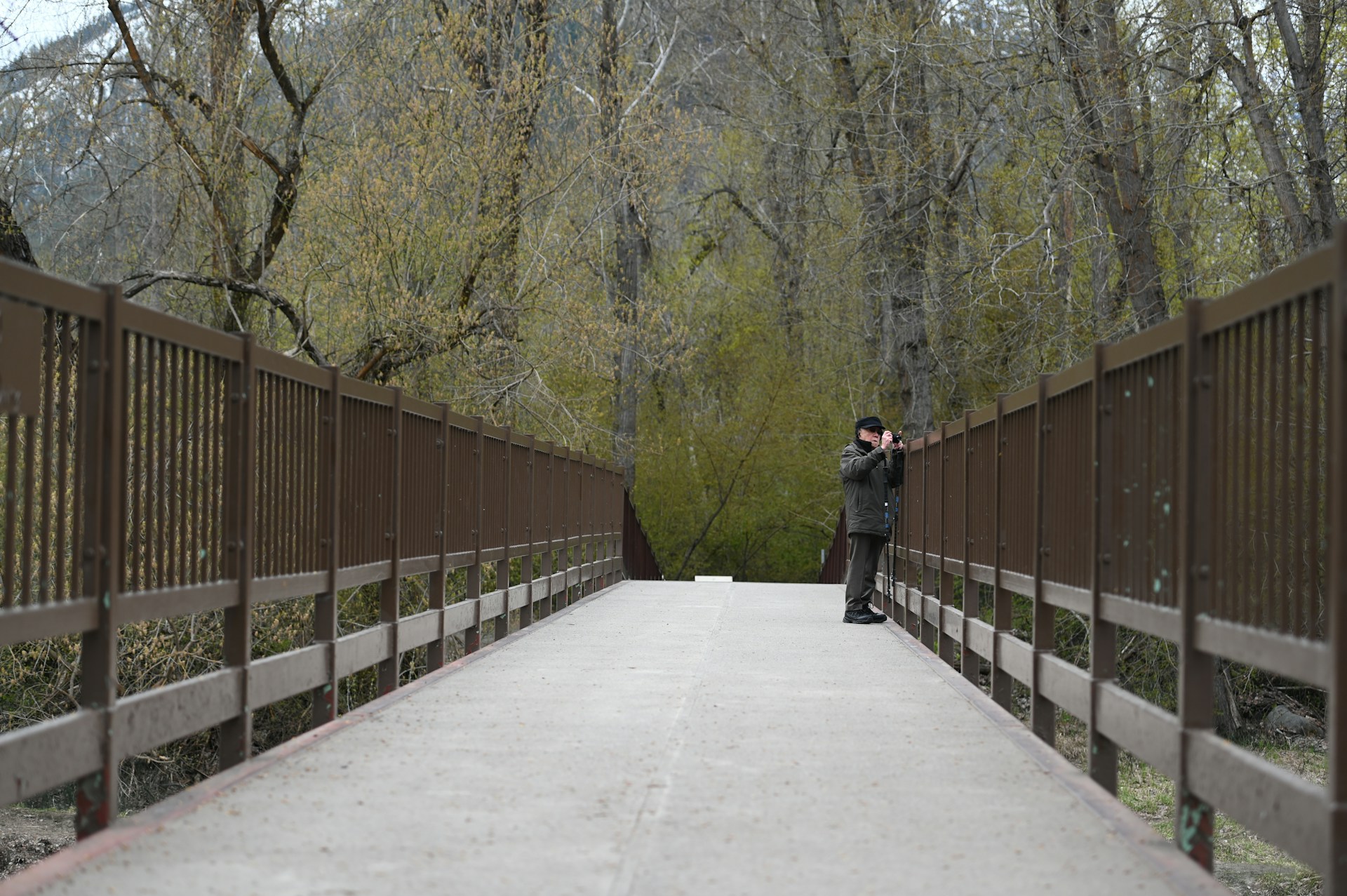
Leavenworth carries forts, barracks, and official buildings that recall early military organization. Brick lines, old stone, and measured streets hint at discipline more than decoration. The layout feels like it was built for order, not whimsy. Time seems to freeze where uniforms once marched and commands echoed. Visitors see structure rather than spectacle, which makes the past feel inevitable rather than invented.
St. Augustine, Florida
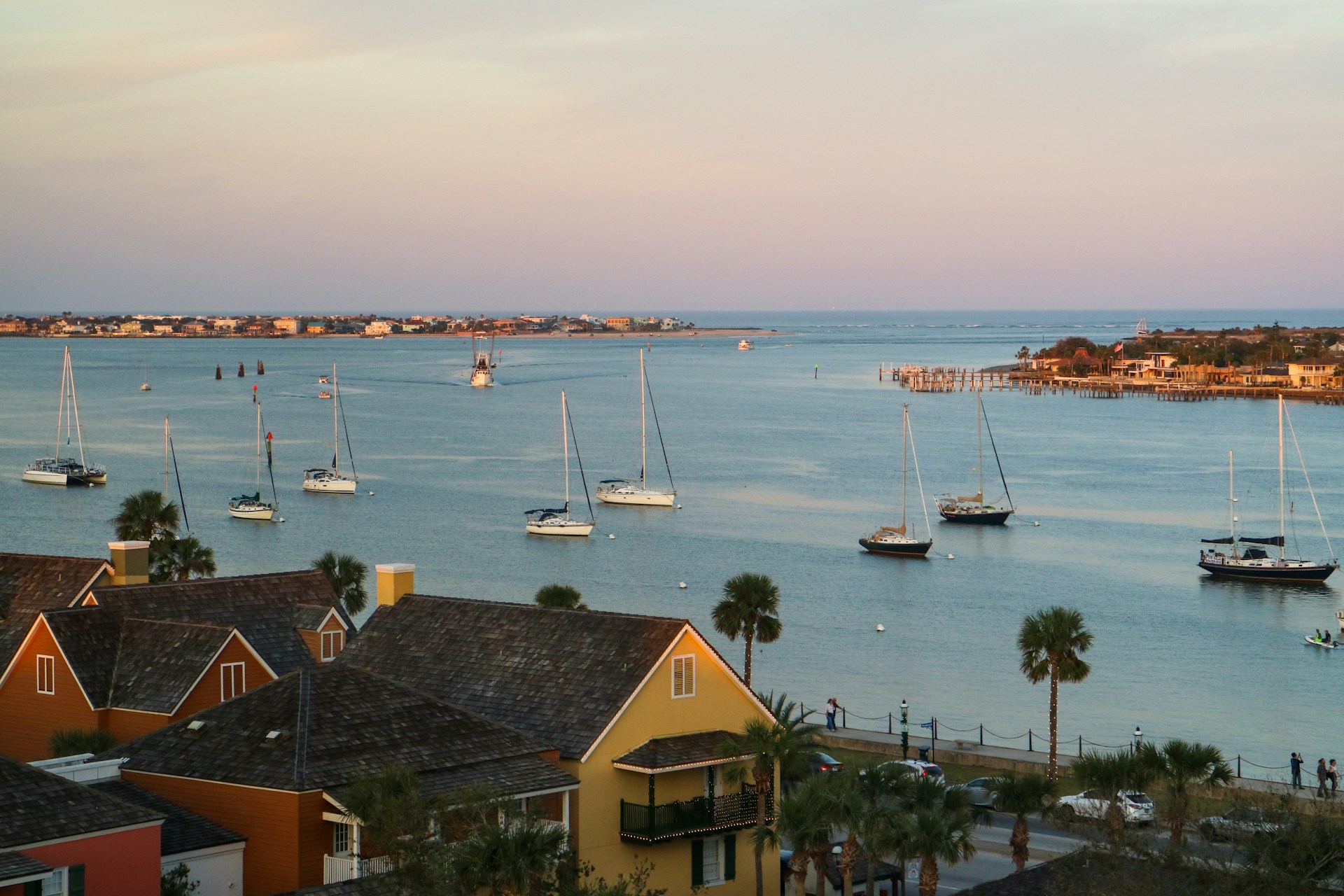
St. Augustine blends colonial texture and 19th century detail into one continuous scene. Cobblestone streets, horse carriages, and weathered structures build an environment where centuries overlap without contradiction. The charm resides in how effortlessly history integrates into modern life. Buildings feel lived in rather than restored, and the town looks ready to resume any era it once held. The effect is immersive without intention, making each step feel anchored in time rather than memory.
These towns prove that America’s past did not disappear. It simply lives inside streets that never traded authenticity for convenience. Visiting them feels less like tourism and more like participation in stories that never ended. Families and travelers do not just see history. They walk inside it, discovering that the 19th century is not gone. It is just waiting where modern roads stop and timeless roads begin.