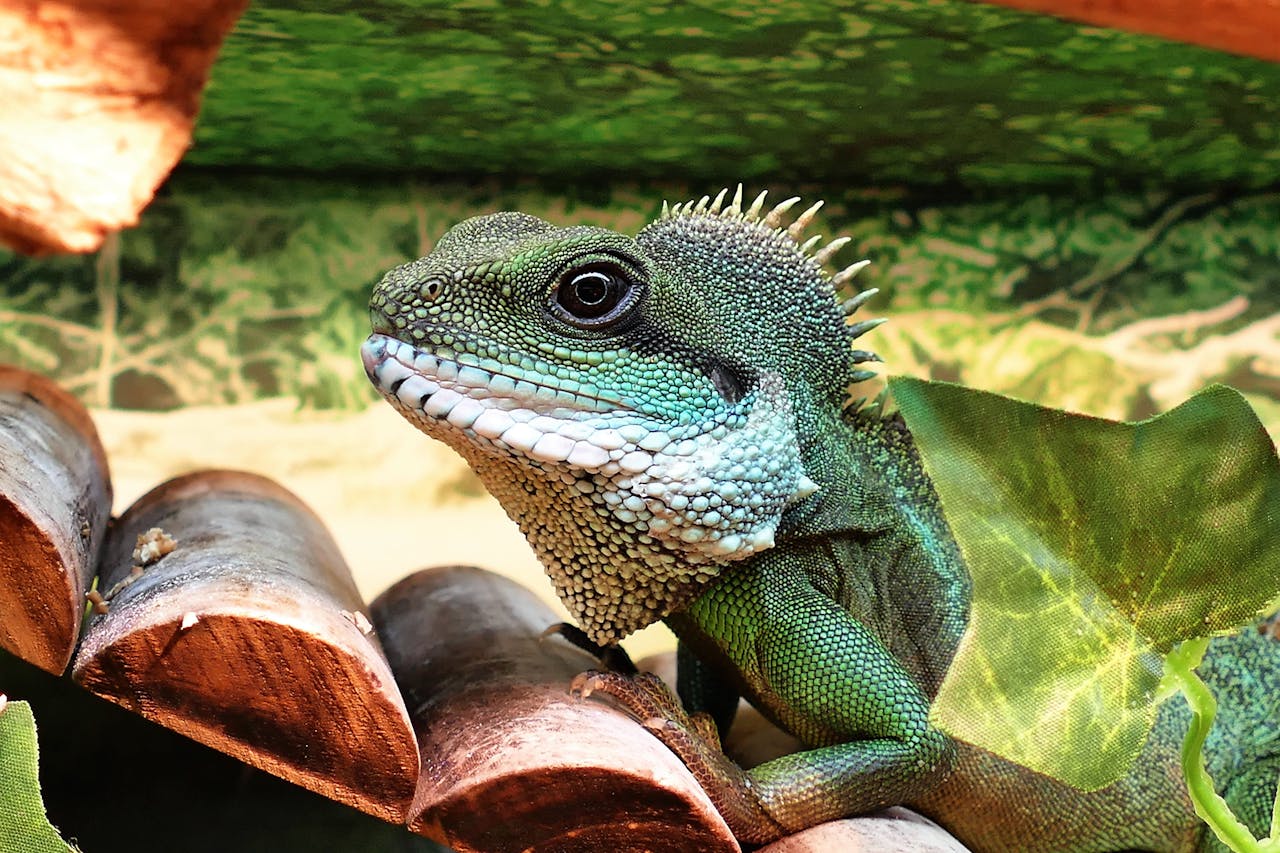
Van-life has evolved far beyond surfboards and camp stoves. In 2026, a small but growing number of travelers are bringing reptiles along for the journey. From bearded dragons to ball pythons, cold-blooded companions require careful planning, climate control, and legal awareness. Life on wheels can work, but only with thoughtful preparation that prioritizes animal welfare over aesthetics or convenience. The freedom of the road must never compromise stability inside the enclosure. Successful setups look less like trend content and more like mobile, controlled environments built with intention.
Know the Legal Landscape Before You Roll
Transporting reptiles across state lines is not as simple as packing up and driving away. Some states regulate or restrict certain species, and local municipalities may have additional rules. Endangered or protected species fall under federal oversight, including the Lacey Act. Before beginning van-life with a reptile, owners should verify permit requirements, transport laws, and campground policies. Legal research is not optional; it protects both the animal and the traveler from costly complications. Regulations can also change, so periodic checks are essential. Responsible travel starts with compliance, not spontaneity.
Climate Control Is Non-Negotiable

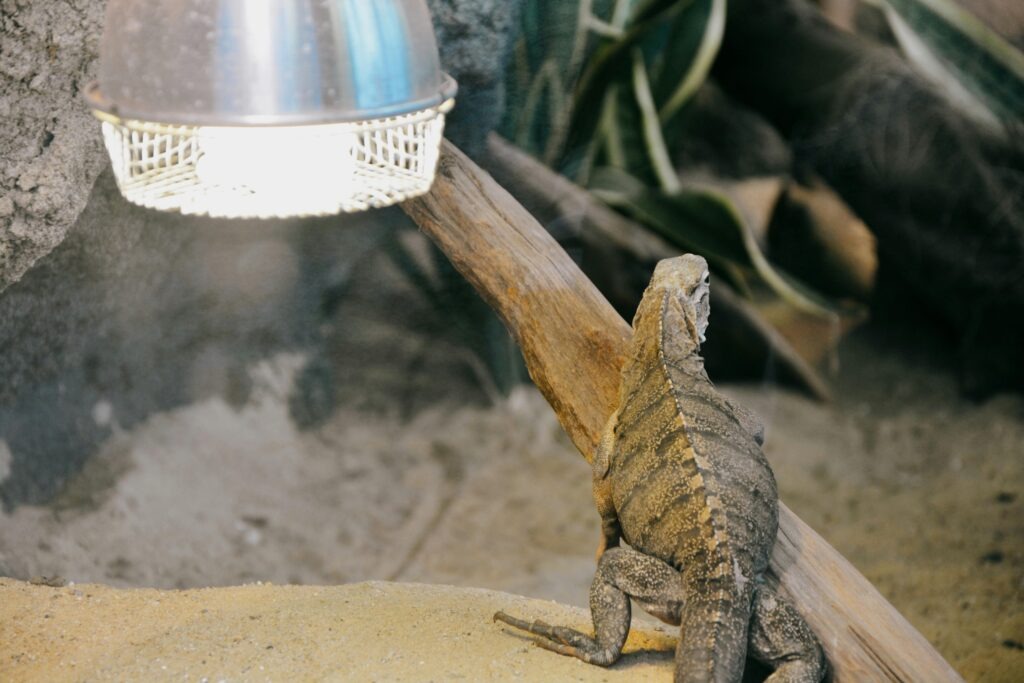
Reptiles rely on external heat sources to regulate body temperature, making van insulation and ventilation critical. Unlike traditional pets, they cannot tolerate temperature swings. Van owners must install reliable thermometers, backup power systems, and heating elements that function even when parked. In summer, overheating becomes a serious risk; in winter, underheating can slow metabolism dangerously. Proper airflow, shade planning, and temperature monitoring are foundational to safe reptile travel. Continuous monitoring systems can provide real-time alerts if temperatures shift unexpectedly.
Secure and Stable Habitat Setup
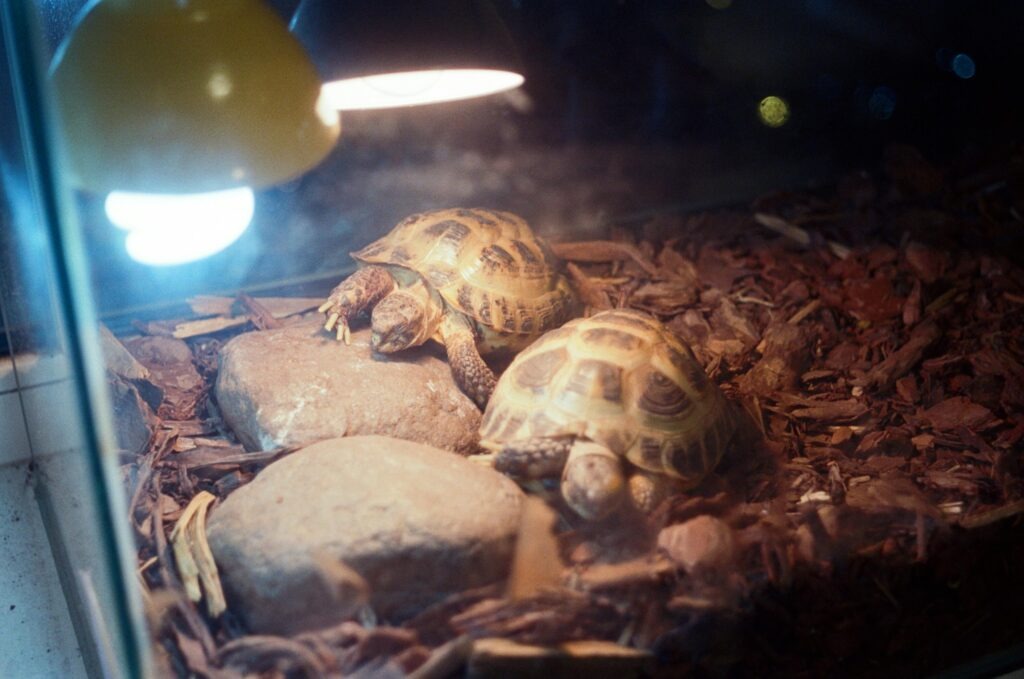
A reptile’s enclosure must remain stable during transit. Loose tanks or lightweight terrariums can shift during braking or sharp turns. Many van-lifers build custom, secured enclosures that minimize vibration and prevent sliding. Substrate should be chosen carefully to avoid respiratory irritation while on the move. Lighting fixtures must also be mounted safely. The goal is to recreate a consistent habitat that feels predictable despite changing scenery outside. Stability reduces stress and supports healthy feeding cycles. Thoughtful placement away from direct drafts or windows further protects temperature balance.
Feeding and Water Logistics on the Road

Feeding routines become more complex when grocery access varies. Frozen feeder insects or rodents require reliable refrigeration, while fresh greens for herbivorous reptiles must be sourced regularly. Travelers should research pet supply availability along planned routes. Clean water access is equally important, especially in remote areas. Planning feeding schedules around driving times reduces stress and maintains digestive stability for the animal. Bulk purchasing and proper storage can help avoid last-minute shortages. Keeping a small emergency supply on hand offers added reassurance during long stretches between towns.
Veterinary Access and Emergency Planning
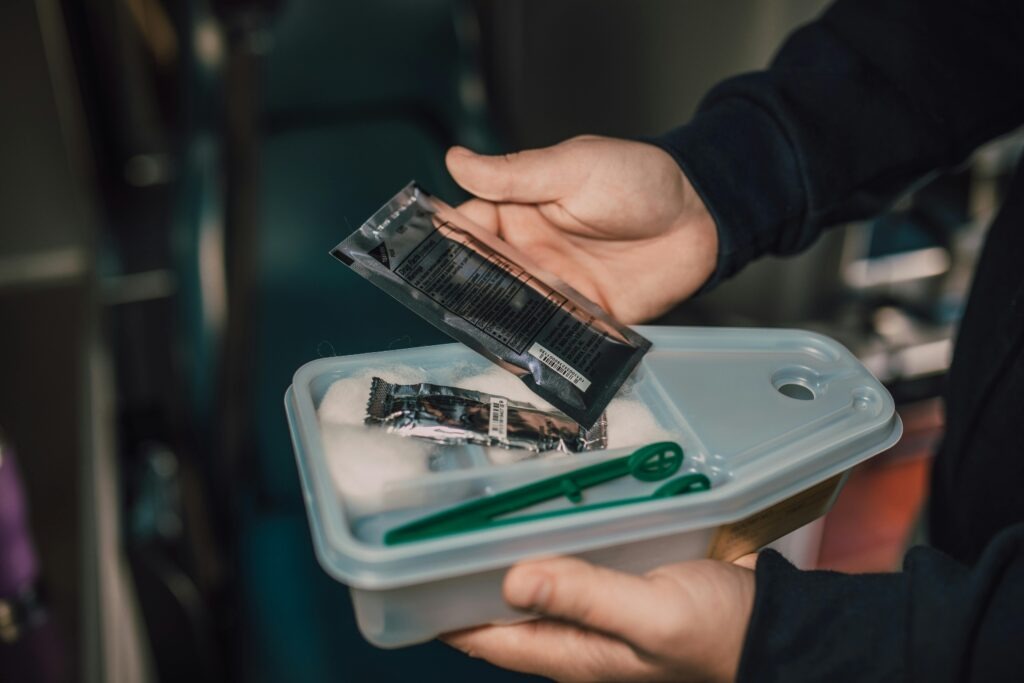
Exotic animal veterinarians are not evenly distributed across the country. Before long trips, owners should map clinics specializing in reptiles along their route. Digital copies of medical records and vaccination documentation should travel with the pet. In case of illness or injury, rapid response is critical. Having a clear emergency plan ensures that spontaneous travel does not compromise health care access. Knowing the nearest 24-hour clinic can make a significant difference. Keeping a basic reptile first-aid kit on board adds another layer of preparedness, especially in remote areas where immediate care may not be easily available.
Stress Management for Reptiles
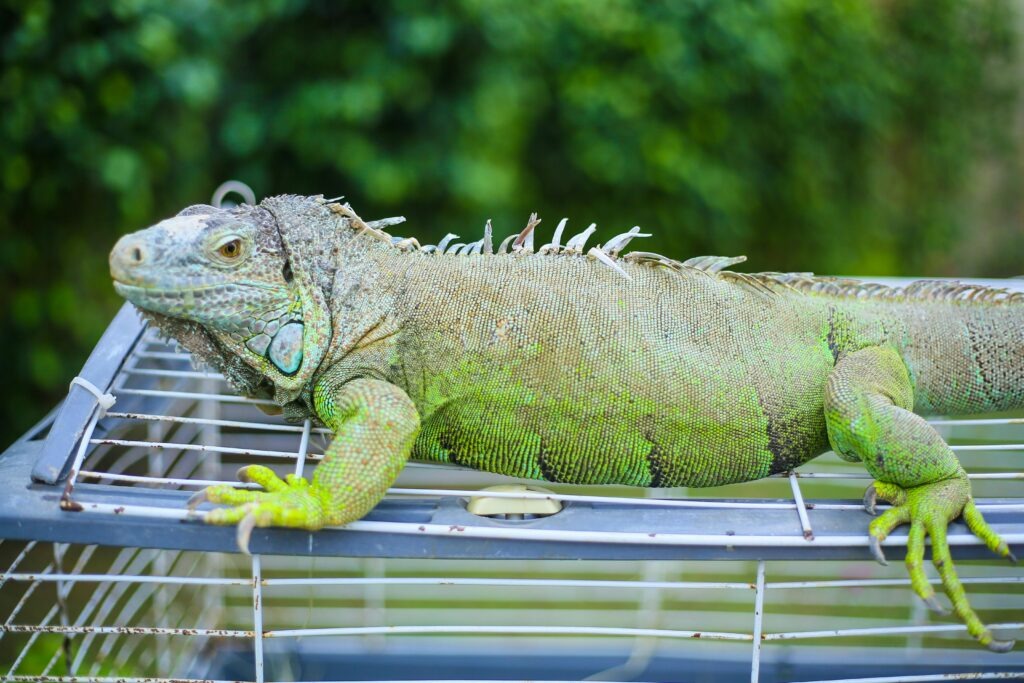
Constant movement, changing light exposure, and new environments can stress reptiles. Limiting unnecessary handling, maintaining consistent lighting cycles, and shielding enclosures from excessive vibration help create stability. Some species adapt better than others, so temperament matters when considering van life. Observing eating patterns, shedding cycles, and behavior closely allows owners to detect early signs of distress before they escalate. Routine and predictability remain key, even when the scenery changes daily. Even parking in shaded, quieter areas can reduce environmental stressors and support calmer behavior.
Ethics: Is Van-Life Right for Every Reptile?
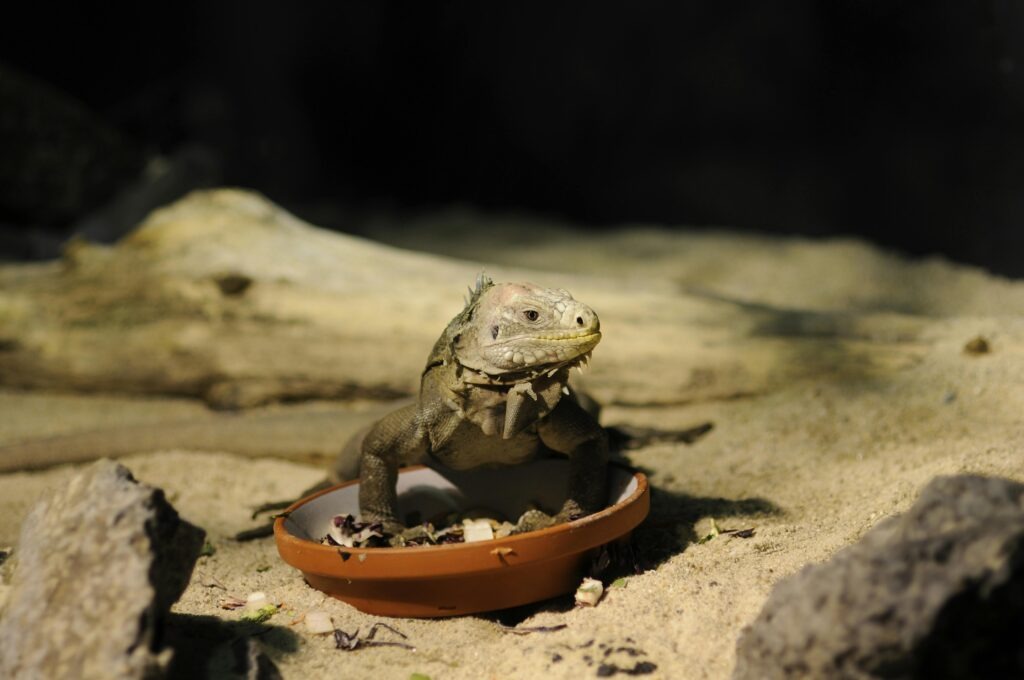
Not every reptile is suited for mobile living. Species with highly specific humidity or space requirements may struggle in compact van setups. The desire for adventure should never outweigh an animal’s long-term welfare. Responsible owners evaluate whether travel enhances or compromises the quality of life. For some reptiles, a stationary, climate-controlled home remains the healthier choice. Van-life with reptiles can work, but only when preparation, restraint, and consistent care come first. In many cases, prioritizing stability over mobility reflects the highest standard of responsible ownership.