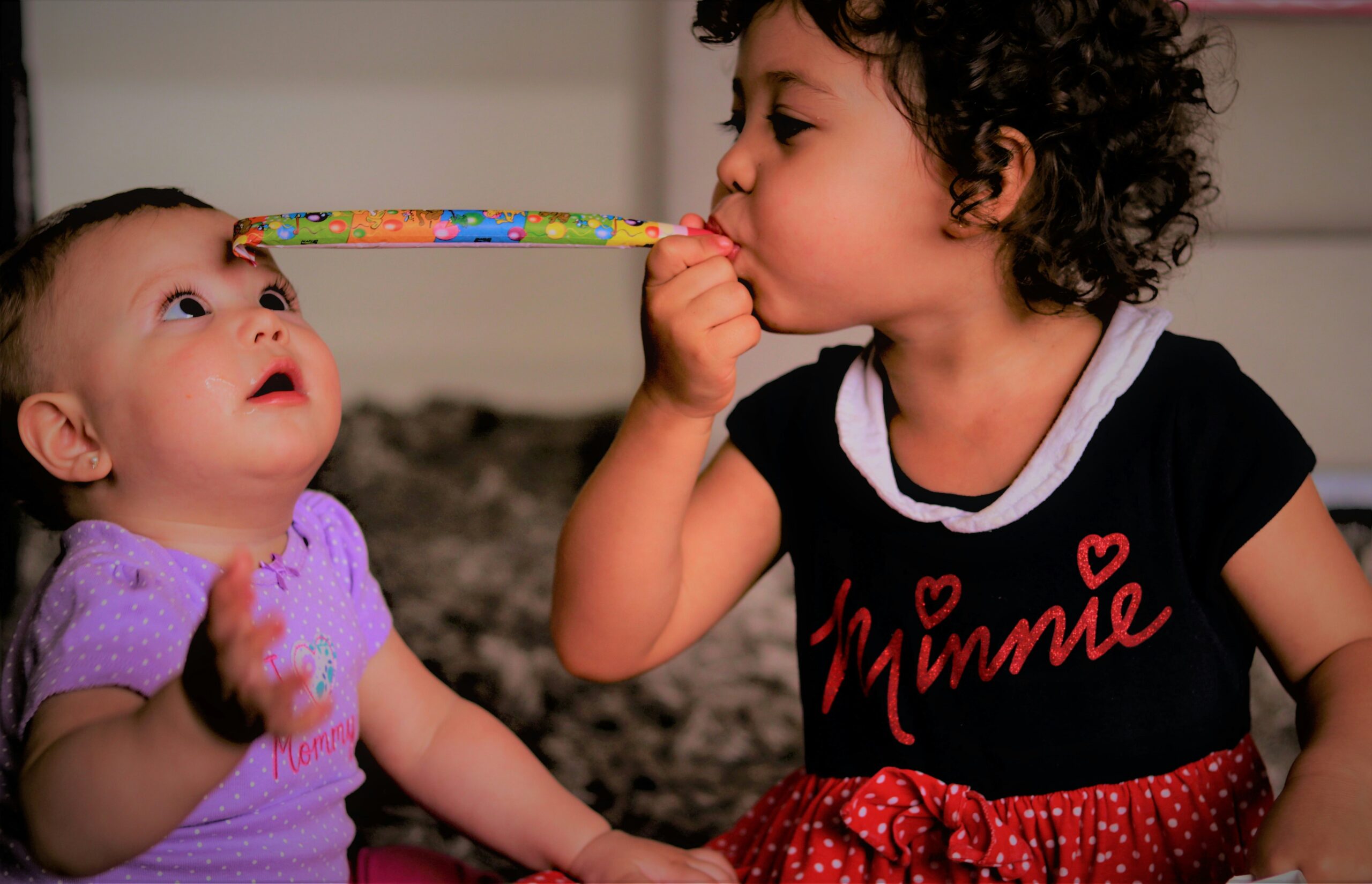
Each home, filled with laughter and chaos, echoes a fundamental truth: sibling relationships are as unique as they are complex. Within those walls, battles often rage over toys, attention, and parental approval, inviting a question that has lingered through generations—can we truly raise siblings who cooperate rather than compete? This journey is not merely about preventing arguments; it’s about fostering relationships that withstand the test of time, anchoring children in a world where they feel equally valued yet distinct. The quest for harmony amid rivalry is both a noble pursuit and a delicate dance.
Understanding Sibling Rivalry
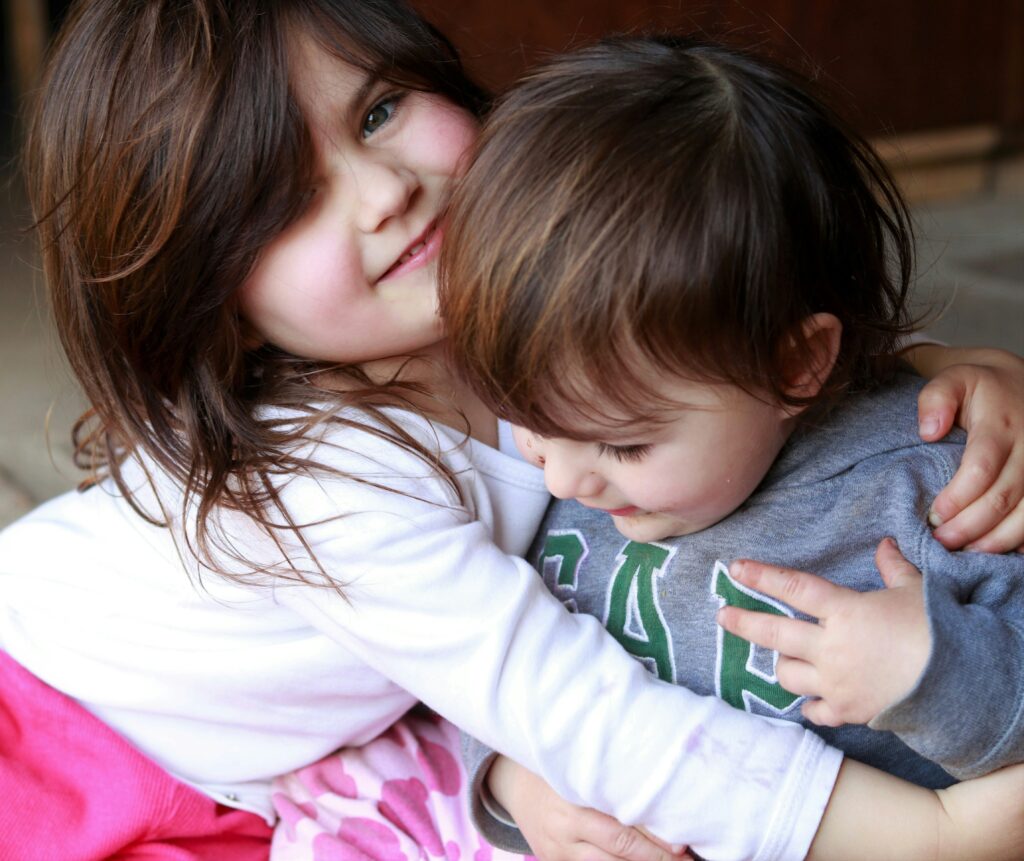
Navigating sibling rivalry entails recognizing that conflict is as natural as the bond itself. Historically, families saw these squabbles not just as nuisance but as critical catalysts for emotional growth. Children learn to express frustration, negotiate roles, and advocate for themselves through these formative battles. Rather than viewing rivalry solely through a lens of contention, consider it a training ground for life’s challenges—where agreement and disagreement coalesce into vital social skills. The intensity of sibling squabbles often belies deeper emotional connections intertwined with shared history.
The Roots of Rivalry in Families
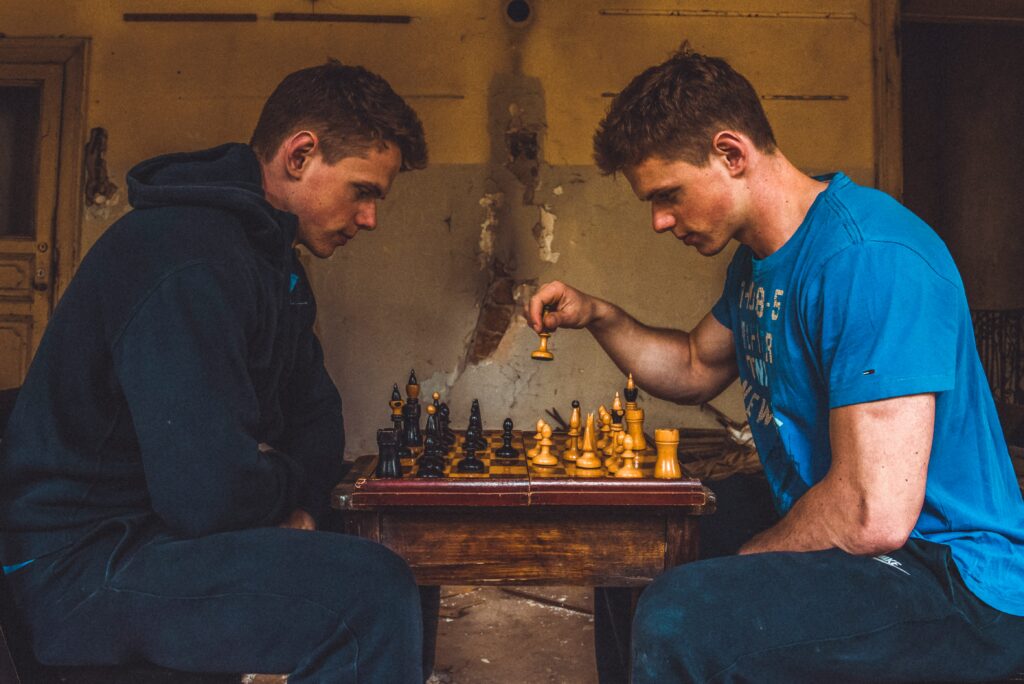
Sibling rivalry doesn’t sprout from mere jealousy; it’s deeply rooted in family dynamics, social hierarchies, and individual personalities. A family’s structure—be it a large brood or a pair of siblings—significantly influences competition for finite resources: love, time, and recognition. Moreover, parental favoritism, though often unintended, can ignite fierce competition. Historical accounts highlight how certain familial roles—the protector, the overachiever—reverberate through time, shaping identities. Understanding these roots can illuminate not just the rivalry itself but the undercurrents of affection that sometimes lie hidden beneath the surface.
Effective Communication Strategies

Cultivating effective communication as a tool to mitigate rivalry demands patience and foresight. Teaching children to express feelings openly transforms conflicts into opportunities for connection. Historical parenting philosophies, like those from the Montessori method, emphasize dialogue and respect—principles which still resonate. Encouraging each child to articulate their needs fosters understanding and empathy. Utilizing ‘I’ statements allows siblings to communicate feelings without blame, which channels energy from combativeness to collaboration, nurturing bonds that can flourish even in adversity.
Encouraging Teamwork Among Siblings
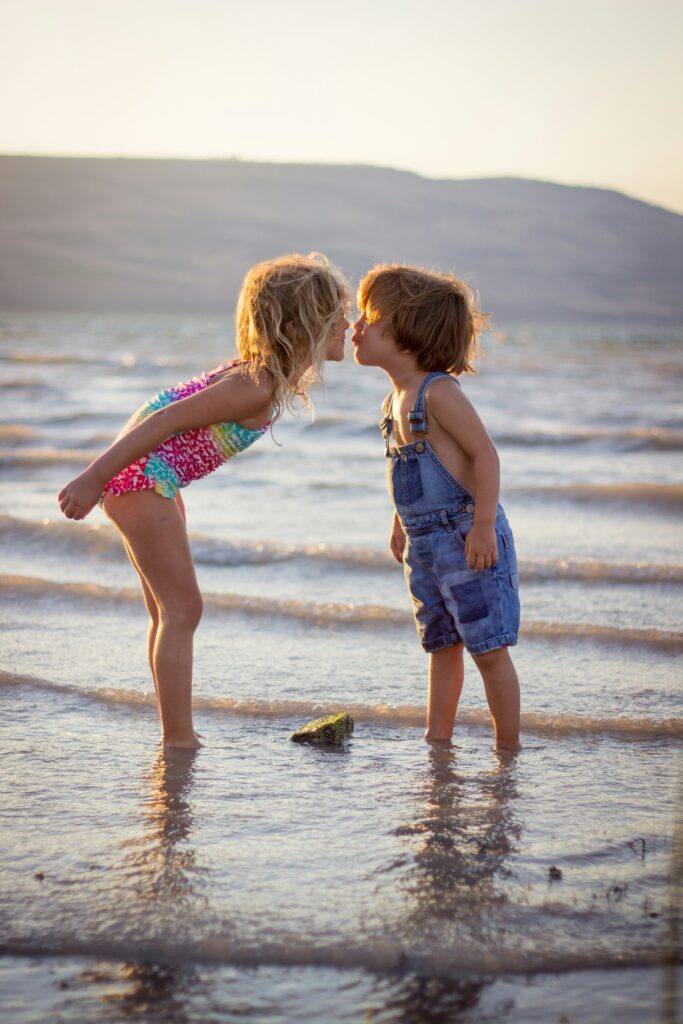
Encouraging teamwork among siblings is a powerful antidote to rivalry. Historical examples show that shared goals create a sense of unity; when siblings collaborate—be it in chores or play—competitive instincts often dissolve. Family traditions that revolve around teamwork, like cooking or building projects, not only break down transactional relationships but cultivate mutual respect and admiration. Celebrating achievements as a unit reinforces the idea that togetherness enhances each individual’s worth, echoing the sentiment that within collaboration, the family unit thrives, embraced by shared joy and accomplishment.
Creating Individual Spaces for Each Child
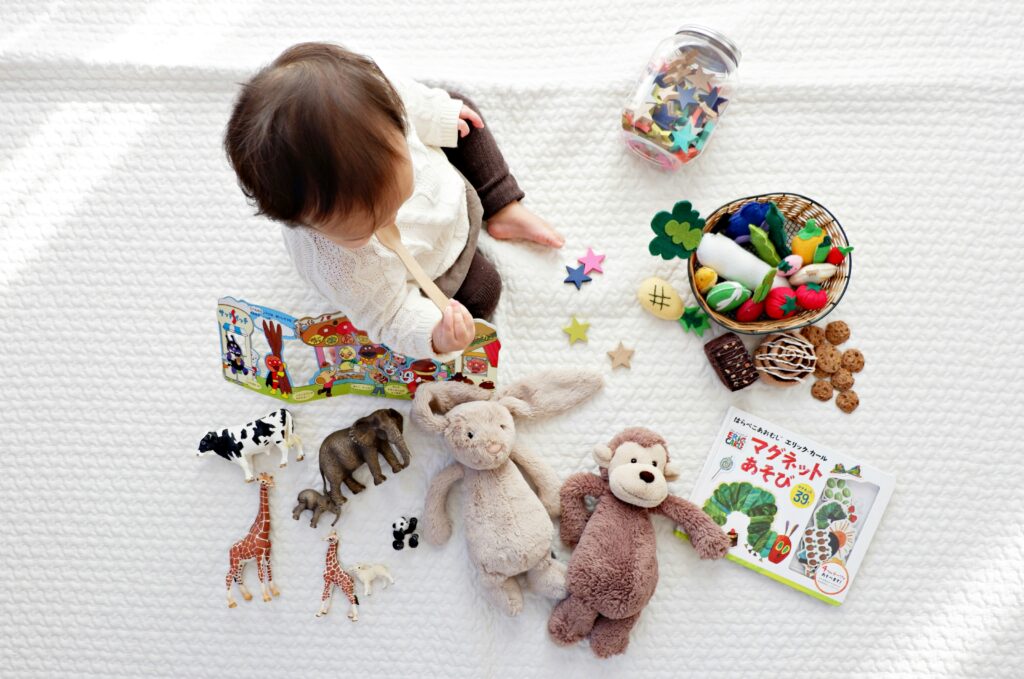
In the tapestry of family life, where children weave their stories together, carving out individual spaces can feel monumental. Each child is a unique thread, and recognizing their distinct identities is crucial. Take the time to set up personalized corners in shared spaces, where their interests flourish—whether it’s a cozy reading nook or an art station. These sanctuaries don’t just cultivate creativity; they nurture self-esteem, allowing each child to express who they are without competition. In these gentle havens, children learn to appreciate their siblings as allies rather than adversaries, sowing the seeds for lasting bonds.
Balancing Attention and Fairness

Imagine walking a tightrope, balancing the delicate needs of multiple children while ensuring each feels cherished. It’s a dance of equity, where moments of individual attention can transform the dynamic. Designate ‘one-on-one’ times, perhaps during a grocery run or bedtime stories. This intentional focus fosters deeper connections, making each child feel important. Yet, it’s also vital to show that love multiplies rather than divides. When siblings witness shared joys, like group outings or collaborative projects, they learn the beauty of community, realizing their worth isn’t diminished by their siblings’ successes.
Conflict Resolution Techniques for Parents
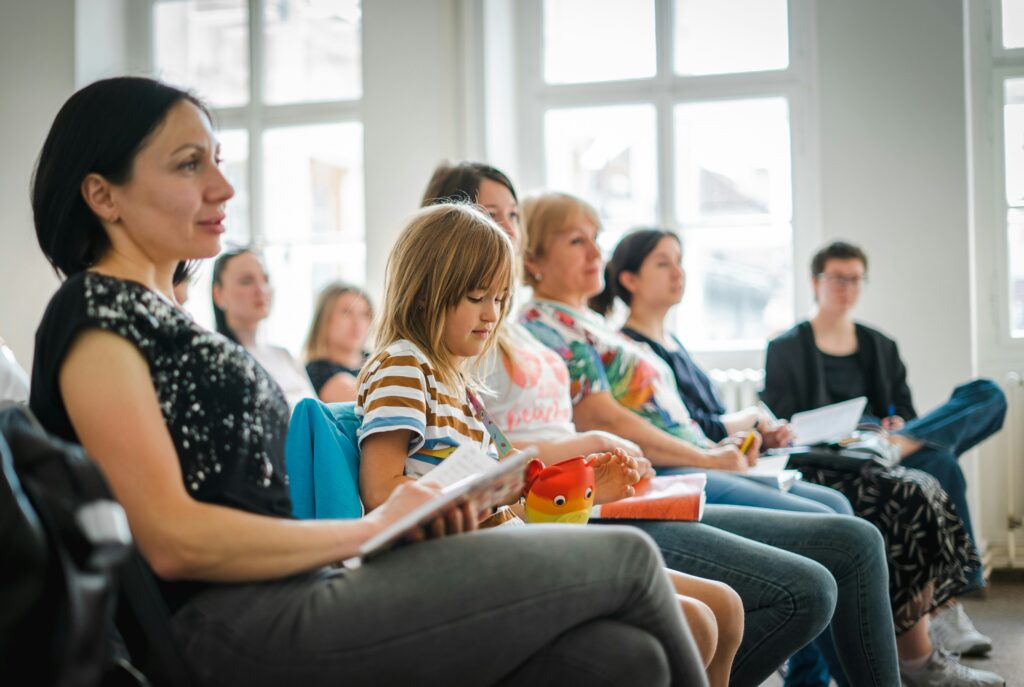
Family life is a stage where conflicts inevitably unfold, echoing ancient dramas of sibling rivalry. However, how parents navigate these disputes can set the tone for harmony. Instead of merely mediating, guide children to articulate their feelings and explore solutions together. Techniques like ‘I-statements’ encourage emotional expression without blame. Allowing children to brainstorm resolutions fosters critical thinking and empathy, skills that echo through their lives. Each resolved conflict can become a stepping stone, teaching resilience and collaboration, showing that disagreements are opportunities for growth rather than threats.
The Role of Humor and Play in Bonding
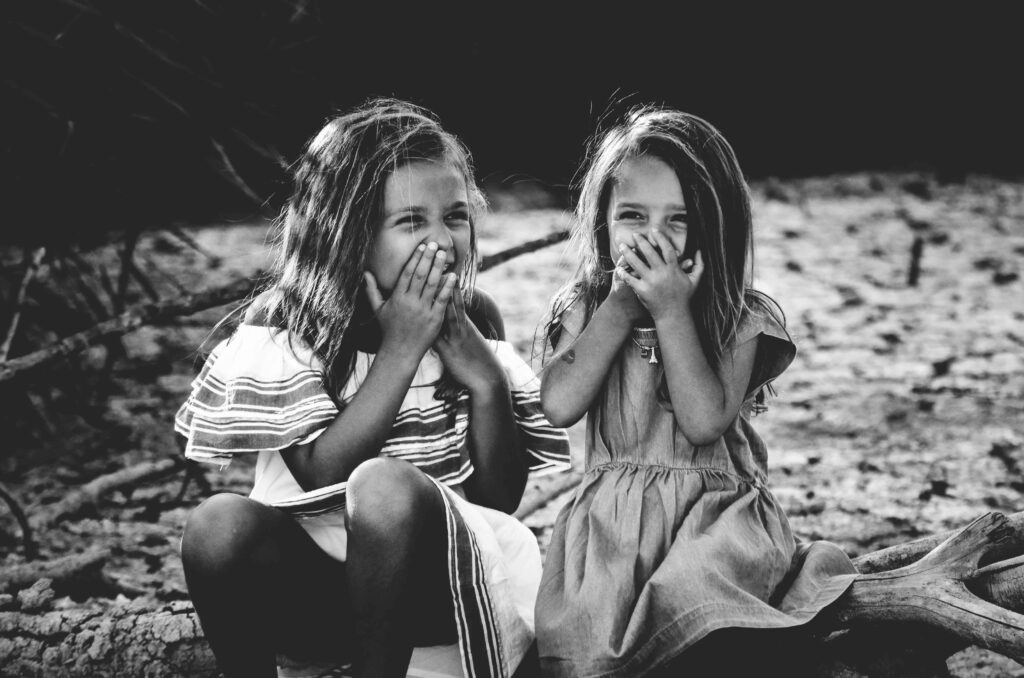
Humor is a secret weapon in the parent arsenal, capable of dissolving tensions and knitting bonds tighter than any argument could unravel. Laughter can punctuate the pressures of sibling squabbles, creating shared memories. Simple games, whether a spontaneous pillow fight or a goofy family dance-off, spark infectious joy and remind children that they are partners in crime. These playful moments pave the way for a cooperative spirit, fostering a connection that is grounded in joy and camaraderie. When humor reigns, rivalry takes a backseat, and the archetype of sibling as best friend emerges naturally.
Success Stories: Families Who Beat Rivalry

Across the globe, countless families have transformed the narrative of sibling rivalry into one of unity and support. Take the case of the Elmwood family, who harnessed the power of cooperative games to turn feuds into friendly competitions. Their weekly family challenges brought laughter and teamwork into their home, slowly reshaping the children’s perceptions of each other. Stories like theirs serve as beacons of hope, illustrating it’s not only possible to raise siblings without rivalry, but to create a sibling culture steeped in love, respect, and unwavering support, nurturing friendships that can last a lifetime.
Is Sibling Harmony Truly Achievable?

Imagine a household where shared laughter echoes through the corridors, and seemingly endless play flourishes in every room. This idyllic portrait of sibling relationships captivates many, yet the reality often tells a different story. Experts and historians alike reveal that sibling rivalry isn’t just a modern quirk; it’s woven into the fabric of human experience. Techniques from ancient cultures emphasize communal living and cooperation, yet these ideals clash with our intrinsic instincts for autonomy and competition. While perfect harmony may be a lofty goal, fostering an environment of mutual respect and understanding can indeed transform the sibling dynamic, making peaceful coexistence not just a dream, but a reachable reality.