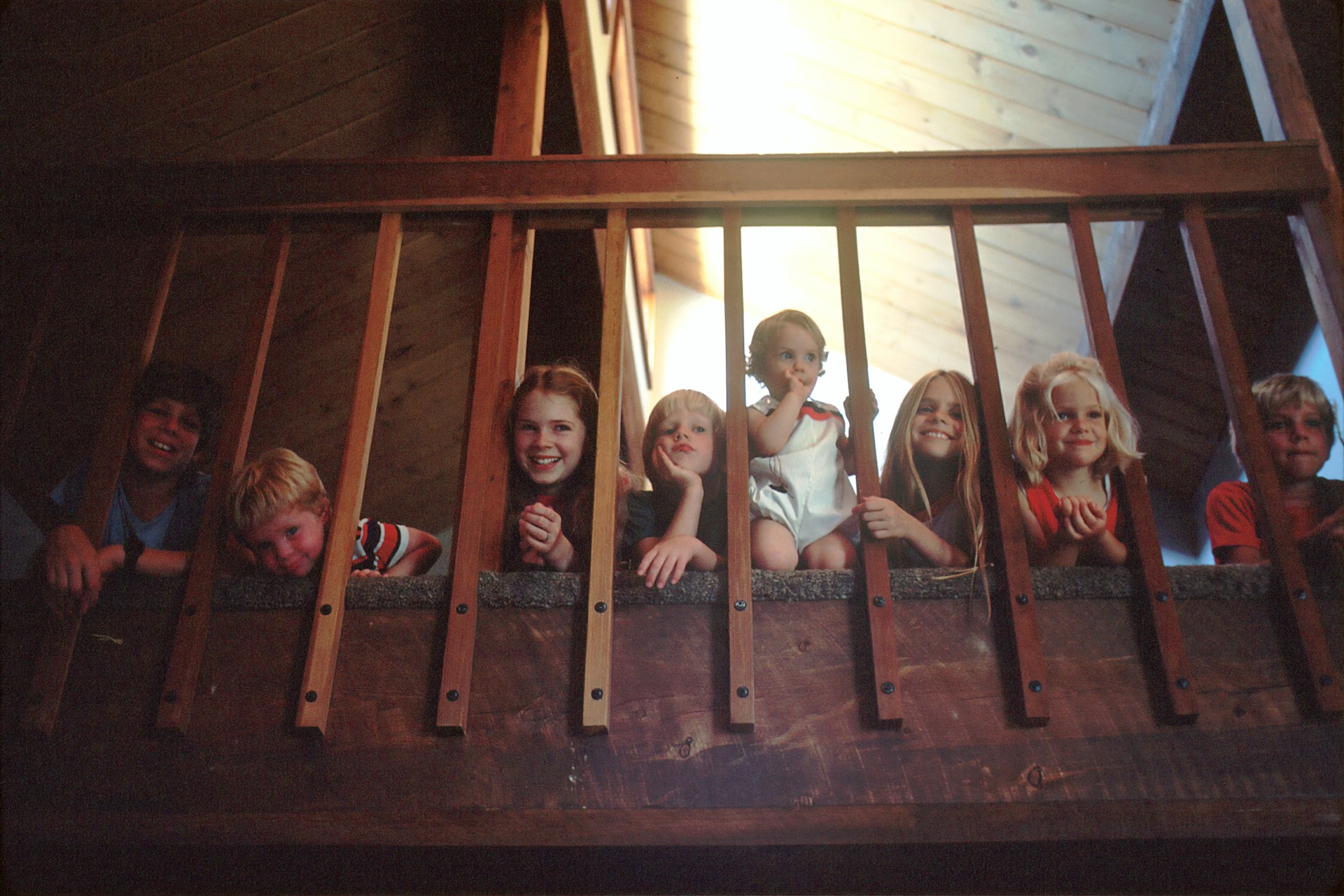
Growing up in the 1970s meant freedom, risk, and fewer safety nets. Without smartphones, GPS, or constant adult supervision, kids learned resilience through trial and error. Their lives were shaped by outdoor play, real consequences, and unfiltered experiences. While today’s children benefit from tech and protection, there’s something to be said for how the grit of the ’70s helped build stronger, more independent adults. Here are eight ways that era taught kids to be resilient.
Unsupervised Play Was the Norm
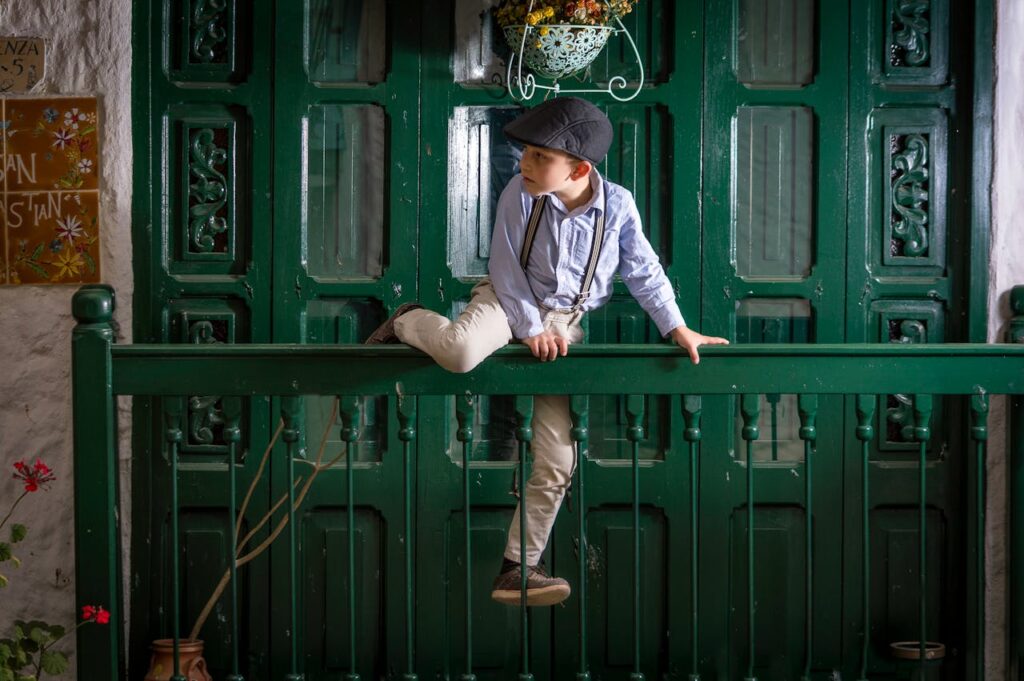
In the ’70s, kids played outside for hours, often without adult oversight. They rode bikes without helmets, built forts from scrap wood, and wandered far from home. There were no GPS trackers or check-ins—just instincts and self-reliance. When problems came up, they solved them on the fly. This kind of freedom taught kids to take initiative, assess risks, and make decisions. It was messy and sometimes dangerous, but it created confident and independent problem-solvers.
Consequences Were Real, Not Theoretical
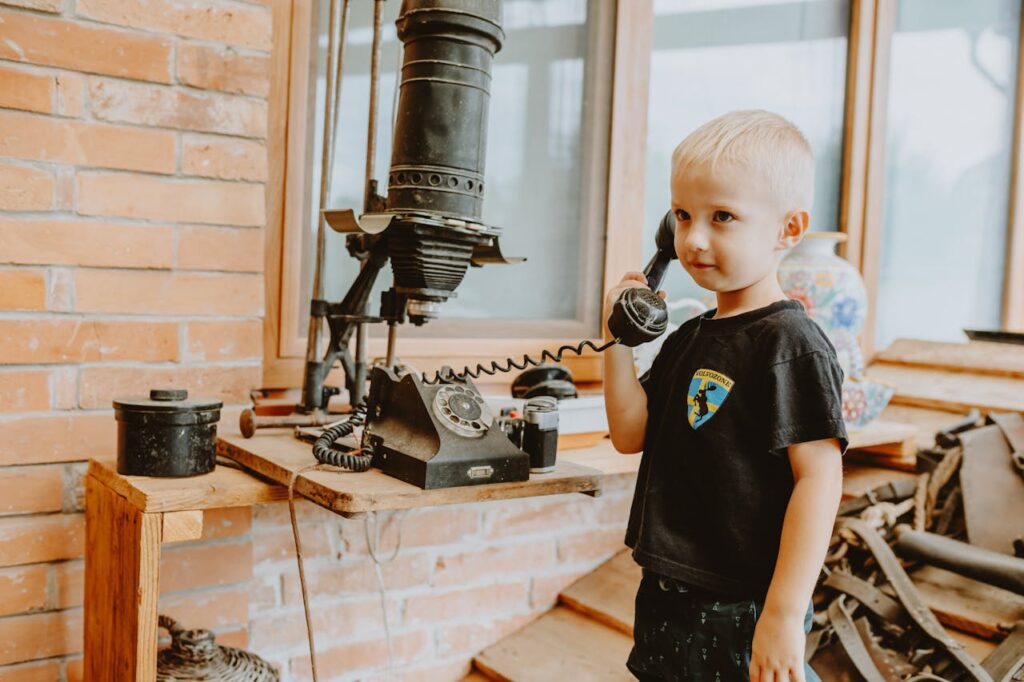
When a kid messed up in the ’70s, they faced direct consequences. If you fell, you got hurt. If you failed a test, you failed. There were no participation trophies or softened rules. Parents didn’t intervene with teachers or coaches. This tough-love approach taught responsibility and resilience. Kids learned that mistakes were part of life and how to recover from them. Real experiences—not warnings—shaped their understanding of risk and accountability.
Parents Let You Fail/Face Consequences
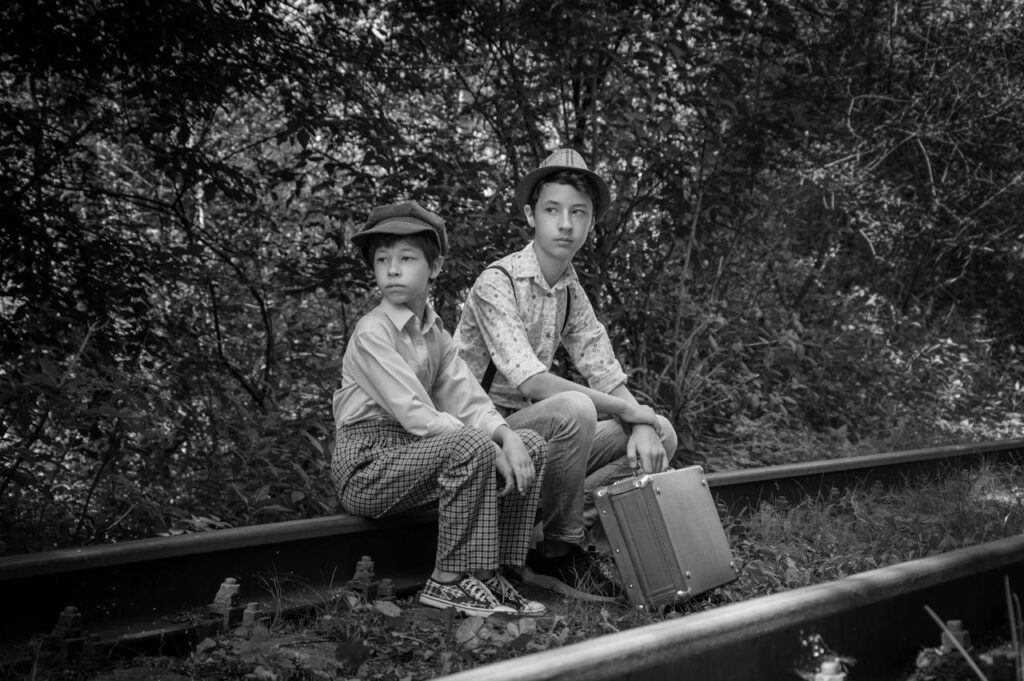
Forgot your homework? That was your fault. Missed the bus? Better start walking. Parents in the ’70s didn’t swoop in to fix every problem. Kids were expected to handle their own issues, which built independence and foresight. Failing was part of learning. Rather than shielding children from struggle, parents let them deal with consequences. That approach helped kids develop coping skills, confidence, and the ability to bounce back from setbacks on their own.
Entertainment Required Creativity

With just a few TV channels and no internet, kids had to get creative to stay entertained. They built cardboard spaceships, made up games, and turned sticks into lightsabers. Their fun wasn’t curated—it was imagined. This nurtured creativity and problem-solving skills. Kids learned to find joy in simple things and to collaborate with friends in open-ended play. That kind of imaginative freedom helped them become more flexible thinkers and resourceful adults.
We Got Bored—A Lot
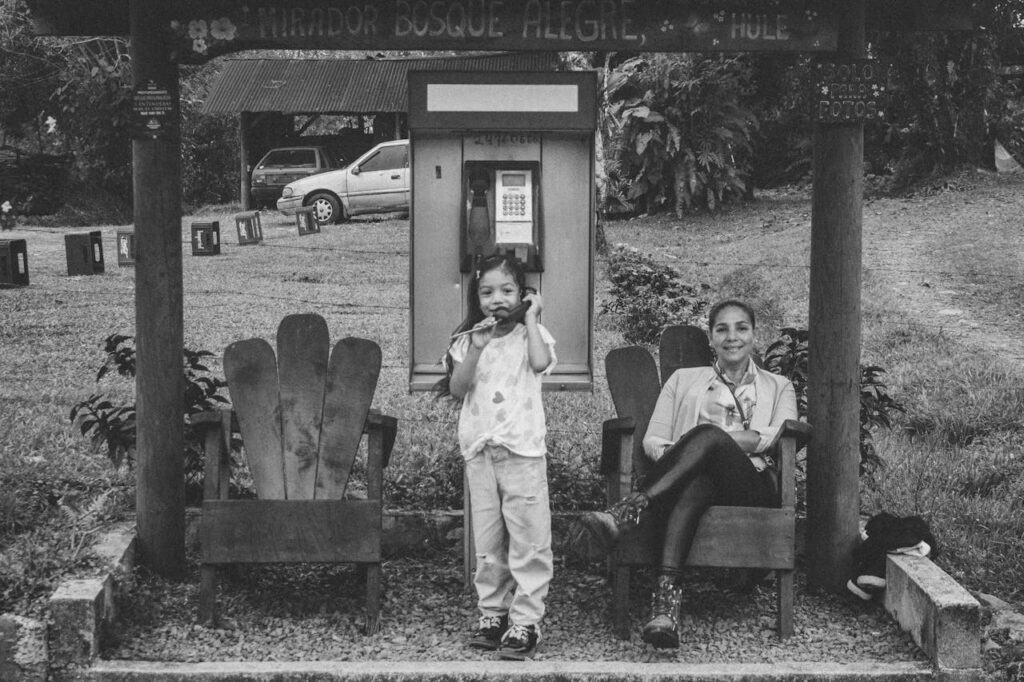
In the ’70s, boredom wasn’t an emergency—it was normal. With limited media and no smartphones, kids often sat around with nothing to do. But out of boredom came imagination. They invented games, drew pictures, explored outdoors, or just stared at clouds. This developed patience and creativity. Unlike today’s instant distractions, boredom taught kids to self-soothe and explore their inner worlds. Learning to manage downtime built resilience and emotional strength.
No One Filtered the World for Us

The world wasn’t sugar-coated in the ’70s. News broadcasts were blunt, parents argued openly, and kids saw the raw edges of life. There were fewer filters and no content warnings. This early exposure to real-world issues made kids emotionally tougher. They learned that life wasn’t always fair or safe—and that was okay. Seeing the world unfiltered built a sense of realism, empathy, and maturity, helping them navigate complex situations with emotional strength.
Physical Risk Was Normalized
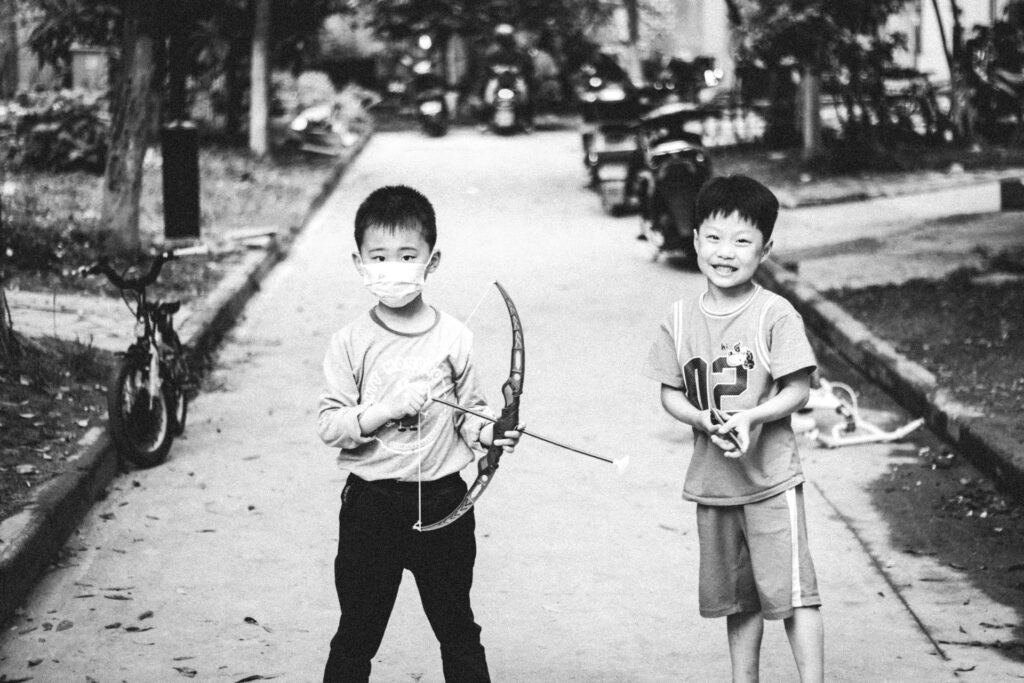
Seatbelts were optional. Helmets were rare. Kids rode in pickup truck beds and played on metal jungle gyms over concrete. Injuries happened—and they were part of the deal. This exposure to physical risk wasn’t reckless; it was reality. Kids developed a natural sense of caution from experience, not fear. Scrapes and bruises were seen as badges of adventure. Learning to fall—and get back up—helped build both physical and mental toughness early on.
Peer Conflicts Were Solved Without Adults

If you had a disagreement in the ’70s, you handled it yourself. Kids argued, fought, forgave, and moved on—usually without a teacher or parent stepping in. This built real conflict-resolution skills. They learned to listen, negotiate, and sometimes agree to disagree. Facing peer problems head-on developed emotional intelligence, empathy, and leadership. Without constant adult mediation, kids became better at handling tension and finding their own peace.
The 1970s gave kids a kind of freedom and challenge that’s rare today. It wasn’t always safe or ideal, but it forced them to grow up resilient, independent, and self-aware. While we’ve gained much through modern safety and tech, there’s value in remembering how much strength can come from navigating life with fewer cushions and more trust in kids’ ability to adapt