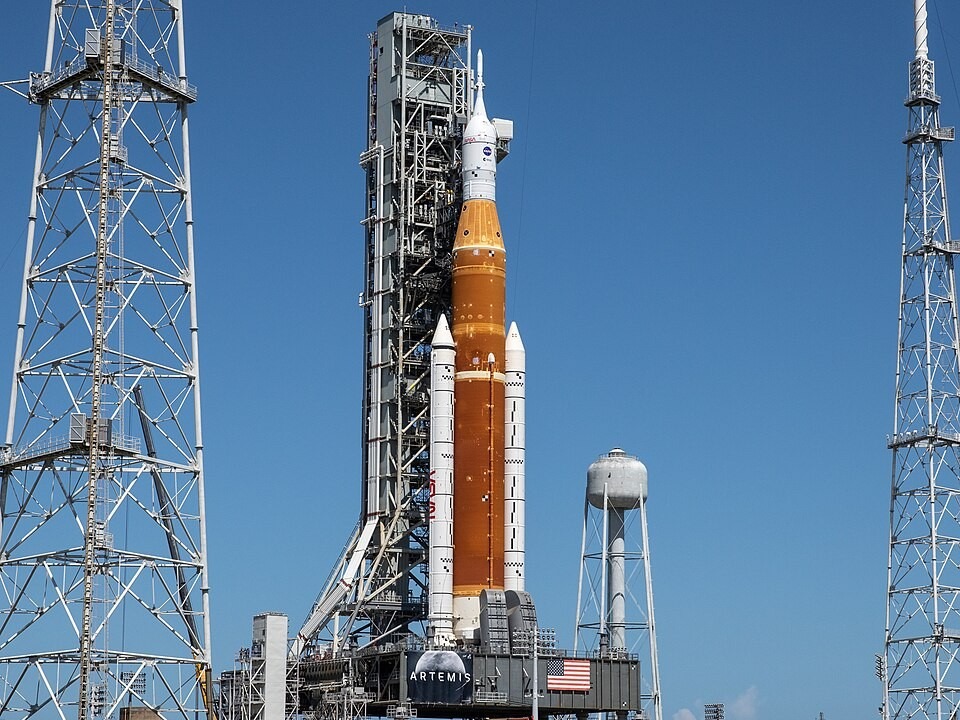
NASA is preparing for a monumental leap in space exploration with the upcoming Artemis II mission. Four astronauts will soon ride the mighty Space Launch System rocket for a historic journey around the Moon.
This flight represents the first time humans will leave low Earth orbit in over fifty years. The highly anticipated launch serves as a crucial stepping stone for establishing a long-term lunar presence.
While the crew will not land on the lunar surface, their ten-day voyage is packed with vital system tests. The primary goal is to verify that the Orion spacecraft can safely sustain human life in deep space.
Successfully completing this ambitious flyby paves the way for future lunar surface missions and eventual journeys to Mars. Humanity is finally ready to push the boundaries of exploration further than ever before.
Pushing the Limits of Deep Space Flight
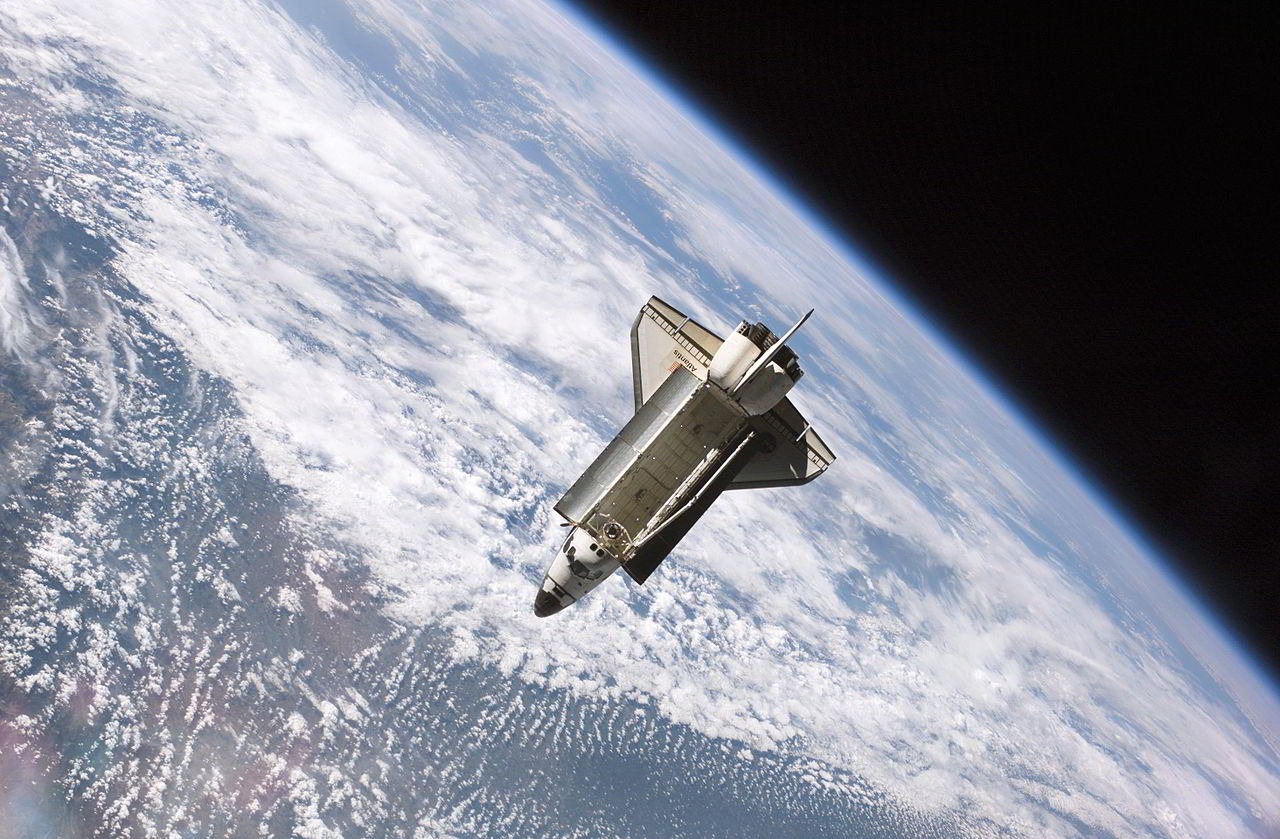
The Artemis II mission follows a specific flight path known as a free-return trajectory. This route relies on lunar gravity to pull the spacecraft around the far side of the Moon and slingshot it back toward Earth.
At their furthest point, the astronauts will travel nearly a quarter of a million miles away from our home planet. This incredible distance will break the record for the furthest human travel set by the Apollo 13 crew.
Venturing this deep into the solar system exposes the Orion capsule to intense radiation and extreme thermal conditions. Engineers must collect real-time data to see how the vehicle protects its occupants in such a harsh environment.
The return trip culminates in a fiery reentry through Earth’s atmosphere at a blistering speed of twenty-five thousand miles per hour. Surviving this intense heat is the ultimate test for the spacecraft’s state-of-the-art thermal protection system.
The Historic Artemis II Crew
Commander Reid Wiseman brings a wealth of orbital experience from his previous time aboard the International Space Station. He will guide the crew through the complex mission timeline and oversee all critical flight operations.
Pilot Victor Glover is making history as the first Black astronaut assigned to a lunar mission. He will be responsible for manually flying the Orion capsule during specific proximity operations tests.
Mission Specialist Christina Koch already holds the record for the longest single spaceflight by a woman. She will now add to her legacy by becoming the first woman to travel beyond low Earth orbit.
The Canadian Space Agency selected Jeremy Hansen to serve as the second mission specialist for this flight. His participation marks the very first time a non-American astronaut will fly to the Moon.
This diverse group perfectly reflects the modern, collaborative nature of international space exploration.
Partnering with allied nations allows NASA to share the immense costs of deep space travel.
These joint efforts strengthen global relationships through peaceful scientific advancement.
Together, these four pioneers carry the dreams of a new generation into the cosmos.
Testing Advanced Space Communications
Deep space missions demand significant upgrades to how we send and receive crucial flight data. Artemis II will demonstrate a revolutionary optical communication system that uses infrared lasers instead of traditional radio waves.
This laser technology can transmit massive amounts of information at unprecedented speeds across the vacuum of space. The upgrade will enable the crew to broadcast high-definition video live from the lunar vicinity.
Ground control teams need immediate access to vehicle telemetry to monitor the health of the crew. Faster data transfer ensures that engineers can spot and address potential issues before they become life-threatening emergencies.
Proving the reliability of this optical network is essential for planning future crewed missions to Mars. Upgrading our communication infrastructure is just as important as building more powerful rocket engines.
Mastering Manual Spacecraft Handling
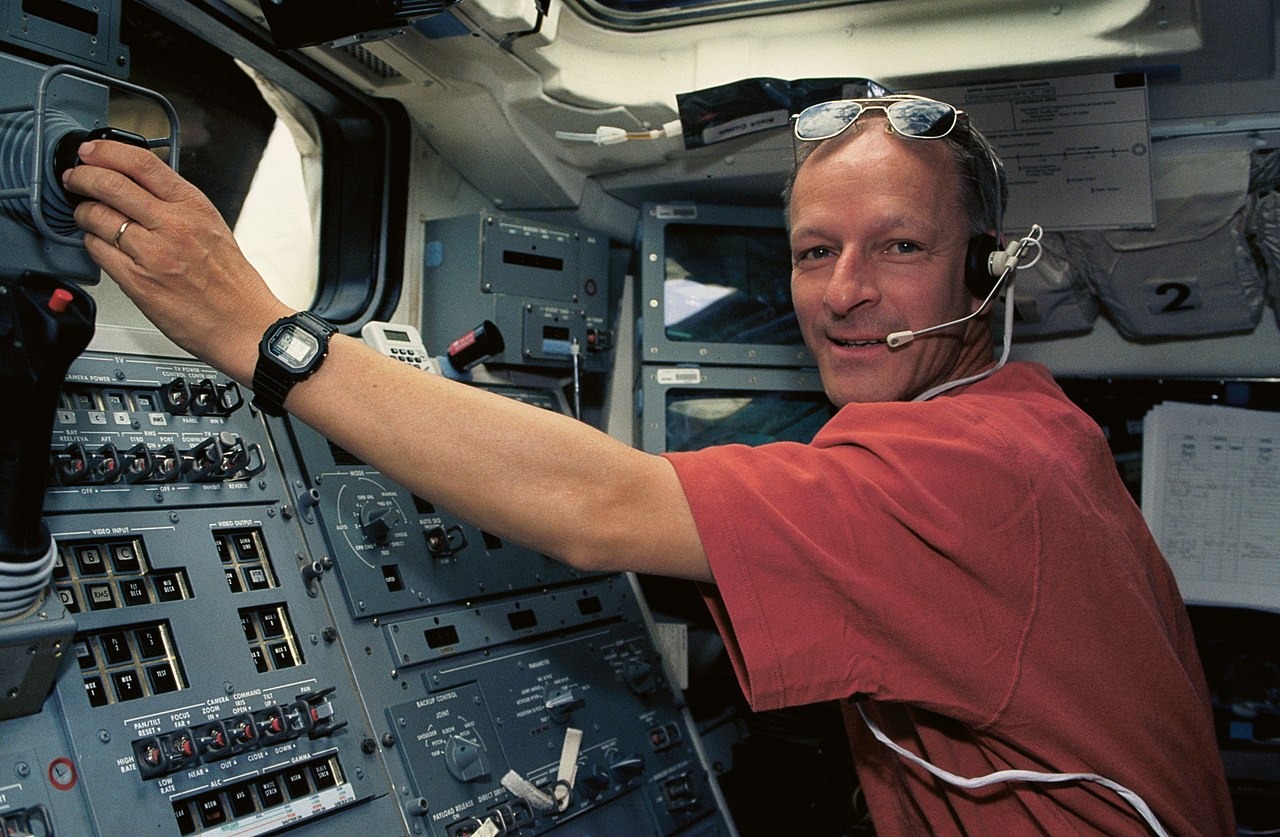
Modern spacecraft rely heavily on automated systems to navigate the complexities of orbital flight. However, human pilots must still possess the skills to manually control the vehicle if computers fail.
Artemis II includes a dedicated period for the crew to practice manual handling near the discarded rocket stage. Victor Glover will use Orion’s thrusters to carefully adjust their pitch, yaw, and roll.
This delicate proximity operation requires a deep understanding of orbital mechanics and lightning-fast reflexes. Proving that astronauts can easily maneuver the capsule is a strict requirement for future docking procedures.
The ability to fly manually provides an indispensable safety net for the crew during unpredictable situations. Astronauts simply cannot rely entirely on ground control when communications face unavoidable time delays.
Hands-on flying experience builds the confidence needed for precise lunar landings.
Future crews will have to dock with the planned Gateway space station in lunar orbit.
Mastering these maneuvers now prevents costly mistakes during those critical future missions.
The Orion capsule is designed to be highly responsive to pilot inputs.
Validating Deep Space Life Support
Keeping humans alive in the harsh environment of deep space requires incredibly complex environmental control systems. Engineers have meticulously designed Orion to scrub carbon dioxide and regulate cabin temperature for weeks at a time.
The astronauts will closely monitor these life support mechanisms to ensure they function flawlessly under real flight conditions. Any fluctuations in oxygen levels or cabin pressure could spell disaster for the crew.
The crew will also test the new waste management systems and specialized exercise equipment during the flight. Maintaining physical health in microgravity is crucial when astronauts cannot quickly return to Earth for medical care.
All of the environmental data gathered during this mission will inform the design of future lunar surface habitats. We must master basic survival in deep space before attempting to build permanent off-world settlements.
Laying the Groundwork for Artemis III
Everything accomplished during this flyby directly supports the ultimate goal of returning humans to the lunar surface. Artemis III will eventually utilize a modified SpaceX Starship to transport astronauts down to the lunar south pole.
NASA absolutely cannot risk a landing attempt until the Orion spacecraft proves it can safely deliver the crew. This upcoming mission serves as the final, high-stakes dress rehearsal for the entire Artemis architecture.
The trajectory data and radiation measurements collected will help planners finalize the surface mission timelines. Scientists want to maximize the time spent exploring the surface while minimizing the crew’s exposure to cosmic rays.
Successfully completing this flight will also boost public confidence and secure continued political support for the program. Sustaining momentum is critical for funding the massive infrastructure required for a permanent lunar base.
The lessons learned here will echo throughout the next decade of space exploration.
We are rapidly transitioning from temporary visits to sustained off-world operations.
Each mission builds upon the successes and technical data of the previous flight.
The lunar south pole holds the promise of discovering valuable water ice deposits.
The Broader Economic Impact
Pushing the extreme boundaries of space exploration naturally drives rapid technological innovation back here on Earth. The complex engineering solutions required for Artemis often translate into profitable advancements in medical and industrial sectors.
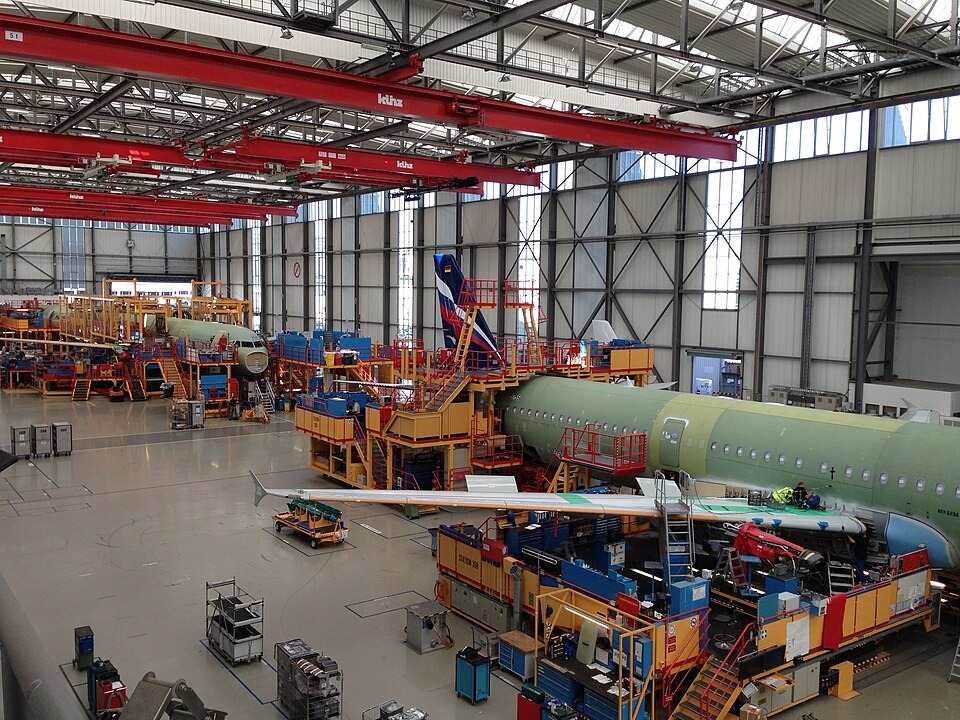
Building these massive rockets and advanced capsules sustains thousands of high-paying jobs across multiple countries. The economic benefits ripple through local manufacturing hubs and specialized material science laboratories.
Funding deep space exploration represents a long-term investment in our collective human capability. The technologies developed today will inevitably spawn entirely new industries in the coming decades.
Cultivating a robust aerospace sector ensures that nations remain competitive in the rapidly growing global space economy. The commercialization of low Earth orbit is just the beginning of this profitable frontier.
Inspiring a New Generation
Millions of people around the globe will undoubtedly tune in to watch this historic launch unfold live. The sheer power of the Space Launch System rocket is guaranteed to leave a lasting impression on viewers.
Continuous media coverage will offer unprecedented, behind-the-scenes access to the daily lives of the astronauts in space. This high level of transparency helps connect the general public to the deeply technical work of space exploration.
The overwhelming excitement surrounding this launch closely mirrors the global fascination experienced during the original Apollo program. A completely new generation of students is finally getting the incredible chance to witness deep space travel firsthand.
Seeing real humans leave the immediate vicinity of Earth naturally inspires young minds to pursue careers in science. We need bright engineers and bold dreamers to tackle the monumental challenges of tomorrow.
The Artemis generation is ready to take its rightful place in the stars.
Educational outreach programs are already using this mission to teach complex mathematical concepts.
Exploring the unknown is a fundamental part of the human spirit.
This single flight reignites our collective passion for discovering what lies beyond our world.