
If your paycheck keeps disappearing into car loans, credit cards, personal loans, and Buy Now Pay Later plans, you are not alone. Many Americans carry several EMIs and still cannot keep a basic cash cushion. The problem is usually priority order: fixed payments get funded first, and savings get whatever is left. The steps below focus on cash flow math, interest cost, and risk control, so saving becomes a planned line item, not a hope each month.
1. Calculate Your EMI-to-Income Ratio

List every fixed monthly installment, including auto, student, credit card minimums, and BNPL payments, then divide the total by monthly take-home pay. This EMI to income ratio is a quick stress test. CFPB budgeting tools recommend mapping obligations first so your plan matches reality. When the ratio approaches 40% of income, even small surprises push people to new debt instead of savings. Use net pay, not gross, and base it on an average month if your income varies. Write it down.
2. Pause All New Installment Borrowing

Multiple EMIs grow by adding “small” plans that feel harmless: a phone upgrade, a store card offer, a short BNPL schedule. The FTC warns that borrowing decisions should account for total cost and repayment terms, not the monthly number alone. Put a hard pause on any new installment until you have a starter emergency fund and a written payoff order. Remove saved cards from shopping apps, turn off one-click checkout, and avoid dealer financing add-ons. Freezing new EMIs protects cash flow while you rebuild savings and reduces late fee risk. If you must buy essentials, pay cash and wait 48 hours before any nonessential purchase.
3. Attack the Highest Interest EMI First

Rank your EMIs by interest rate and focus extra dollars on the highest APR balance while paying minimums on the rest. Federal Reserve consumer credit data shows revolving interest can compound quickly when balances stay high, which keeps budgets trapped. The avalanche approach reduces total interest paid and can shorten payoff time, freeing monthly cash for savings sooner. Check whether any loan has a prepayment penalty, then schedule one extra principal payment per month to the top-rate account. Even if the balance is small, a 29% card often costs more than a larger 6% auto loan. Track interest charges weekly.
4. Build a $1,000 Starter Emergency Fund

Before you speed up debt payoff, build a $1,000 starter emergency fund in a separate, liquid savings account. Federal Reserve survey findings show many households cannot cover a modest surprise expense, which often triggers credit use. That new balance can become another EMI, reversing progress. A small buffer covers common shocks like a tire, urgent travel, or a medical copay. Automate small deposits until you hit the goal, then use the fund only for true emergencies and replenish it right after any withdrawal. Keep it out of checking to reduce impulse spending, and do not invest it in volatile assets.
5. Negotiate Rates and Hardship Terms

If your EMI load is high, contact lenders before you miss payments and ask about hardship options. Many issuers offer reduced APRs, fee waivers, or short-term payment adjustments for qualified borrowers, and terms vary by product. Bring your budget numbers and propose a specific change, such as a lower APR or a temporary reduced payment for 60 to 90 days. Get every agreement in writing, confirm how interest accrues, and verify whether the change affects credit reporting. If a servicer gives unclear answers, escalate in writing and use CFPB complaint channels when needed. Log call dates and names.
6. Automate Savings Before Spending
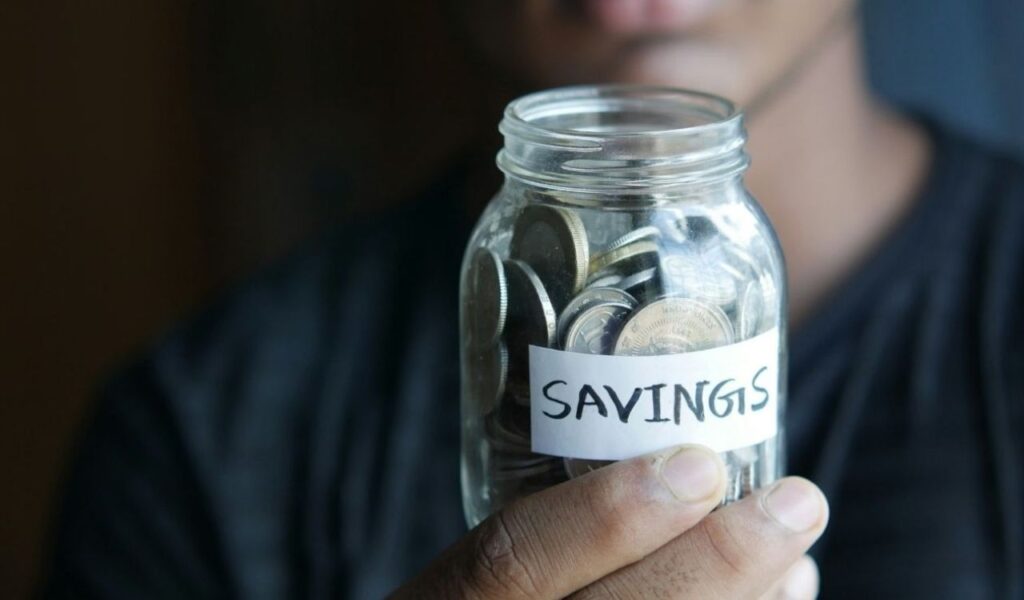
Savings fails when it depends on leftovers. Set an automatic transfer to savings for the day your paycheck clears. Even $25 to $100 per pay period builds a cushion and trains the budget around a nonnegotiable goal. Use a separate account without a debit card to reduce impulse taps. Behavioral research cited by federal financial education materials finds that automation improves consistency because it removes repeated decision points. Increase the transfer after each debt payoff so savings grow as EMIs shrink. If your employer allows it, split direct deposit so the money never lands in checking, and keep the account FDIC insured.
7. Increase Income Only for Debt Clearance
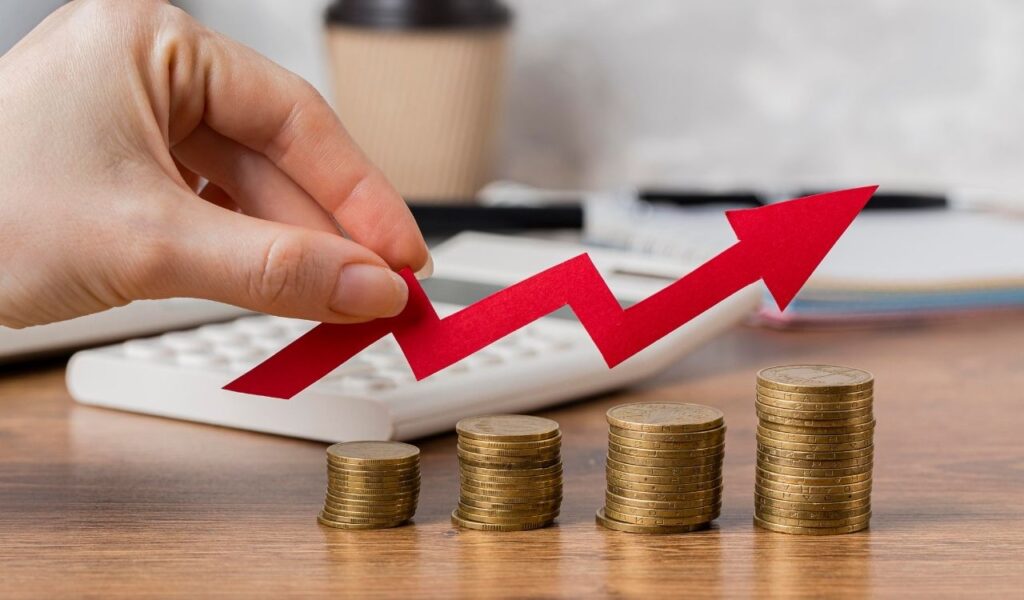
If expenses are already tight, the fastest way to create savings room is to raise income for a limited period and aim it at debt. Choose work that pays quickly and predictably, such as overtime, weekend shifts, or short freelance projects. Send every extra dollar to the highest interest balance until one EMI disappears, then roll that freed payment into the next. This creates a compounding cash flow effect, where each payoff increases monthly capacity without relying on constant willpower. Track net income after taxes and set aside a portion for self-employment tax so a later bill does not undo progress.