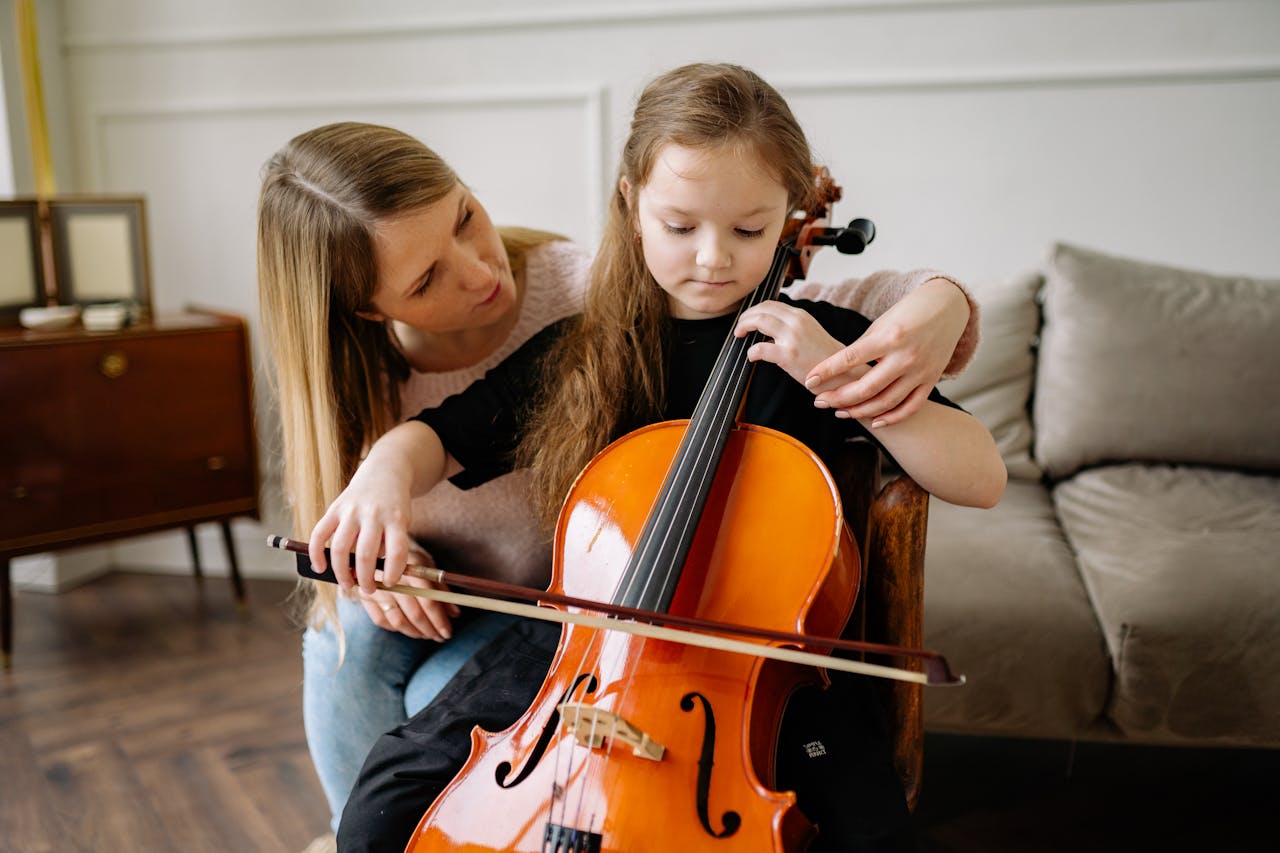

Something is shifting for women in midlife motherhood. Quietly, and then all at once, many moms are stepping back into the center of their own story.
Why identity often gets blurry after motherhood

Motherhood can be deeply meaningful, but it can also reorder a woman’s identity so completely that her former self starts to feel distant. Psychologists have long described this as role engulfment, when one social role becomes so dominant that it crowds out the others. For many women, especially those who become mothers in their 30s, the transition is intensified by work pressure, caregiving expectations, and the cultural script that “good moms” should be endlessly available.
A 2024 study on maternal well-being found that mothers commonly reported a loss of individuality during the early parenting years, especially when mental labor was unevenly distributed at home. That finding rings true in everyday life. The woman who once had strong opinions, private ambitions, and spontaneous rituals can slowly become the family operations manager, measuring time in snack schedules, school emails, and pediatric appointments.
This is not just about being busy. It is about invisibility. Many mothers describe looking competent from the outside while feeling narratively absent in their own lives, as if every plotline revolves around everyone else’s development. That disconnect often becomes sharper around 35+, when women begin evaluating not just what they have built, but what parts of themselves they have put on pause.
What “main character energy” really means for moms
Despite the phrase sounding playful or social-media driven, main character energy is not just about confidence, style, or posting better photos. For mothers over 35, it often means reclaiming subjecthood. Instead of existing primarily as support staff in the lives of partners, children, employers, and extended family, they begin making choices that reflect desire, curiosity, and authorship.
That can look ordinary from the outside. A mother returns to graduate school at 39, trains for a half marathon at 42, launches a small design business at 37, or starts dressing in a way that feels expressive instead of merely practical. These choices may seem cosmetic or belated to outsiders, but they often signal a deeper internal shift: she is no longer treating her preferences as optional.
Therapists who work with women in midlife often note that identity reclamation does not emerge from selfishness. It tends to emerge from accumulated self-erasure. Once children become slightly more independent, or once a woman notices the emotional cost of always being adaptive, she may begin asking a powerful question: if I matter too, what changes now? Main character energy is the answer taking shape in real time.
Why this shift often happens after 35
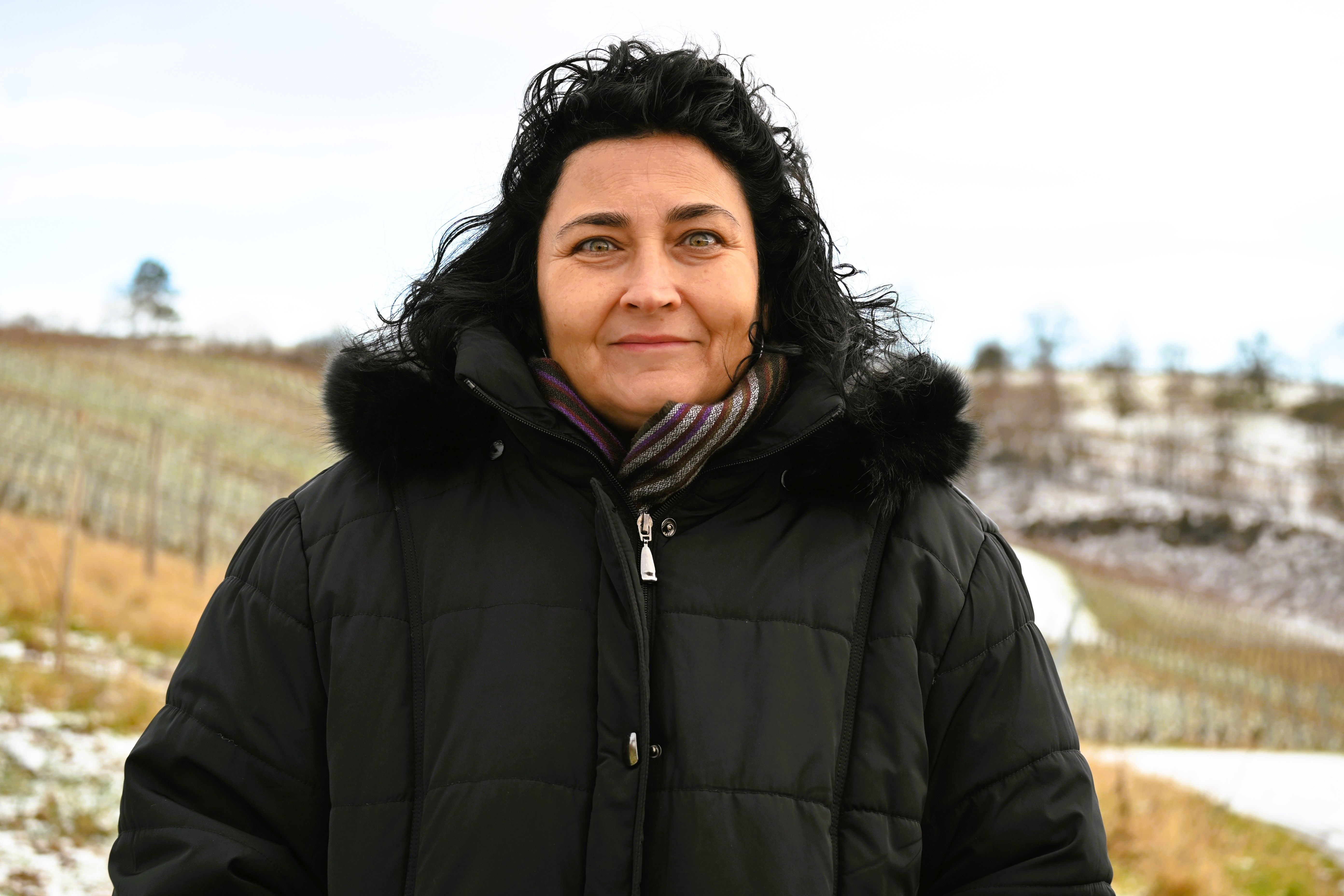
Age matters here. By 35+, many mothers have enough lived experience to recognize patterns they once normalized. They can see where compromise became habit, where caretaking became personality, and where being “low maintenance” mostly benefited everyone else. This stage of life often brings a clearer tolerance for truth, even when that truth is inconvenient.
There is also a practical reason the shift often happens later. The most physically consuming years of motherhood may be easing, while career plateaus, marriage strain, hormonal changes, and financial realities force reassessment. According to data from labor and family researchers, women in midlife frequently hit an inflection point where caregiving remains high but personal patience for invisibility drops sharply. The result is not a crisis so much as a reckoning.
Culturally, women over 35 are also seeing more examples of reinvention. Public figures, creators, and entrepreneurs increasingly talk openly about second acts, perimenopause, divorce, ambition, and identity recovery. That visibility matters. When mothers see peers renovating their lives rather than simply enduring them, permission expands. Reinvention stops looking reckless and starts looking like maturity.
How moms are rewriting identity in real life
In real life, this identity rewrite is usually less dramatic than people imagine. It often begins with tiny acts of re-centering: blocking one evening a week for a class, saying no to unpaid emotional labor, updating a wardrobe, reviving an old skill, or insisting on solitude without apology. Small decisions can become structural change when repeated consistently.
Career shifts are a major part of the story. Some women reduce hours to protect sanity, while others do the opposite and pursue long-delayed advancement. A mother who spent years in a flexible but unfulfilling role may decide at 41 that stability is no longer enough. Another may stop volunteering for the invisible office labor that mirrors what she already does at home. Both are forms of identity correction.
Relationships change too. Partners may welcome the new energy, or feel unsettled by it. Friends accustomed to the accommodating version of a woman may call her distant when she becomes more boundaried. But boundaries are often the architecture of this new selfhood. They create room for pleasure, ambition, sexuality, creativity, and rest, all of which are essential parts of a full adult identity.
Why this isn’t selfish, and what it could change next

The backlash to maternal self-reinvention is predictable because motherhood is still heavily moralized. A father who rediscovers himself may be seen as dynamic; a mother doing the same is sometimes framed as indulgent. But there is strong evidence from family psychology that children benefit when parents model personhood, not martyrdom. Seeing a mother with goals, limits, and joy can expand a child’s understanding of adulthood itself.
This shift may also improve households in practical ways. When one parent stops silently absorbing every need, labor becomes more visible. Conversations about fairness, time, money, and emotional responsibility become harder to avoid. That can create tension, but it can also create healthier systems. A woman reclaiming identity is not necessarily disrupting her family; she may be disrupting dysfunction.
What comes next is bigger than a trend. As more mothers over 35 refuse to disappear into competence alone, the cultural image of motherhood may change with them. Less saintly, more human. Less self-sacrificing by default, more self-defined on purpose. That is the real power of main character energy after motherhood: not narcissism, but narrative return.