Retail and food chains once considered untouchable are now shrinking their footprints nationwide. Shifting consumer habits, rising operational costs, and competition from e-commerce have pushed even iconic brands to close hundreds of locations. While some closures are strategic, others reflect deeper financial trouble or bankruptcy. Here are five major U.S. brands—ranging from department stores to coffee shops—that have recently announced significant store closures across the country.
1. JCPenney

JCPenney was once a staple of American malls, offering affordable clothing, home goods, and services like salons and portrait studios. But in recent years, the department store chain has faced declining foot traffic, outdated store formats, and fierce competition from online retailers. After filing for bankruptcy, JCPenney announced the closure of hundreds of stores. While some remain open under new ownership, the brand’s national presence has dramatically shrunk, especially in smaller towns and suburban malls.
2. Starbucks
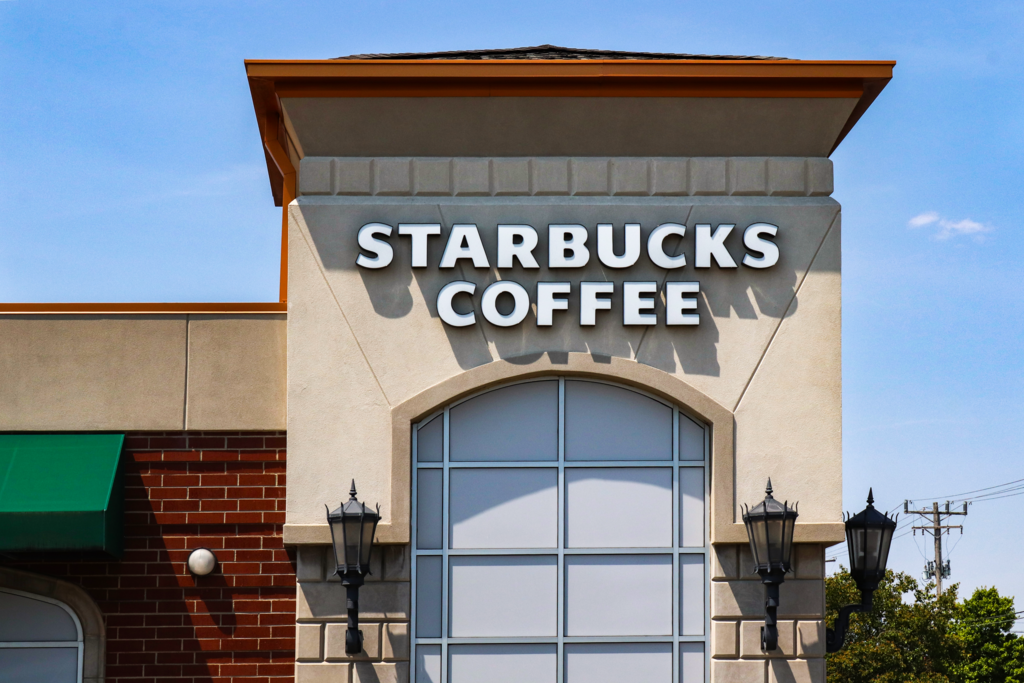
Though still dominant globally, Starbucks is shifting its U.S. strategy. The company is closing hundreds of traditional café locations, especially in urban areas with declining foot traffic. In their place, they are focusing on drive-thru, pickup-only, and smaller-format stores tailored to mobile orders. These changes reflect a response to evolving consumer behavior post-pandemic. While Starbucks remains a strong brand, its reorganization means fewer sit-down cafes and more streamlined, digital-friendly formats nationwide.
3. Kroger and Albertsons
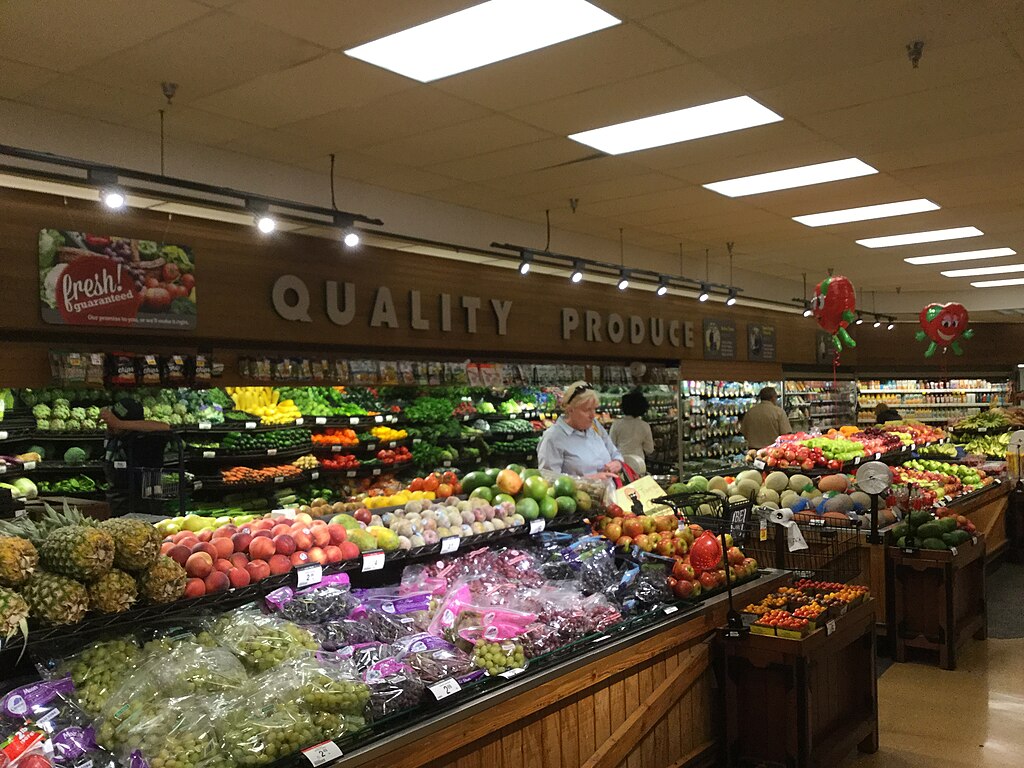
As two of the nation’s largest grocery chains plan to merge, Kroger and Albertsons are preparing to divest hundreds of stores to meet antitrust regulations. These closures aren’t necessarily due to financial hardship but rather legal requirements to prevent monopoly concerns. The goal is to maintain market competition by selling off overlapping store locations. However, for shoppers, it still means losing familiar neighborhood grocery stores—particularly in regions where both brands are currently operating.
4. Rite Aid

Rite Aid, one of the country’s long-standing pharmacy chains, has struggled to stay competitive amid rising debts and increased competition from larger rivals. Following bankruptcy proceedings, the company announced plans to close a significant number of underperforming locations. These closures are hitting both urban and suburban areas, affecting customers who rely on Rite Aid for prescriptions and basic health products. The reduction in store count signals a major pullback and uncertain future for the chain.
5. At Home
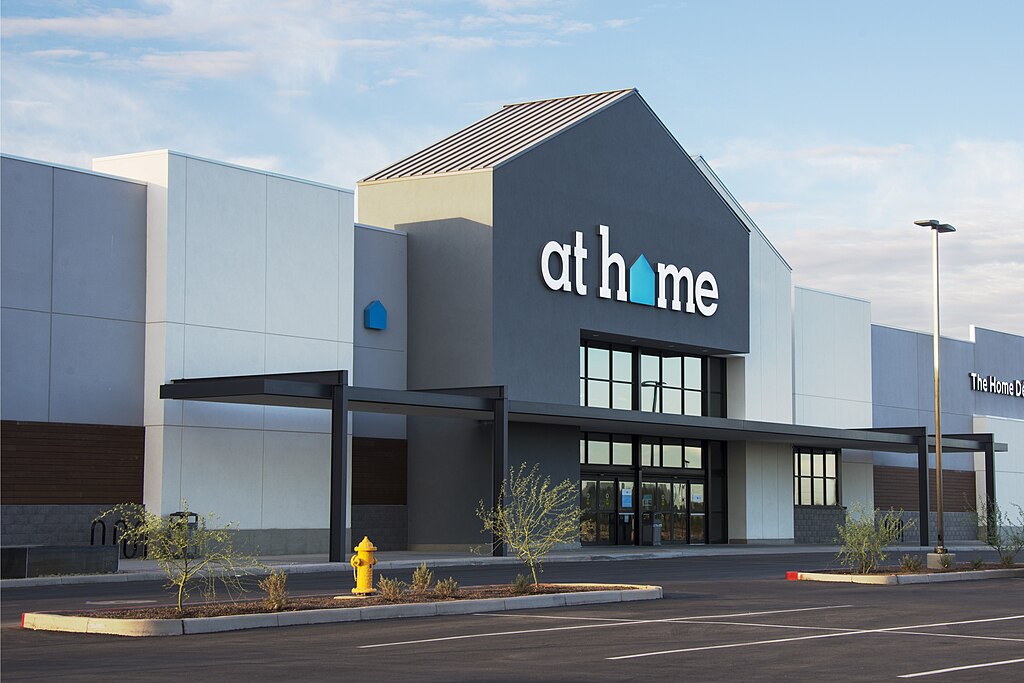
Known for its massive warehouse-style stores filled with home décor and furnishings, At Home is also pulling back. While not facing bankruptcy, the company is closing multiple locations to streamline operations and focus on profitability. The closures appear to target low-performing stores in less-trafficked retail centers. As shopping trends shift more toward online options and compact showrooms, At Home’s oversized format presents challenges—leading to these selective but impactful shutdowns across the country.
These store closures reflect a broader trend in retail and food service: adapting to a digital-first economy, changing consumer habits, and financial pressures. Whether due to bankruptcy, strategic shifts, or regulatory compliance, big brands are rethinking how and where they do business. For communities, these closures mean lost jobs, reduced access, and a changing landscape of familiar shopping experiences. It’s a sign that even the most iconic names aren’t immune to the forces reshaping modern retail.