
What does it really take to live a long, fulfilling life? While science offers plenty of answers, sometimes the most powerful insights come from the people who have actually lived it. When you talk to those who have crossed 90, you start to notice patterns, not just in how they lived, but in how they thought, loved, and handled life’s challenges.
After speaking with ten individuals who lived well into their nineties, a few themes came up again and again. These weren’t complicated secrets or expensive habits. In fact, most of them were surprisingly simple, and deeply human.
Here are the eight things they believed made all the difference.
1. They Kept Moving, No Matter What

None of them talked about intense workouts or strict fitness routines. Instead, they emphasized staying active in everyday ways. Walking, gardening, doing household chores, or simply avoiding long periods of sitting kept their bodies functioning well.
Movement wasn’t a task, it was part of their lifestyle. Even in their later years, they made an effort to stay mobile, believing that once you stop moving, your body follows.
Several also mentioned that consistency mattered more than intensity. Small daily actions added up over decades, helping them maintain strength and independence. They didn’t wait for motivation, they simply kept going, even on slower days.
2. They Didn’t Hold Onto Stress

Every single person mentioned stress, but more importantly, how they dealt with it. Life brought challenges, loss, and uncertainty, but they didn’t let those moments define them long-term.
They learned to let go, adapt, and move forward. Some prayed, some talked things out, and others simply accepted that not everything could be controlled.
Many said holding onto anger or worry only made life heavier. Over time, they became better at choosing peace over being right. Letting things go wasn’t always easy, but it was something they practiced intentionally.
3. They Stayed Socially Connected
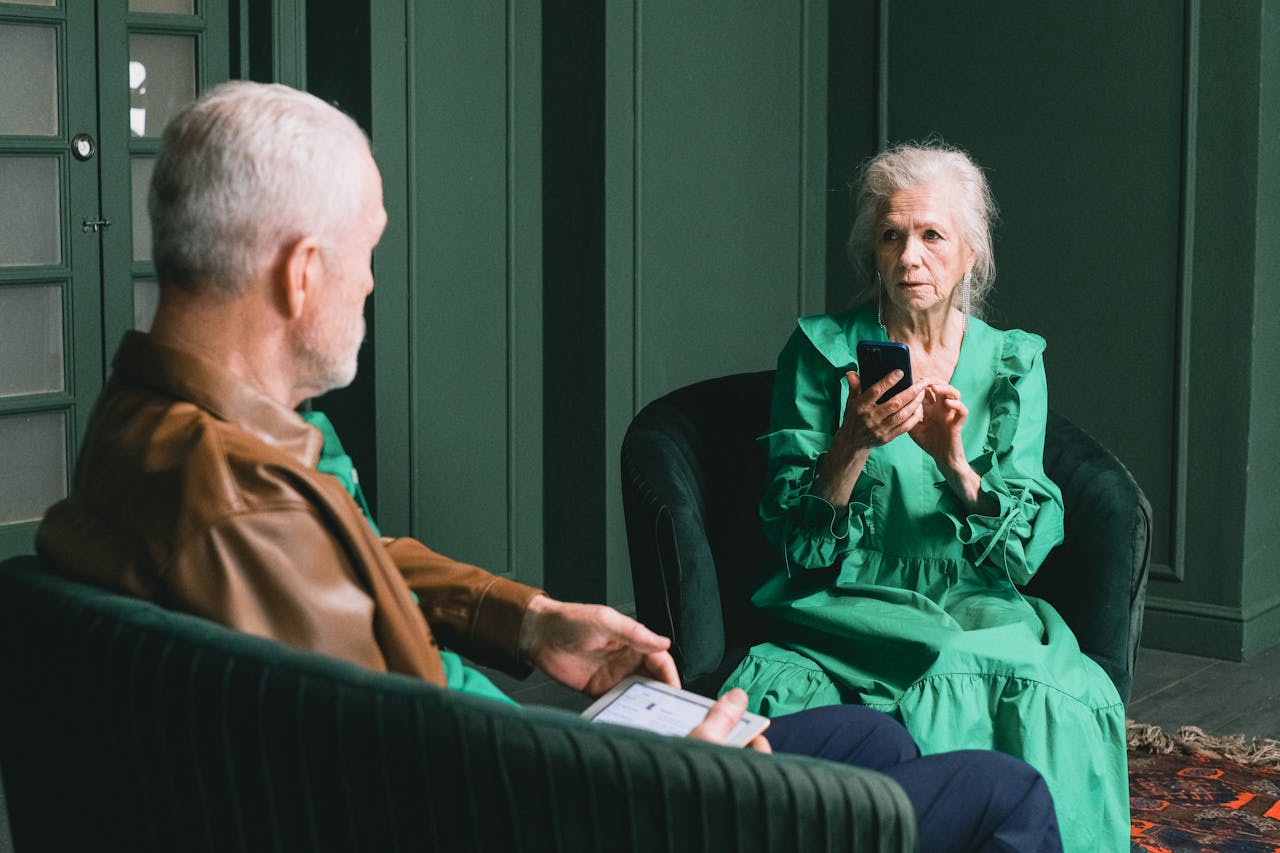
Loneliness was something they actively avoided. Whether it was family, friends, neighbors, or community groups, staying connected played a huge role in their well-being.
They made time for conversations, shared meals, and simple companionship. Many said that having people to laugh with and talk to gave them a reason to keep going.
Even small interactions, like chatting with a neighbor or making a phone call, made a difference. They believed relationships needed effort, and they prioritized staying in touch, no matter how busy life became.
4. They Ate Simply and Consistently

Their diets weren’t trendy or restrictive. Most described eating simple, home-cooked meals and sticking to routines. They avoided extremes and focused on balance rather than perfection.
Portion control came naturally, and overeating was rare. Many of them also mentioned eating at regular times, which helped maintain both energy and overall health.
They also listened to their bodies instead of following strict rules. If something didn’t feel right, they adjusted. Over time, this intuitive approach helped them build sustainable eating habits.
5. They Maintained a Sense of Purpose

One of the most powerful patterns was the importance of having something to wake up for. Whether it was caring for family, tending a garden, volunteering, or pursuing a hobby, they always had a reason to stay engaged with life.
Purpose didn’t have to be grand. Even small responsibilities gave their days structure and meaning.
Many said this sense of purpose helped them through difficult times. It gave them motivation to keep going, even when life became challenging. Staying useful, in any form, brought them lasting satisfaction.
6. They Adapted Instead of Resisting Change

Life over 90 years inevitably brings change, technological, social, and personal. The people who thrived were those who adapted rather than resisted.
They didn’t dwell on “how things used to be.” Instead, they stayed curious and open-minded, learning new ways of doing things and accepting each phase of life as it came.
They understood that change was unavoidable, so resisting it only created frustration. By staying flexible, they were able to keep growing and remain engaged with the world around them.
7. They Kept a Positive Outlook

Positivity came up in every conversation. This didn’t mean they ignored hardships, but they chose not to focus on negativity.
They found humor in everyday life, appreciated small joys, and practiced gratitude long before it became a popular concept.
Many believed that mindset shaped their experience of life. By focusing on what was good rather than what was missing, they created a sense of peace and contentment that lasted through the years.
8. They Valued Rest and Routine

Good sleep and daily routines played a bigger role than many people expect. They went to bed and woke up at consistent times, creating stability in their lives.
Rest wasn’t seen as laziness, it was essential. Combined with simple daily habits, it gave their bodies and minds the consistency needed to stay healthy over the long term.
They also respected their limits, especially as they aged. Taking breaks, slowing down when needed, and maintaining a steady rhythm helped them avoid burnout and stay balanced.
What Stands Out the Most

What’s striking is that none of these habits are extreme or complicated. There were no strict rules, expensive programs, or secret formulas. Instead, these individuals built lives around balance, connection, and consistency.
Their advice doesn’t just apply to living longer, it applies to living better.
Living past 90 isn’t just about genetics or luck. According to those who have done it, it’s about how you move, think, connect, and adapt over time. The small choices made every day add up, shaping not just how long you live but how well you live.
And perhaps the most reassuring takeaway of all is this: the habits that support a long life are simple enough for anyone to start, no matter their age.