For years, I thought I was doing lunch exactly right. Then one small, repeated pattern showed me how little I understood about what my kid was actually eating.
The lunchbox story I told myself
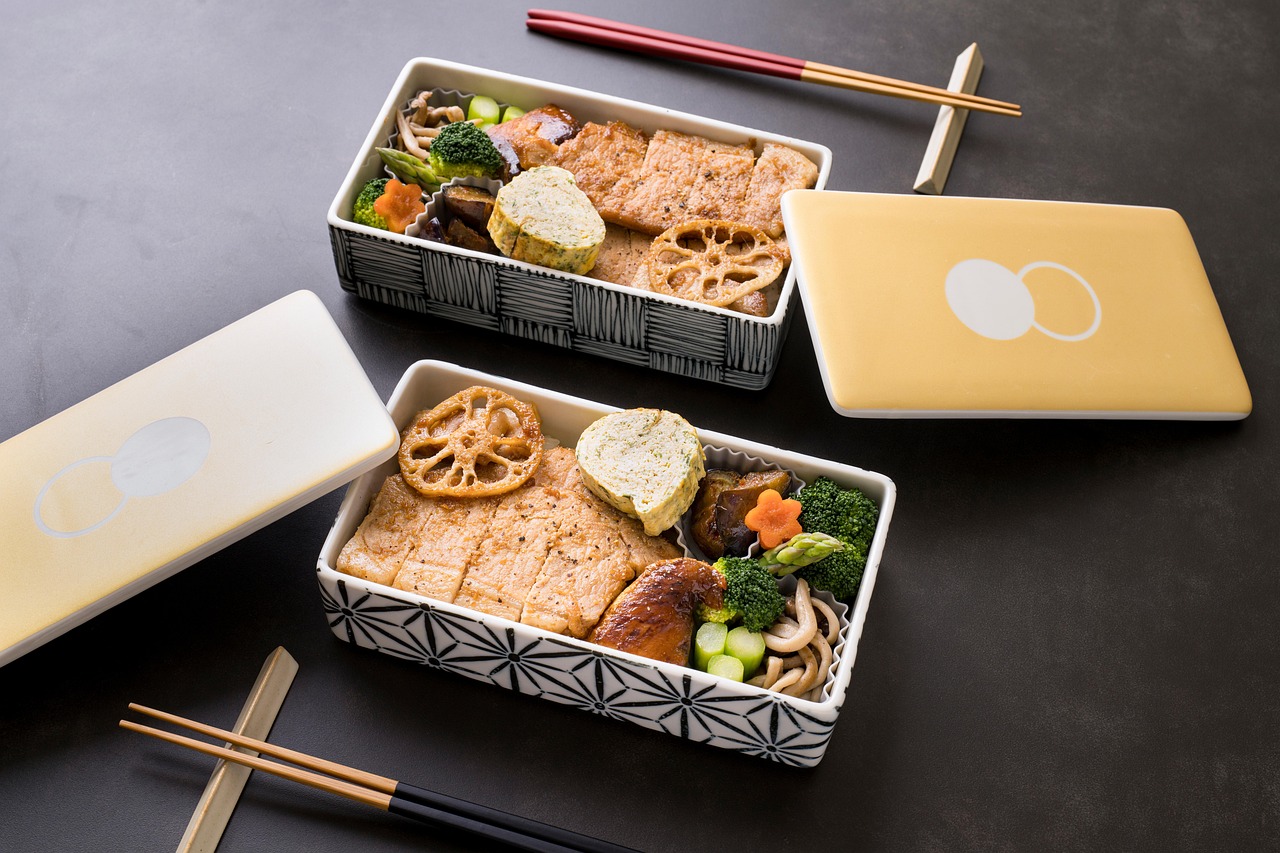
Like a lot of parents, I built lunch around the story I wanted to believe. Protein, fruit, vegetable, whole grain, a little treat: it looked balanced, colorful, and responsible. If the lunchbox came home mostly empty, I counted that as success. If it came home full, I told myself my child had simply had a busy day.
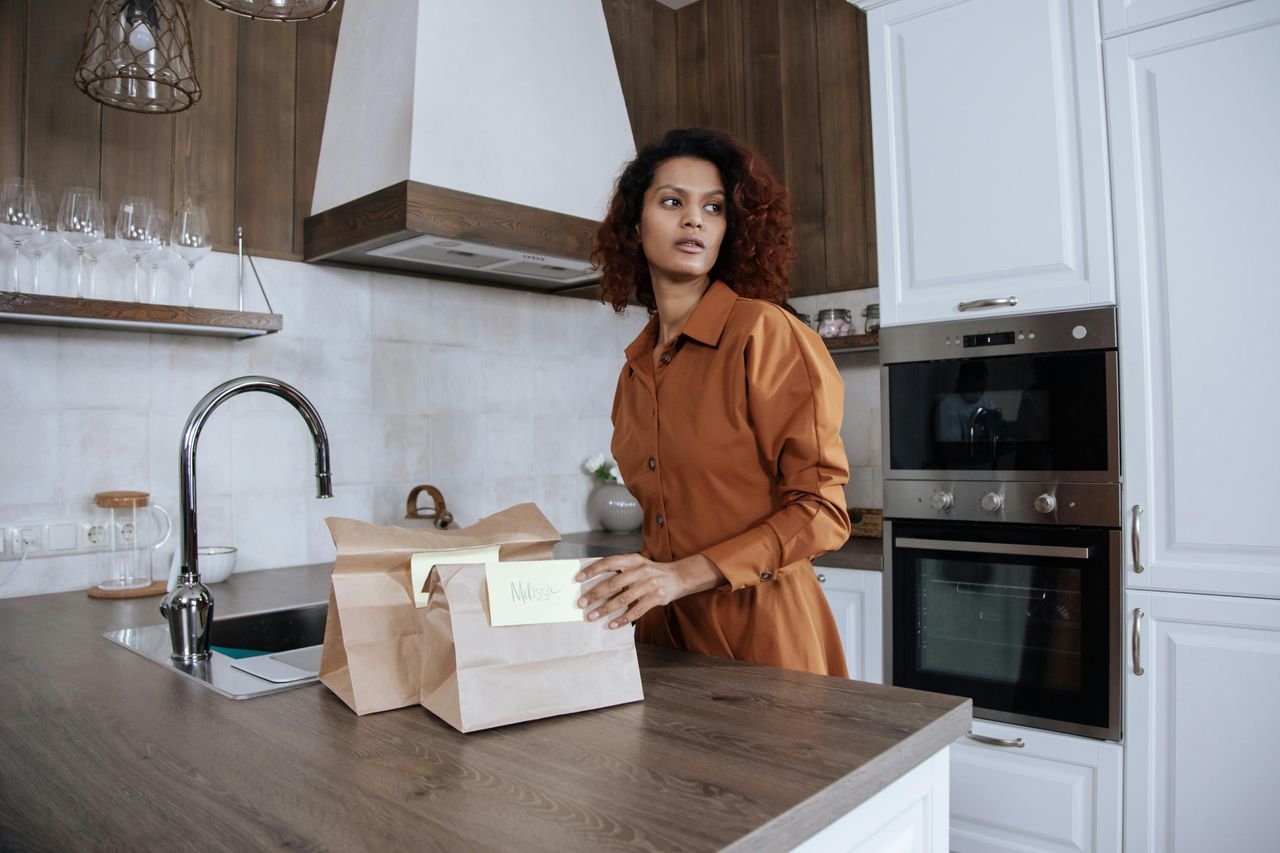
What I missed was that “mostly empty” did not mean “well eaten.” It often meant a sandwich had been nibbled, crackers were gone, the treat had vanished, and the strawberries or cucumbers were left to warm in a metal container. Kids are efficient eaters under time pressure. They do not consume lunch according to nutritional ideals; they eat according to time, energy, texture, and what feels safe in a loud room.
School lunch periods are often surprisingly short. In many districts, children get closer to 15 or 20 actual seated minutes once lines, hand-washing, and transitions are over. Pediatric dietitians have been saying this for years: when time is scarce, kids prioritize what is fastest and most familiar. Suddenly my “balanced” lunch wasn’t really balanced at all in practice. It was a menu, not a record of intake.
What kept coming home untouched
The number 3,717 is a dramatic way of saying this took me years to see. What finally tipped me off was not a major confrontation or a teacher’s note. It was the steady return of the same foods, packed with love and coming back almost exactly as they left. Baby carrots. Apple slices turning brown. Yogurt tubes only half-finished. Turkey rolled neatly back into itself.
At first I interpreted those leftovers as preference. My child must not like carrots, I thought. But preference was only part of it. Raw vegetables took too long to chew. Apple skins were messy and slow. Yogurt required full attention and a spoon on days when recess gossip mattered more. The issue wasn’t whether these foods were “healthy.” The issue was whether they were lunchroom-friendly.
Food researchers and feeding specialists often point out that children’s eating behavior is deeply shaped by context. Texture, temperature, smell, social pressure, and the fear of opening something “weird” all matter. A perfectly nutritious lunch can fail if it is hard to unwrap, easy to spill, or embarrassing beside a classmate’s chips. I had been packing for my kitchen table, not for the cafeteria my kid actually lived in.
Why healthy intentions can backfire
There is a particular kind of parental optimism that shows up in lunch packing. We imagine this is the place where we can make up for skipped breakfasts, rushed dinners, or a vegetable strike the night before. So we load the lunchbox with good intentions. More fiber. More color. Less sugar. Better choices. Then we accidentally turn one meal into a daily negotiation our child never agreed to.
The problem is not health itself; it is mismatch. A child who eats cucumbers happily at home may ignore them at school because they are cold, wet, and not filling. A child who loves leftovers may avoid them because reheated pasta smells stronger in a crowded classroom. According to child nutrition experts, repeated exposure works best without pressure. The lunchbox, however, often becomes pressure in portable form.
I eventually saw that my effort had slipped into performance. I wanted to be the parent who packed the ideal meal, and that desire was crowding out useful observation. The point of lunch is to fuel a child through the afternoon, not to satisfy an adult’s picture of nutritional excellence. Once I accepted that, I stopped seeing uneaten food as defiance and started seeing it as data.
What changed when I started asking better questions
Instead of asking, “Why aren’t you eating the vegetables?” I started asking, “What is easiest to finish at school?” That one shift changed everything. My child’s answers were practical, not rebellious: too little time, nowhere to put peels, sandwiches too thick, cheese sticks easier than sliced cheese, softer fruit better than crunchy fruit, and anything requiring assembly was a nonstarter.
So I rebuilt lunch around actual conditions. I made smaller sandwiches, packed fruit that was already peeled, used vegetables with dips only when there was enough time, and leaned on reliable proteins like cheese, eggs, or muffins with added oats and seeds. I also paid attention to what got eaten after school. Sometimes the untouched vegetables were consumed happily at 4 p.m., which told me appetite timing mattered more than I had admitted.
This approach aligns with what many pediatric feeding therapists recommend: think across the whole day, not one moralized meal. Nutrition is cumulative. If a child eats strawberries at breakfast, cheese at lunch, carrots after school, and a solid dinner, that counts. The lunchbox does not have to carry the full burden of dietary perfection all by itself.
The lesson hidden in all those lunches
The real discovery was not that my child disliked healthy food. It was that I had confused packing with feeding. Those are related, but they are not the same. Packing is planning. Feeding is what actually gets into a child’s body under real-world conditions, with all the chaos, distraction, fatigue, and social dynamics that come with being a kid.
Once I understood that, lunch became less theatrical and more useful. I still pack produce, whole grains, and protein, but I do it with fewer illusions. I choose foods that can survive a backpack, be eaten quickly, and still appeal after sitting for hours. I save some of the more challenging foods for home, where there is time, water, napkins, and no audience.
If there is a bigger lesson here, it is one many parents eventually learn: children are not failed versions of adult eaters. They are adaptive, context-driven, and often remarkably honest with their behavior if we are willing to notice it. It may take 3,717 lunches to see the pattern. But once you do, you stop packing the lunch you admire and start packing the lunch your kid will actually eat.