Retirement moves are often planned around comfort, cost, and lifestyle improvements. Arizona is a common choice because of its warm climate, open landscapes, and reputation for being retiree-friendly. Many people relocate, expecting a relaxed pace of life supported by sunshine and relatively lower expenses.
However, living in Arizona full-time can reveal challenges that are not always obvious during short visits. Climate intensity, infrastructure limitations, and lifestyle adjustments can influence daily comfort in ways that differ from initial expectations.
For some retirees, these factors lead to regret instead of satisfaction. The following sections outline ten practical reasons why retiring in Arizona may not meet long-term expectations.
1. Extreme Summer Temperatures
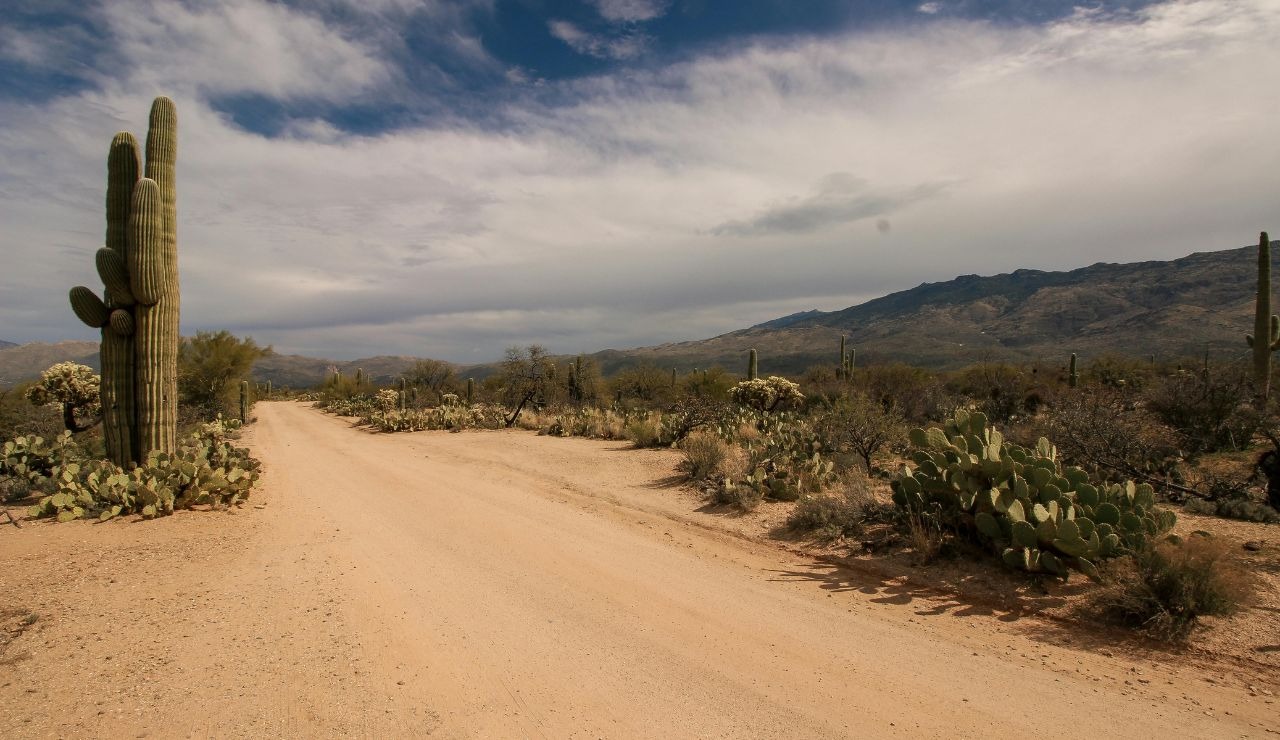
Arizona’s summer heat can reach levels that significantly affect daily life, especially for those unfamiliar with desert climates. Temperatures often remain high for extended periods, making outdoor activities difficult during much of the day.
Routine tasks such as walking, gardening, or running errands often require careful planning. Many residents adjust schedules to early mornings or late evenings to avoid peak heat, which can disrupt normal routines.
Over time, constantly managing heat exposure can feel limiting. For some retirees, the climate becomes less enjoyable and more of a daily challenge that affects comfort.
2. High Air Conditioning Costs

Living comfortably in Arizona requires frequent use of air conditioning, especially during extended summer months. Cooling systems often run for most of the day, increasing electricity consumption significantly compared to cooler regions. This leads to higher monthly utility bills.
Even homes designed for energy efficiency still depend heavily on cooling systems. The demand remains consistent during hot periods, which can last several months each year without much variation.
For retirees managing fixed incomes, these ongoing costs can become a concern. What initially seemed like an affordable move may gradually place financial pressure on everyday living expenses.
3. Limited Walkability
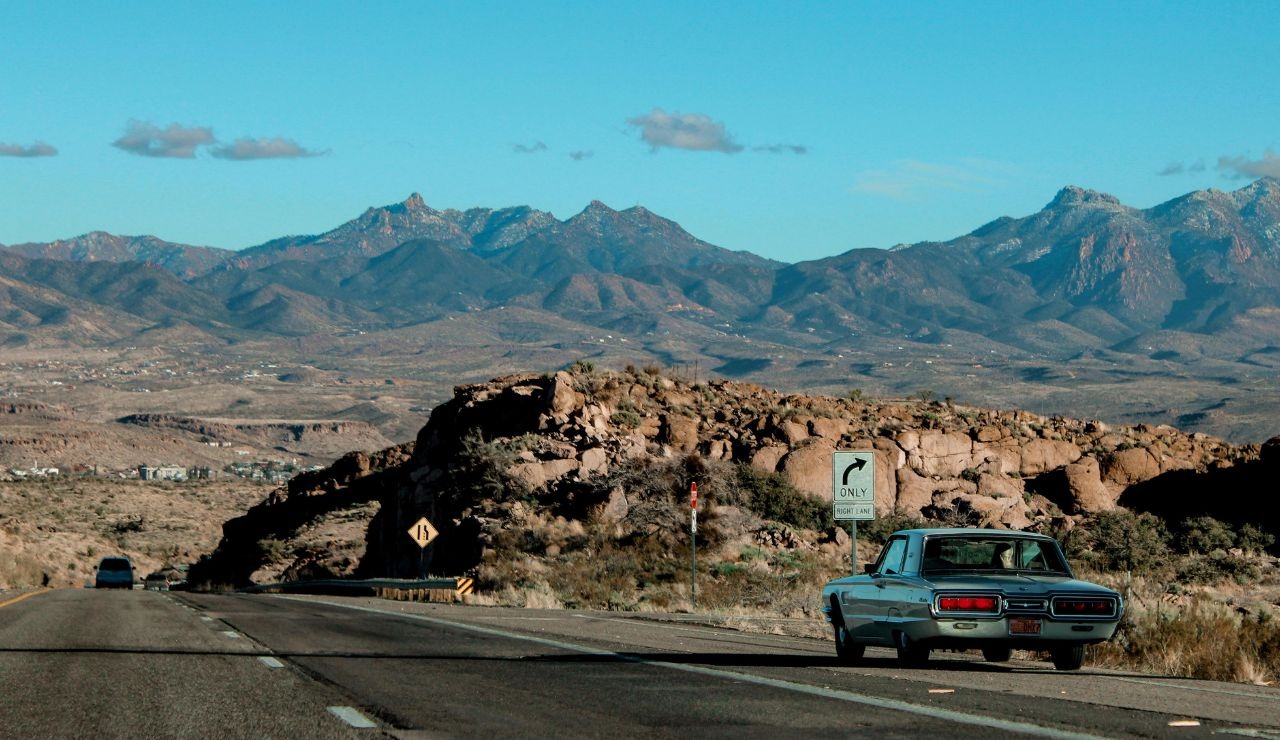
Many communities in Arizona are built with driving as the primary method of transportation. Essential locations such as grocery stores, pharmacies, and healthcare facilities are often spread out, making walking less practical for daily routines.
Hot weather further reduces walkability, particularly during daytime hours when temperatures are highest. Limited shade and longer distances make even short trips uncomfortable or impractical.
As a result, dependence on a personal vehicle becomes necessary. Retirees who expected a more walkable lifestyle may find this environment less convenient over time.
4. Healthcare Accessibility Challenges
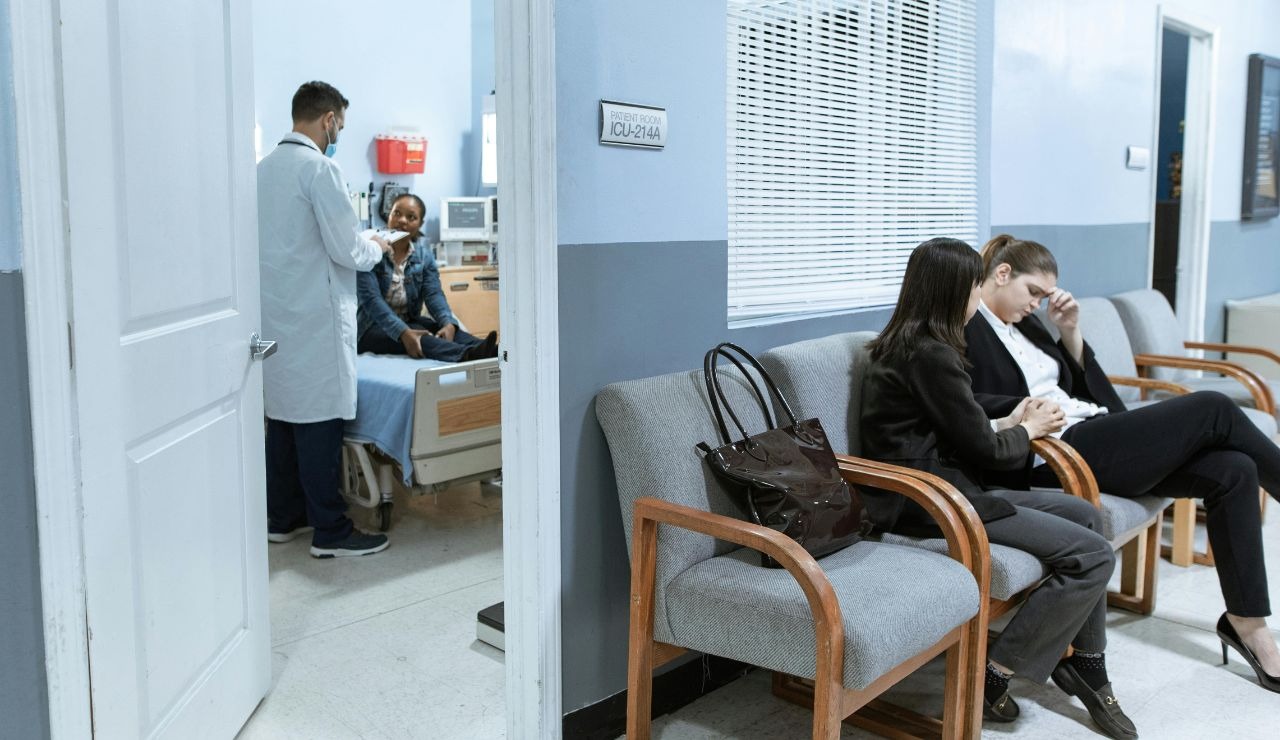
Healthcare access is a key consideration for retirees, and while Arizona offers a range of medical facilities, availability can vary significantly depending on location. Rapid population growth in certain areas has increased demand for services, which can impact scheduling and accessibility.
Appointments with specialists may take longer to secure, especially in busier regions. This can create delays for routine care, follow-ups, or ongoing treatments that require consistency and timely attention.
Reliable healthcare access is essential for long-term comfort. Any difficulty in receiving prompt care can influence overall satisfaction with retirement living conditions.
5. Water Supply Concerns
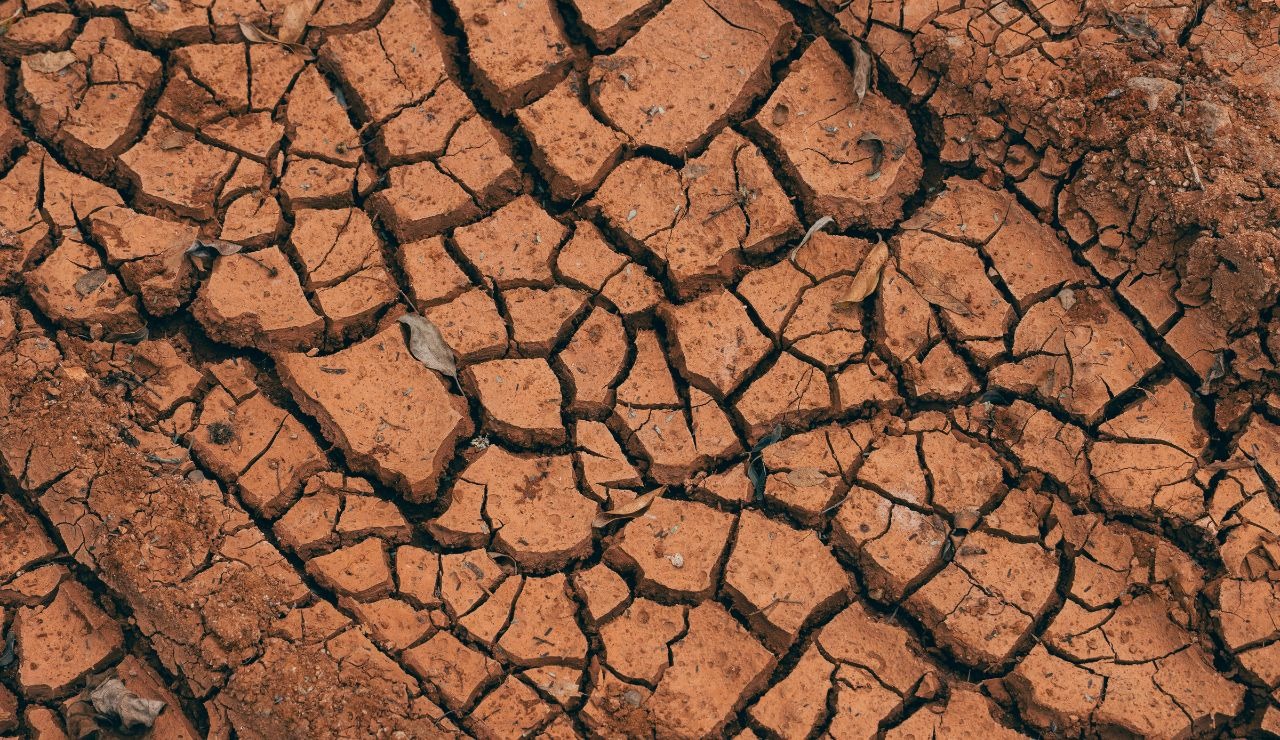
Arizona’s desert environment means water resources are limited and must be carefully managed. Low rainfall and reliance on external supply systems contribute to ongoing concerns about long-term availability and sustainability in certain areas.
Residents are often encouraged to follow conservation practices that influence daily usage, landscaping, and household habits. These adjustments are part of adapting to a region where water is not naturally abundant.
For retirees, uncertainty about water conditions can become an important factor. It adds another layer of consideration when planning for long-term stability and comfort.
6. Seasonal Population Surges

Arizona experiences a noticeable increase in seasonal residents during cooler months, leading to temporary population growth across many communities. This shift can affect traffic conditions, public services, and the availability of everyday conveniences.
Restaurants, healthcare facilities, and recreational spaces often become more crowded, resulting in longer wait times and reduced accessibility for routine activities.
Although temporary, these fluctuations can disrupt daily life. Retirees who prefer a consistent and predictable environment may find these seasonal changes challenging to manage.
7. Limited Public Transportation
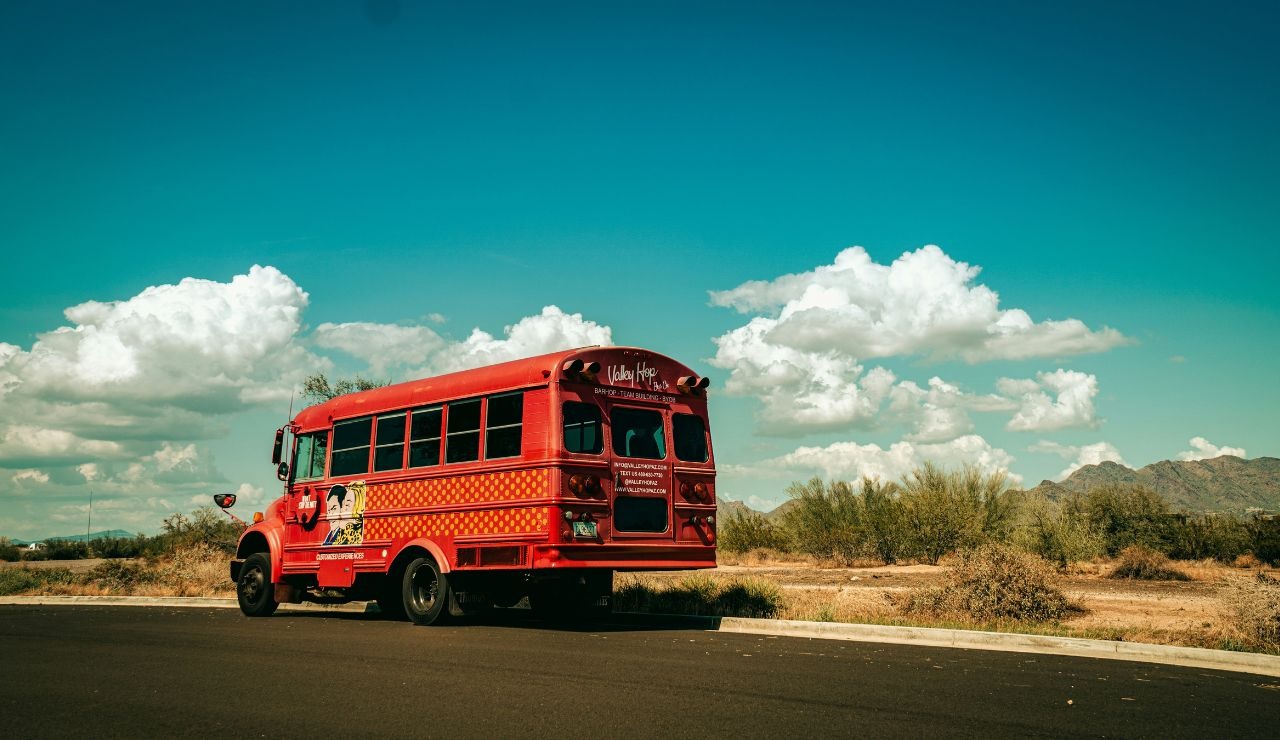
Public transportation in many parts of Arizona is limited, especially outside major cities where transit systems are more developed. Many neighborhoods are not connected to reliable routes, making it difficult to depend on buses for daily errands, medical visits, or routine travel across different areas.
Schedules are often infrequent and may not align with everyday needs, reducing flexibility when planning activities or time-sensitive tasks. This can be inconvenient for retirees who prefer not to drive or who expect dependable alternatives.
As a result, most residents rely on personal vehicles for daily movement. This dependency can increase costs and reduce convenience over time for retirees.
8. Dust and Air Quality Issues
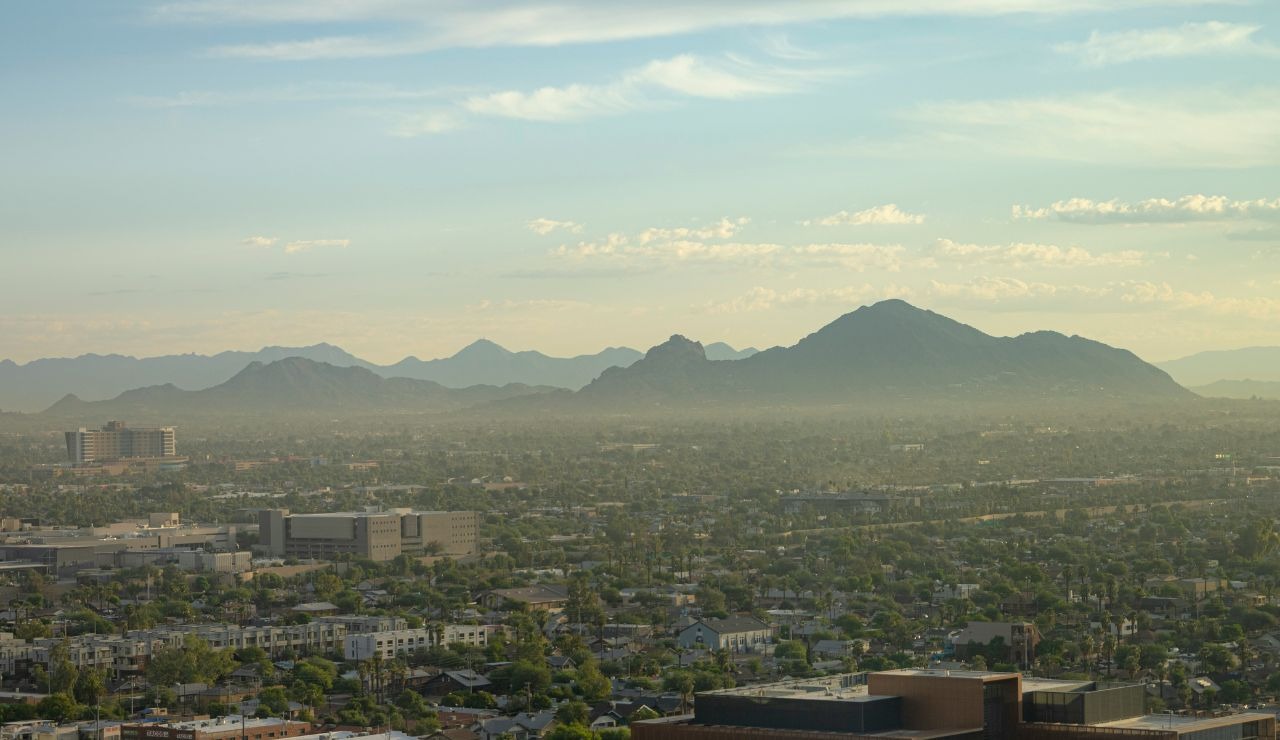
Arizona’s dry desert climate often leads to higher levels of dust, especially during windy conditions or seasonal weather changes. Fine particles can travel easily through the air and settle on surfaces, affecting both outdoor and indoor environments throughout the year.
Inside homes, dust can accumulate quickly on furniture, floors, and ventilation systems, requiring more frequent cleaning and maintenance. Air filters and cooling systems may also need regular attention to maintain effectiveness and indoor comfort.
For individuals with sensitivities or respiratory concerns, this environment can feel challenging. Managing air quality becomes a consistent part of daily living rather than an occasional task.
9. Limited Green Spaces
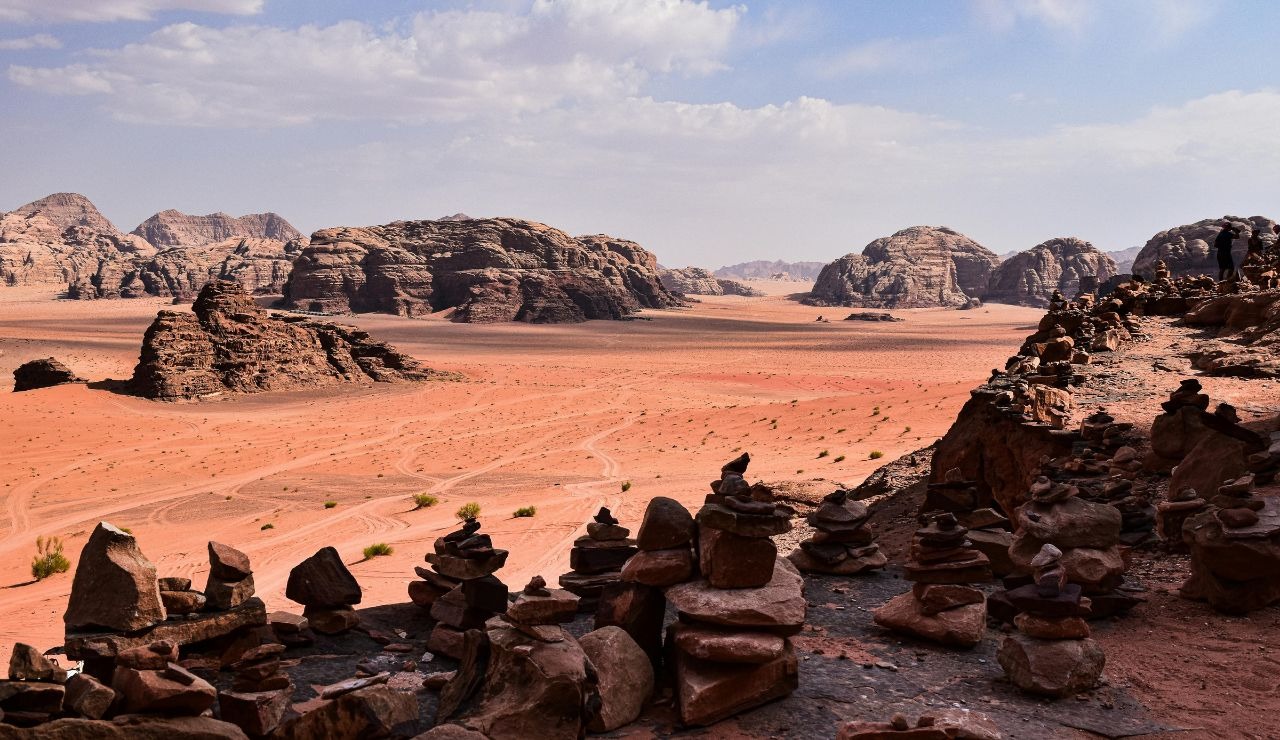
Compared to regions with higher rainfall and more natural vegetation, some parts of Arizona have fewer green spaces such as parks, shaded walking paths, or tree-lined streets. Water conservation practices play a significant role in shaping landscaping decisions across communities.
While desert landscapes offer a distinct and open appearance, they may feel less varied for those accustomed to greener surroundings. The lack of shade in certain areas can also make outdoor spaces less comfortable during warmer months.
This can influence how residents spend time outdoors. Retirees who prefer lush environments and shaded areas may find the surroundings less suitable for daily relaxation.
10. Isolation in Certain Communities
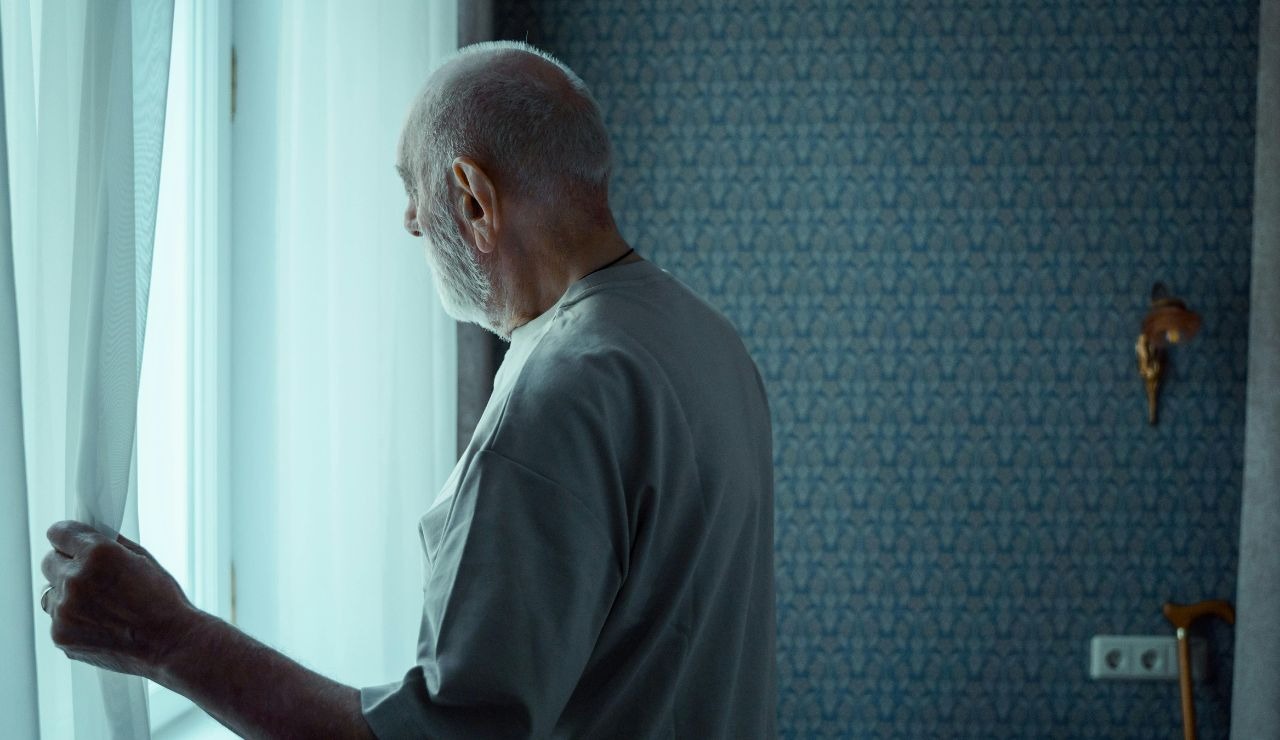
Some retirement communities in Arizona are located in quieter or more remote areas, designed to provide privacy and a slower pace of life. While this can be appealing initially, it may also limit access to nearby services, entertainment, and social opportunities.
Distance from family members, friends, or central locations can increase feelings of isolation over time. Social interaction may require additional travel or planning, which can become less convenient with age.
For retirees who value regular connection and accessibility, this setting may feel restrictive. Finding a balance between peaceful surroundings and social engagement becomes an important consideration.