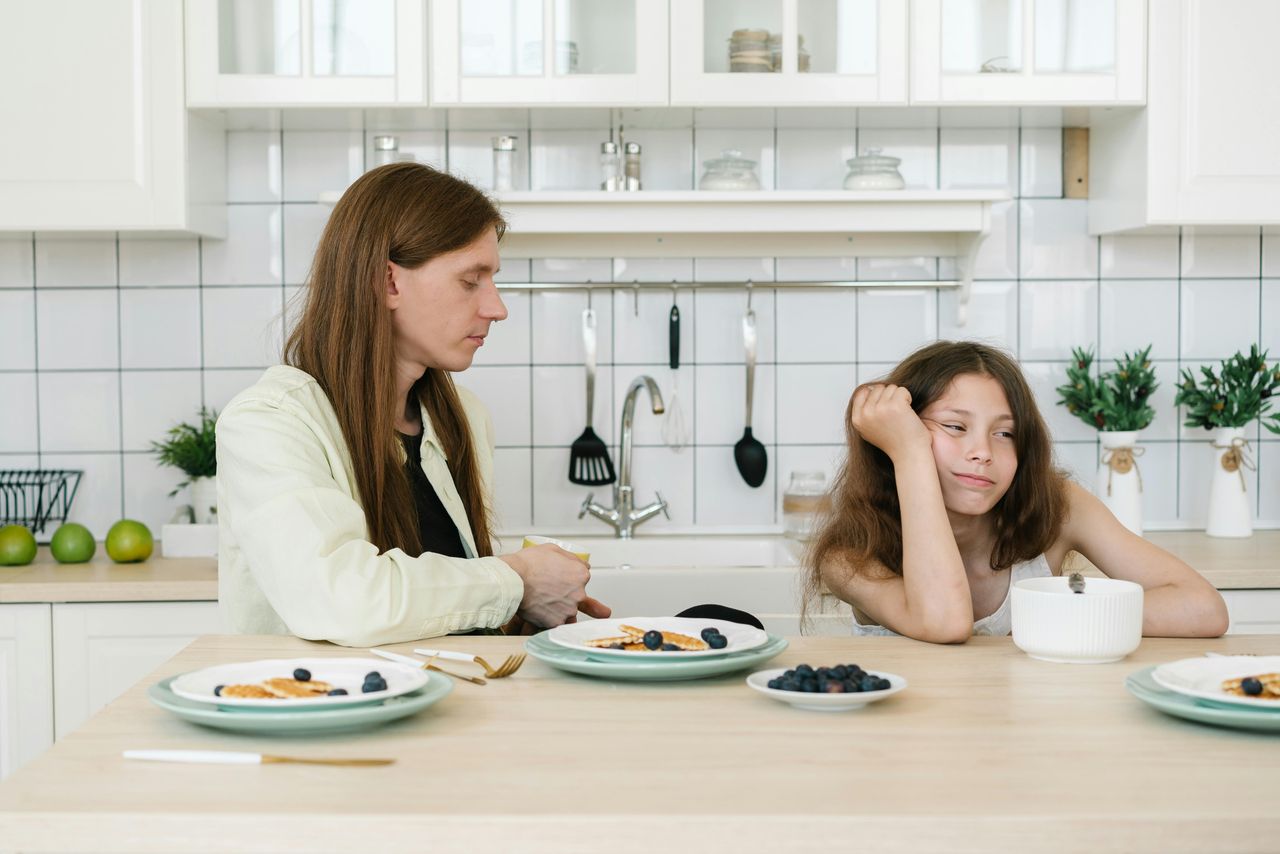
I thought following the rules would make parenting feel steadier. Instead, doing everything “right” left me strangely uneasy.
The Promise of Getting Parenting “Right”

Modern parenting advice is sold with incredible confidence. If you respond this way, set that boundary, use this sleep method, avoid that phrase, your child will supposedly become more secure, resilient, independent, and emotionally healthy. The message is comforting because it turns a chaotic job into a series of steps.
That appeal is easy to understand. Parenting today happens in a culture saturated with information, and much of it comes dressed in expertise. Pediatricians, therapists, developmental psychologists, parenting coaches, and social media creators all offer frameworks that sound evidence-based and urgent. A 2024 survey from the Pew Research Center found many parents feel intense pressure to be informed and intentional, which helps explain why advice can start to feel less like support and more like a test.
I bought into that test completely. I learned the scripts, monitored wake windows, practiced calm responses, and tried to become the regulated adult every expert seemed to describe. None of those tools were useless, but I slowly noticed I was performing competence more than living inside my own family.
The strange part was that nothing was obviously wrong. My child was loved, safe, and developing normally. But I felt hypervigilant, as if every ordinary disagreement, rough bedtime, or clingy morning carried hidden long-term consequences. Advice that was supposed to make me more grounded had made me more afraid.
When Expertise Starts Drowning Out Instinct
The first thing that didn’t sit right with me was how quickly advice can override direct knowledge of your own child. General guidance matters, of course, especially when it comes to safety, health, and development. But somewhere along the way, broad principles started outranking the daily reality in front of me.
If a method worked for “most children,” I assumed it should work for mine too. When it didn’t, I blamed my consistency, my tone, or my follow-through. I rarely paused to ask whether the advice was mismatched to temperament, family culture, sensory sensitivity, neurodivergence, or simple human variation. Developmental experts have long warned against one-size-fits-all models, yet parenting culture keeps repackaging them as universal truths.
That creates a subtle kind of self-erasure. You stop noticing that one child needs transition time while another needs humor. You ignore that some kids melt down when overstimulated, while others act out when underconnected. The script becomes more important than observation, even though observation is the root of good caregiving.
In my case, instinct did not mean magical certainty. It meant paying attention to patterns I could actually see. My child was not a case study or a future outcome to optimize. Once I recognized that, I started understanding why the advice felt off: it was often too clean for a relationship that was always going to be messy.
The Performance Trap Hidden Inside Good Advice

A lot of popular parenting advice is not wrong so much as incomplete. It offers polished language for hard moments, but it rarely shows what those moments feel like after a bad night’s sleep, during financial stress, or when two adults disagree about what to do. Advice works beautifully in theory because theory is not dinner hour.
That gap creates a performance trap. Parents begin measuring themselves by how closely their reactions match an ideal version of patience, presence, and emotional attunement. If you lose your temper, need space, enforce a consequence awkwardly, or simply feel irritated, it can seem like moral failure instead of ordinary human limitation. According to the former U.S. surgeon general Vivek Murthy, parental stress has become a major public health concern, and unrealistic standards are part of the burden.
Social media intensifies this problem by rewarding clarity over complexity. A 30-second clip can tell you the perfect thing to say to a dysregulated child, but it cannot show the accumulated context of that child’s week, your support system, or your mental bandwidth. What looks like wisdom can become theater.
I realized I had started parenting with an imaginary audience in the room. I was not just responding to my child; I was silently checking whether my response would earn approval from experts I had internalized. That is a lonely way to raise a family, and it leaves very little room for repair, humor, or imperfection.
What Children Actually Need From Us
The breakthrough came when I stopped asking whether I was following advice correctly and started asking a different question: what does my child need from me, specifically, in this moment, in this family? That question is less glamorous because it has no universal script, but it is usually more honest.
Research on child development has consistently pointed toward patterns that are sturdier than trends: secure attachment, responsive care, predictable limits, emotional safety, and opportunities to recover after conflict. Those things do not require perfection. In fact, the child psychologist Donald Winnicott built his reputation on the idea of the “good enough” parent, a phrase that remains powerful because it acknowledges reality without lowering the bar on love.
Good enough parenting leaves room for rupture and repair. You can mishandle a moment, come back later, apologize, and reconnect. Studies on attachment have shown that relationships are strengthened not by flawless attunement but by reliable repair after disconnection. That was a relief to me, because real family life contains interruptions, mistakes, and frayed nerves.
It also helped me see that some advice confuses gentleness with endless accommodation. Children need empathy, but they also need adults who can tolerate their distress without collapsing or overexplaining. Sometimes the most stabilizing response is simple, warm, and firm. Not harsh. Not elaborate. Just steady.
A More Human Way to Parent

What finally changed was not that I rejected expert advice altogether. I still value research, pediatric guidance, developmental insight, and practical tools. But I no longer treat them as commandments that outrank context, relationship, or common sense. Advice is most useful when it informs judgment, not when it replaces it.
A more human approach to parenting is quieter and less marketable. It asks parents to notice, experiment, reflect, and adapt. It assumes children are individuals, not projects, and that adults are people, not regulation machines. It also recognizes structural realities: a parent working two jobs, parenting solo, managing depression, or caring for a neurodivergent child is not failing because glossy advice does not fit cleanly.
That shift brought unexpected peace. I became less interested in being the right kind of parent and more interested in being a trustworthy one. I still care about how I speak, set limits, and respond under pressure, but I no longer confuse technique with connection.
Something felt wrong because, in a subtle way, it was. Parenting had started to sound like brand management instead of relationship. Once I let go of the fantasy of getting it perfectly right, I became more present, more flexible, and, ironically, better at the parts that mattered most.