Every corner of a home sends subtle messages about capability, confidence, and belonging. The way we design and organize our spaces can either empower children to act independently or teach them to rely on adults for every small task. By shaping environments that invite participation, parents can nurture self-reliance, responsibility, and problem-solving, essential life skills that begin right at home.
Designing Spaces That Empower Children
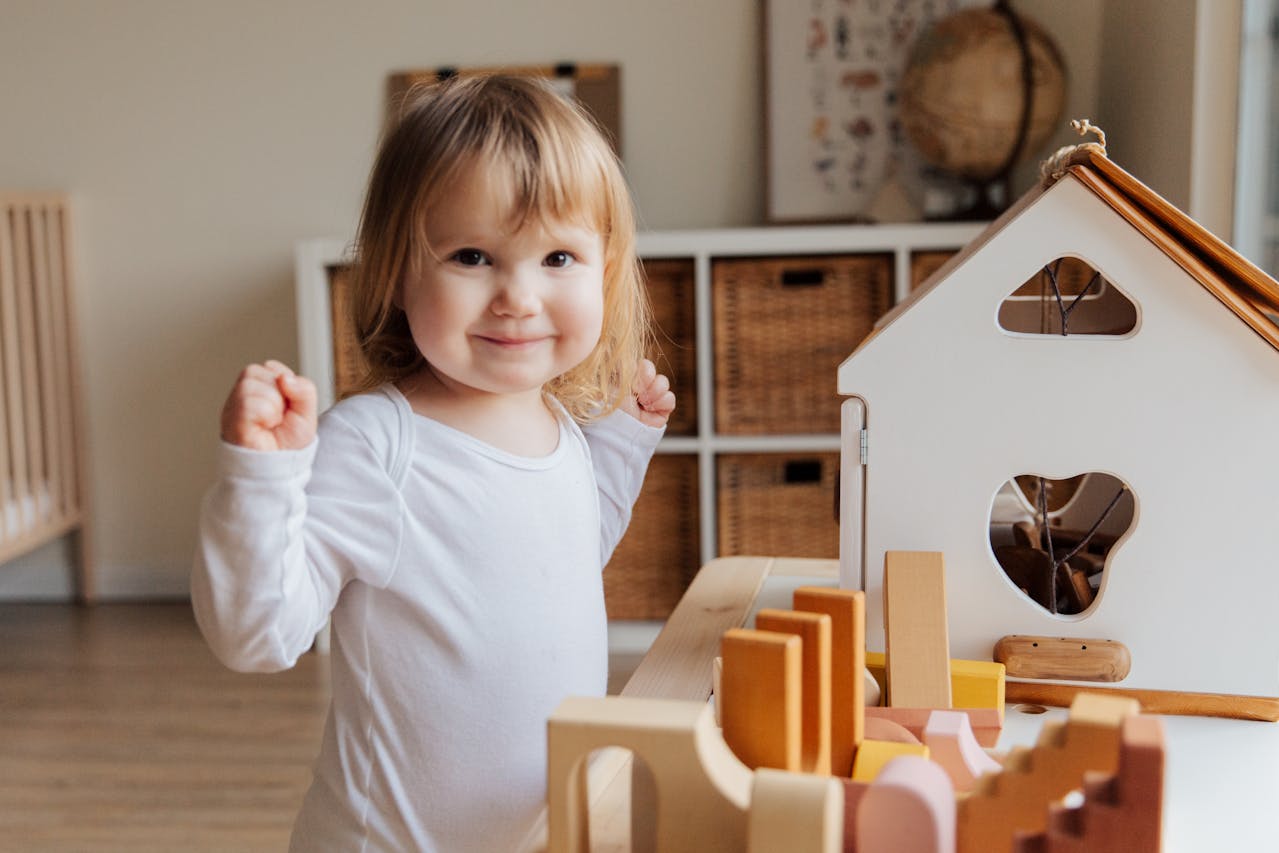
A thoughtfully designed home gives children access, autonomy, and agency. It doesn’t mean transforming every room into a play area but rather making sure spaces invite participation and ownership. Children flourish when their environment quietly communicates, “You can do this yourself.”
Creating Child-Friendly Zones
Simple changes, like placing cups on a low shelf or hooks at child height, encourage kids to handle tasks independently. When children can reach their belongings without help, they naturally start managing daily routines such as getting dressed or preparing snacks. Montessori educators emphasize that an accessible environment boosts confidence and motivation, leading to smoother family routines.
Encouraging Safe Exploration
When homes are overly restrictive, children may grow hesitant to explore. A safe but stimulating environment, free from unnecessary hazards yet rich in opportunities, helps them learn through experience. Whether it’s helping set the table or watering plants, allowing small risks in a controlled space promotes resilience and competence.
Including Children in Home Design Choices
Involving children in small design decisions, like choosing wall art for their room or organizing a reading corner, gives them a sense of ownership. These experiences show that their opinions matter, building self-esteem while teaching collaboration and compromise.
Structuring Routines That Promote Self-Reliance
Home setups aren’t only about furniture, they’re about flow. Clear routines and designated areas for tasks help children understand expectations and take initiative. With consistency and gentle guidance, independence becomes part of daily life.
Establishing Visual Systems
Labeling bins, using picture charts, or creating color-coded storage can help younger children organize their things independently. These visual cues reduce frustration and decision fatigue. Research in early childhood development shows that visual systems support autonomy by bridging the gap between understanding and action.
Encouraging Morning and Bedtime Independence
A well-structured setup makes daily transitions smoother. Having school supplies organized in one spot or setting up a bedtime routine board helps kids take charge of their time. Over time, these small responsibilities foster time management, a skill that translates into academic and personal success.
Balancing Freedom with Guidance
Independence doesn’t mean absence of structure. Parents who provide clear expectations while allowing freedom within limits create the healthiest balance. When children know the boundaries and feel trusted within them, they become more confident decision-makers.
Fostering Emotional Growth Through Home Design
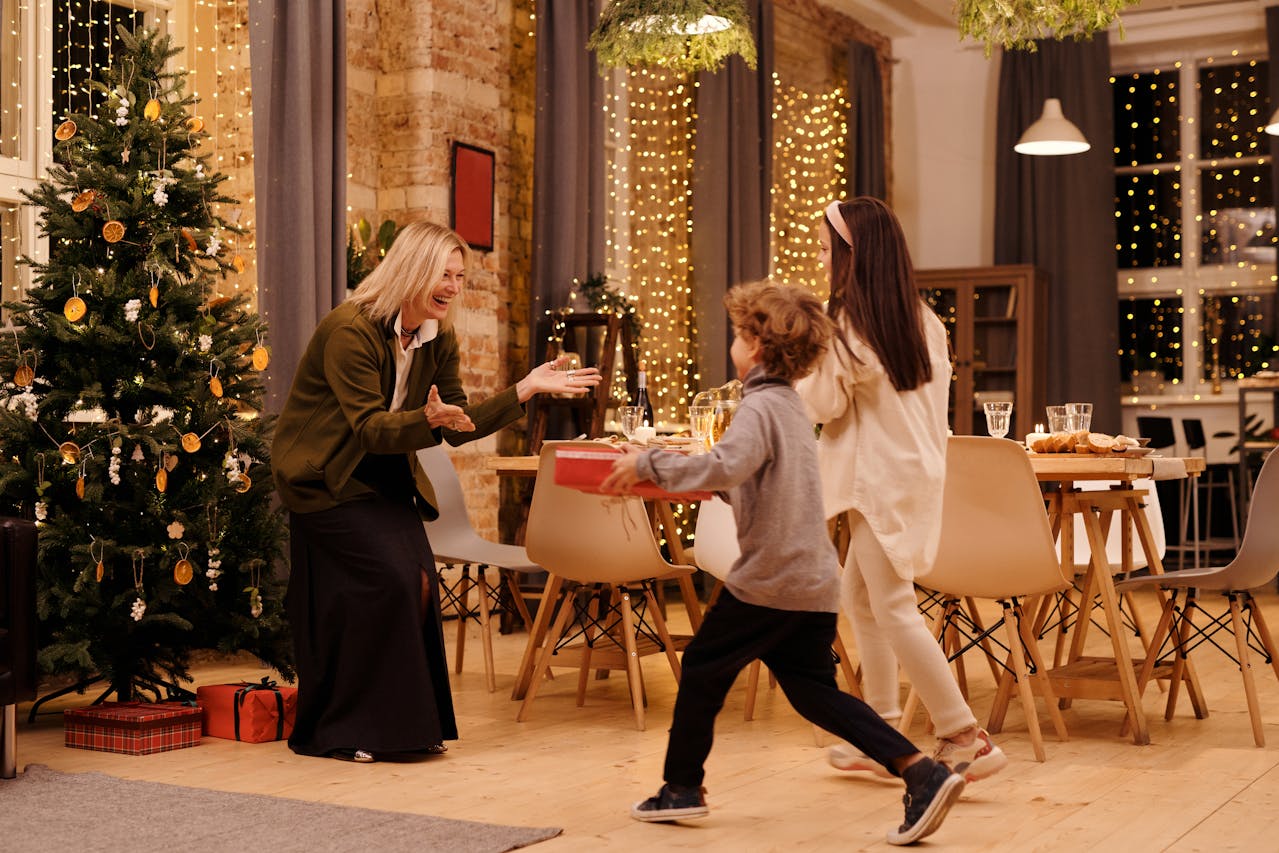
An independent child isn’t just capable, they’re emotionally secure. The way a home feels can shape how a child perceives themselves and their role in the family. A nurturing environment teaches that self-sufficiency and emotional support go hand in hand.
Creating Calm, Predictable Spaces
Children thrive in environments that feel safe and consistent. Predictable spaces, like a cozy reading nook or a quiet homework area—help regulate emotions and focus. Research links organized, calm home environments to lower stress levels in children and improved behavior.
Teaching Care and Responsibility for Belongings
When children have personal spaces to maintain, like a small shelf or drawer, they learn to take pride in caring for their possessions. Cleaning up isn’t just tidying, it’s an early form of stewardship that strengthens responsibility and self-discipline.
Encouraging Reflection and Family Connection
Designating family areas for shared meals or discussions reminds children that independence doesn’t mean isolation. These spaces create a rhythm of togetherness that balances self-sufficiency with belonging. Emotional growth flourishes when children feel both capable and connected.
Building Homes That Shape Confident Futures
A home that encourages independence does more than foster order, it shapes identity. It tells children that their efforts matter, their opinions are valued, and their capabilities are trusted. When kids learn to navigate their environment with confidence, they carry that sense of agency into the world. A home that nurtures independence today creates empowered, resilient adults tomorrow.