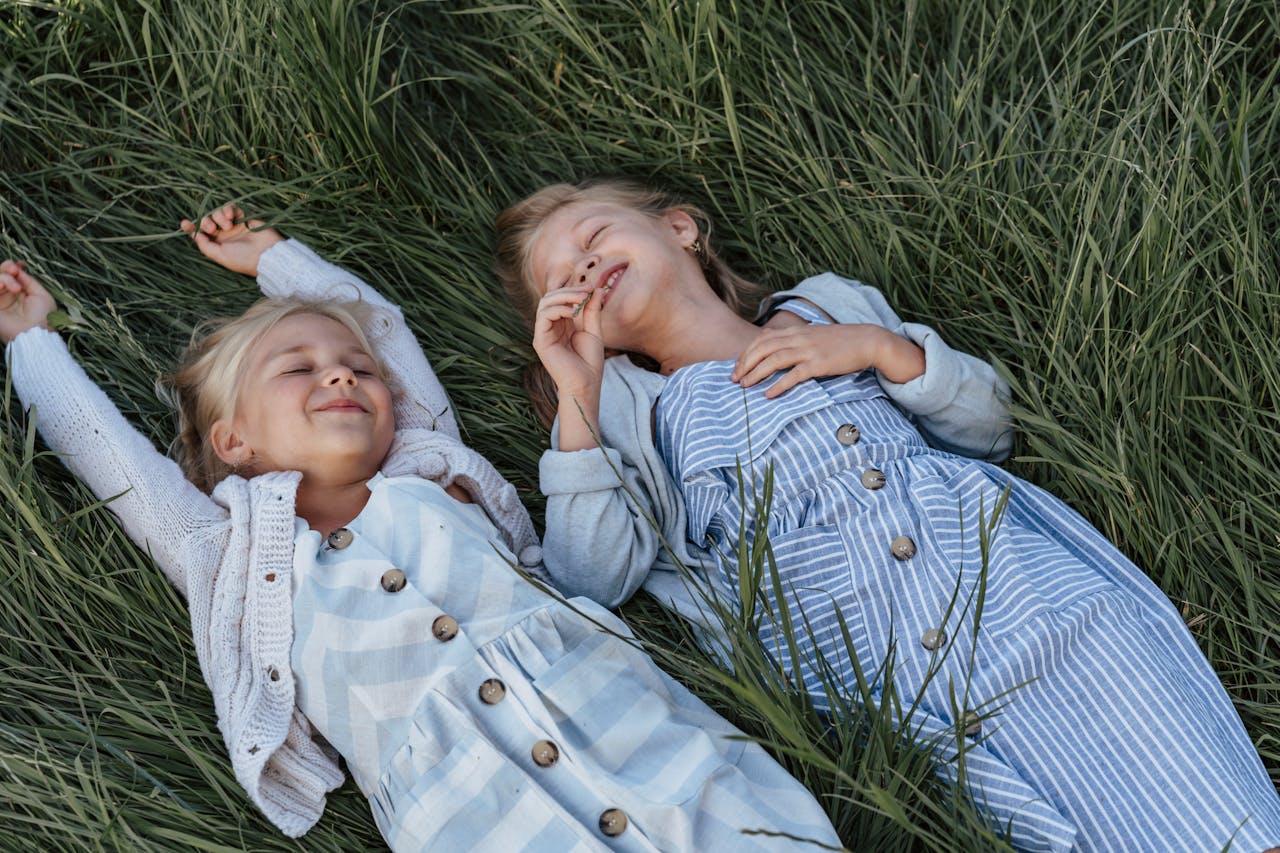
In a world that moves fast and pulls people in different directions, helping siblings grow up with a deep, lasting bond is one of the greatest gifts a parent can give. Sibling closeness isn’t something that just happens—it’s shaped by daily interactions, emotional guidance, and how conflict is handled in childhood. While siblings may bicker, compete, or drift at times, the foundation laid at home can keep their connection strong for decades.
The goal isn’t to force harmony, but to create a family culture where empathy, respect, and shared memories keep them coming back to each other. When siblings grow up in an environment that prioritizes emotional safety, mutual support, and shared joy, they learn to value—not just tolerate—one another. Here’s how to nurture that kind of lifelong bond.
The Early Years: Create a Shared Sense of Belonging
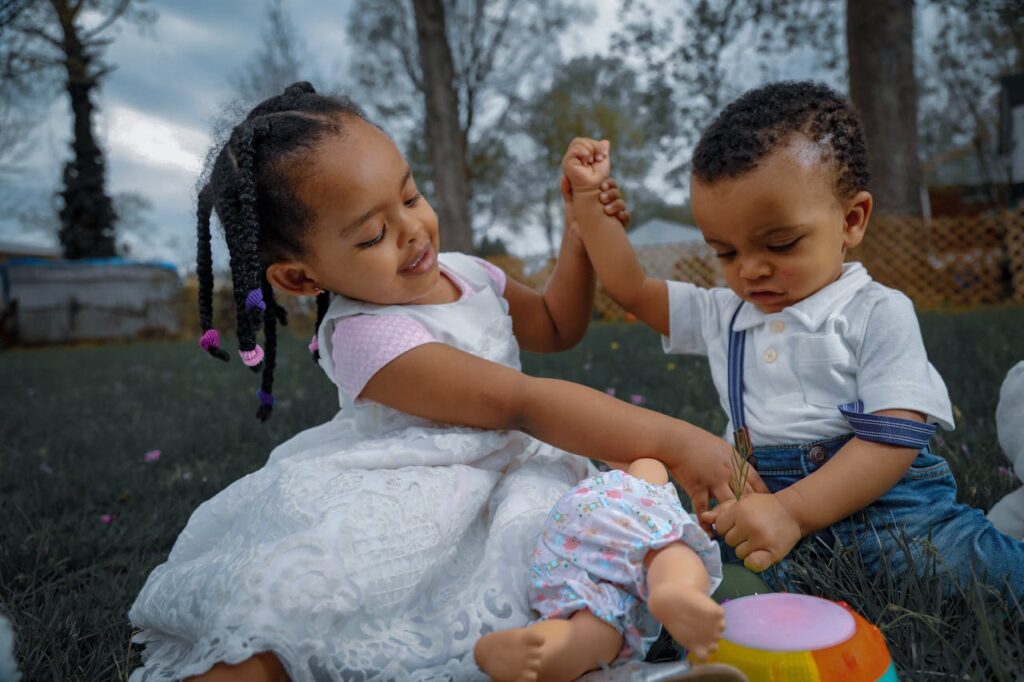
In the early years, siblings are still figuring out how to share space, attention, and toys. It’s normal for rivalry to pop up, but these moments can also teach powerful lessons in empathy and cooperation. Rather than constantly stepping in to prevent conflict, focus on coaching your children through it. Help them name their feelings and consider each other’s perspectives.
Modeling fairness and kindness is essential at this stage. Try to avoid labeling one child as “the good one” or “the troublemaker,” which can build resentment. Celebrate their uniqueness while also highlighting their shared identity as part of the same family.
Turn Conflict Into Connection
Conflict is inevitable between siblings—but it doesn’t have to create distance. When a fight breaks out, instead of blaming, help them reflect. Ask, “What do you think your brother felt when that happened?” or “How can we fix this together?” These questions teach problem-solving without shame.
By helping siblings resolve disagreements respectfully, you’re teaching them to repair, not retreat. Over time, they’ll learn that even when things go wrong, the relationship can still be safe and strong.
Encourage Cooperative Play
Create opportunities for siblings to build together, not just play side by side. Set up activities like building a fort, making a snack, or working on a puzzle. These shared experiences help them practice communication, teamwork, and compromise.
Instead of jumping in with solutions, let them figure things out—with gentle support nearby. When they learn they can rely on each other, the seeds of long-term friendship begin to grow.
The Middle Years: Foster Appreciation and Individual Identity
As children grow, so do their differences. One may be loud and playful, the other quiet and sensitive. This stage is all about teaching siblings to see those differences as strengths, not threats. Encourage them to cheer for each other’s talents and respect each other’s quirks.
Avoid comparing them, even in subtle ways. Phrases like “Why can’t you be more like your sister?” chip away at connection. Instead, help them appreciate each other’s unique contributions to the family. When children feel secure in their own identity, they’re less likely to compete and more likely to connect.
Teach Them to Speak Kind Words
In the middle years, children become more aware of how words affect others. Teach them to offer compliments, express gratitude, and apologize when necessary. These habits of kindness can prevent small slights from turning into long-term hurt.
Praise not just achievements, but acts of support between siblings. “I noticed how you waited for your brother to catch up—that was really thoughtful.” These affirmations reinforce that being a good sibling matters.
Let Them Have Shared and Separate Spaces
Give siblings time to be together, but also space to be apart. Too much forced interaction can create tension, while separate time allows them to recharge and explore their own interests. When they return to each other, they often do so with more curiosity and patience.
Balance is key: shared rituals like movie night or family walks build connection, while separate hobbies or friends build self-worth. A bond rooted in choice rather than obligation is far more likely to last.
The Teen Years: Respect Their Growth While Encouraging Support
The teen years can bring distance, not just between kids and parents, but between siblings too. Interests change, privacy matters more, and peer relationships take center stage. Still, this phase offers powerful chances to reinforce loyalty and understanding between siblings.
Respect their need for independence, but continue to encourage small points of connection—inside jokes, helping each other with school, or just sitting together without pressure to talk. Normalize emotional vulnerability by sharing your own challenges and listening without judgment when they open up.
Create Traditions That Stick
Family rituals can act as anchors when teen life feels chaotic. Whether it’s Sunday pancakes, summer trips, or annual game nights, these traditions become touchstones siblings can look back on—and forward to.
Let them have input in what these rituals look like so they feel ownership. These shared memories are the threads that keep siblings connected even when life pulls them in different directions.
Let Them Be a Source of Support, Not Stress
Teens often face pressure in school, friendships, and self-image. Siblings can be powerful allies—but only if home feels like a judgment-free zone. Encourage them to ask each other for advice or simply to hang out when things feel overwhelming.
Reinforce that they don’t need to fix each other’s problems—just being there counts. When they learn to show up for one another emotionally, they’re building trust that will stretch far beyond the teenage years.
Into Adulthood: Supporting Their Lifelong Bond

Even after they’ve moved out, siblings carry the tone of their early relationship with them. A strong bond formed in childhood doesn’t disappear—it evolves. Encourage regular check-ins, group texts, and spontaneous get-togethers. Celebrate their shared milestones and support their individual ones.
As a parent, resist the urge to stay overly involved in their adult dynamics. Trust what you’ve built. If the foundation was love, empathy, and respect, that bond will continue to deepen in its own way and time.
Cheer for Their Friendship, Not Just Their Successes
As your kids grow into adults, keep noticing and naming their connection. “I love how you two support each other,” or “It makes me so happy to see you laughing together.” These reminders reflect how much value you place on their bond—not just their individual achievements.
Let them know that closeness is something to be proud of and protected. Sometimes all it takes is a little encouragement to remind siblings that they’re not just relatives—they’re lifelong allies.
What Lasts Is the Love They Build Together
Sibling closeness doesn’t come from never fighting or always agreeing—it comes from a shared history of showing up for each other. It’s built in the small, consistent acts of empathy, support, and repair that happen across the years. You don’t have to control the future of their relationship. You only have to nurture the soil in which it grows.
Let them grow at their own pace, in their own direction. Trust that the love they build together will hold—through change, through distance, and through every season of life. What you’re helping create isn’t just childhood memories—it’s a lifelong friendship.