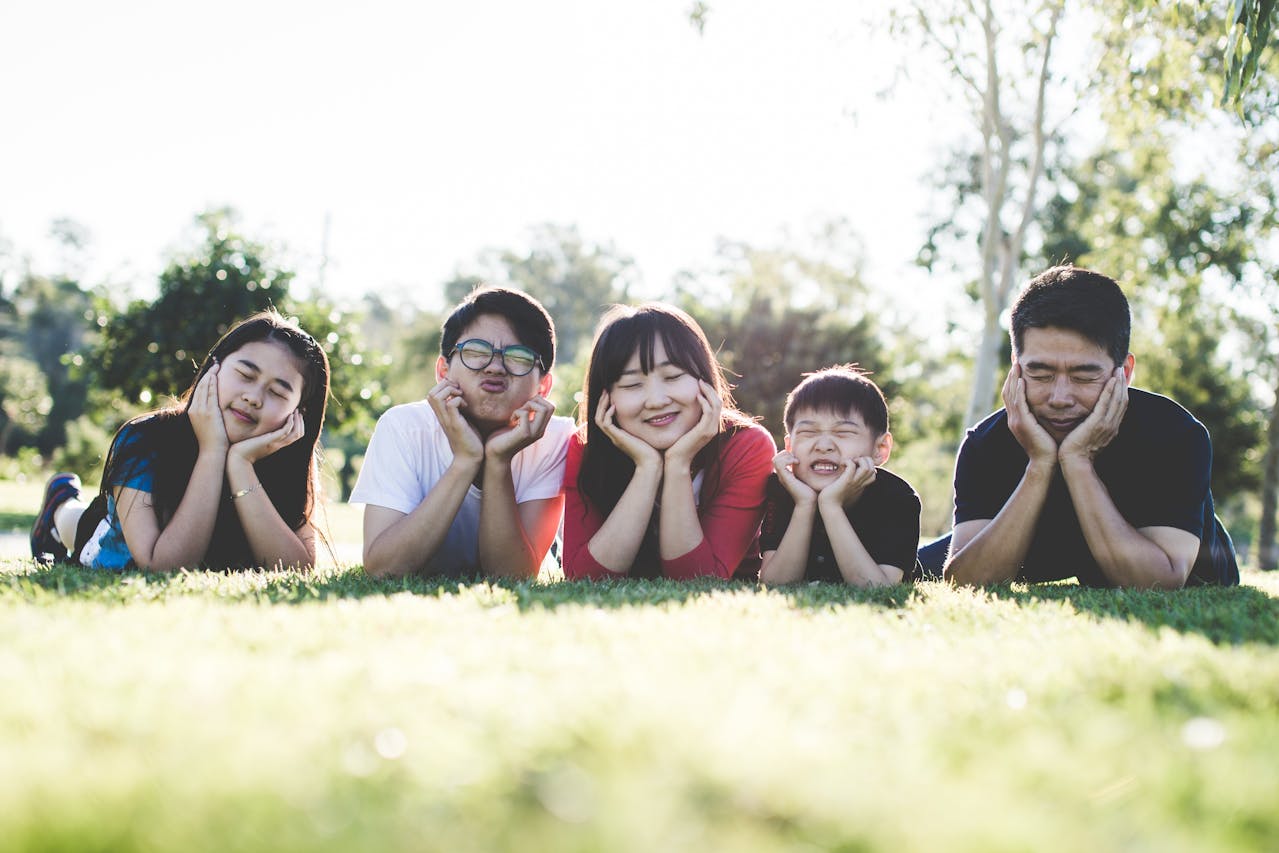
Family culture isn’t built in a single moment—it forms slowly, through repeated rhythms, shared values, and the way you show up for one another each day. It’s in the meals you eat together, the stories you tell, the way you handle mistakes, and how you celebrate each other. The culture you create becomes the emotional soil your children grow in—and eventually, the one they draw from when raising families of their own.
A strong family culture doesn’t mean perfection. It means clarity, consistency, and care. When your children experience that deep-rooted sense of belonging, they carry it forward not just in memory—but in how they live, love, and lead.
The Early Years: Laying the Foundation With Love

In the early stages of family life, your routines, tone, and touch become the first bricks of your culture. Every diaper changed with gentleness, every bedtime story told with warmth, begins to shape what love looks like in your home.
Culture at this stage is mostly nonverbal—it’s the way you respond to cries, how you slow down to connect, and how safe your child feels in your presence. These years are about building trust, not just through affection, but through reliability. Even the simplest rituals—like singing the same song each night—help children feel rooted and secure.
Keep It Simple and Repetitive
Young children thrive on routine. Doing the same things, in the same way, gives them a sense of stability that’s foundational for emotional growth. Whether it’s a Friday pizza night or a morning cuddle on the couch, small predictable patterns speak volumes.
Let Love Be Loud
In the early years, don’t shy away from expressing love openly. Say “I love you” often. Celebrate their smallest efforts. Respond to mistakes with gentleness. This open-hearted approach teaches your child that love is not something they earn—it’s something they can trust will always be there.
The Middle Years: Building a Language of Belonging
As children enter school and become more aware of the world around them, your family culture begins to take clearer shape. They start to notice how problems are solved, how people are treated, and how emotions are handled.
This is the time to start naming your values, modeling them, and inviting your kids to take part in shaping family life.
What matters now is not only what you say, but what you consistently do. Children at this stage start asking, “Who are we?” and “Where do I belong?” Family traditions, shared responsibilities, and meaningful conversations all become anchors for a sense of identity.
Create Traditions That Reflect Your Values
These don’t have to be elaborate. Maybe it’s a gratitude jar at dinner, volunteering together monthly, or a yearly “kindness week.” The key is consistency. Traditions help your child feel like they’re part of something bigger than themselves—something lasting.
Invite Their Voice
Involve your children in decisions when possible. Let them choose the weekend meal or contribute ideas for family outings. When they feel that their voice matters, they grow up with a sense of empowerment and mutual respect.
This also helps them develop critical thinking skills as they weigh options and consider consequences. They learn that their opinions have value and that collaboration can lead to better outcomes. Encouraging this kind of participation builds their confidence and prepares them for making thoughtful decisions on their own.
Over time, it fosters a family culture of trust and open dialogue where everyone feels heard and respected.
The Teen Years: Letting Go While Staying Grounded
As your children enter adolescence, your family culture is tested—but also deepened. Teens are searching for independence, yet still need grounding. They may challenge rules or question values, but underneath the surface, they’re asking, “Is this still a safe place for me to be myself?”
The culture you’ve been building becomes your greatest asset during these years. It acts as a soft landing, offering connection without control. Your job isn’t to hold on tightly—but to hold space for their growing identity while still standing firm in what your family stands for.
Choose Influence Over Control
Teens resist being managed, but they still crave guidance. Shift from commanding to mentoring. Offer your perspective, then ask for theirs. Let the relationship become more mutual, without letting go of the core values you’ve taught all along.
Make Room for Real Conversations
Talk about more than rules or responsibilities. Ask about their dreams, their fears, the things they care about. Share your own challenges too. When you lead with authenticity, they feel invited to do the same—and the family culture becomes one of openness and trust.
Passing It On: What Stays When They Leave

Eventually, your child grows up and steps into the world. But your family culture doesn’t stay behind—it travels with them. It’s in how they speak to others, how they approach conflict, and how they define home for themselves.
The true measure of family culture is not just in what happens while you’re all under one roof. It’s in how your child carries your presence with them in hard times, in decisions, and in relationships. The small, daily acts of love and intention become part of their internal compass.
Let Them Carry the Best of It
You can’t control what your children will remember—but you can choose what to model. Show them how to apologize, how to repair, how to show up even when it’s hard. These lessons, absorbed quietly over time, become their guideposts in adulthood.
And through your example, they learn the strength of kindness and resilience. Over time, these small acts build their character and shape the way they relate to the world.
What you live daily becomes the foundation of who they become tomorrow.
Trust the Seeds You’ve Planted
You won’t always see the impact right away. Sometimes, it’s only when your child is grown that you see your values reflected in them. Trust that every story shared, every emotion held, and every boundary kept has left an imprint. Family culture, when built with care, doesn’t fade—it roots itself deeply.
What Lasts Beyond Childhood
The years pass quickly, but what remains is the emotional tone you’ve created—the way your home felt, the way you made your children feel seen and safe. A strong family culture doesn’t vanish when your kids move out; it lives on in how they treat others, how they navigate challenges, and how they show up in their own families someday.
What you’re building now isn’t just a set of rules or routines—it’s a deep, inner sense of identity and belonging. When children grow up in a culture of respect, warmth, and emotional safety, they carry that forward like a compass, pointing them home—wherever life takes them.