American drinking culture has shifted dramatically over the last decade, and 2026 reflects the latest phase of this transformation. Younger generations, health-conscious consumers, and social changes are reshaping when, where, and how alcohol is consumed. Traditional bars and beer-centric gatherings coexist with craft cocktails, non-alcoholic options, and home-based experiences. The evolution of alcohol consumption mirrors broader societal trends, including wellness, sustainability, and digital convenience. What was once a largely social habit is now more personal, selective, and mindful.
Rise of Low- and No-Alcohol Beverages
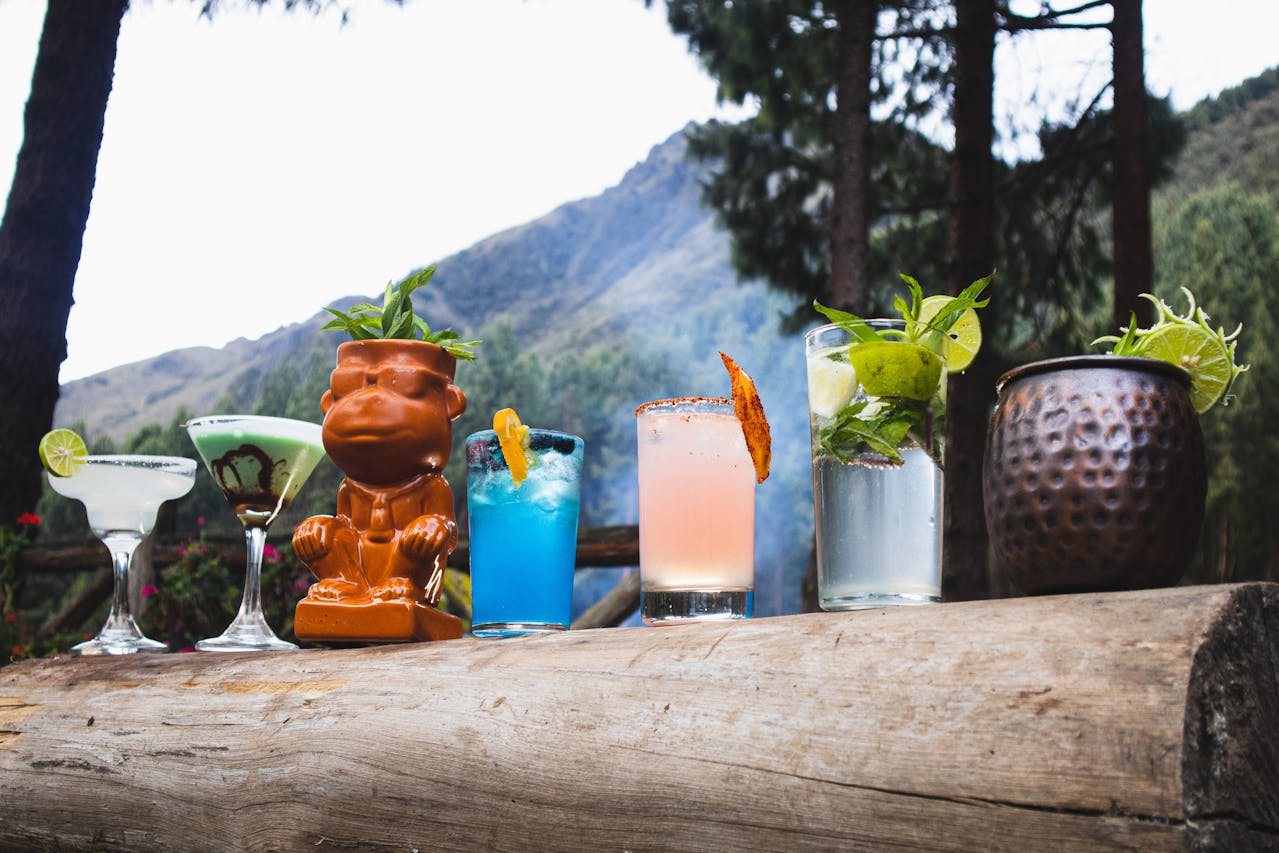
Non-alcoholic beers, wines, and spirits have surged in popularity. Nielsen reported that U.S. sales of non-alcoholic beverages grew 36% between 2022 and 2025. Millennials and Gen Z are driving this trend, motivated by health, fitness, and productivity considerations. Drinking has become less about intoxication and more about flavor, ritual, and social inclusion. Bars and restaurants now dedicate entire menus to alcohol-free options, signaling permanence rather than novelty.
Health-Conscious Choices
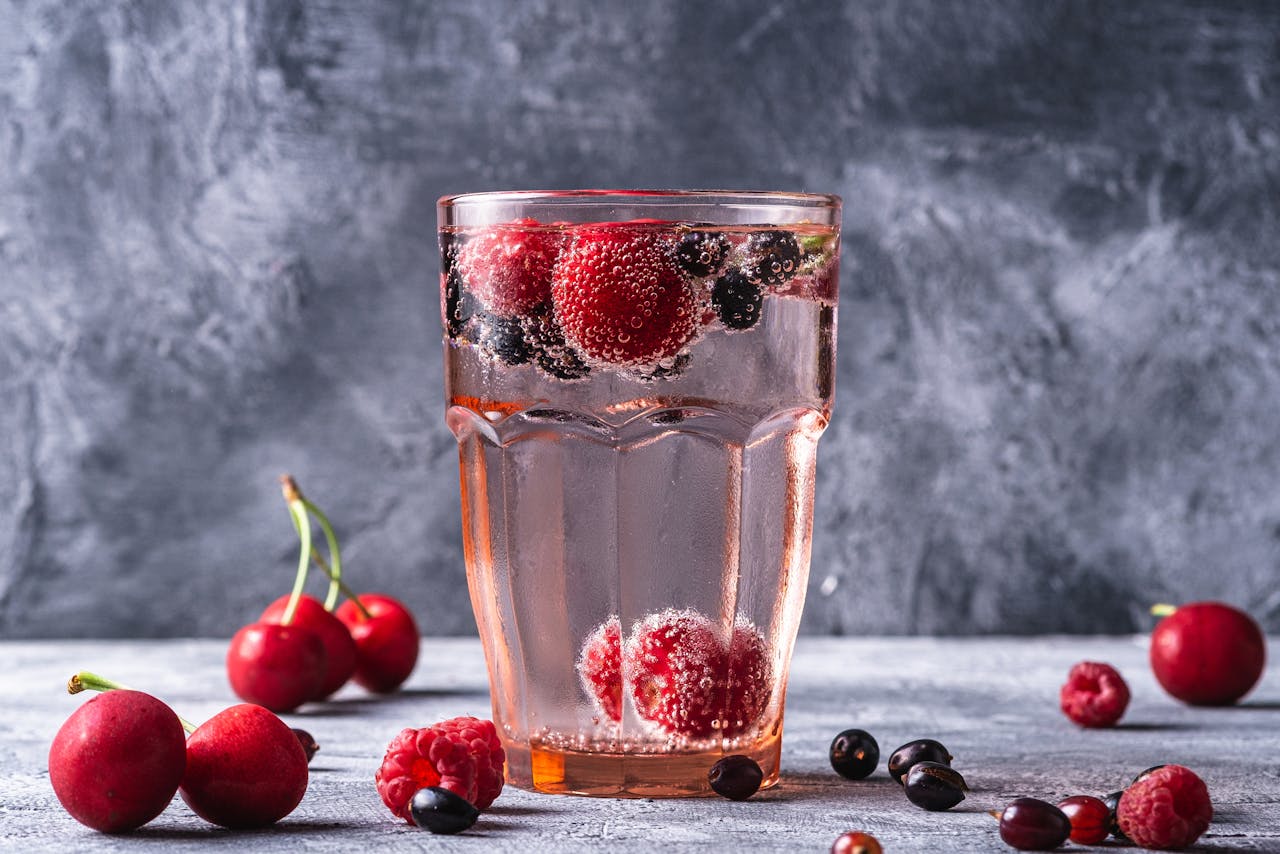
Calorie awareness and wellness culture are increasingly influencing drinking habits. The CDC highlighted in 2024 that excessive alcohol consumption remains a major health risk, prompting many to moderate intake. Consumers favor low-calorie, lower-ABV (alcohol by volume) beverages. Kombucha-based cocktails, spritzers, and mocktails reflect a balance between indulgence and wellness. Drinking now aligns with broader health-focused lifestyles, emphasizing moderation without sacrificing enjoyment.
Craft and Local Focus
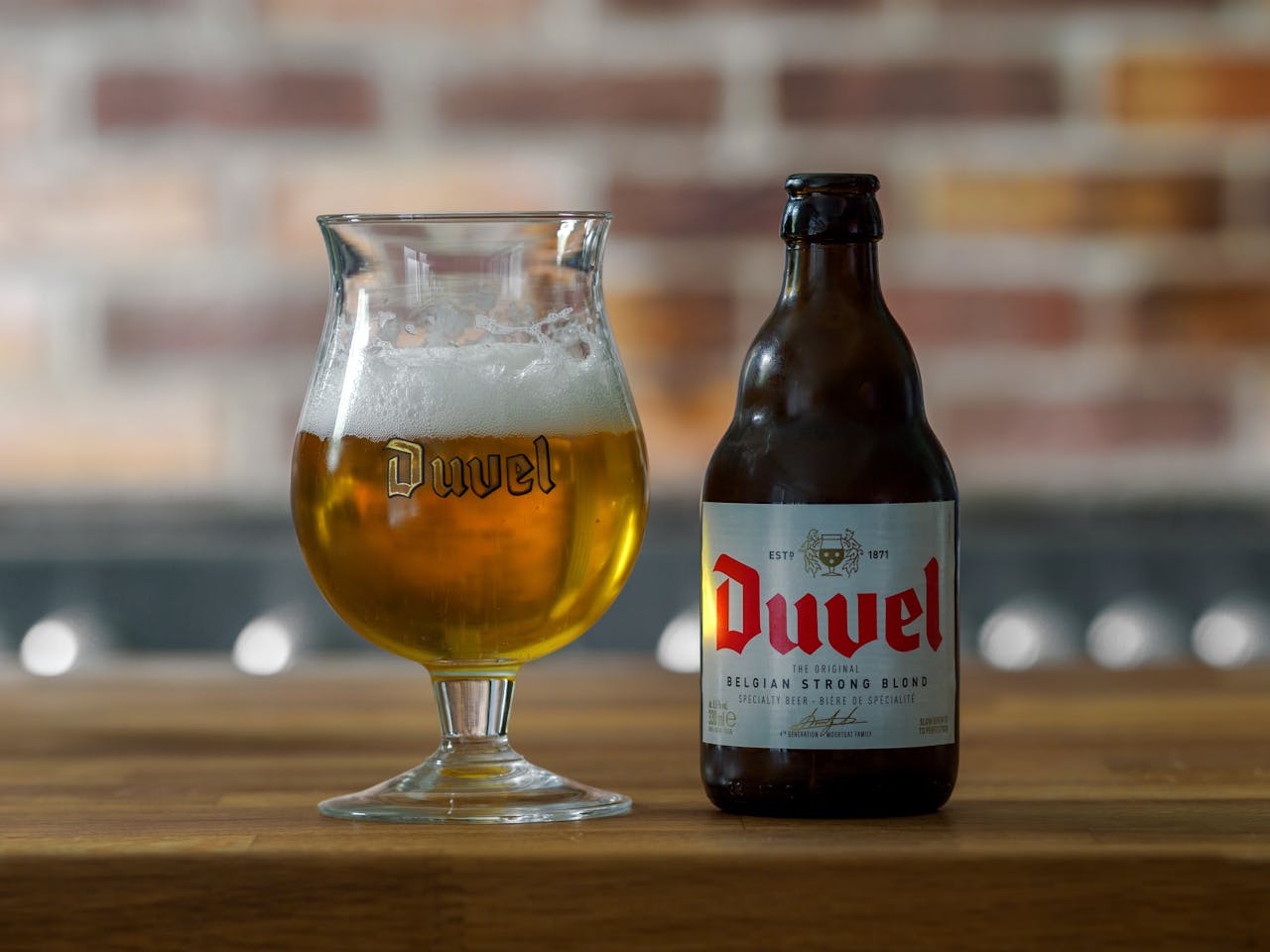
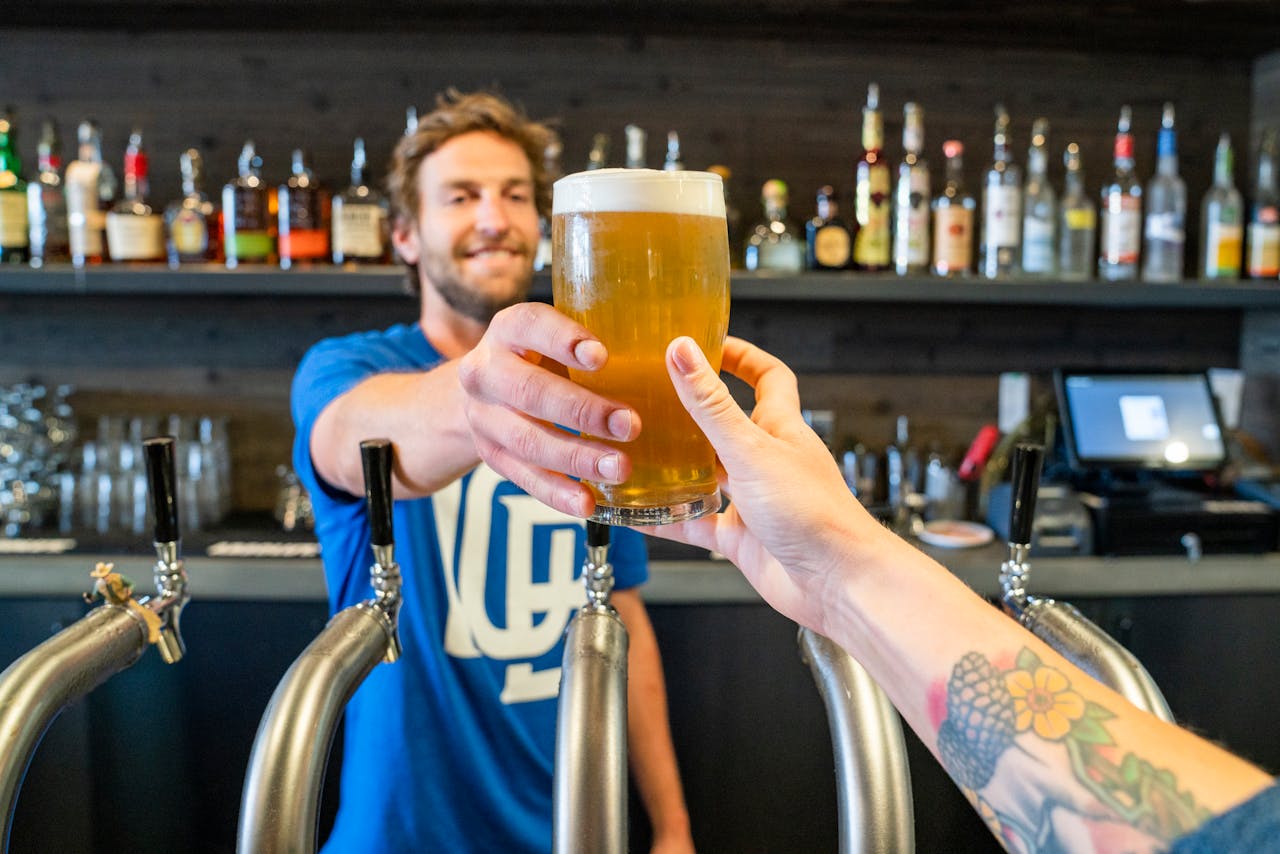
Americans are gravitating toward craft breweries, distilleries, and small-batch producers. The Brewers Association reported that craft beer accounted for 27% of the U.S. market in 2025, up from 23% in 2020. Consumers increasingly prioritize quality, uniqueness, and local identity over mass-market brands. Tasting experiences, tours, and artisanal events have become social activities. This trend reflects a cultural shift toward authenticity, storytelling, and community engagement in alcohol consumption.
Home-Based Drinking Experiences
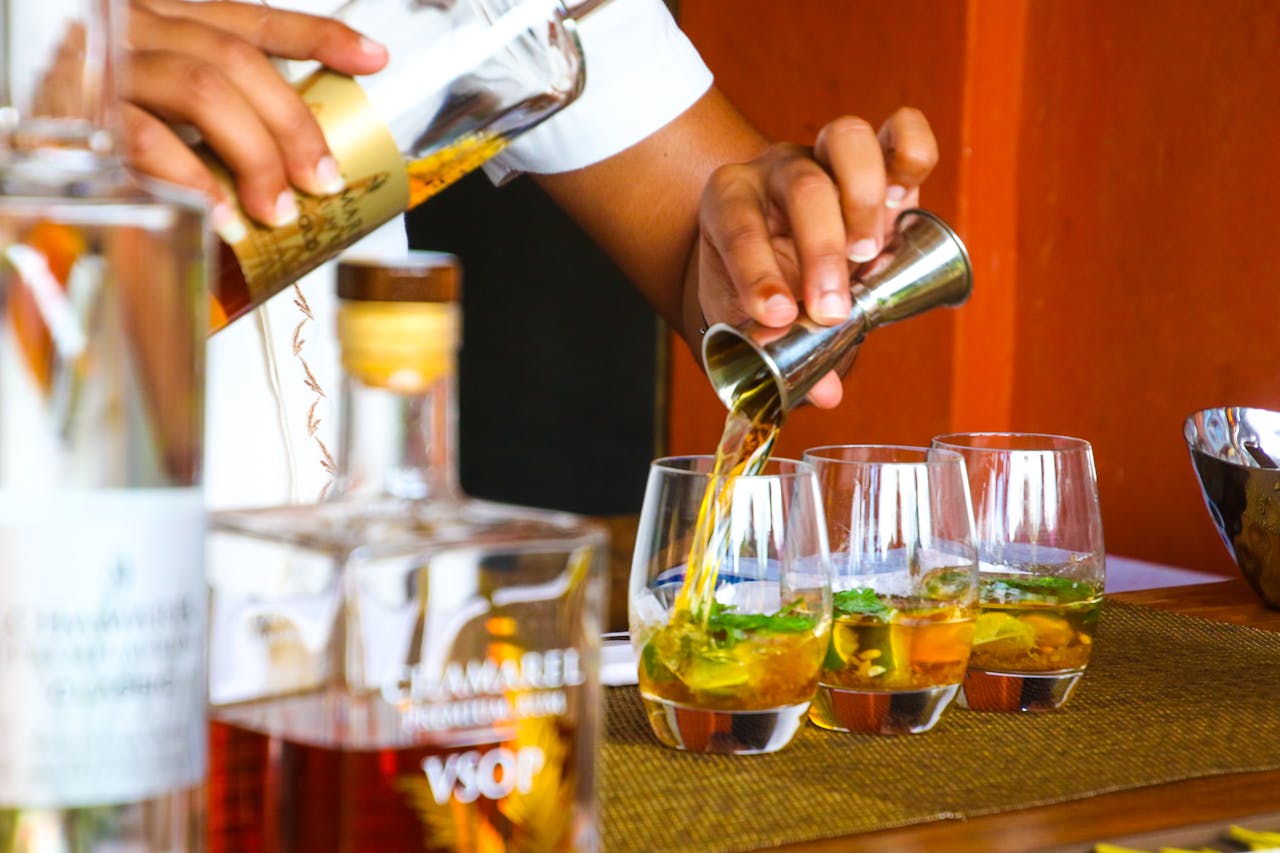
Home mixology and personalized drinking experiences continue to expand. The COVID-19 pandemic accelerated home drinking practices, and many Americans maintain elaborate home bars and cocktail setups. According to a 2023 Beverage Marketing Corporation survey, 42% of U.S. adults mix cocktails at home weekly. Recipe apps, subscription kits, and smart appliances have made experimentation easy. Home drinking allows greater control over ingredients, pacing, and social context.
Social Media and Alcohol Trends
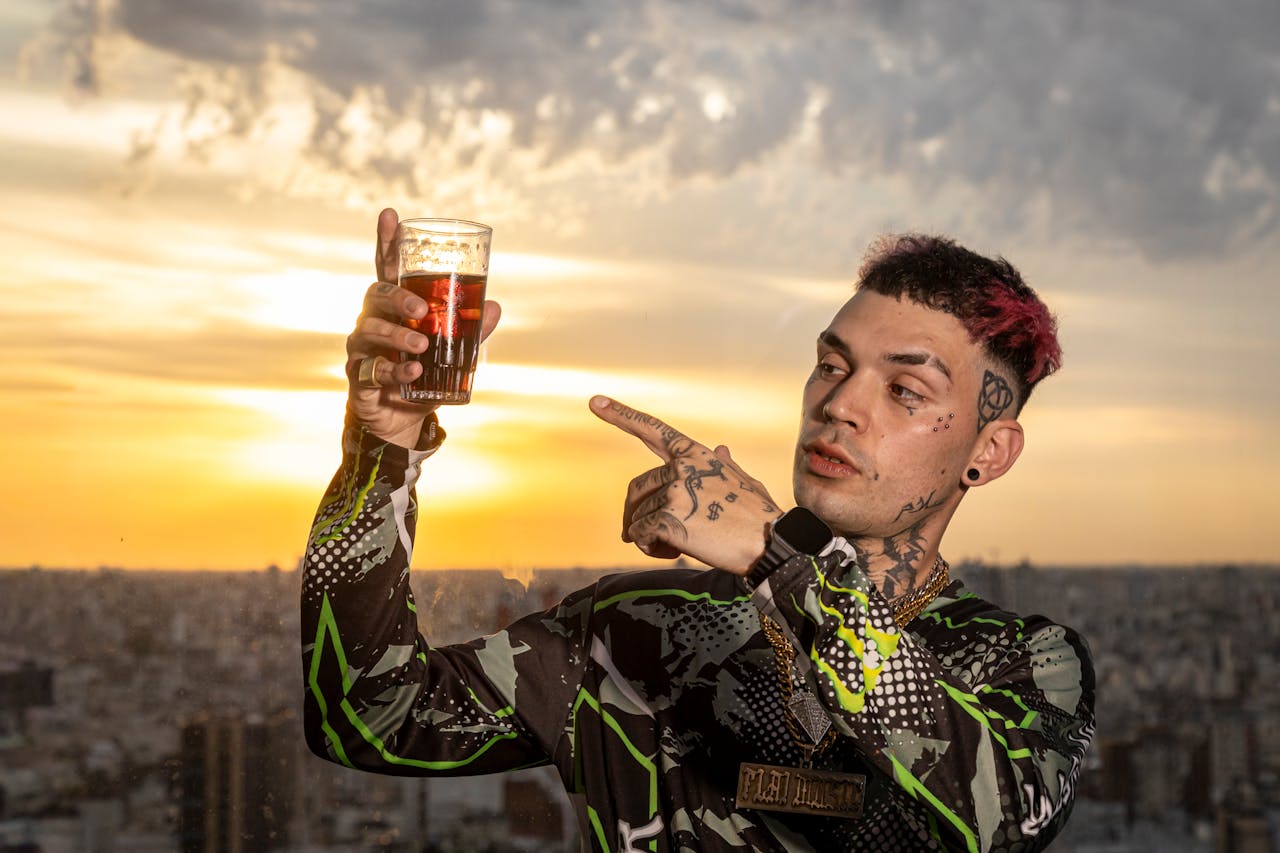
Instagrammable cocktails, TikTok drink challenges, and influencer-endorsed beverages shape perceptions of what is trendy. Drinks are curated not only for taste but also for visual appeal. According to Data.ai, alcohol-related content engagement on social media grew 22% from 2022 to 2025. Consumers share experiences, tips, and recipes, influencing peers and expanding the culture of mindful drinking. Social media amplifies both creativity and peer influence in drinking habits.
Shift Away from Heavy Drinking
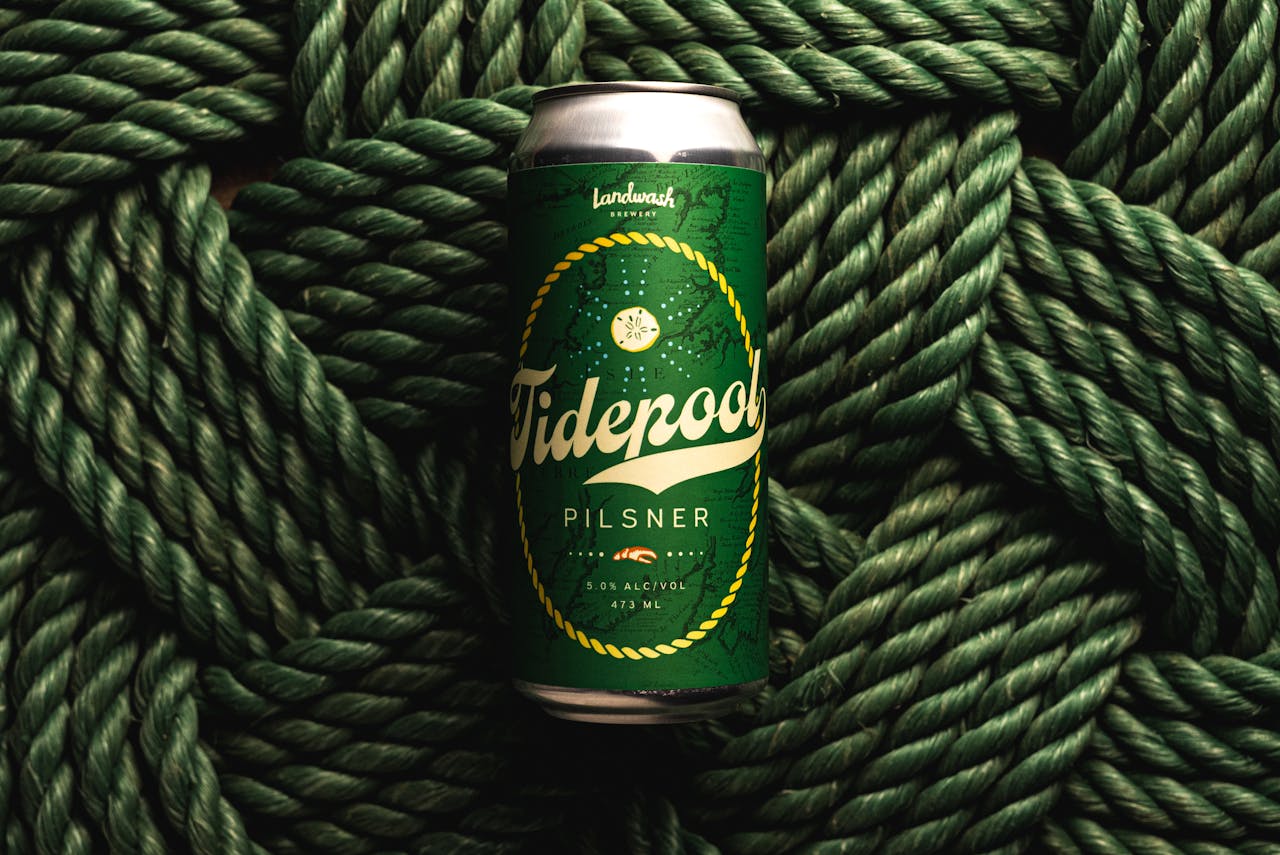
Heavy episodic drinking, once a central feature of college and young adult culture, is declining. The National Institute on Alcohol Abuse and Alcoholism (NIAAA) reported a 13% decrease in binge drinking rates among adults aged 18–34 between 2018 and 2024. Responsible consumption is increasingly normalized. Bars and nightclubs now market moderation, offering smaller pours, tasting flights, and low-ABV options. The shift reflects broader wellness values and generational perspectives on alcohol’s role in life.
Gender-Neutral Drinking Spaces
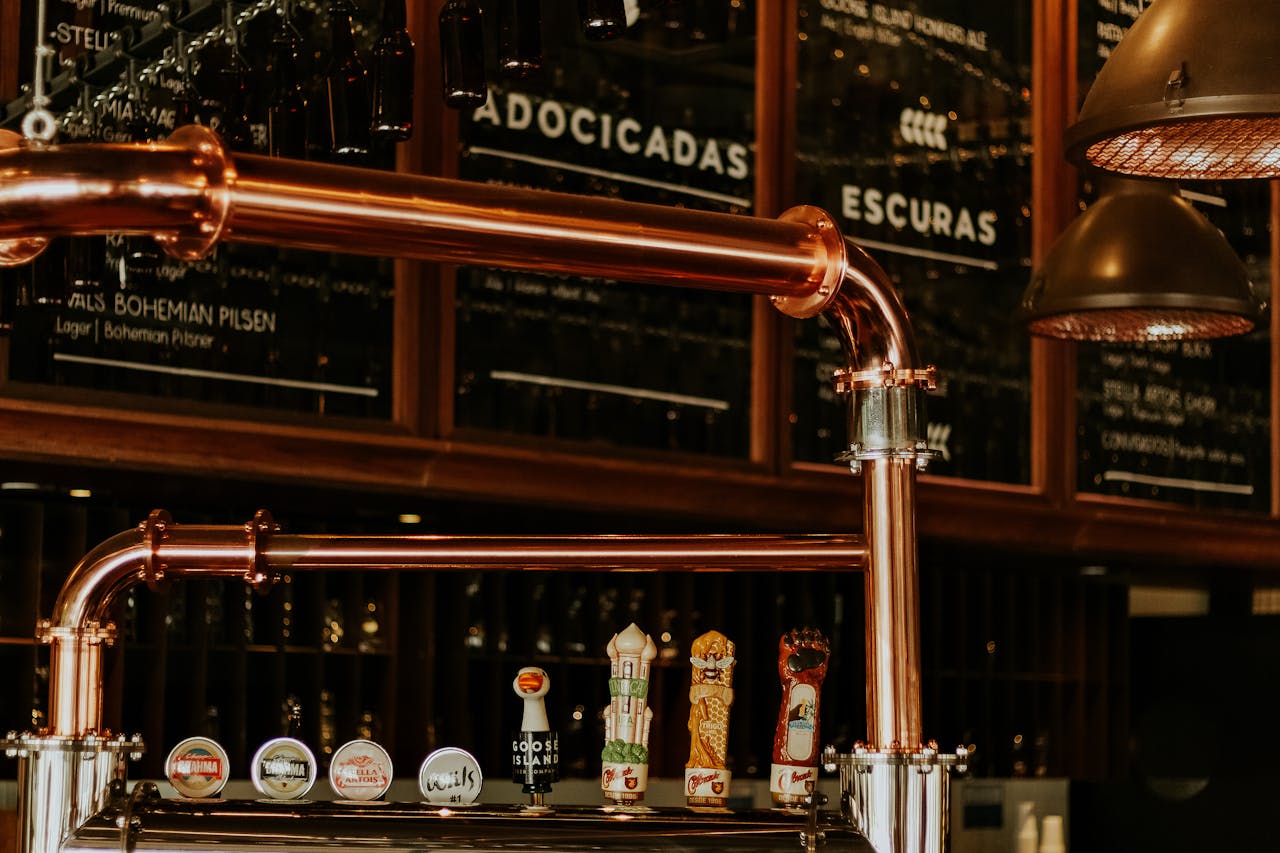
Traditional “men’s bars” and “ladies’ nights” are being replaced by inclusive venues. Breweries, taprooms, and cocktail bars cater to diverse gender identities and social preferences. According to a 2025 IBISWorld report, establishments emphasizing inclusive environments grew faster than conventional bars. This cultural evolution promotes comfort, safety, and shared experiences. Drinking spaces now prioritize community and equality over outdated stereotypes and segmented marketing.
Alcohol and Sustainability
Environmental awareness is reshaping production and consumption. Breweries and distilleries emphasize organic ingredients, local sourcing, and carbon-neutral practices. Packaging innovations like recyclable cans and refillable bottles have gained traction. The National Restaurant Association reported in 2024 that 37% of alcohol-serving businesses implemented sustainability measures. Consumers increasingly consider the environmental footprint of their drinking choices. Sustainability has become a permanent consideration in modern drinking culture.
Mindful and Intentional Drinking
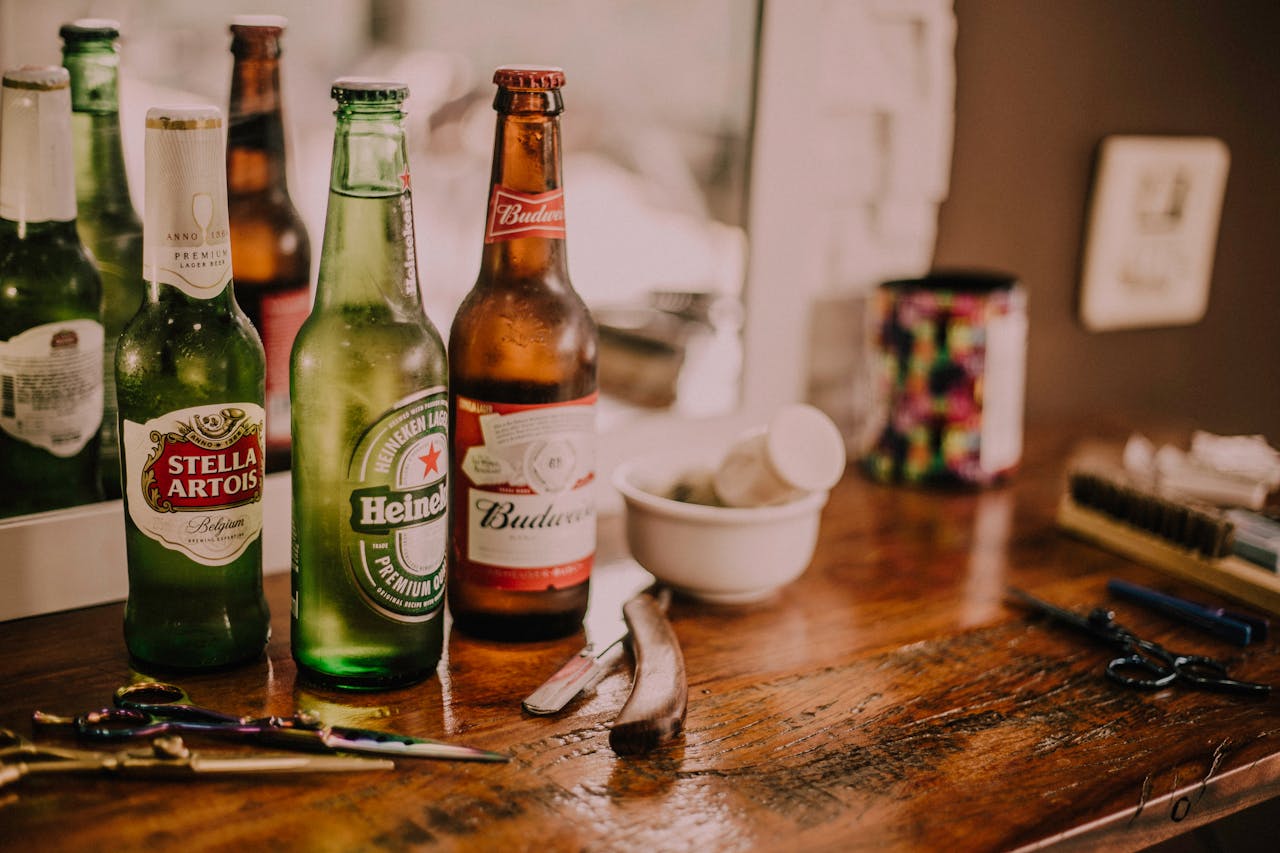
Mindful consumption, including pacing, journaling, and reflective enjoyment, is becoming mainstream. Apps like DrinkControl and Moderation Management help individuals track consumption and understand patterns. Americans are viewing alcohol as part of a ritualized experience rather than a necessity. Focus has shifted from quantity to quality, flavor, and social enjoyment. This trend underscores a broader cultural preference for intentional living and self-awareness.
Digital Ordering and Delivery
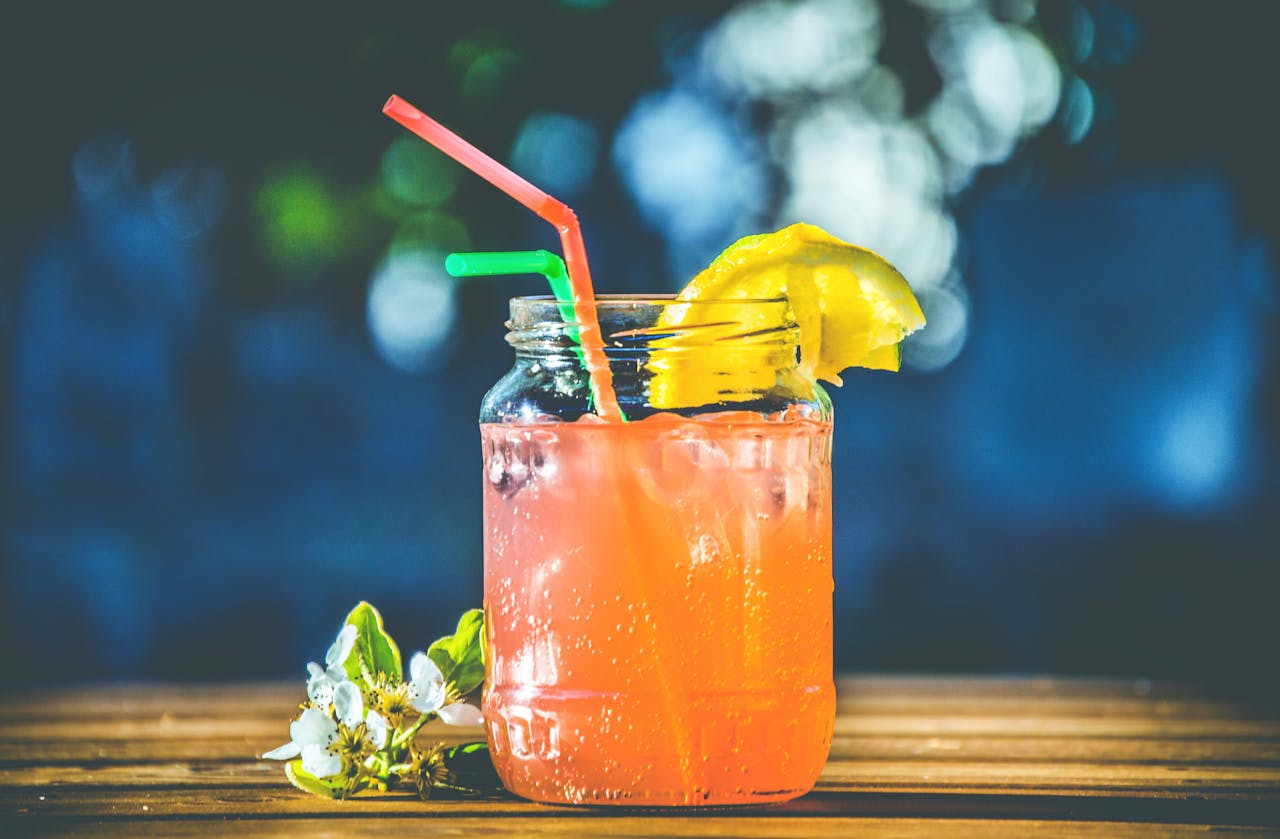
The pandemic accelerated alcohol delivery via apps like Drizly and Minibar. A 2025 Nielsen survey reported 29% of U.S. adults ordered alcohol online at least monthly. Delivery services and subscription boxes now coexist with traditional retail and bars. Consumers can access curated products, premium brands, and local options without leaving home. Digital convenience continues to shape both casual and celebratory drinking practices.
Influence of Global Flavors
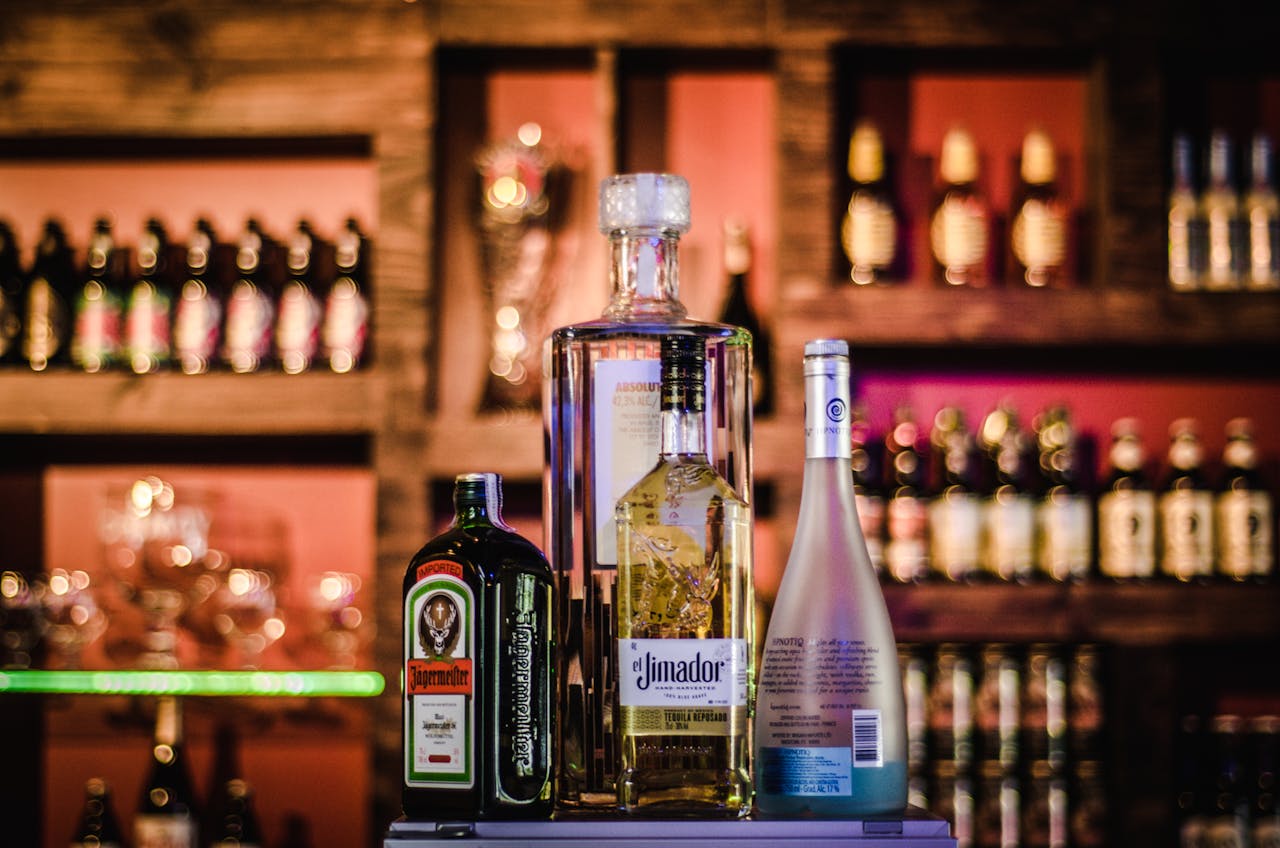
Global spirits, cocktails, and brewing traditions are shaping American tastes. Mezcal, soju, amaro, and international beer styles are increasingly mainstream. Cocktail culture emphasizes cross-cultural ingredients and creative pairings. According to the Distilled Spirits Council, imports of unique spirits rose 18% between 2021 and 2025. Americans are more adventurous, blending global flavors with domestic craft traditions. This shift reflects a cosmopolitan approach to drinking and experimentation.
Alcohol Education and Awareness
Educational programs on responsible drinking are expanding beyond schools to workplaces and community groups. Organizations like MADD (Mothers Against Drunk Driving) and local initiatives promote informed choices. Surveys from the CDC show that awareness of alcohol’s health risks has increased steadily since 2020. Knowledge about moderation, effects, and safe consumption has become embedded in public consciousness. Americans now approach drinking with greater understanding, responsibility, and intentionality.
Tech-Enhanced Experiences
Augmented reality, virtual tasting rooms, and smart devices enhance home and social drinking experiences. Apps guide cocktail preparation, suggest pairings, and track flavor preferences. Bars and events incorporate QR-based menus and interactive tasting experiences. According to a 2024 report by Technomic, tech-integrated experiences increased customer engagement by 19% in U.S. beverage venues. Digital tools are now part of modern drinking culture, complementing tradition with innovation.