
In today’s fast-paced world, families often find themselves rushing from one obligation to another. Between school, extracurricular activities, and technology distractions, children rarely get the chance to experience unstructured time. Yet research in child development suggests that slowing down offers important benefits, fostering patience, emotional presence, and a healthier sense of balance. Families who embrace slower rhythms create space for deeper connections and more meaningful growth.
The Power of Slowing Down
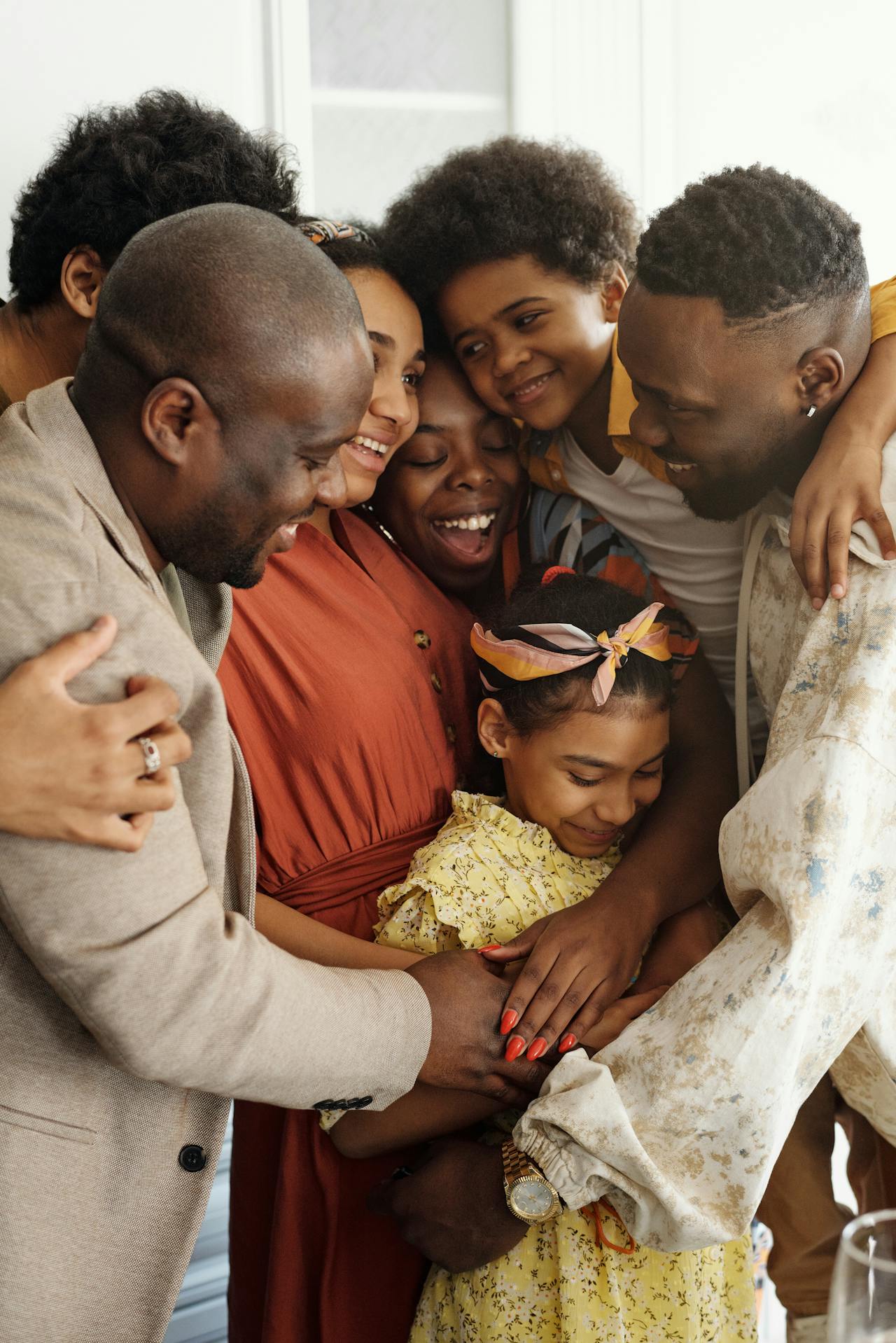
When families deliberately slow their pace, children learn that life isn’t always about speed or productivity. These pauses help kids develop patience, manage stress, and appreciate simple moments. A slower family rhythm also helps balance mental health by reducing overstimulation and allowing for reflection. For parents, it becomes a way to model mindful living and intentional choices.
Teaching Patience Through Everyday Moments
Children naturally want things immediately, but patience is learned through practice. Slowing down daily routines, like cooking a meal together or waiting for bread to rise, shows kids that good things often take time. Instead of quick gratification, they experience the reward of waiting and watching something unfold. This not only teaches patience but also helps them regulate emotions when life requires waiting.
Reducing Stress by Breaking the Hurry Cycle
Studies in psychology show that hurried lifestyles increase cortisol levels in both children and adults. When families pack their schedules too tightly, kids absorb this stress, leading to irritability, fatigue, and anxiety. By reducing unnecessary commitments, parents help children feel calmer and more grounded. Less rushing also allows for better sleep and improved focus at school.
Cultivating Mindful Awareness
Mindfulness, often practiced through slowing down, has been linked to improved attention and emotional regulation in children. When families take slow walks, practice breathing exercises, or simply sit together without devices, they reinforce the importance of being present. This mindfulness shapes how children respond to challenges, making them more resilient and empathetic.
Building Deeper Connections
A slower pace gives families the opportunity to focus on relationships rather than tasks. In doing so, children learn the value of presence over productivity. These quieter moments often become the ones kids remember most, because they involve genuine connection, not just another appointment.
Strengthening Family Bonds
When life slows down, conversations naturally flow more easily. Whether it’s a leisurely dinner or an unhurried bedtime routine, children feel heard and valued. This strengthens trust and fosters emotional security, both essential for healthy development. Such bonds become a foundation kids carry into their friendships and future relationships.
Encouraging Meaningful Play
Play is central to a child’s growth, but structured activities often dominate modern childhood. Slowing down allows for free, imaginative play, which research shows supports problem-solving and creativity. Parents who step back and let children explore without constant direction give them space to grow confidence and independence.
Modeling Emotional Presence
Children learn emotional habits from their parents. When parents slow down and give undivided attention, they model how to be emotionally present. This shows children that relationships deserve time and care, teaching empathy and consideration. Over time, kids learn that presence is more valuable than distraction.
Finding Balance in Daily Life

Balance is one of the most important lessons children can learn from a slower lifestyle. It teaches them how to manage time, prioritize health, and understand limits. Families that live more intentionally give their children tools to navigate a world that demands constant speed.
Balancing Work, Rest, and Play
Sociologists note that children benefit from routines that balance academics, chores, rest, and fun. A slower rhythm makes this balance possible by removing the pressure to do it all. Kids who grow up with balanced routines are more likely to maintain healthy lifestyles as adults.
Reclaiming Family Rituals
Rituals like weekend breakfasts, evening walks, or reading before bed help children feel anchored. These rituals may seem small, but they create consistency and comfort. When families slow down enough to maintain them, they provide children with a sense of belonging and stability.
Preparing for a Balanced Future
Children raised in constantly busy environments may struggle with burnout later in life. Teaching balance early helps prevent this. By modeling slower living, parents show kids how to prioritize mental health, relationships, and self-care alongside ambition. These lessons prepare them to navigate adult responsibilities without losing themselves.
Choosing a Slower Path
Slowing down as a family is more than just a lifestyle choice, it’s an investment in a child’s future. By teaching patience, cultivating presence, and modeling balance, parents give their children lifelong tools for resilience and well-being. In a culture that often celebrates speed, slowing down is a radical act of care. Families who embrace it discover that the richest memories come not from rushing ahead, but from fully living in the moment together.