Children don’t just learn empathy and compassion from formal lessons; they absorb them through daily life. The small acts of kindness they see and experience within the home create lasting impressions, shaping how they respond to others and understand their own emotions. By weaving kindness into family routines, parents can help children develop emotional awareness that will serve them in relationships, school, and adulthood.
Building Emotional Awareness Through Everyday Actions
Emotional awareness begins with recognizing how our actions affect others. When kindness is modeled at home, children begin to connect their behavior with feelings, both their own and those of the people around them. These lessons don’t require big gestures but rather consistent, everyday acts that communicate care and respect. Over time, such small moments form the foundation for empathy and social understanding.
Sharing Responsibilities with Care
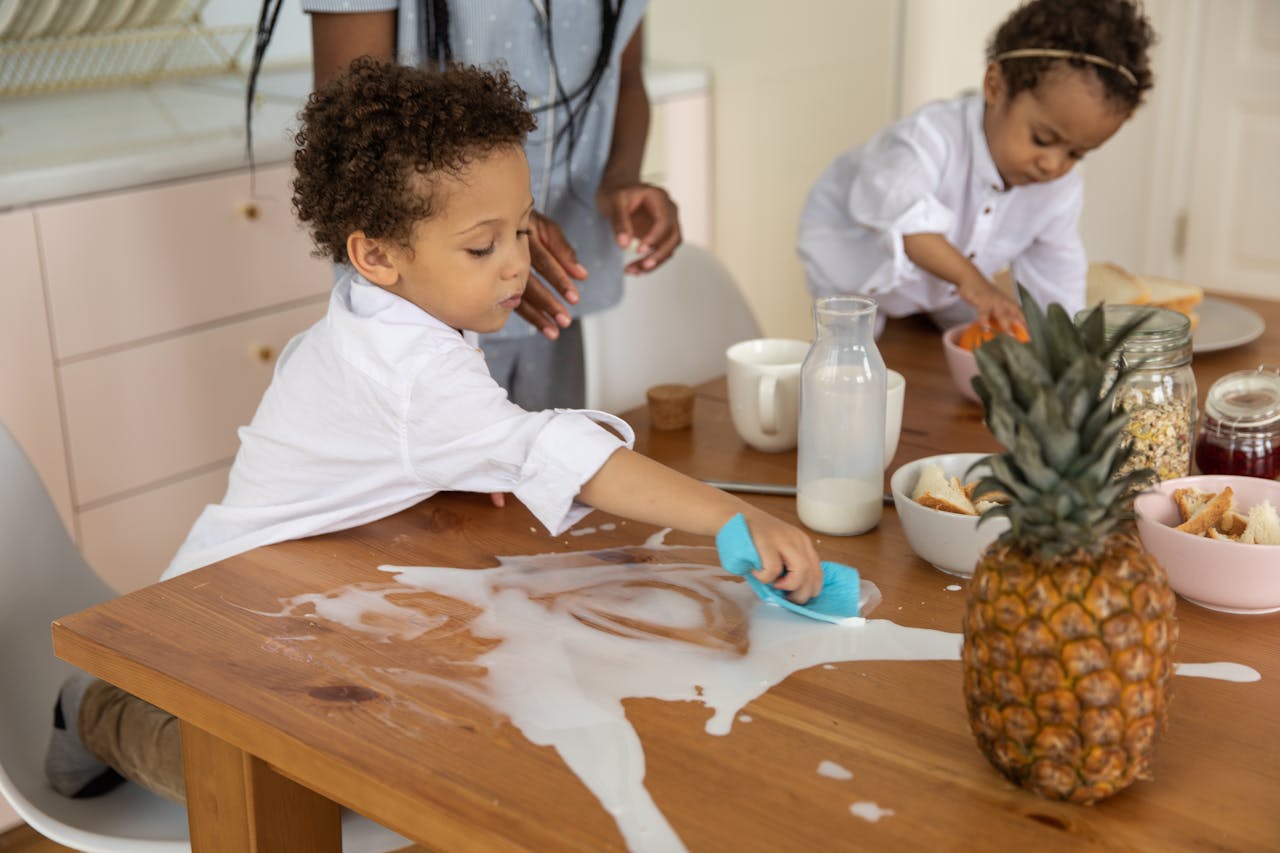
When families share chores and responsibilities kindly, children learn that cooperation isn’t just about getting tasks done, it’s about showing respect. If a parent thanks a child for helping set the table, that acknowledgment models appreciation and teaches the child that their efforts matter. Psychologists note that positive reinforcement fosters a sense of belonging, making kids more likely to repeat helpful behaviors. These moments also connect responsibility with emotional satisfaction, rather than resentment.
Practicing Gentle Communication
Simple changes in communication, like saying “please” and “thank you,” can teach children the emotional impact of words. When parents consistently use polite language at home, children internalize the idea that kindness in speech is just as important as kindness in actions. Gentle communication reduces conflict and promotes self-control, skills that are directly linked to emotional intelligence. By watching their caregivers, children begin to see how tone, choice of words, and respect influence relationships.
Offering Help Without Being Asked
Acts of kindness are powerful when they are spontaneous. If a child sees one parent bring the other a cup of tea after a long day, they notice how small gestures can lift someone’s spirits. Studies in child psychology emphasize that witnessing unprompted kindness helps children develop perspective-taking, which is central to empathy. Over time, they learn that kindness doesn’t always need recognition, it is valuable in itself.
Teaching Through Positive Family Interactions
Emotional awareness is reinforced when kindness becomes part of family rituals and interactions. Homes that prioritize warmth, patience, and cooperation give children the space to explore feelings safely. Family life doesn’t need to be perfect; instead, it should be consistent in showing that kindness is always possible, even in moments of stress.
Modeling Apologies and Forgiveness
Conflicts are inevitable in family life, but they also provide opportunities to teach emotional responsibility. When parents apologize to each other, or to their children, after a mistake, they demonstrate humility and accountability. Research shows that children who witness apologies are more likely to develop forgiveness as a skill. This practice helps kids understand that emotions like anger or disappointment are natural, but they can be resolved through compassion and acknowledgment.
Celebrating Acts of Kindness
Recognition matters, especially for children learning how emotions connect to behavior. Praising a child for comforting a sibling or helping a parent shows that kindness is noticed and valued. Developmental studies indicate that such reinforcement builds a child’s intrinsic motivation to be compassionate, rather than acting only for rewards. Celebrating kindness doesn’t need to be grand, it can be as simple as saying, “I really appreciated how you helped your brother just now.”
Encouraging Shared Family Rituals
Family rituals like mealtime conversations, bedtime routines, or weekend activities can be structured around kindness. Asking each family member to share something they’re grateful for, or a kind act they did or received, reinforces emotional reflection. Psychologists find that gratitude exercises build awareness of positive emotions and strengthen emotional resilience. By embedding kindness into daily rituals, children gradually learn to connect feelings with actions in a tangible way.
Preparing Children for the World Beyond Home
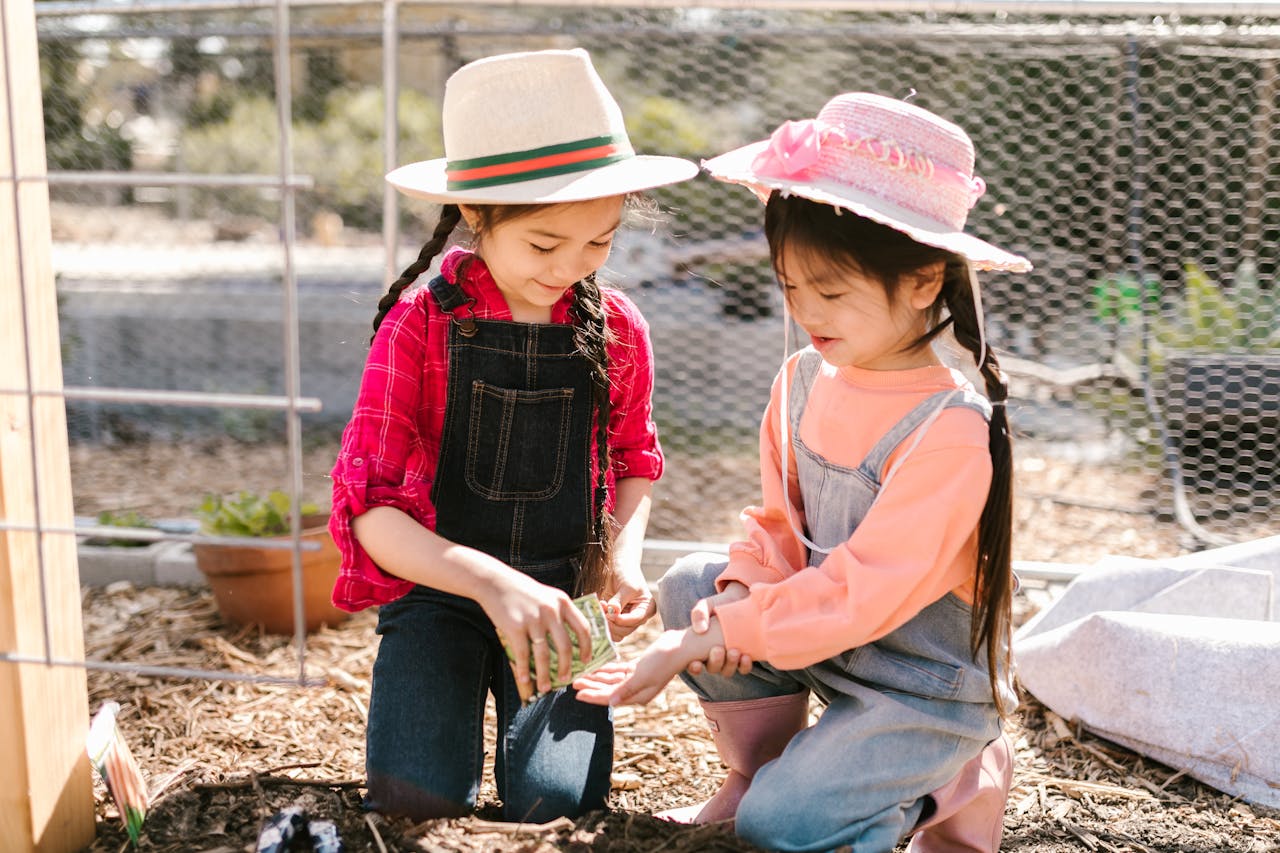
Ultimately, the goal of teaching kindness at home is to prepare children for wider social interactions. Emotional awareness built through simple family practices becomes the toolkit children use in school, friendships, and later relationships. By fostering kindness, parents equip their children with the empathy, patience, and communication skills needed to thrive in complex social settings.
Building Conflict Resolution Skills
Children who grow up in kind environments are more capable of handling conflict with peers. Instead of resorting to aggression or avoidance, they are more likely to use compromise, empathy, and understanding. Studies in developmental psychology suggest that kids exposed to positive conflict resolution at home are better equipped to manage disputes constructively. This translates into healthier friendships, stronger teamwork, and reduced behavioral issues.
Teaching Perspective-Taking
Perspective-taking is one of the most advanced forms of emotional awareness, and kindness plays a vital role in developing it. When children are encouraged to consider how their sibling might feel after being left out, they practice seeing the world from another’s viewpoint. Research highlights that this skill is directly linked to prosocial behavior, including cooperation and generosity. Parents can nurture this by asking reflective questions such as, “How do you think your sister felt when you shared your toy?”
Fostering Lifelong Empathy
The kindness children see and practice at home doesn’t fade once they leave childhood. Instead, it shapes their ability to form meaningful connections throughout life. Studies on emotional development show that early exposure to empathy and compassion leads to higher emotional intelligence in adulthood. A home rooted in kindness creates not just polite children but adults who value fairness, justice, and mutual respect in their communities.
Kindness at Home Builds Emotional Intelligence
Acts of kindness at home may seem small, but their impact is profound. By sharing responsibilities, communicating gently, modeling forgiveness, and encouraging perspective-taking, parents create an environment where emotional awareness flourishes. These lessons go far beyond the walls of the home, preparing children for relationships and challenges in the wider world.
In the end, it isn’t the big lectures that shape a child’s emotional intelligence, it’s the little things: a thank you, an apology, a helping hand. These simple gestures of kindness ripple outward, teaching children not only how to recognize emotions but also how to respond to them with empathy and care. And that, perhaps, is one of the greatest gifts any parent can give.