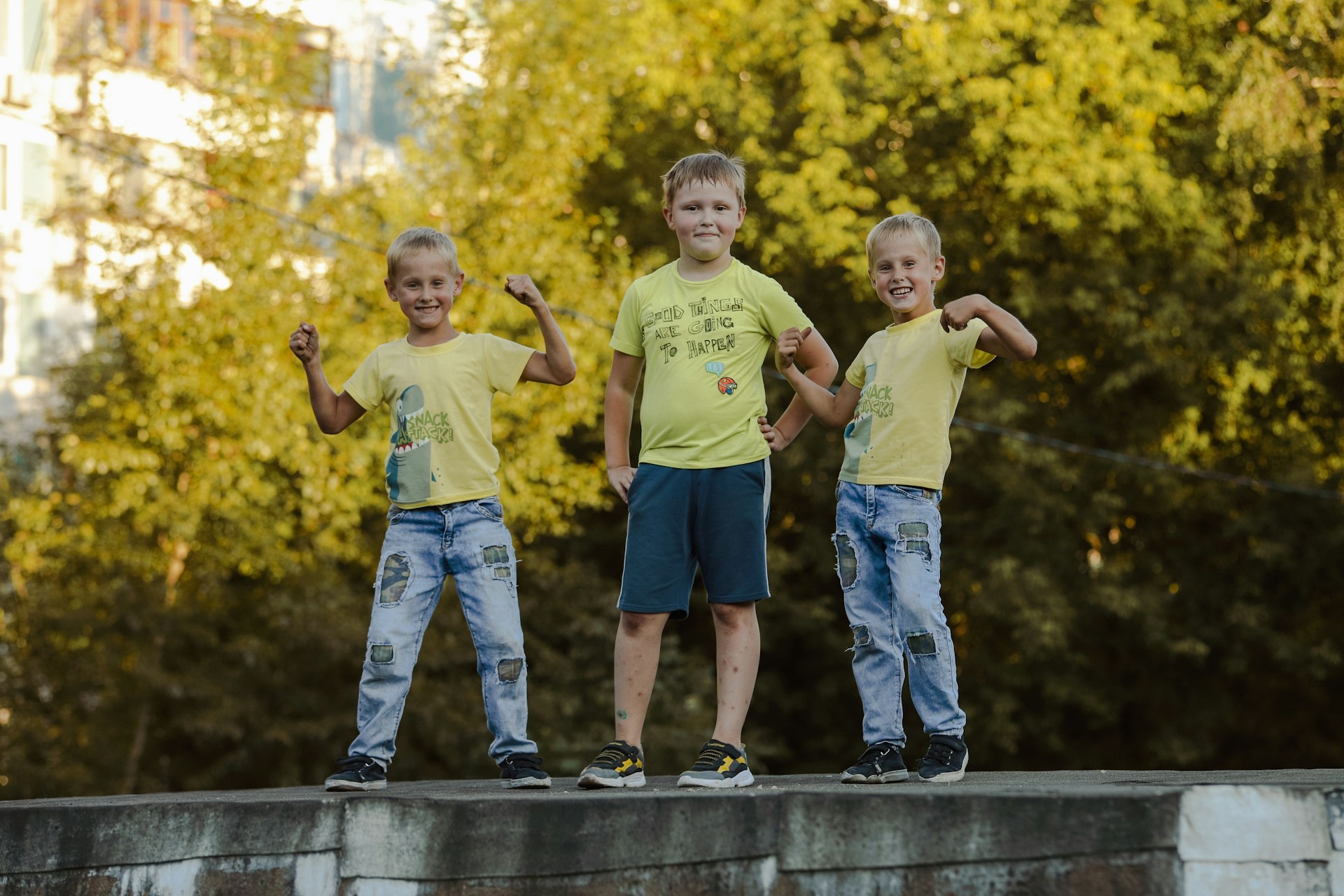
Sibling dynamics play a profound role in shaping a child’s character. When brothers and sisters are expected to share household responsibilities, they gain more than practical skills, they develop empathy, cooperation, and a sense of fairness. These shared experiences teach children how to balance personal needs with those of others, lessons that stay with them into adulthood.
Shared Responsibilities Foster Cooperation
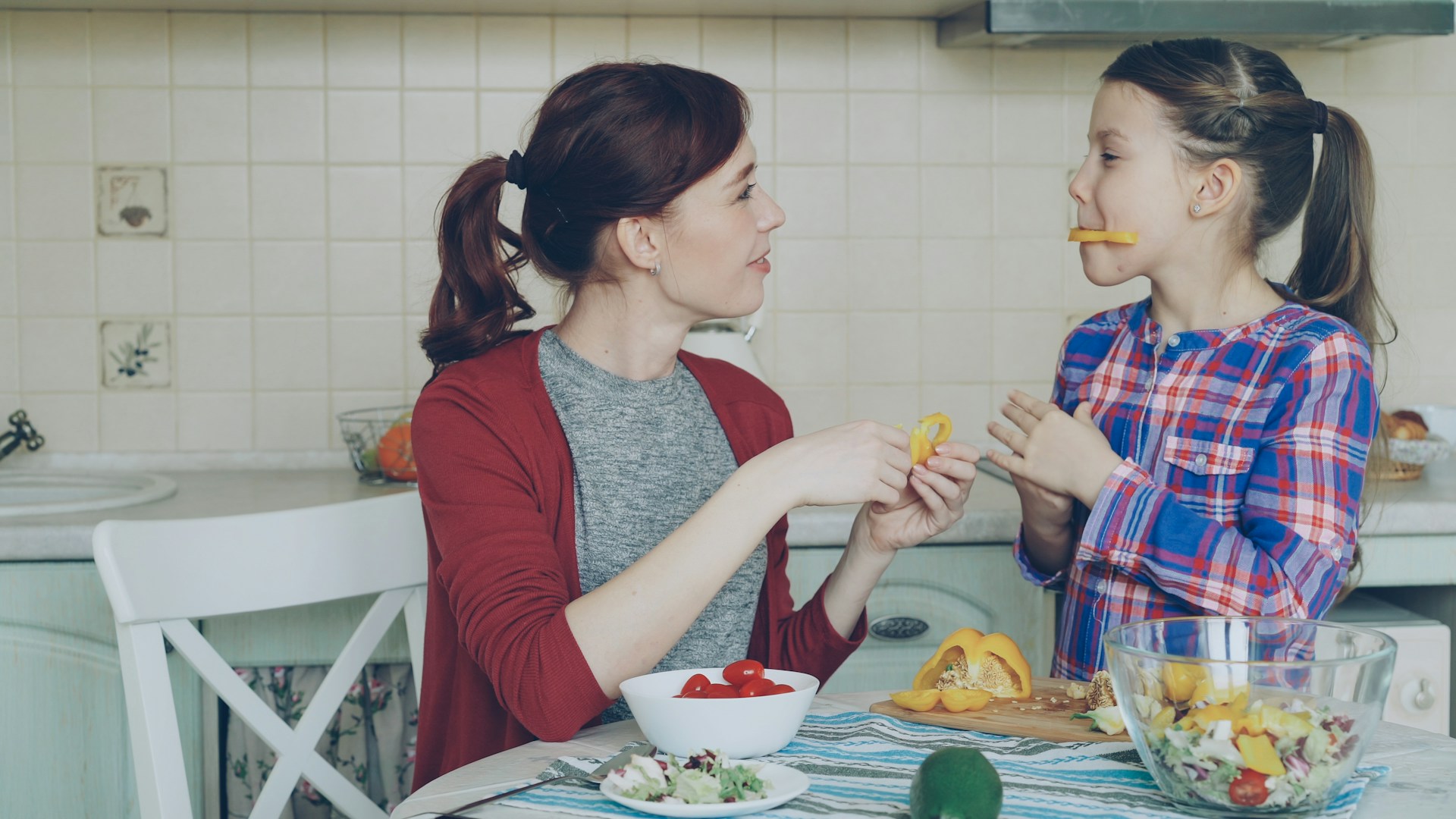
Assigning household responsibilities to siblings encourages them to work as a team. From chores to caretaking roles, these tasks require communication, compromise, and patience. By learning to share responsibility early, siblings develop strong cooperative habits that strengthen both their bond and their individual character.
Learning Fairness and Equality
When siblings divide responsibilities, fairness becomes a central theme. Negotiating who takes which tasks teaches compromise and mutual respect. Research in developmental psychology shows that children who learn fairness at home carry stronger ethical values into adulthood. Sharing responsibility prevents entitlement and fosters an appreciation for equity in relationships.
Strengthening Problem-Solving Skills
Responsibilities often come with challenges, who cleans what, or how to complete a task together. Siblings learn to brainstorm solutions, delegate fairly, and overcome disagreements. These skills not only reduce household tension but also prepare children for collaborative environments later in life, such as school projects or workplace teamwork.
Building Reliability and Trust
When one sibling depends on another to complete a task, it builds accountability and trust. Fulfilling these roles consistently teaches children that reliability is essential in relationships. This trust-building carries into adulthood, where reliable people are valued in friendships, careers, and partnerships.
Developing Empathy Through Shared Duties
Sharing household tasks is not just about responsibility, it’s about perspective-taking. By helping each other, siblings learn to consider one another’s workload, feelings, and challenges. This nurtures empathy, a crucial skill for healthy adult relationships.
Understanding Each Other’s Challenges
When siblings share duties, they become more aware of the effort required for tasks. An older sibling helping a younger one with homework, or a younger child pitching in with chores, fosters appreciation for each other’s contributions. This understanding builds empathy and reduces rivalry, replacing competition with compassion.
Reducing Self-Centered Behavior
Without shared responsibility, children may focus only on their individual needs. Shared duties encourage them to look beyond themselves and recognize collective needs. Over time, this reduces selfishness and cultivates a sense of belonging within the family. Empathetic adults are often those who learned to think beyond themselves as children.
Encouraging Caregiving Roles
When siblings share responsibility, they often take turns supporting one another. An older sibling guiding a younger one or younger siblings helping with tasks shows that caregiving is a shared family value. These caregiving moments plant the seeds for future adults who are empathetic partners, parents, and community members.
Preparing for Adulthood Through Shared Experience
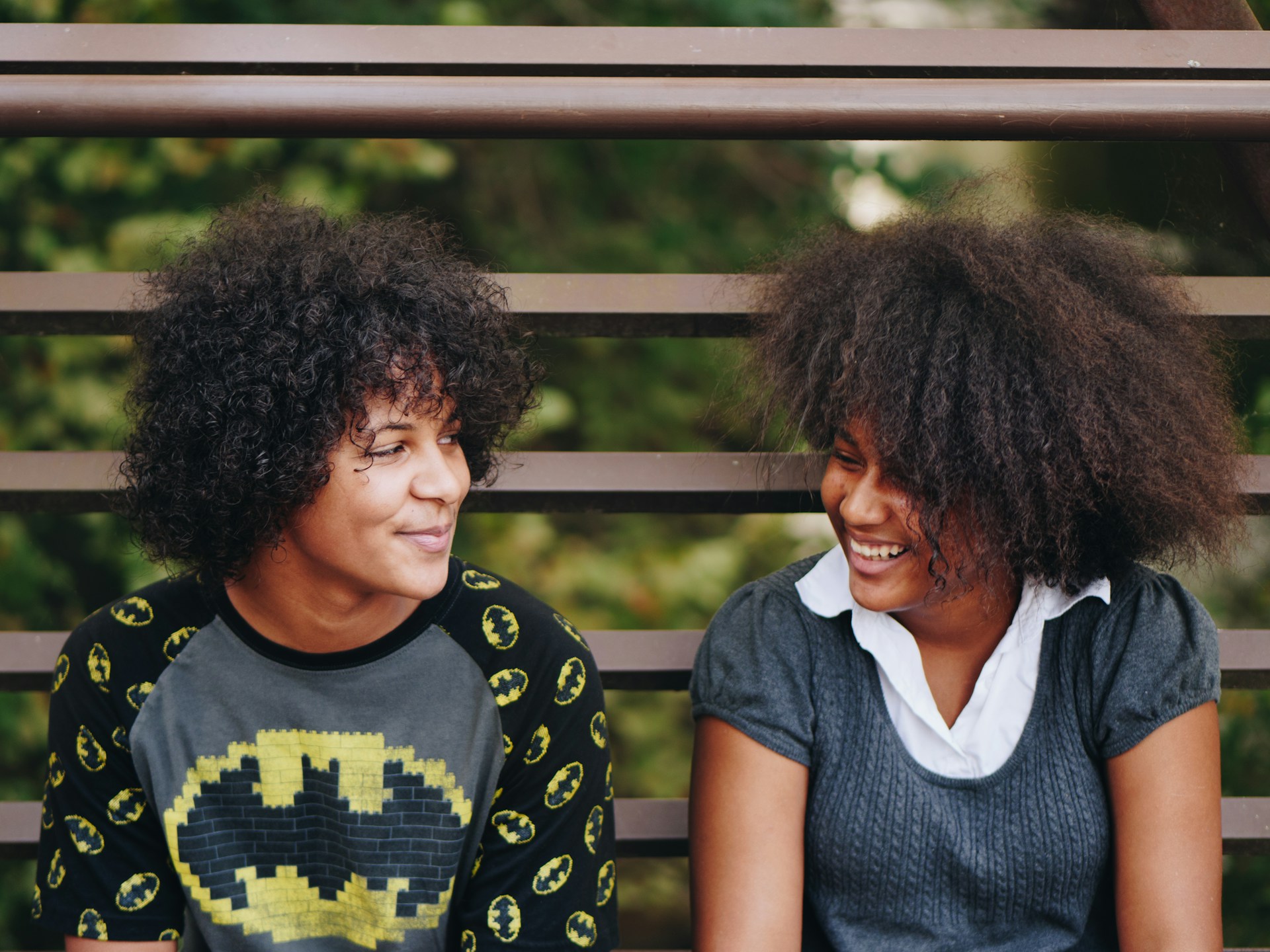
The lessons siblings learn from shared responsibilities extend far beyond childhood. They gain life skills, emotional maturity, and the ability to function in collaborative environments. These experiences prepare them not just for adulthood, but for meaningful, empathetic participation in society.
Transferring Skills to Work and Community
Children who practice teamwork and shared responsibility at home often excel in group settings outside the family. They learn to manage tasks, respect deadlines, and cooperate with diverse personalities. This translates directly into workplace success and active contributions to community life.
Strengthening Family Bonds Across Generations
Shared responsibilities in childhood often lead to closer sibling relationships in adulthood. Mutual respect and teamwork create a foundation that lasts long after they leave home. These bonds also carry into how siblings support one another later in life, especially during major life challenges or family caregiving roles.
Shaping Future Parenting Styles
Siblings who grow up sharing responsibility are more likely to instill similar values in their own families. They understand the importance of fairness, cooperation, and empathy, and pass those lessons down to their children. This creates a cycle of responsibility and compassion that strengthens family legacies.
Siblings as lifelong best friends
Siblings who share responsibilities develop cooperation, empathy, and practical life skills that prepare them for adulthood. From learning fairness and accountability to building caregiving roles, these experiences go far beyond chores—they shape character. By sharing duties, siblings not only strengthen their own bond but also grow into empathetic, responsible adults ready to contribute meaningfully to their families and communities.