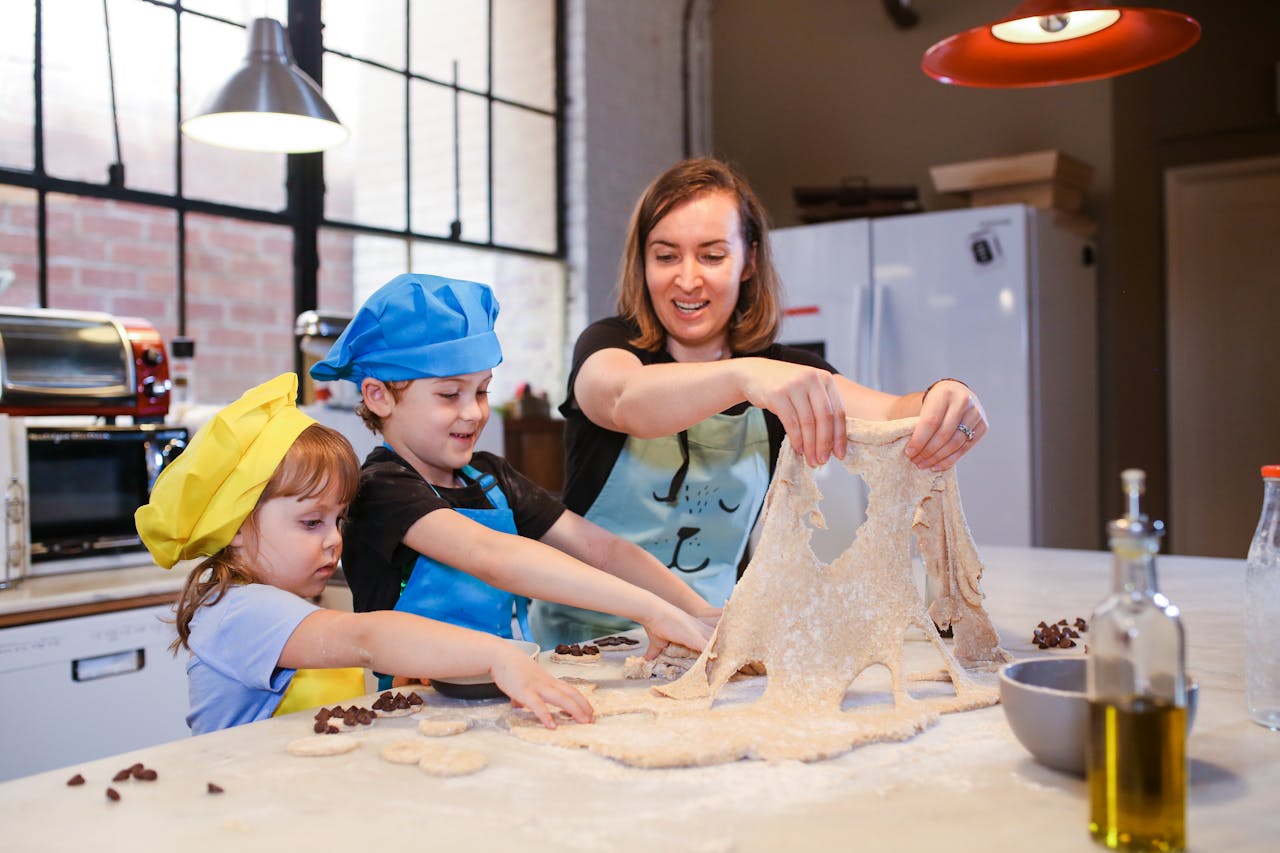
Chores are often framed as a way to teach children responsibility, but their value goes far beyond simply completing household tasks. Shared chores foster cooperation, empathy, and essential life skills that can’t always be learned in the classroom. When children work alongside parents or siblings, they gain a deeper understanding of teamwork, family contribution, and mutual respect. Research on family dynamics shows that shared chores can significantly improve communication and strengthen bonds between family members.
Building Life Skills Through Collaboration

Shared chores provide a natural setting for teaching practical skills while also promoting cooperation. Instead of assigning tasks individually, working together allows children to learn from observation and direct involvement. These moments create opportunities to pass down knowledge in a way that is both efficient and relational. The collaborative nature of such work also reinforces the idea that maintaining a household is a collective responsibility, not just the job of one person.
Learning by Doing
When children help with cooking, cleaning, or repairs, they learn through hands-on experience. This practical knowledge, how to prepare a meal, fold laundry properly, or use household tools, becomes part of their skill set for adulthood. Studies in child development suggest that experiential learning is more effective than verbal instruction alone, making shared chores an ideal teaching method. Children also retain skills better when they see them applied in a real-world context, rather than in hypothetical lessons.
Understanding the Effort Behind Daily Life
Working together on household tasks helps children see the time and energy required to maintain a home. This awareness fosters appreciation for the work parents do and reduces entitlement. When kids witness the effort involved, they are more likely to respect the space they live in and contribute willingly. They also begin to understand that a well-functioning household depends on everyone’s contribution, which strengthens their sense of responsibility.
Strengthening Problem-Solving Abilities
Chores often involve unexpected challenges, a spill that needs extra cleaning, a missing tool, or conflicting schedules. Solving these problems together teaches adaptability and creative thinking. Children learn that tasks don’t always go as planned, and teamwork can make solutions more efficient and enjoyable. This process mirrors real-life problem-solving situations they will encounter in school, relationships, and eventually in the workplace.
Fostering Emotional Intelligence
Sharing chores also strengthens emotional connections and communication within the family. These activities create moments for conversation, humor, and mutual encouragement. Over time, they help children develop emotional awareness and empathy, as they begin to recognize the needs and efforts of others. The emotional benefits often last well into adulthood, influencing how they form relationships and handle teamwork in broader settings.
Encouraging Cooperation Over Competition
When chores are approached as a shared responsibility rather than a competition, children learn to focus on group success instead of individual credit. This cooperative mindset can translate into better collaboration at school, in sports, and later in the workplace. By celebrating the completion of a task as a joint achievement, families reinforce the idea that working together yields better results than working alone for personal recognition.
Building Empathy Through Shared Work
Working side-by-side allows children to see family members’ strengths, struggles, and limitations. They begin to recognize when someone needs extra help and understand that contributing to the household is a way of caring for one another. This empathy builds a sense of unity and shared purpose, making it more likely that children will extend compassion and support to others outside of the home as well.
Providing Space for Communication
Shared chores create natural opportunities for conversation. While washing dishes or raking leaves, parents and children can talk without the pressure of a formal “sit-down” discussion. These casual exchanges often lead to more open and honest communication about other areas of life. Many parents find that some of the most meaningful talks with their children happen during these relaxed, task-oriented moments.
Preparing Kids for Independence
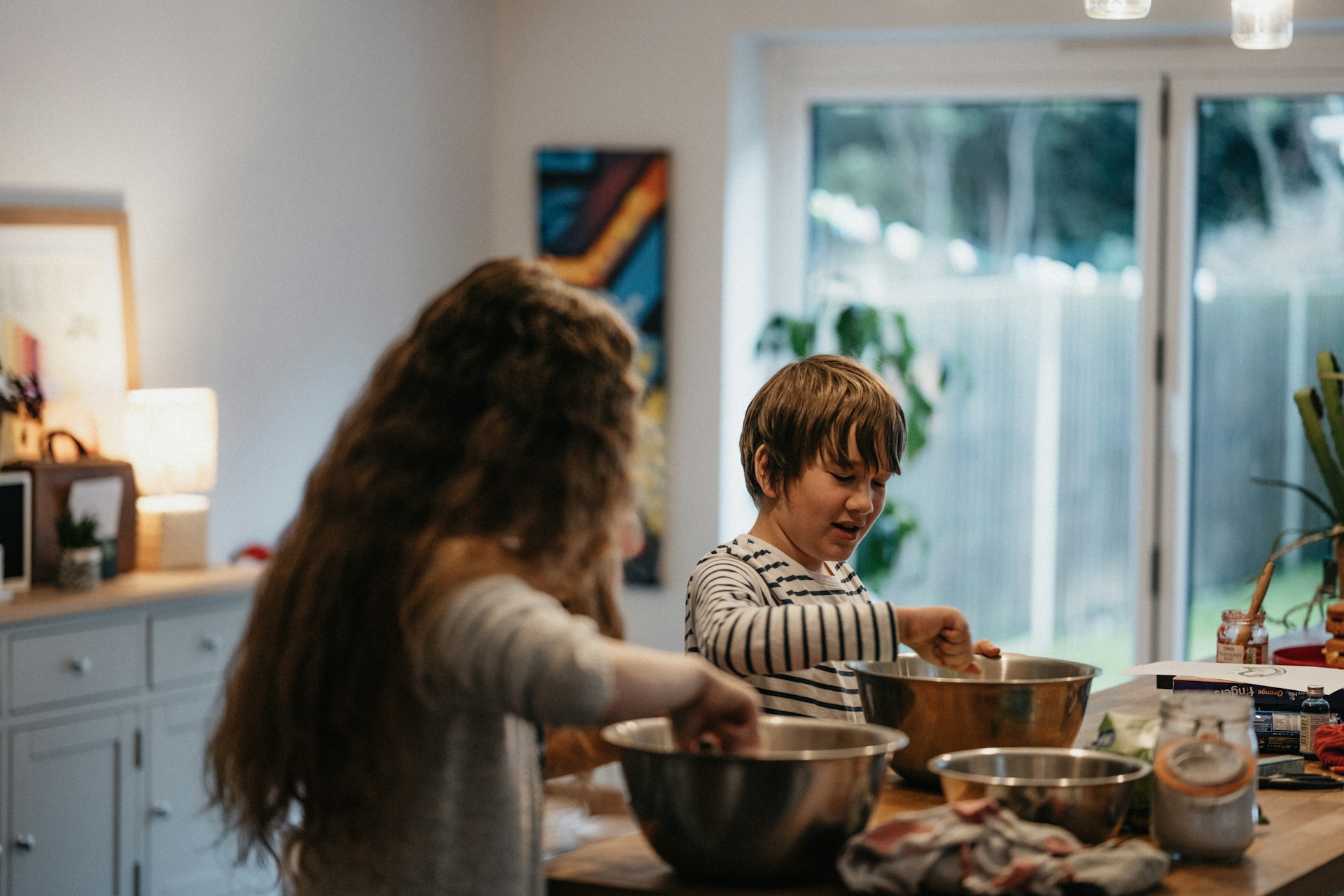
Participating in household work from a young age prepares children for the responsibilities of adulthood. They not only learn the technical skills but also develop the mindset needed to manage their own spaces effectively. These experiences help children become more capable, confident, and organized when they eventually live on their own.
Creating a Sense of Ownership
When children help maintain the household, they begin to see themselves as active contributors rather than passive occupants. This sense of ownership can improve their willingness to take initiative in other areas of life, from academics to personal projects. It also instills pride in their environment, encouraging them to take better care of the spaces they inhabit.
Teaching Time Management
Shared chores often require coordination, deciding when and how tasks will be completed. This teaches children to balance responsibilities with other commitments and to work efficiently as part of a team. These skills are essential for future success, as they mirror the demands of managing work, relationships, and personal life as an adult.
Instilling Long-Term Habits
The routines developed through shared chores can carry into adulthood. Children who grow up participating in regular household maintenance are more likely to continue these habits when living independently, leading to cleaner, more organized, and healthier living environments. Over time, these habits also reduce stress, as they prevent the buildup of overwhelming messes or unfinished tasks.
Powerful tool for life skills
Shared chores are much more than a way to keep a household running, they are a powerful tool for teaching life skills, fostering emotional intelligence, and preparing children for independence. By working together, families create opportunities for meaningful conversations, problem-solving, and mutual understanding. Children learn that their contributions matter, that cooperation is more valuable than competition, and that caring for a shared space is an act of respect and love. In a world that often emphasizes individual achievement, shared chores remind us that the strongest bonds and most important lessons are often built in the simple, everyday moments spent working side-by-side.