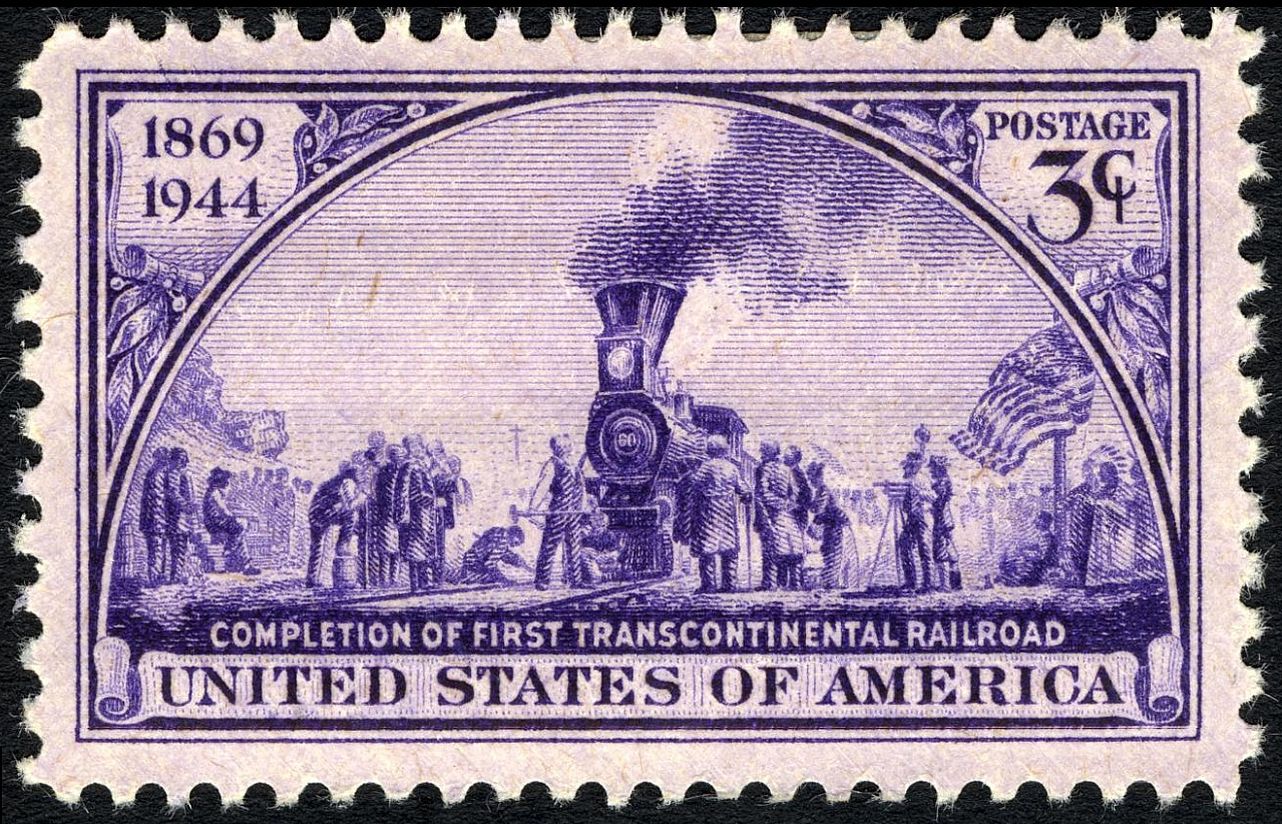
The expansion of railroads across the United States remains one of the most defining developments in American history. More than a transportation shift, it was a transformation that restructured the economy, shaped migration patterns, and fueled the birth of new communities across the frontier. The railroad era connected distant regions, encouraged settlement in previously unreachable territories, and accelerated the nation’s growth at a pace never seen before. As the iron tracks carved paths across mountains, plains, and deserts, they reshaped the physical and cultural landscape of early America. Understanding how railroads built the Wild West reveals a powerful story of innovation, ambition, and dramatic change.
Railroads Made Mass Migration to the West Possible
Before the arrival of railroads, traveling westward required long, dangerous journeys that could take months by wagon or horseback. When rail lines stretched across the Plains and into the West, they drastically shortened travel times and made migration feasible for thousands of families. Passenger trains provided safer, more predictable routes, attracting settlers seeking new land, opportunity, and adventure. Rail companies actively promoted western settlement by selling land grants and advertising promising futures in untamed regions. This mass movement shifted the population balance of the United States and accelerated the creation of new states.
They Connected the Nation Through Commerce and Industry
The development of the rail network allowed goods to move across vast distances, linking rural towns with national markets. Farmers could now ship crops, livestock, and materials efficiently, transforming local agriculture into commercial-scale production. Likewise, eastern factories gained access to western resources like timber, minerals, and metals, fueling rapid industrial growth. This new economic connectivity strengthened the nation’s infrastructure and helped create a unified national economy. By making trade faster and more reliable, railroads became the backbone of American commerce.
Railroads Gave Rise to New Towns and Boom Economies
Many western towns owe their origins to the railroad companies that built across the region. Towns blossomed along rail lines as stops were needed for refueling, trade, and passenger services. Communities sprang up around depots, attracting merchants, ranchers, miners, and travelers who saw opportunity in the growing frontier. Some towns eventually became major cities, while others thrived briefly during resource-driven booms such as mining or cattle ranching. The placement of rail stops often determined which communities succeeded and which faded from history. Railroads became catalysts for both economic birth and decline across the West.
They Facilitated the Growth of the Cattle and Mining Industries
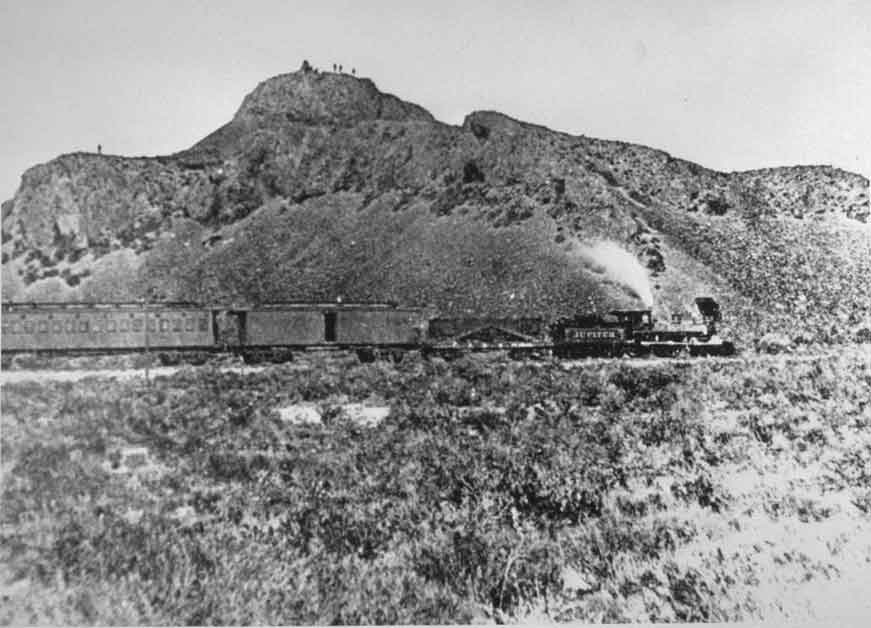
The cattle industry, central to Wild West mythology, expanded dramatically because railroads made long-distance transportation possible. Ranchers could now drive cattle to railroad hubs, where they were shipped to eastern markets quickly and profitably. This development reduced the need for lengthy cattle drives and allowed ranchers to scale their operations. Similarly, the mining industry depended on railroads to transport ore, equipment, and workers to and from remote areas. These industries flourished because railroads created reliable access to markets and resources that had once been isolated. In many ways, the economic foundation of the West was built along the tracks.
Technological Innovation Encouraged Rapid Infrastructure Growth
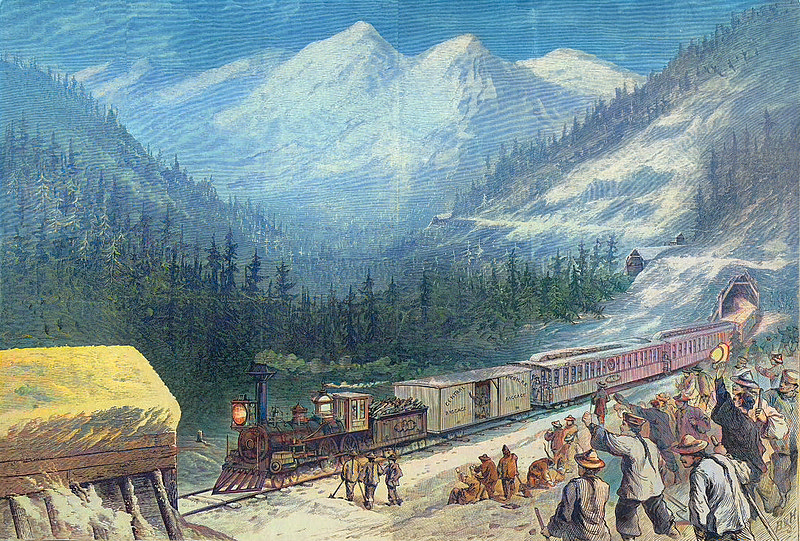
The railroad boom pushed American engineering to new limits, leading to groundbreaking innovations in construction, communication, and design. Workers built bridges over massive rivers, blasted tunnels through mountains, and laid tracks across challenging terrain. The telegraph, often installed alongside rail lines, improved communication dramatically and helped coordinate transportation schedules. Standardized time zones were created to ensure safety and punctuality across the expanding network. These engineering advancements laid the groundwork for modern transportation and communication systems that still influence American life today.
They Helped Shape American Culture and Mythology
The railroad era gave rise to iconic imagery that shaped the nation’s sense of identity. Stories of train robbers, cowboys, and pioneers emerged as part of the cultural narrative of the Wild West. Trains symbolized freedom, progress, and the promise of new horizons, becoming central motifs in literature, film, and folklore. Railroads also brought traveling shows, newspapers, and new ideas to remote communities, spreading culture across the frontier. This blending of myth and reality created a lasting legacy that continues to define how Americans imagine the West.
Railroad Companies Became Major Political and Economic Powers
As rail networks grew, the corporations behind them became some of the most powerful entities in the country. Their control over transportation routes gave them significant influence over land prices, markets, and local economies. Political lobbying by rail companies played a major role in shaping legislation, including land policies and transportation regulations. While they contributed to national growth, they also sparked debates over monopolies, fairness, and economic control. These tensions eventually led to federal oversight and the development of laws designed to regulate corporate power.
The Transcontinental Railroad Unified the Nation
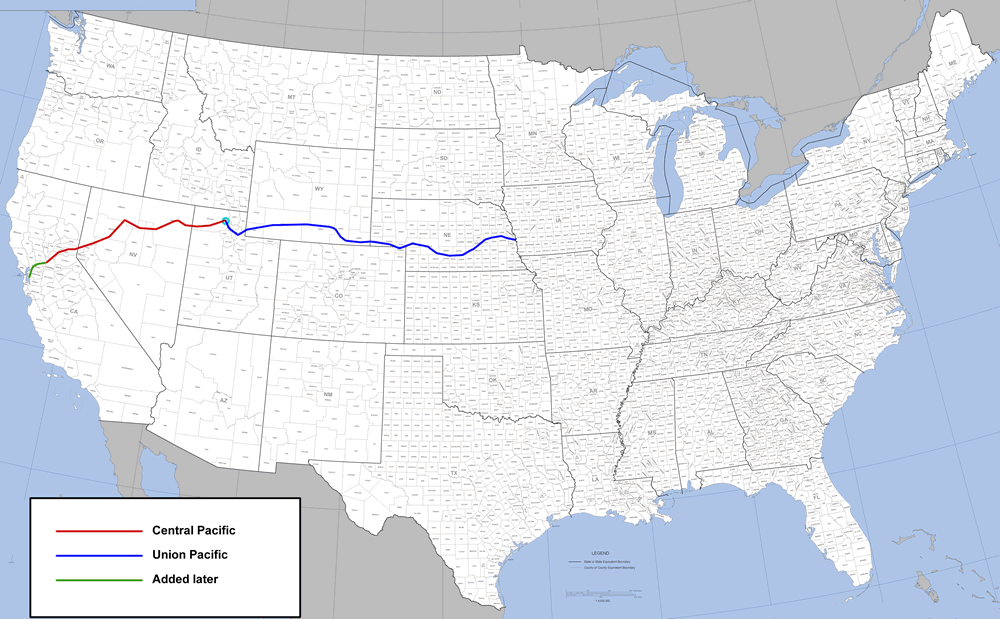
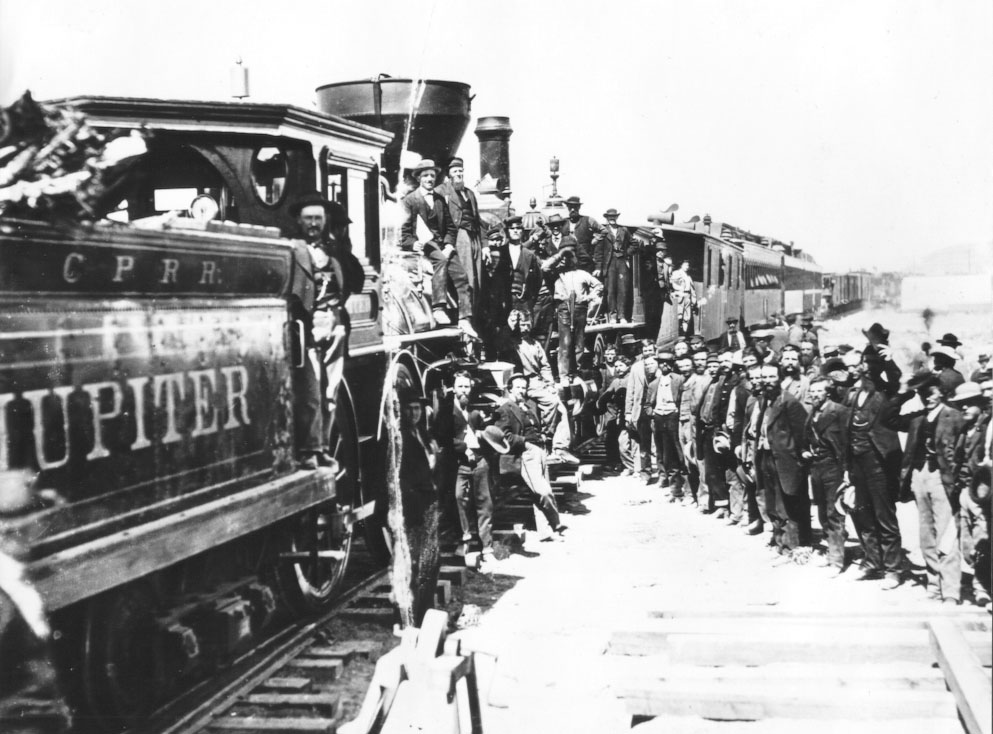
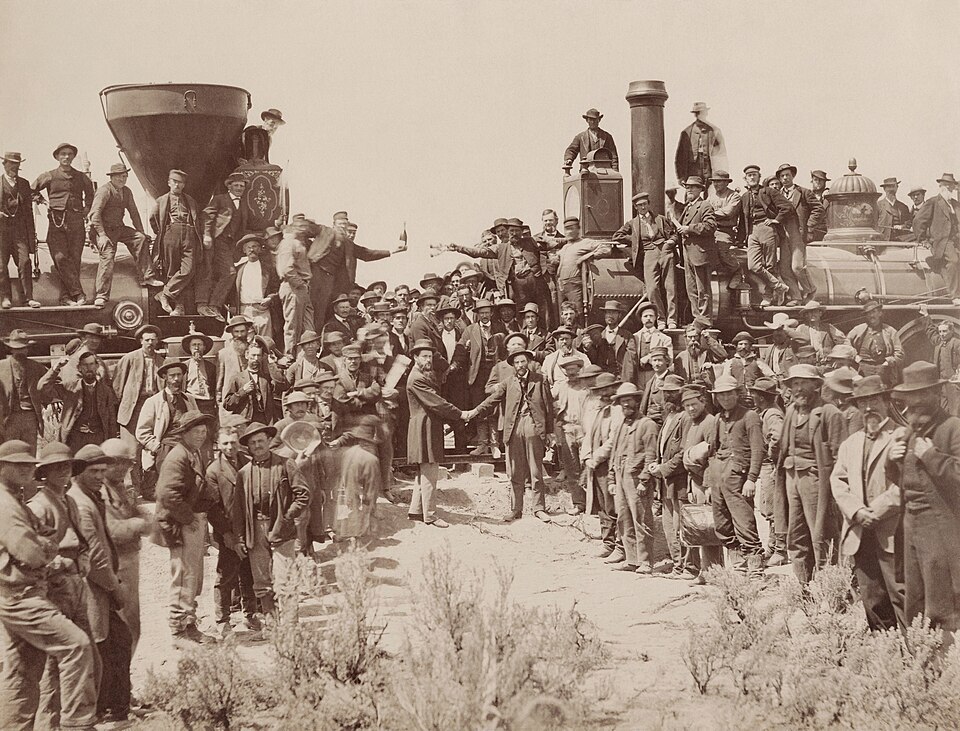
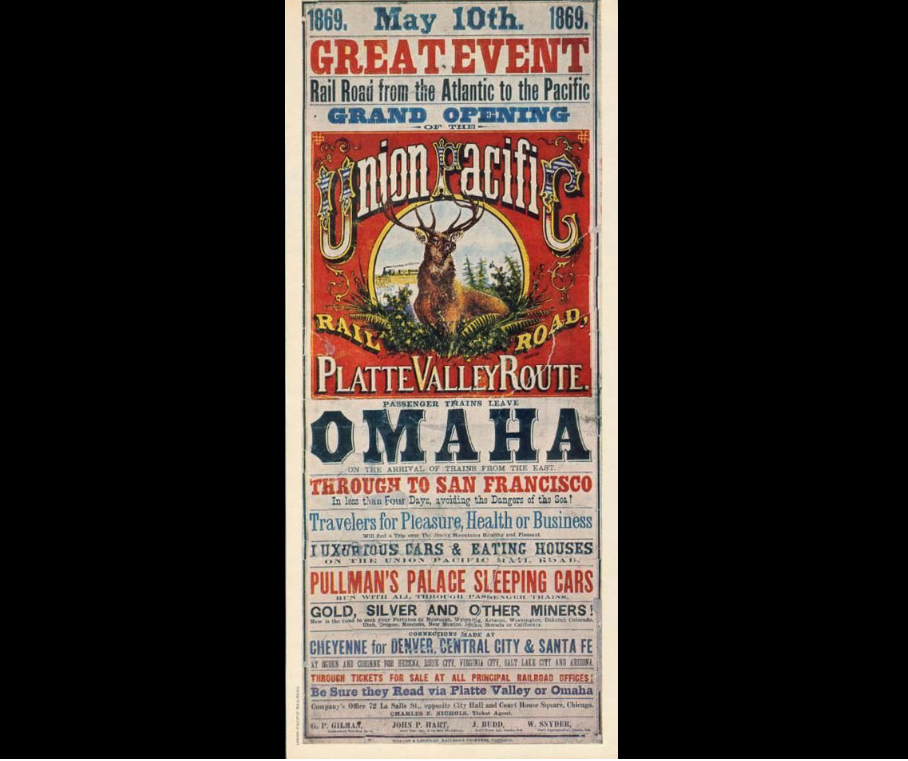
Completed in 1869, the Transcontinental Railroad symbolized the triumph of ambition, engineering, and national unity. For the first time, the East and West Coasts were connected through a continuous rail line, making coast-to-coast travel possible in a matter of days. This connection boosted trade, encouraged national migration, and reinforced the idea of a unified American identity. The ceremonial Golden Spike driven in Utah marked both a technological milestone and a new chapter in the nation’s development. It remains one of the most celebrated achievements in American infrastructure history.