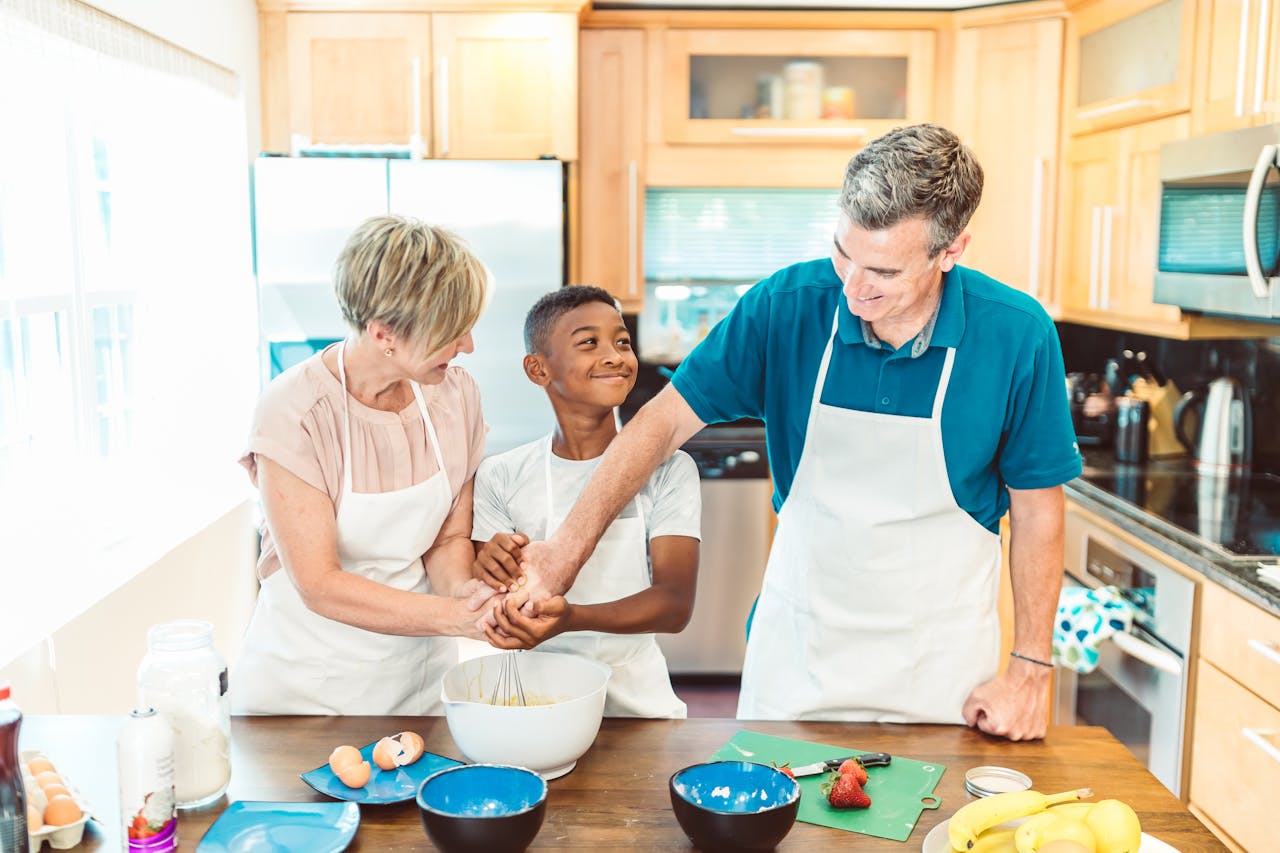
Apologies carry power far beyond a simple “I’m sorry.” Families that practice apology, even across generations, model humility, empathy, and respect. By acknowledging mistakes openly, parents and grandparents create an environment where children learn the importance of accountability and kindness in building strong relationships.
The Power of Modeling Accountability
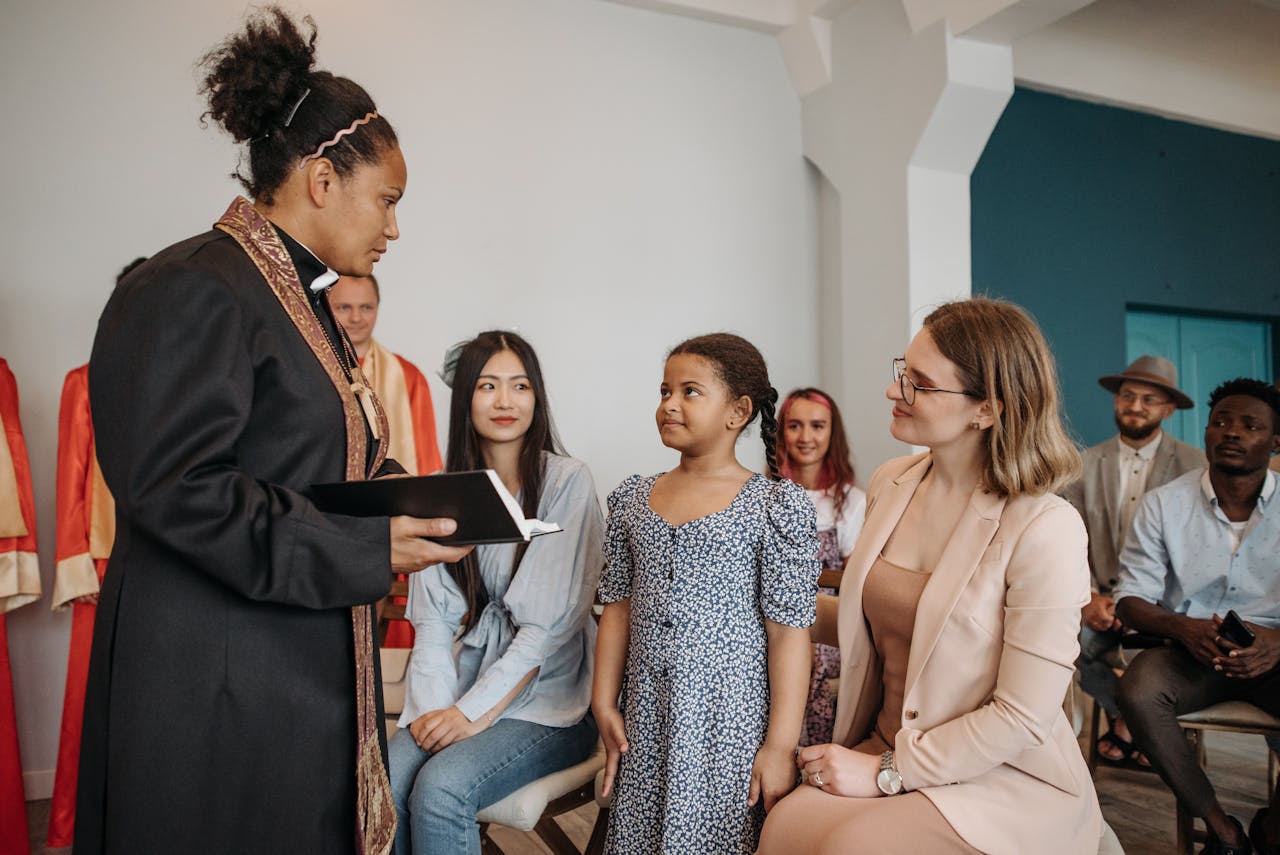
Children learn by observing adults, and when they see apologies given sincerely, they internalize those lessons. Apologies from parents to children, or from older family members to younger ones, show that no one is above accountability. This simple act creates a culture of honesty and fairness in the family.
Teaching Through Example
Parents who apologize when they lose their temper or make mistakes show their children that admitting faults does not weaken authority. Instead, it strengthens respect. Kids quickly understand that taking responsibility is not something to fear but a sign of maturity. This daily modeling plants seeds of accountability in children’s behavior.
Breaking the Cycle of Silence
In past generations, many parents rarely apologized to their children, believing it undermined authority. Families who break this cycle demonstrate that vulnerability and leadership can coexist. Children raised in this environment are less likely to carry unresolved resentment and more likely to approach others with openness and humility. Apology becomes a bridge between generations.
Encouraging Emotional Honesty
When adults express regret and make amends, children learn that emotions are natural and repair is possible. This promotes emotional intelligence, teaching kids to recognize their own mistakes and handle conflict constructively. Families that normalize emotional honesty raise children who value kindness and self-awareness.
Healing Across Generations
Apologies don’t just repair immediate mistakes; they can heal long-standing hurts within families. Generational gaps often come with misunderstandings or unspoken conflicts, and apologies can help restore relationships. When older relatives apologize, it teaches children that healing is possible, even years later.
Restoring Trust Between Family Members
Family trust can be shaken by harsh words or past conflicts. A heartfelt apology shows willingness to rebuild that trust. Children who witness this process see how relationships can be repaired through humility. They learn that reconciliation is worth pursuing and that family bonds can endure hardships.
Reducing Emotional Burdens
Unacknowledged mistakes often create lingering guilt or resentment. Apologies relieve those emotional weights for both the giver and receiver. When children see adults acknowledging past wrongs, they realize that it’s never too late to make amends. This lesson encourages forgiveness and resilience in their own lives.
Connecting Generations Through Understanding
Apologies help close the gap between older and younger family members. When grandparents or parents admit past errors, they create understanding across different experiences and values. This fosters empathy in children, who begin to appreciate the complexity of human relationships. It also shows that growth and learning continue throughout life.
Raising Kinder, More Respectful Kids
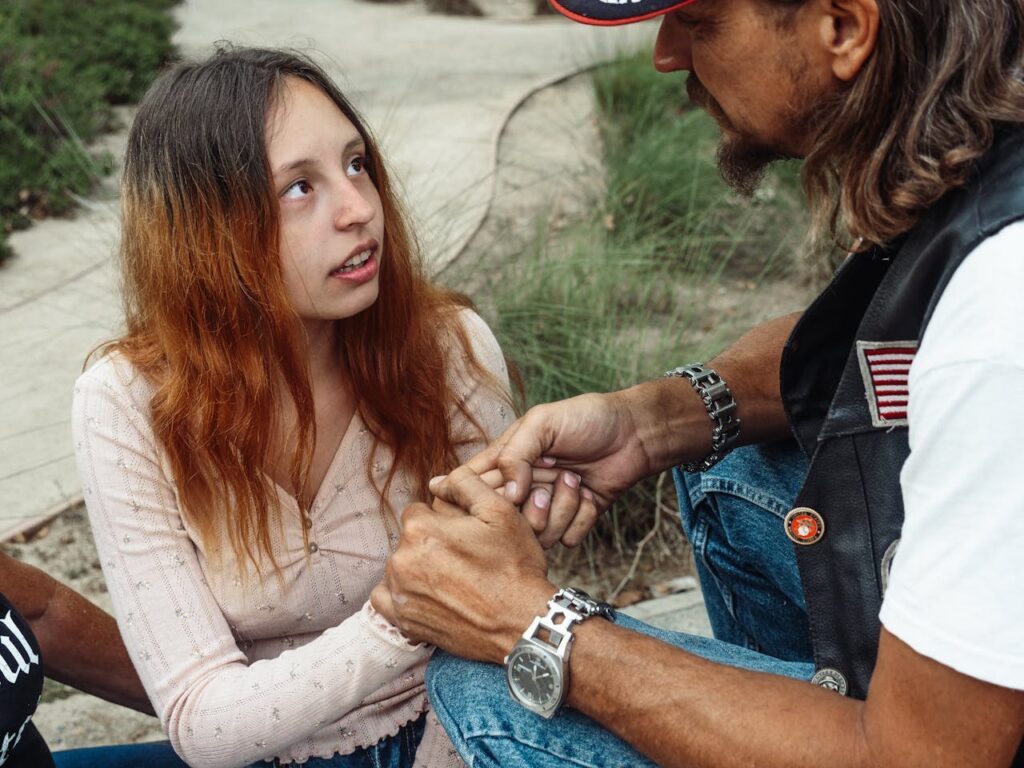
Families that value apologies raise children who grow up with empathy, respect, and strong communication skills. These children are better equipped to handle conflicts, form healthy relationships, and contribute positively to their communities. The cycle of kindness begins at home.
Encouraging Respectful Communication
Children who see apologies modeled understand that respect goes both ways. They learn to listen, admit faults, and communicate with empathy. This respectful communication carries into friendships, school environments, and eventually their adult relationships. It creates a ripple effect of kindness in their social circles.
Preventing Entitlement and Arrogance
Apologizing teaches humility, reminding children that no one is perfect and mistakes are part of being human. Kids raised with this lesson are less likely to develop entitlement or arrogance. Instead, they learn that respect must be earned and maintained through accountability. This understanding helps them become grounded and considerate individuals.
Building Emotional Resilience
Children who learn to apologize and forgive develop resilience in the face of conflict. They are less afraid of making mistakes and more confident in repairing them. This reduces fear of failure and encourages growth through trial and error. In the long run, it equips them to navigate life with empathy and strength.
Politeness goes a long way
Apologies are more than polite words, they are tools for connection, healing, and growth. Families who practice them openly, even across generations, model humility and accountability for their children. These lessons ripple outward, shaping kids into kinder, more respectful individuals who understand the power of reconciliation. By teaching the importance of apology, we raise not only stronger families but also more compassionate communities.