
Stories shared within families are not only a way to pass time but a powerful tool for child development. Research from Emory University found that children who know more about their family history display higher levels of self-esteem, resilience, and emotional well-being. Storytelling fosters continuity between generations, giving children a sense of belonging and helping them make sense of who they are. It becomes an essential practice for shaping identity, building confidence, and strengthening roots.
Building Identity Through Shared Narratives
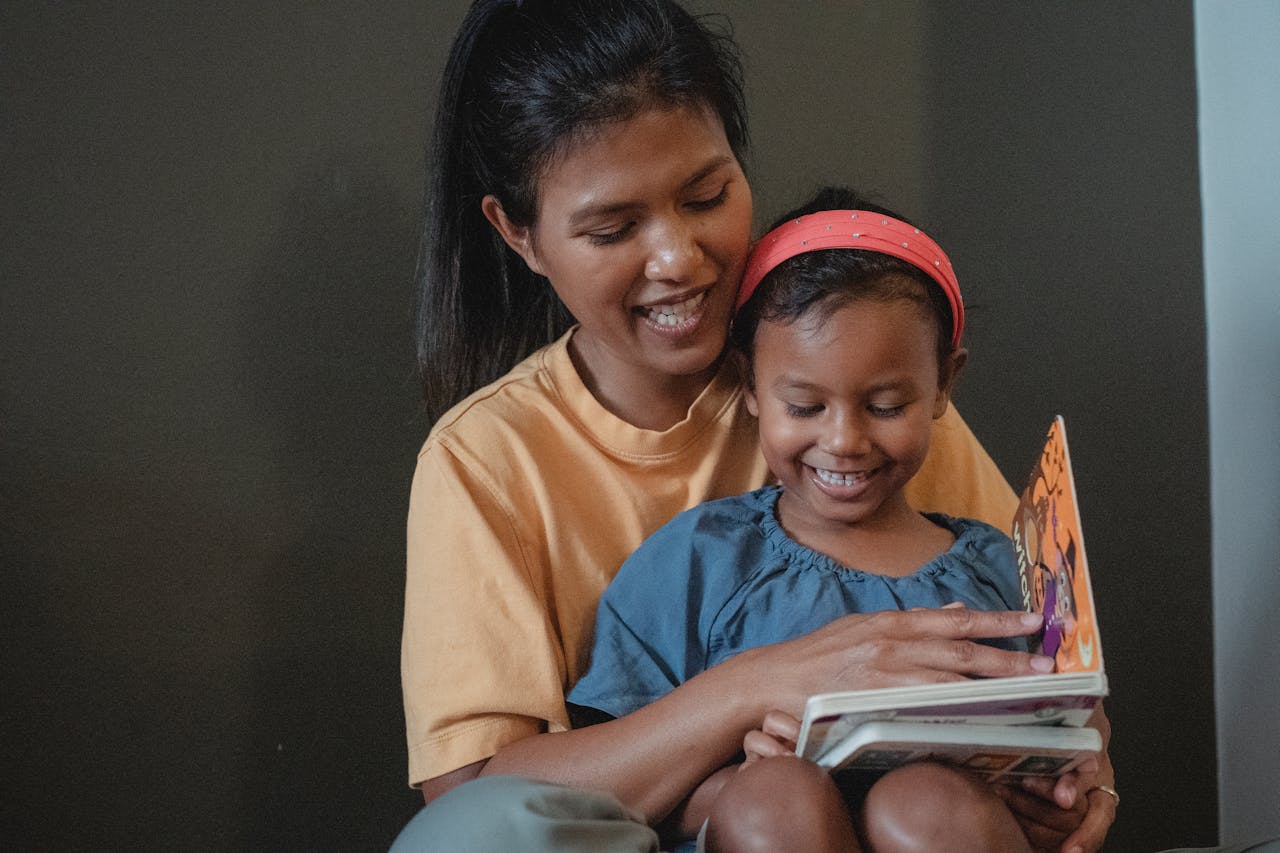
Family stories allow children to see themselves as part of a larger narrative, which supports the development of a strong self-concept. Psychologists have long argued that children construct identity not only from personal experiences but from the stories told around them. When children hear about their relatives’ lives, struggles, and values, they begin to internalize these narratives as part of their own. This gives them a foundation of belonging and purpose.
Stories of Ancestry and Origin
Origin stories, such as migration journeys or cultural traditions, provide children with a clear sense of where they come from. According to research in cultural psychology, children who are taught their family’s cultural background show higher levels of pride and resilience when facing prejudice or exclusion. These stories often carry lessons of endurance and identity preservation, instilling a deep respect for heritage. By seeing themselves in the larger family line, children develop a more integrated sense of self.
Overcoming Adversity as a Family Theme
Narratives of hardship play a critical role in shaping resilience. Studies in resilience theory show that when children learn how past generations endured war, poverty, or loss, they are more prepared to cope with difficulties in their own lives. These stories normalize struggle while framing it as something that can be overcome. As a result, children build psychological strength by seeing adversity not as a stopping point, but as a challenge embedded in family history.
Everyday Stories of Childhood and Growth
Small, everyday stories are equally powerful in shaping identity. When parents describe their own school experiences or learning moments, they help children connect across generations. Developmental research suggests that hearing about ordinary experiences makes children feel less isolated in their own challenges. It helps them realize that learning, stumbling, and growing are part of every human journey, building empathy and self-compassion.
Building Confidence and Emotional Strength
Storytelling also fosters confidence by helping children see themselves as capable and resourceful. A study on family narratives found that children who knew “do you know” stories about their parents’ or grandparents’ past were more optimistic and better able to regulate emotions. These narratives act as emotional anchors, reminding children that they are part of a lineage of problem-solvers and survivors.
Stories as a Mirror of Capability
When children hear about the persistence and achievements of relatives, they connect these qualities to themselves. Social learning theory emphasizes that children model their expectations of self on the examples provided by role models. Hearing that a family member worked tirelessly to build a career or overcome challenges reinforces the idea that determination is part of their identity. This instills confidence and self-belief.
Storytelling as an Emotional Safe Space
Family storytelling often happens in safe, supportive contexts, which allows children to engage emotionally. Research in family psychology highlights that narrative sharing strengthens bonds and provides space for children to process feelings. When children hear how their relatives navigated fears or uncertainty, they feel reassured that they, too, can cope. This practice strengthens emotional regulation and teaches the value of vulnerability within trusted relationships.
Encouraging Self-Expression Through Story Retelling
Retelling family stories develops communication skills and reinforces confidence. Studies in child development show that when children retell stories, they strengthen memory, improve language skills, and gain pride in contributing to family traditions. Retelling also validates their role as active participants in family heritage. This encourages children to see their voice as important, fostering both self-esteem and narrative competence.
Connecting to Roots and Strengthening Family Bonds

Beyond identity and confidence, storytelling serves as a bridge to family roots and values. Sociologists emphasize that storytelling creates “intergenerational solidarity,” fostering deeper respect and attachment between younger and older generations. These narratives strengthen connections, preserve cultural traditions, and give children a sense of belonging that extends beyond themselves.
Passing Down Cultural Traditions
Family stories often embed rituals, folklore, and cultural practices. Research in anthropology highlights that oral storytelling is one of the most effective ways to transmit culture. For children in multicultural or immigrant families, these narratives preserve continuity across generations and reinforce cultural pride. They create a sense of uniqueness and belonging that counterbalances pressures to conform.
Intergenerational Dialogue and Connection
When grandparents and elders share personal experiences, they build bridges across generations. Developmental research shows that intergenerational storytelling increases empathy in children and fosters a sense of respect for older relatives. These conversations allow children to learn not only history but also values and life lessons. It is through this dialogue that wisdom flows naturally across generations.
Creating Shared Family Identity
Every family develops a collective narrative that defines “who we are.” Research in narrative psychology shows that these shared stories strengthen unity and create a stable identity for children. Whether stories highlight perseverance, humor, or compassion, they reinforce core family values. This helps children feel part of something enduring, reminding them that they are connected to a story greater than themselves.
Storytelling: Building Identity and Belonging
Family storytelling is far more than a nostalgic tradition—it is a scientifically supported tool that shapes children’s identity, confidence, and emotional strength. From teaching resilience through tales of hardship to passing down cultural traditions, storytelling builds both individual and collective identity. In a world increasingly dominated by fleeting digital interactions, maintaining the practice of storytelling provides children with continuity, grounding, and a powerful sense of belonging.