Family game nights have long been a cherished tradition, bringing people together around a table for laughter, competition, and bonding. But beyond the fun, these gatherings serve a deeper purpose: they nurture skills that are vital for children’s growth. From teamwork and patience to problem-solving, game nights offer hands-on lessons that kids carry with them into school, friendships, and even their future careers.
Building Cooperation and Team Spirit
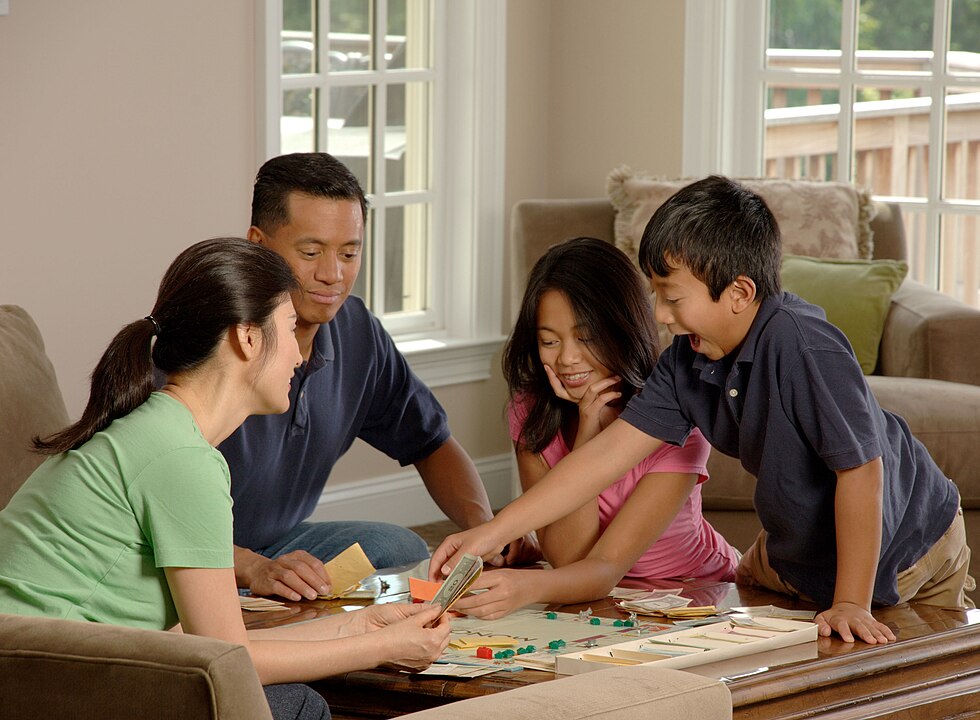
Games provide a natural opportunity for children to work together toward a common goal. Whether they’re playing as a team or navigating group rules, kids learn how collaboration leads to shared success. Cooperation doesn’t come automatically, it’s practiced, and game nights provide a playful space to cultivate it.
Learning to Value Every Role
Many board and card games require each player to take on a role, whether small or large, for the group to succeed. Children quickly learn that even small contributions, rolling the dice, keeping score, or asking the right question, are essential to progress. This reinforces the idea that every member of a team matters, a lesson that translates to group projects and family responsibilities.
Sharing Success and Failure
When families play together, victories and losses are experienced as a group. Celebrating a win teaches humility, while facing a loss together builds resilience. Kids learn that success is sweeter when shared and that failure isn’t the end, but a chance to try again. These experiences mirror real-world teamwork, where outcomes often depend on group effort rather than individual glory.
Respecting Rules and Fair Play
Game nights come with rules, and children must learn to follow them for the game to function. Respecting these rules teaches fairness and responsibility, even when they don’t work in their favor. This practice helps children understand boundaries in broader life contexts, such as school policies, sportsmanship, and eventually workplace guidelines.
Developing Patience and Emotional Control
Games rarely go smoothly without waiting, turn-taking, and setbacks. For children, this environment becomes a low-stakes arena to develop patience and emotional resilience. These skills are not just useful for family life, but essential for thriving in social and academic settings.
Practicing Turn-Taking
In a fast-paced world, waiting patiently can be difficult for children. Board games slow things down, requiring players to wait their turn. Over time, kids begin to accept waiting not as a burden, but as part of a shared experience. This patience is valuable in classrooms, where group activities often require equal participation.
Managing Frustration
Not every roll of the dice or card drawn will go a child’s way, and that can lead to frustration. Game nights teach kids how to manage these emotions in a safe, supportive environment. Parents can model calm reactions, reinforcing that losing is temporary and that the joy lies in playing together. Learning to control disappointment is an essential emotional skill that benefits children throughout life.
Building Resilience Through Repetition
The more kids play games, the more they encounter setbacks. Losing multiple times in one night or making mistakes helps children see that persistence matters more than a single outcome. Over time, they learn to bounce back, adapt their strategies, and keep moving forward. This resilience prepares them to face bigger challenges in school and relationships.
Encouraging Problem-Solving and Strategic Thinking
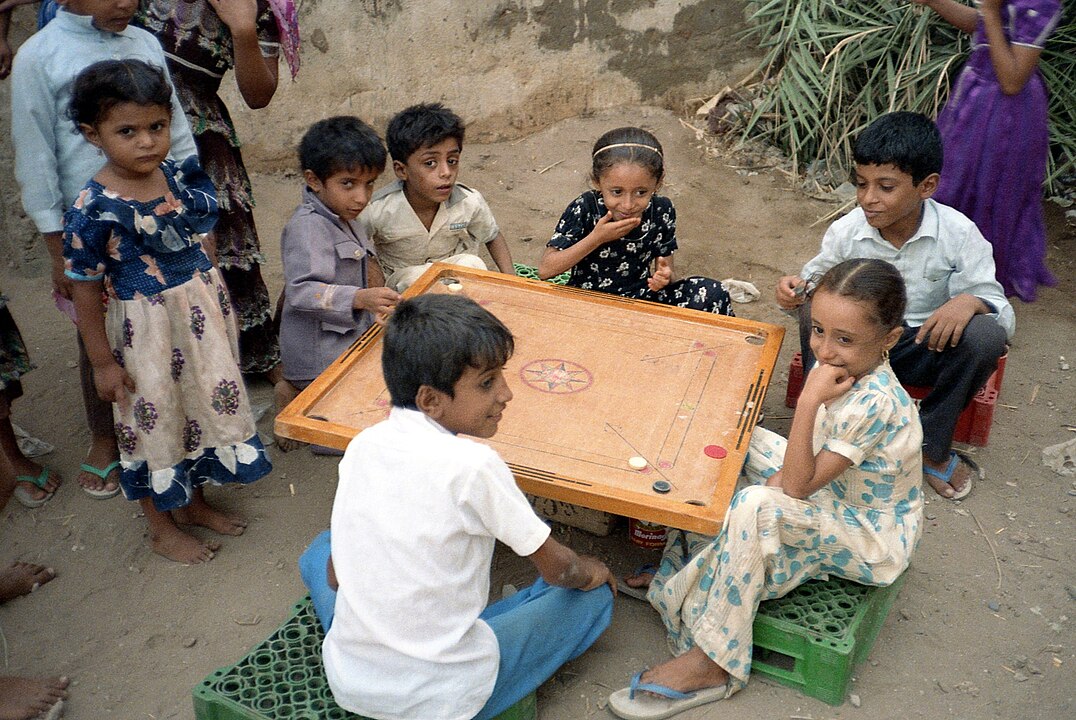
Many games require more than luck, they demand critical thinking and strategy. These cognitive challenges help kids develop problem-solving skills that extend into academics and daily decision-making.
Thinking Ahead
Games like chess or strategy-based board games teach children to plan moves in advance. They learn to anticipate outcomes, weigh options, and adjust their strategies. This ability to think ahead helps children in academics, particularly in math and science, where planning and logic are essential.
Creative Solutions Under Pressure
Not all problems have straightforward answers. Games often present scenarios where children must think creatively to overcome obstacles. Whether it’s finding a clever way to block an opponent or teaming up unexpectedly, kids develop resourcefulness. Creative problem-solving is a skill that helps children innovate, adapt, and thrive in an ever-changing world.
Applying Lessons Beyond the Table
The skills children learn from family game nights don’t stay confined to the living room. They apply these lessons in schoolwork, friendships, and extracurricular activities. Whether negotiating with peers, solving puzzles in class, or preparing for competitions, children carry forward the teamwork, patience, and problem-solving strategies learned from play.
Lessons That Last Beyond the Game
Family game nights are more than entertainment, they’re a powerful tool for raising well-rounded kids. Through cooperation, patience, and problem-solving, children gain practical skills that serve them far beyond the board. In a world where digital distractions dominate, gathering around a table for games is a timeless way to connect, teach, and grow together as a family.