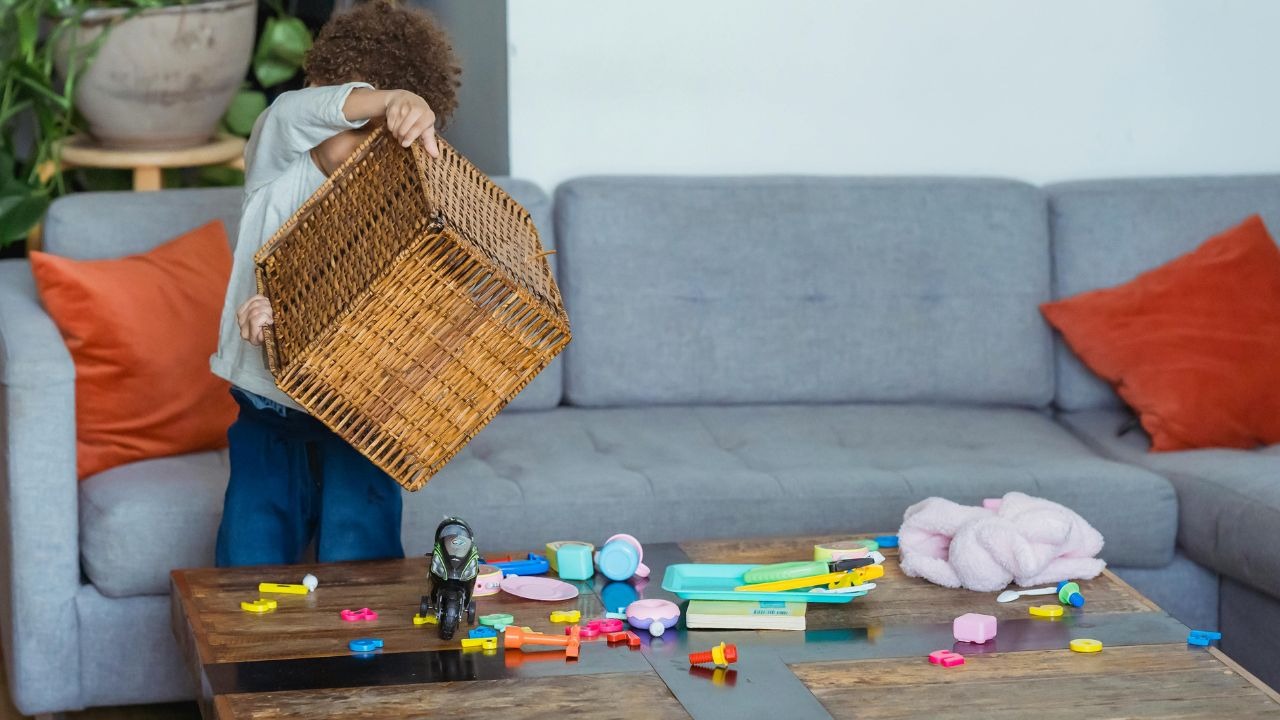
Family life in the 1980s looked very different than it does today. With less technology, more unstructured time, and a slower pace of life, bonding happened more organically. While today’s families face different challenges and benefits, the shift in how we connect has long-term implications for emotional health and child development. Understanding how family bonding has evolved—and what we may have lost—can help us rebuild meaningful connection in a modern world.
Life Moved Slower—and Together

In the ’80s, families had fewer distractions and more shared routines. Dinner time was a family affair, with most households eating together around the table. According to studies by the USDA and sociological data from the time, family meals were common in more than 60% of households and seen as a time for connection.
Without smartphones or streaming, evenings were often spent talking, playing games, or watching a single television set as a group. The pace of life allowed more opportunities for informal bonding that didn’t require planning or scheduling.
Unstructured Time Created Natural Togetherness
Unlike today’s highly scheduled lives, children in the 1980s had ample free time. This allowed for spontaneous play, conversations, and family-driven activities. Whether it was piling into the car for a drive or helping with chores, time together wasn’t something families had to fight for—it was a given.
Shared Entertainment Brought Families Together
With fewer entertainment options, entire households often gathered to watch a show or a movie on a single TV. Shows like The Cosby Show or Family Ties weren’t just entertainment—they were a shared cultural experience. This collective consumption reinforced bonds and sparked discussion, laughter, and inside jokes that helped build closeness.
The Role of Technology in Redefining Bonding
Digital devices have changed how families spend time—often dividing rather than uniting. By the 2000s, personal devices became more common, and now most families live in homes where each member has their own screen. A 2023 Common Sense Media report found that children ages 8 to 12 spend over five hours a day on screens—not including schoolwork.
While technology brings convenience and entertainment, it also reduces the face-to-face interaction that fosters emotional connection.
Individualized Media Consumption
Today, everyone has their own streaming account, YouTube channel, or gaming platform. Instead of gathering around one screen, family members often retreat into their own digital worlds. This shift has made shared moments less common, decreasing the chances for casual interaction and bonding.
Multitasking Erodes Quality Time
Even when families are physically together, devices often interrupt quality time. Notifications, texts, and background scrolling dilute conversations and eye contact. As a result, even intentional bonding—like family dinners or outings—can feel fragmented or superficial compared to the uninterrupted time of the past.
Changing Work and School Demands

Busier schedules have made bonding feel like a luxury rather than a daily norm. In the 1980s, the average workweek was about 38 hours, and most children’s after-school time was spent at home. Today, between dual-income households, extended work hours, and multiple extracurriculars, families have far less overlap in their daily routines.
Research from the Pew Research Center shows that modern parents report feeling “too busy” to spend as much time with their kids as they’d like.
Extracurricular Overload
While activities are beneficial, the overscheduling of children leaves little room for downtime. Music lessons, travel sports, and tutoring can mean families are constantly in transit. This hustle-and-bustle lifestyle limits opportunities for slow, reflective family moments that foster deep connection.
Work-Life Boundaries Have Blurred
With the rise of remote work and smartphones, parents are often tethered to their jobs even during family time. Unlike the clear boundaries of the past, modern parents often struggle to be fully present. This blending of professional and personal space can subtly erode the quality of parent-child interactions.
Emotional Development and why it is important
The way we bond impacts emotional development, mental health, and resilience. Studies consistently show that strong family relationships serve as a protective factor against depression, anxiety, and risky behavior in adolescents.
The American Psychological Association highlights that regular, meaningful family interaction helps children develop empathy, communication skills, and emotional security. In a world where disconnection is easy, intentional bonding matters more than ever.
Kids Still Crave Connection
Despite the digital age, children and teens still value time with their parents. Surveys reveal that many wish their parents would put down their phones more often. Even older kids and teens appreciate rituals like family dinners, game nights, or weekend outings—if adults are emotionally present during them.
We don’t need to go back in time to reclaim the value of ’80s-style bonding. Simply prioritizing shared meals, device-free time, and open-ended conversation can have a big impact. Blending modern flexibility with timeless family rituals can strengthen bonds and build emotional resilience for years to come.
Family Connection Matters
Family bonding has changed dramatically since the 1980s, shifting from spontaneous connection to something that must be intentionally cultivated. While the modern world offers many conveniences, it also brings barriers to closeness. By understanding how we used to connect—and why it mattered—we can find new ways to make our families feel grounded, supported, and truly seen.