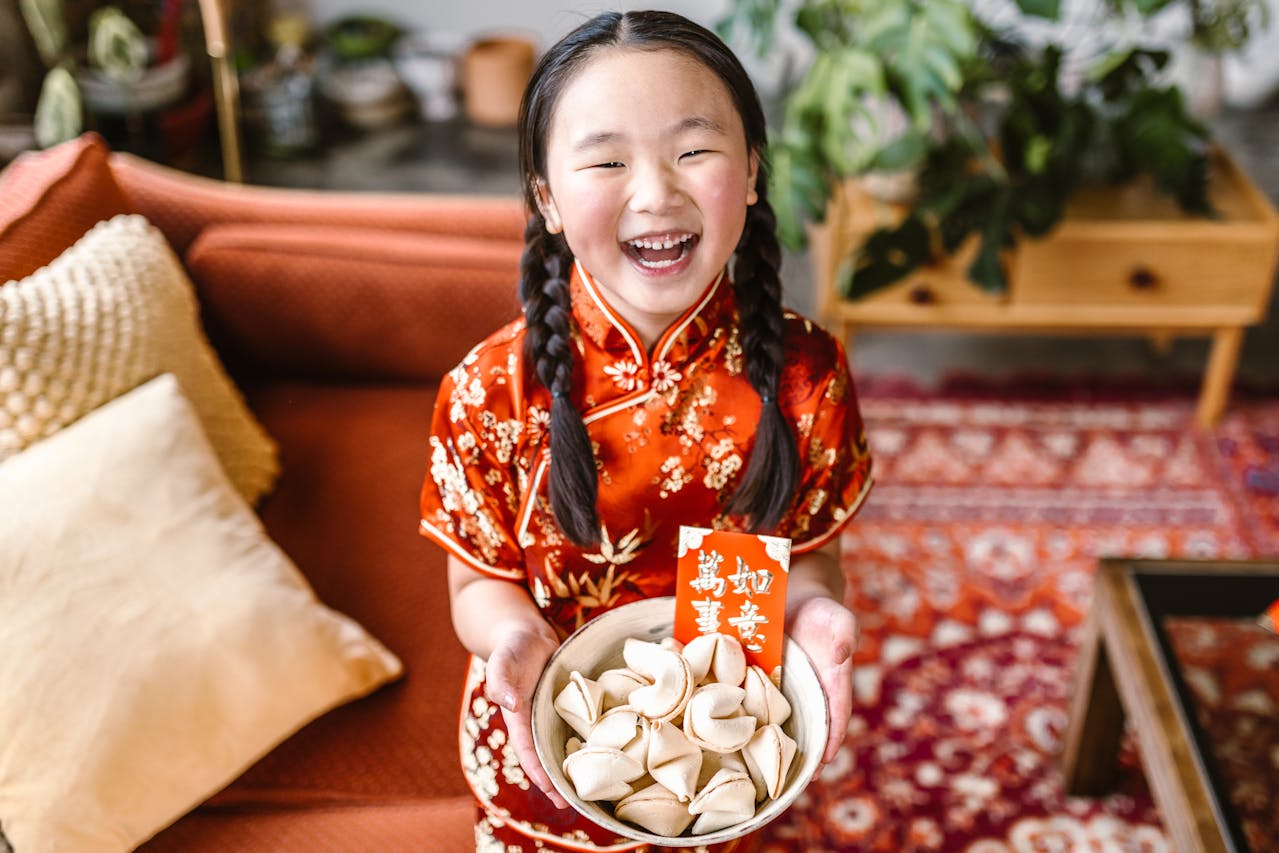
Childhood is filled with milestones, but often it’s the small, everyday achievements that shape character the most. Whether it’s finishing a book, learning to ride a bike, or solving a tricky puzzle, small victories create momentum. At home, when parents take time to recognize and celebrate these wins, children gain more than encouragement, they learn confidence, patience, and the foundations of a growth mindset.
Celebrating Wins Builds Confidence
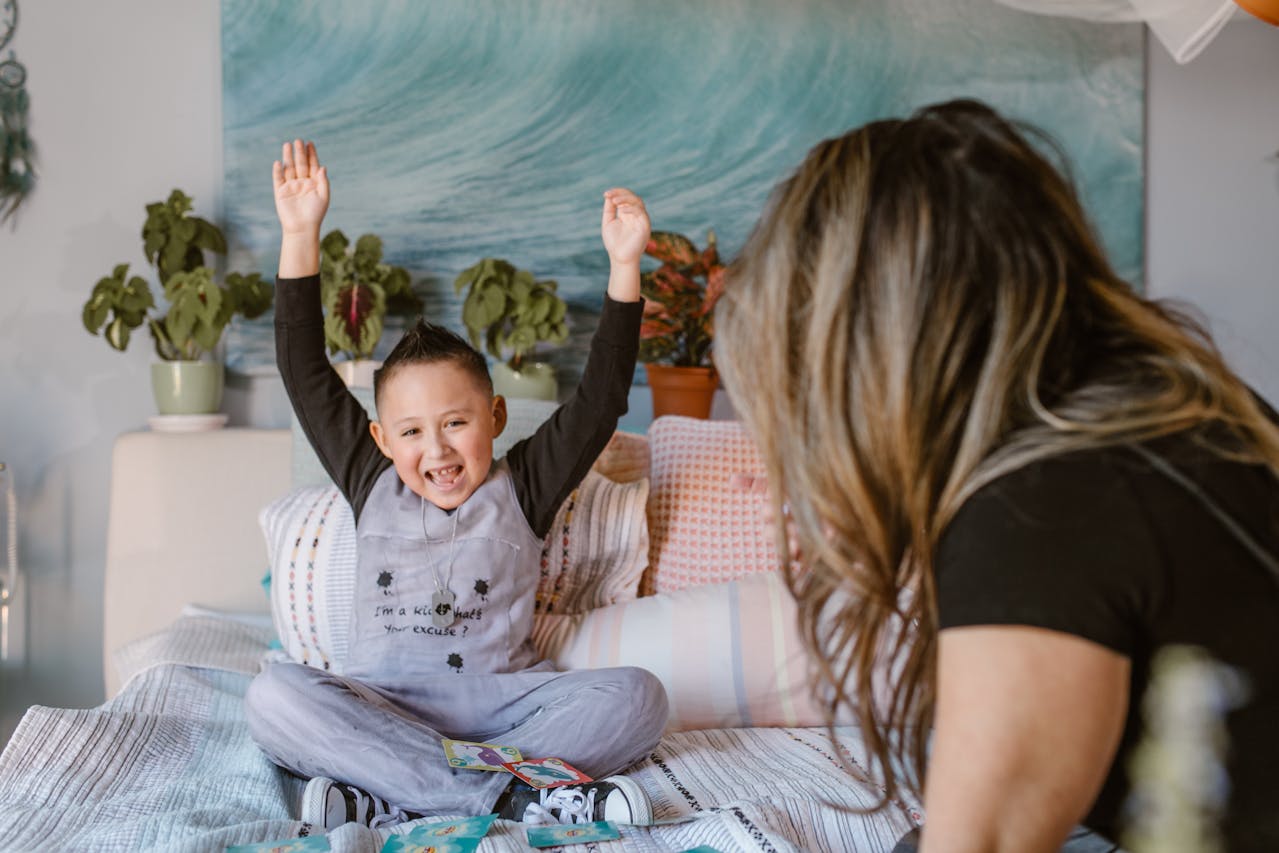
Confidence doesn’t appear overnight; it’s built one success at a time. Small wins remind children that their efforts matter, even if the goal feels far away. Recognition at home helps them internalize this sense of accomplishment, making them more willing to take on new challenges.
Reinforcing Effort Over Perfection
When parents celebrate the effort behind small wins rather than only the outcome, children learn that persistence is valuable. Praising the process, such as the time spent practicing piano rather than just the recital, instills confidence in their ability to improve. Over time, this helps children value their growth rather than fearing mistakes.
Encouraging Risk-Taking
Celebrating small wins makes children less afraid of trying new things. Even when the outcome isn’t perfect, recognition shows that effort is worthwhile. This encouragement builds self-assurance, teaching kids that confidence comes not from always winning, but from daring to try. Small risks taken in supportive environments prepare them for bigger challenges later in life.
Strengthening Self-Belief
Children who see their achievements acknowledged learn to believe in themselves. Small wins reinforce the message that they are capable, competent, and progressing. Parents who consistently point out these successes help children develop an inner voice of encouragement, which they will carry into adolescence and adulthood.
Small Wins Teach Patience
Patience is one of the hardest skills for children to learn in today’s instant-gratification world. Celebrating small steps along the way teaches kids that progress is gradual and worth waiting for. At home, parents can make patience part of the learning journey rather than a frustrating delay.
Breaking Down Big Goals
Large tasks, like learning a new sport or mastering multiplication, can feel overwhelming. By celebrating smaller achievements, such as improving a skill or completing one set of problems, children learn to see progress as a series of steps. This builds patience by showing that even long goals are achievable when approached gradually.
Teaching Delayed Gratification
When children are praised for steady effort rather than instant results, they learn to value delayed gratification. Parents can emphasize that every step matters and that real growth takes time. This mindset not only teaches patience but also prepares kids for long-term achievements like academic success and career growth.
Coping with Frustration
Learning patience also means learning to handle frustration. Parents can celebrate persistence when a child continues trying despite setbacks, showing that sticking with something is as important as finishing it. Over time, children begin to see frustration as a normal part of progress rather than a reason to quit.
Small Wins Shape a Growth Mindset
A growth mindset, the belief that abilities can improve with effort, grows naturally when children see their progress celebrated. Small wins show them that improvement comes step by step, and setbacks don’t define their potential. At home, recognizing these moments turns everyday life into lessons of perseverance.
Teaching Resilience Through Effort
Celebrating small wins helps children associate effort with growth. When they experience encouragement for incremental progress, they see that resilience pays off. Parents who highlight these moments teach kids that persistence is not only rewarding but also essential for success.
Creating a Positive Learning Environment
When homes are places where small victories are noticed, children feel safe to try, fail, and try again. This supportive environment fosters a love of learning, where mistakes are seen as opportunities. Over time, it builds a mindset that sees challenges as exciting rather than intimidating.
Building Lifelong Motivation
Small wins act as stepping stones toward larger achievements. When children see each step recognized, they develop motivation to keep moving forward. This momentum carries into adulthood, shaping individuals who remain motivated, patient, and committed to personal growth.
Celebrate Small Wins
Celebrating small wins at home is about more than praise, it’s about teaching children how to grow. Confidence blossoms when their achievements are recognized, patience develops as they learn to value progress, and a growth mindset takes root when effort is celebrated. By noticing the small victories in daily life, parents equip their children with lifelong tools for resilience, motivation, and self-belief.