Halloween has transformed dramatically over the centuries. What began as an ancient ritual has become a holiday filled with costumes, candy, and viral internet trends. From eerie traditions rooted in Celtic folklore to modern celebrations driven by social media, Halloween continues to evolve in fascinating ways. Here are eight points that show how Halloween has changed, why it remains such a beloved holiday, and how today’s celebrations connect the past with the present.
From Samhain to Halloween
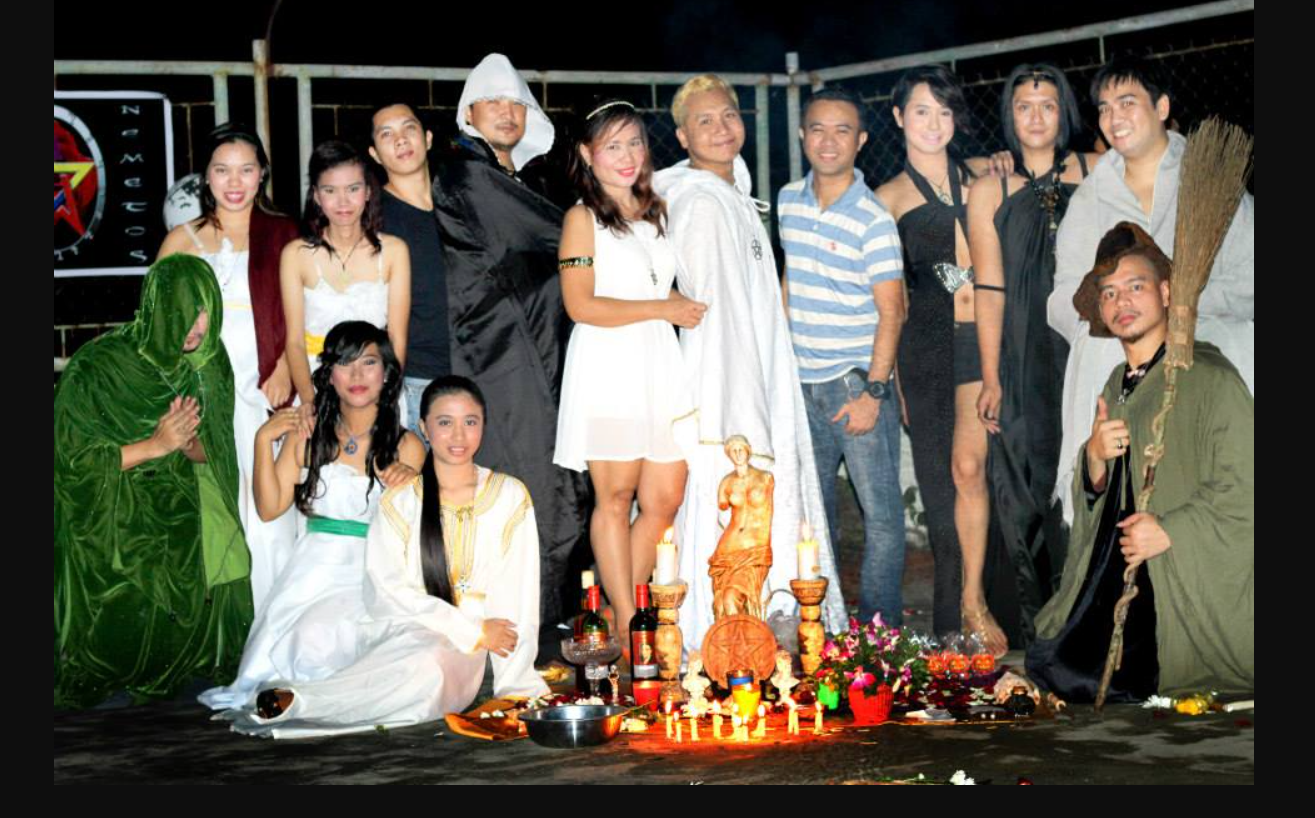
Halloween’s earliest roots can be traced to the Celtic festival of Samhain, celebrated over two thousand years ago. The Celts believed the boundary between the living and the dead was thinnest on October 31, allowing spirits to cross into the human world. To ward off these spirits, people lit bonfires and wore disguises. As Christianity spread through Europe, Samhain blended with All Saints’ Day and became All Hallows’ Eve, later shortened to Halloween. This blending of pagan rituals and Christian practices shows how traditions were reshaped over time to create the holiday we know today.
The Rise of Trick-or-Treating
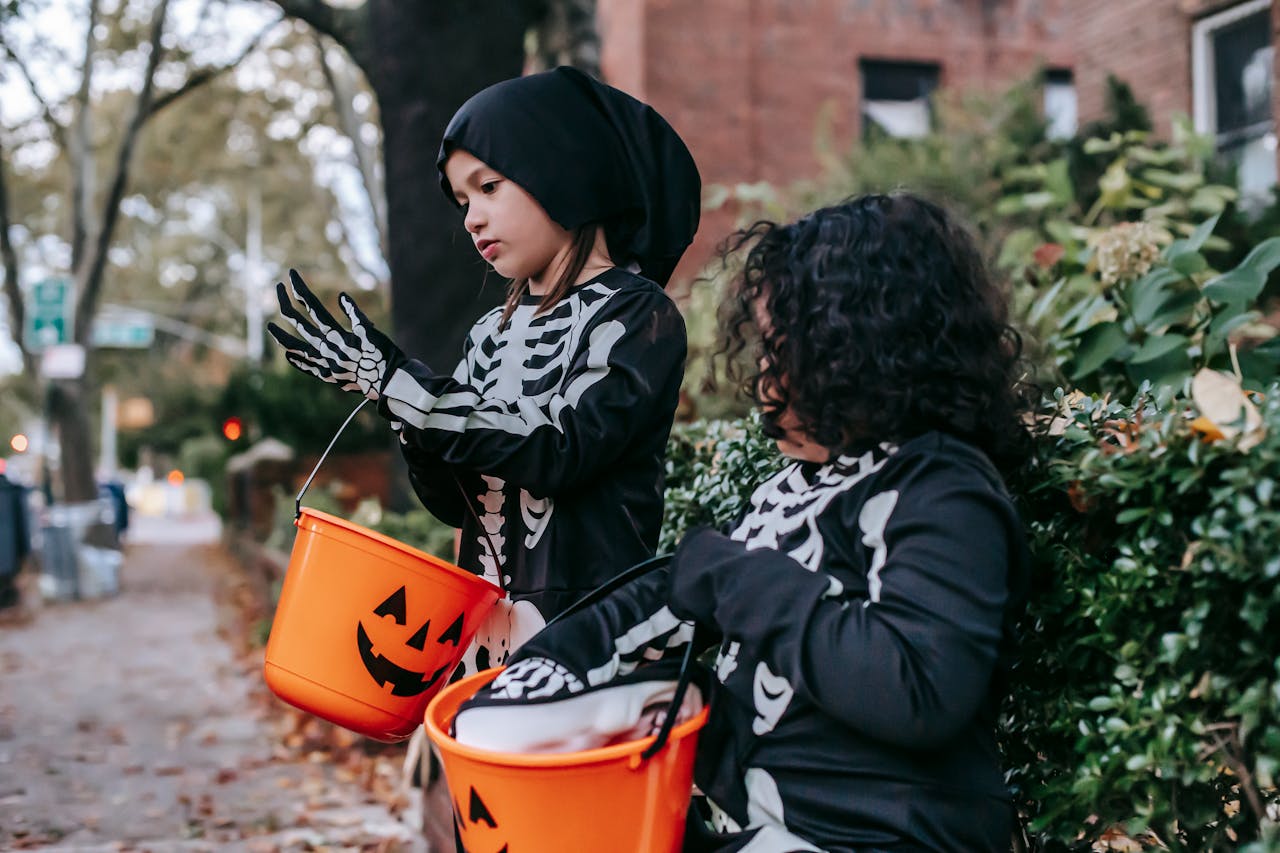
Trick-or-treating is now one of the most beloved parts of Halloween, but its origins are surprisingly complex. In medieval Europe, a tradition called “souling” saw children going door-to-door offering prayers for the dead in exchange for food. By the 19th century, Irish and Scottish immigrants brought similar customs to the United States, where they gradually turned into the modern candy-focused practice. The explosion of candy companies in the mid-20th century helped cement trick-or-treating as the central Halloween activity. Today, it is almost impossible to imagine Halloween without children in costumes collecting bags of sweets.
Costumes Through the Decades
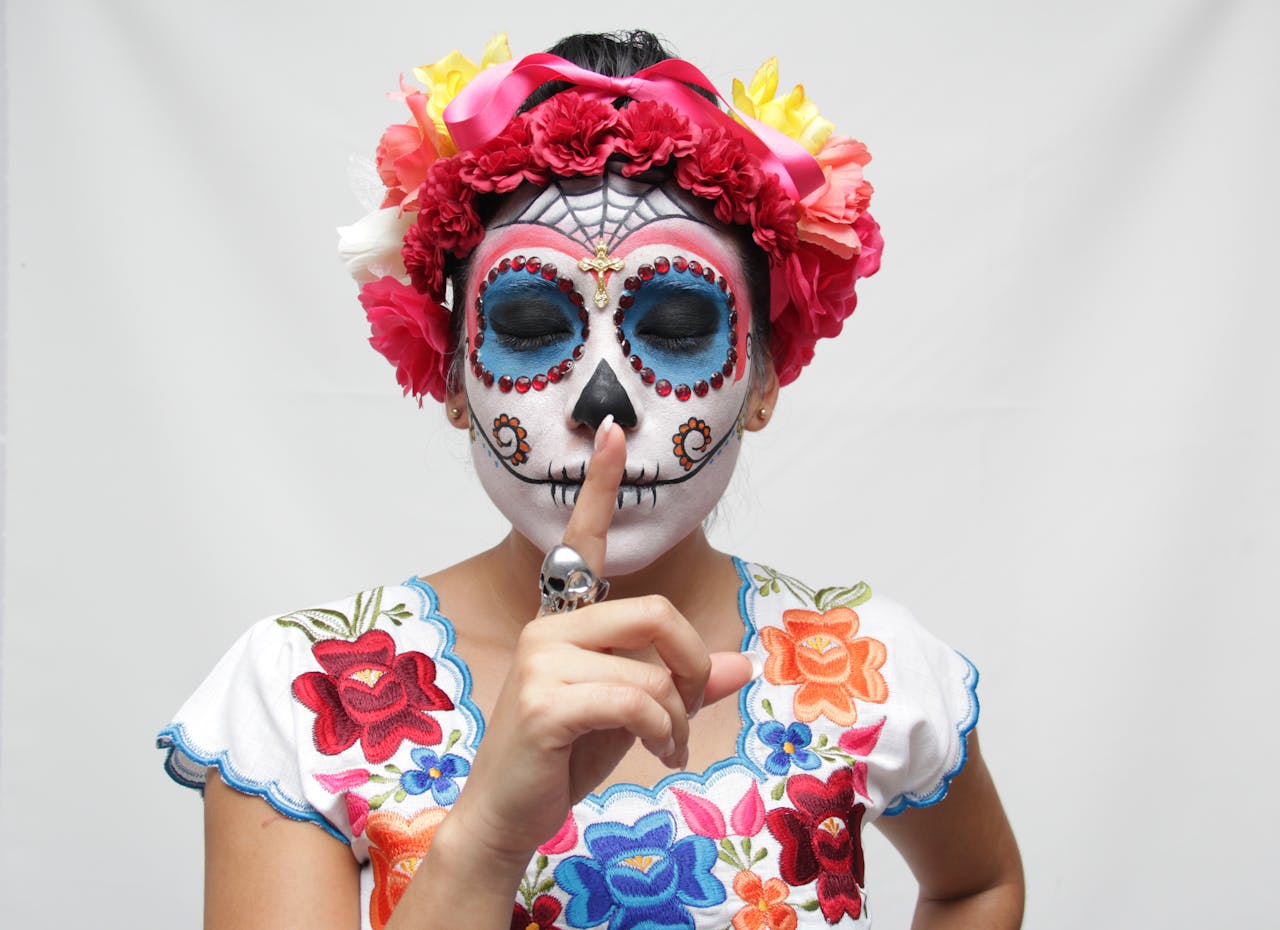
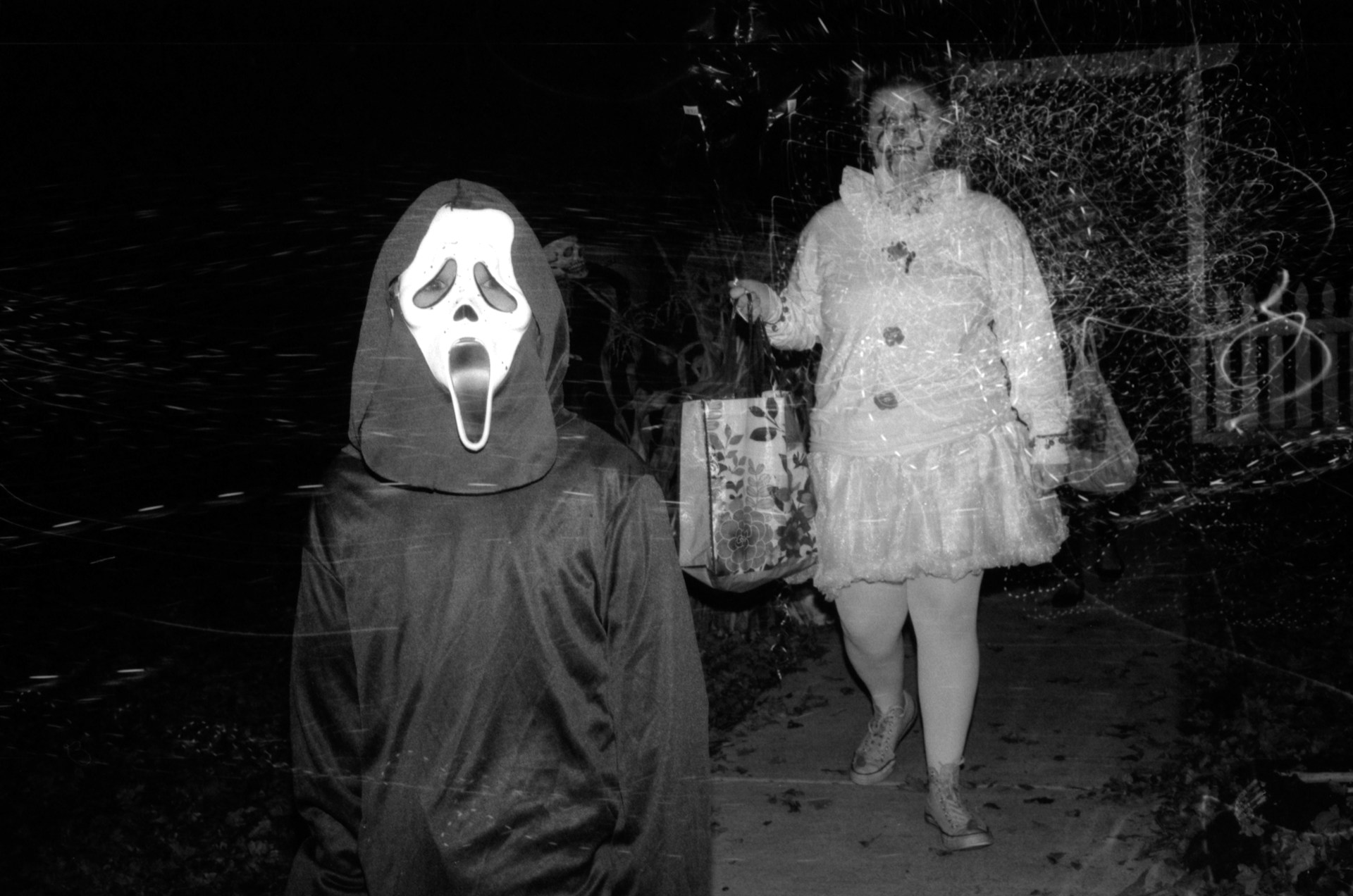
Halloween costumes have gone through countless transformations. In the early days, costumes were intended to frighten spirits, often homemade and ghostly in design. By the 1920s and 1930s, costumes became more commercialized, with companies producing witches, skeletons, and devil outfits. The late 20th century brought pop culture into the mix, with kids dressing as superheroes, movie characters, and celebrities. Today, costumes often go viral online, with people competing to create the funniest, scariest, or most creative looks. The change reflects how Halloween has shifted from warding off spirits to celebrating creativity and cultural trends.
The Popularity of Haunted Attractions
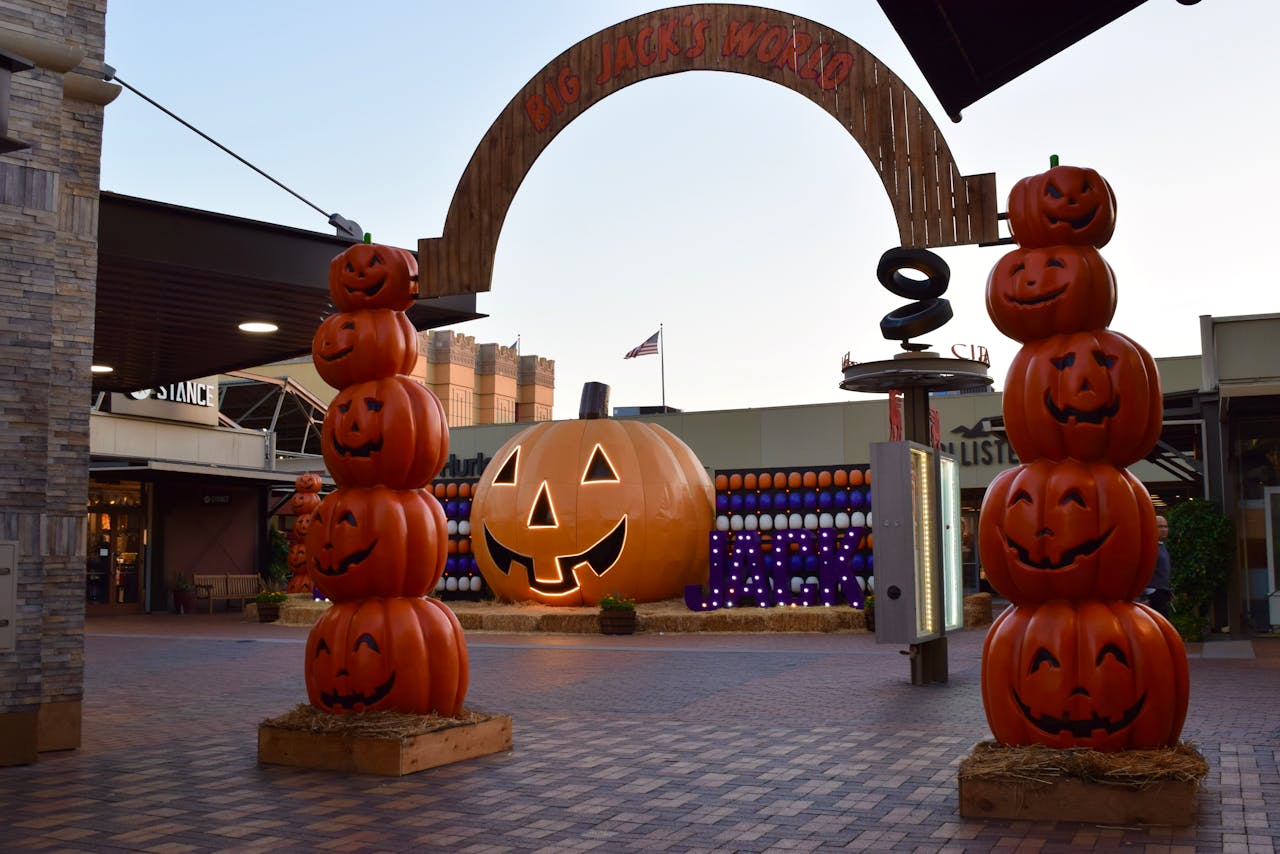
Haunted houses, hayrides, and elaborate scare parks are now staples of Halloween fun. The tradition of telling ghost stories on Halloween goes back centuries, but the idea of paying to be scared in a designed attraction is relatively new. Haunted houses became widespread in the United States in the 1970s and 1980s, often run by local charities or communities. Over time, they grew into massive productions, with Hollywood-level special effects and actors trained to terrify visitors. Today, haunted attractions generate billions of dollars, showing how the business of fear has become a modern Halloween phenomenon.
Jack-o’-Lanterns
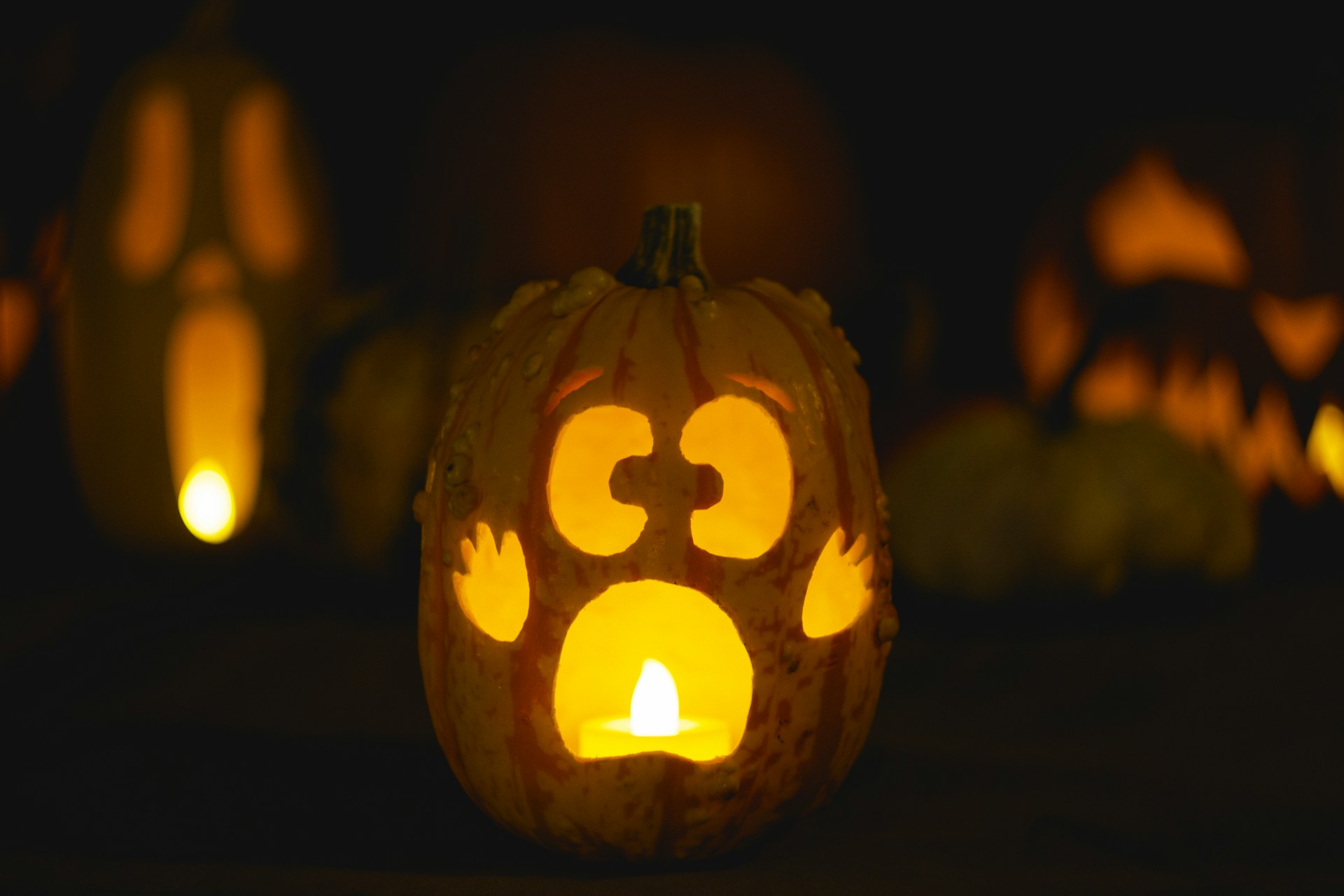
The jack-o’-lantern is one of Halloween’s most iconic symbols, but its history is rooted in Irish folklore. The story of “Stingy Jack,” a trickster who wandered the earth with only a carved turnip lantern, inspired the practice of carving vegetables to ward off spirits. When immigrants arrived in America, they discovered that pumpkins were larger and easier to carve than turnips, giving birth to the glowing jack-o’-lanterns we know today. Now, pumpkin carving contests, extreme designs, and social media challenges turn this old-world tradition into a creative outlet that families and artists enjoy every October.
Horror Movies and Halloween
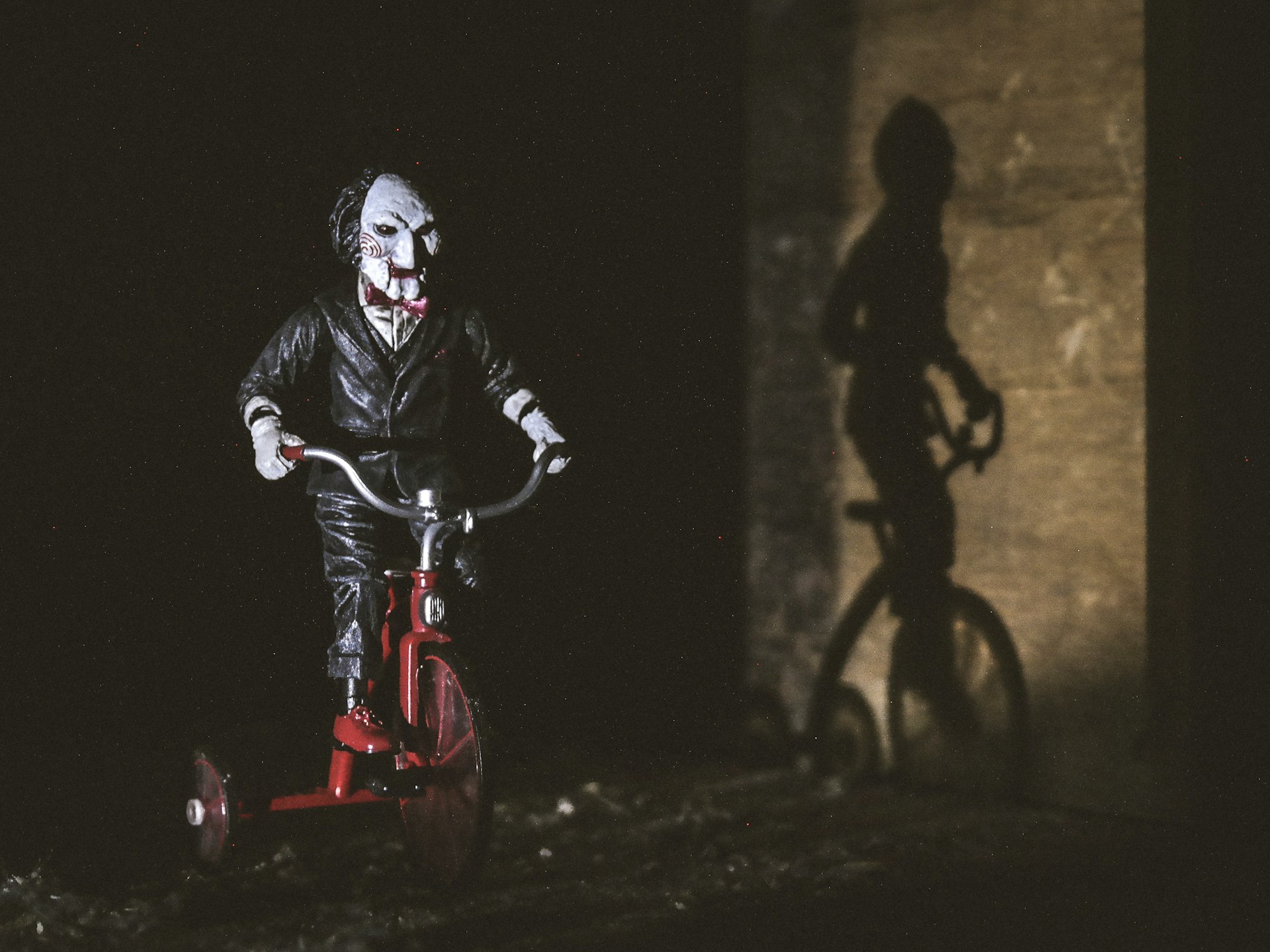
The rise of horror movies and their connection to Halloween cannot be overlooked. Starting with classics like “Halloween” in 1978, scary movies became tied to the holiday’s atmosphere of fear and suspense. Television marathons, streaming platforms, and themed horror releases each October feed audiences’ appetite for chills. Today, franchises like “The Conjuring,” “Scream,” and “The Nun” build anticipation for Halloween every year. Even families join in with spooky but lighthearted films like “Hocus Pocus” and “The Nightmare Before Christmas.” The link between Halloween and horror cinema continues to grow stronger, making fear both entertaining and profitable.
Halloween’s Viral Traditions
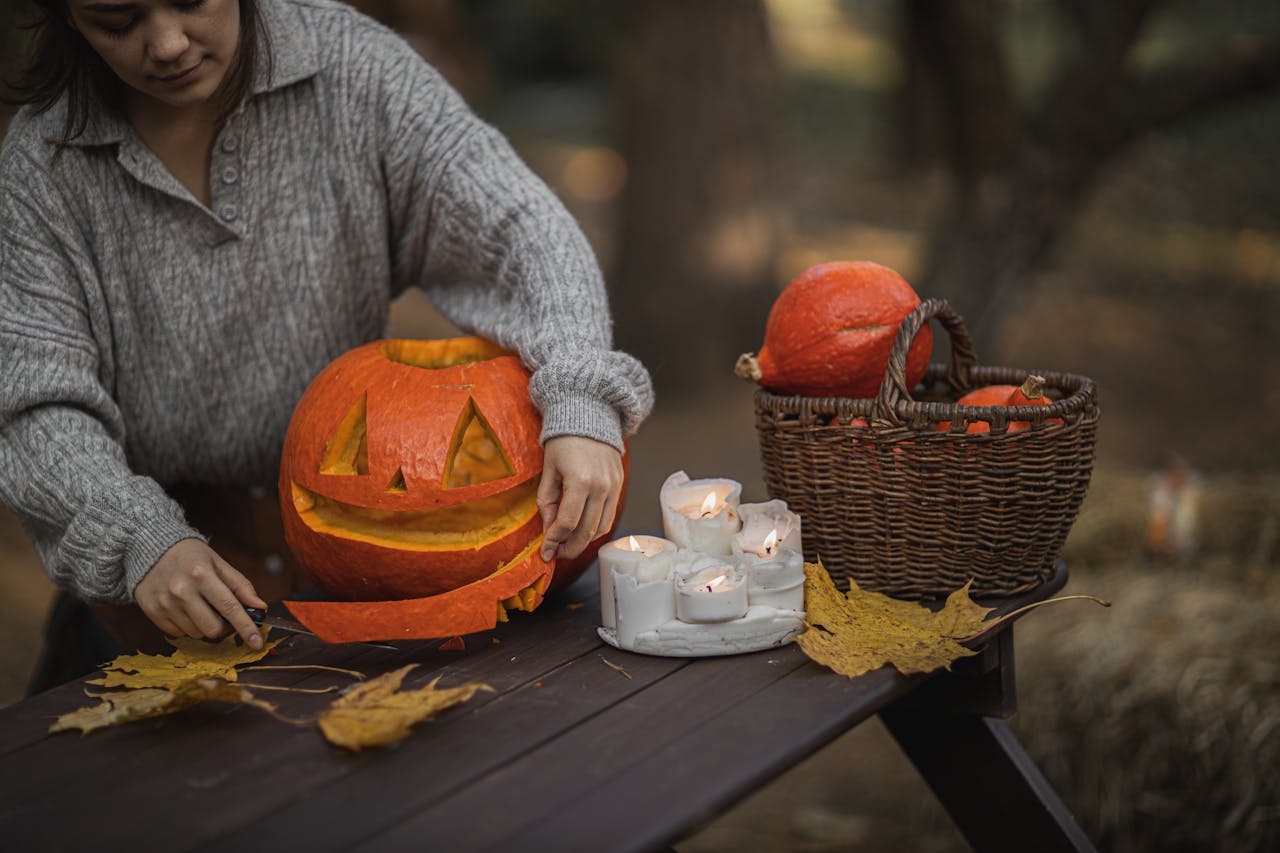
Social media has given Halloween new life, creating trends that spread across the globe. From viral pumpkin carving challenges on TikTok to elaborate house decorations shared on Instagram, the internet has turned Halloween into a digital showcase of creativity. People post makeup tutorials, costume transformations, and pet costume contests, generating millions of views. Entire neighborhoods have gone viral for their over-the-top decorations, inspiring others to step up their Halloween game. These viral traditions show how Halloween is no longer confined to one night but has become a month-long celebration of fun that thrives on global sharing.
Candy Craze and Modern Marketing
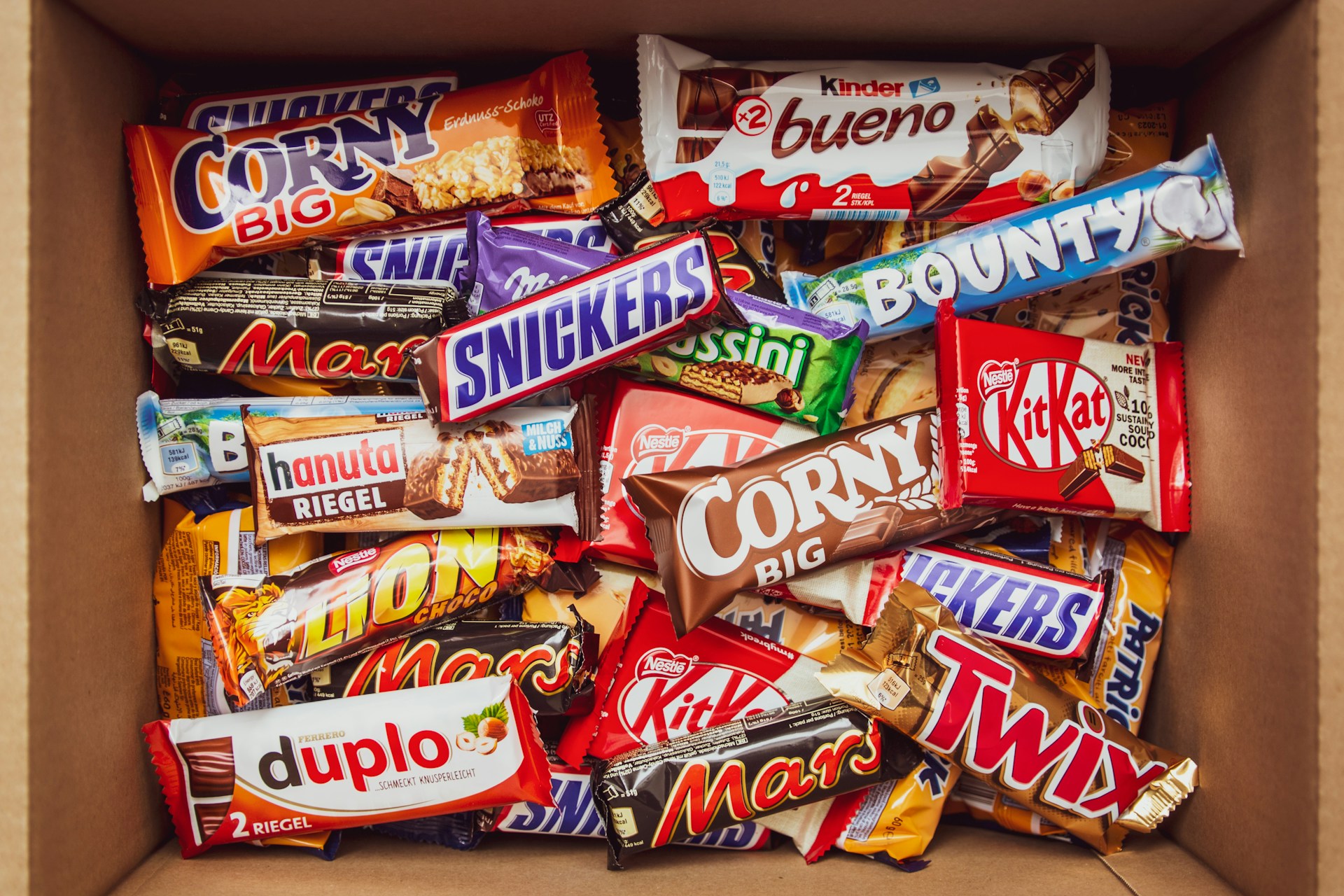
Candy has become central to the Halloween experience, but its dominance is relatively modern. Candy companies recognized the holiday as an opportunity to boost sales in the early 20th century, and by the 1950s, individually wrapped candies were marketed specifically for Halloween safety and convenience. Today, Americans spend billions of dollars each year on Halloween candy, making it one of the largest candy-related holidays in the world. From limited-edition flavors to giant bags of minis, candy marketing has transformed Halloween into one of the most commercially successful events of the year.
Halloween has come a long way from its ancient Celtic origins. It has absorbed folklore, religion, marketing, and now internet culture to become a holiday that constantly reinvents itself. Whether you enjoy it for the costumes, the candy, or the scares, Halloween remains one of the most dynamic celebrations in history, bridging the past with the present in unforgettable ways.